When an electricity bill suddenly increases, most people immediately blame the air conditioner. And in many homes, that assumption makes sense - air conditioners can consume a significant amount of electricity, especially during hot weather.
But the air conditioner isn't always the only appliance responsible for a surprisingly high power bill.
One appliance that is often overlooked is the electric water heater.
Because it may operate quietly in the background, sometimes for hours at a time, a water heater can consume a substantial amount of electricity without attracting much attention. In some households, especially those using hot water frequently, it can become one of the larger contributors to monthly energy consumption.
Of course, electricity usage depends on the appliance, household habits, electricity rates, climate, and how efficiently the equipment operates. So there is no single appliance that is automatically responsible for every high electricity bill.
Still, understanding how your water heater and other household appliances use electricity can help you find unnecessary energy consumption.
Why Water Heaters Can Use So Much Electricity
An electric water heater works by using electricity to heat water stored inside a tank or flowing through the system.
Every time the water temperature falls below the desired setting, the heating element turns on to bring it back up.
This can happen even when you're not actively taking a shower.
For example, imagine you heat a tank of water in the morning. Over the next several hours, some of that heat naturally escapes into the surrounding environment.
The heater then activates periodically to maintain the selected temperature.
This process is known as standby heat loss.
So even when nobody is using hot water, a traditional storage water heater may still consume electricity.
1. Long, Hot Showers Can Increase Energy Consumption
The amount of hot water your household uses directly affects how much energy the water heater needs.
A long shower doesn't just use more water.
It also requires the heater to replace the hot water that has been consumed.
The same applies to:
-
Filling a bathtub
-
Washing dishes with very hot water
-
Running multiple loads of laundry using hot water
-
Frequently using hot water for cleaning
If several people in a household take long hot showers every day, water-heating costs can add up quickly.
A simple change
Try reducing shower time by a few minutes and use warm water rather than extremely hot water when possible.
Small changes repeated every day can make a meaningful difference over an entire month.
2. Your Water Heater Temperature May Be Higher Than Necessary
Some water heaters are set to a temperature higher than the household actually needs.
A higher temperature means the appliance has to use more energy to maintain that temperature.
It can also increase heat loss from the tank and pipes.
However, you shouldn't simply lower the temperature without considering hot-water safety and manufacturer recommendations.
Water that is too hot can cause serious scalding injuries, while water that is stored improperly can create other safety concerns.
A better approach
Check your manufacturer's recommended temperature settings and ask a qualified professional if you're unsure what setting is appropriate for your household.
3. An Older Water Heater May Be Less Efficient
Age can matter.
Older appliances may have:
-
Less effective insulation
-
Aging heating elements
-
Sediment buildup
-
Poor temperature control
-
Greater standby heat loss
Over time, mineral deposits can accumulate inside some water-heater tanks.
This can reduce efficiency and potentially affect performance.
If your water heater is old and your electricity usage has gradually increased, it may be worth having the system inspected.
4. Sediment Buildup Can Affect Performance
In areas with hard water, minerals can accumulate inside a traditional storage tank.
This sediment can settle around the heating element or at the bottom of the tank.
Depending on the design and condition of the heater, buildup may reduce heat-transfer efficiency and cause the system to work harder.
Regular maintenance may help, but the appropriate procedure depends on the type of water heater.
Important:
Don't attempt complicated water-heater maintenance yourself if you're unfamiliar with the equipment.
Electric water heaters involve electricity, hot water, pressure, and potentially scalding temperatures.
A qualified technician can determine whether professional servicing is necessary.
5. Heat Can Escape Through Hot-Water Pipes
The water heater isn't necessarily the only part of the system that loses heat.
Hot water can lose heat while traveling through pipes, especially when pipes run through:
-
Garages
-
Basements
-
Crawl spaces
-
Exterior walls
-
Other unheated areas
When this happens, you may need to use more hot water or wait longer for water to reach the desired temperature.
Insulating accessible hot-water pipes can sometimes help reduce heat loss.
However, pipe insulation must be installed appropriately and kept away from unsafe areas or equipment.
But What If Your Water Heater Isn't the Problem?
This is important.
A high electricity bill doesn't automatically mean your water heater is responsible.
Many appliances can contribute significantly to household electricity consumption.
These include:
Air Conditioner
Cooling equipment can be one of the biggest electricity users in hot climates.
Electric Clothes Dryer
Heating air requires considerable energy, making electric dryers relatively energy-intensive.
Electric Oven
Repeatedly heating an oven to high temperatures can consume substantial electricity.
Refrigerator
A refrigerator operates continuously, although modern efficient models can use much less electricity than older units.
Electric Water Heater
Depending on household usage, this can also be a major energy consumer.
Space Heaters
Portable electric heaters can consume a surprising amount of electricity because they convert electricity directly into heat.
The "Always-On" Appliance Problem
One reason electricity usage can be difficult to understand is that some appliances operate continuously or intermittently throughout the day.
A refrigerator, for example, doesn't run at maximum power every second.
Instead, its compressor cycles on and off to maintain the desired temperature.
The same principle applies to many other appliances.
An appliance that uses a moderate amount of electricity but operates for many hours can sometimes consume more energy over a month than an appliance that uses a lot of electricity for only a short period.
That's why both power consumption and operating time matter.
What About Devices on Standby?
Many modern electronics continue drawing a small amount of electricity when they appear to be turned off.
This is sometimes called standby power or phantom load.
Examples may include:
-
Televisions
-
Game consoles
-
Computers
-
Printers
-
Streaming devices
-
Chargers
-
Smart-home equipment
The electricity used by an individual device in standby mode may be relatively small.
However, dozens of devices operating this way continuously can add up.
A practical solution
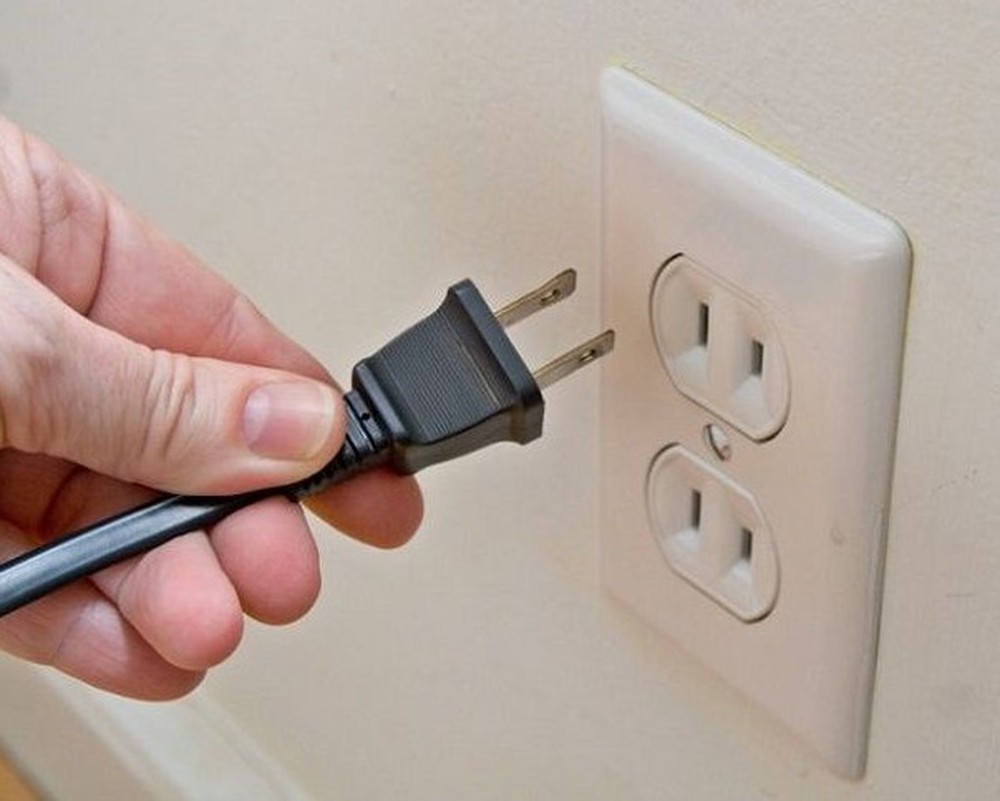
Unplug devices that don't need to remain connected, or use a power strip that can disconnect several devices at once.
How to Find the Real Energy Culprit
Instead of guessing, try to identify which appliances are consuming the most electricity.
Step 1: Compare Your Bills
Look at several months of electricity bills.
Ask:
-
When did consumption increase?
-
Was the weather hotter?
-
Did someone move into the household?
-
Did you start using a new appliance?
-
Did your hot-water usage change?
This can reveal useful patterns.
Step 2: Check Your Electricity Meter
Depending on your utility and meter type, you may be able to monitor electricity consumption in real time or at regular intervals.
Turn off unnecessary appliances and observe whether your home's electricity use changes.
Never interfere with electrical wiring or the meter itself.
Step 3: Use a Plug-In Energy Monitor
For compatible appliances, a plug-in electricity monitor can measure energy consumption over time.
These devices can be particularly useful for identifying energy use from:
-
Refrigerators
-
Computers
-
Entertainment systems
-
Dehumidifiers
-
Portable appliances
They aren't suitable for every high-power appliance, so follow the manufacturer's safety instructions.
Step 4: Pay Attention to Your Water Heater
If you suspect the water heater is contributing significantly to your bill, look at your household's hot-water habits.
Ask yourself:
-
Are showers unusually long?
-
Are multiple people using hot water at the same time?
-
Is the temperature set higher than necessary?
-
Is the water heater very old?
-
Does hot water run out unusually quickly?
-
Is the system making unusual noises?
-
Does the unit appear to be working continuously?
If something seems abnormal, have it inspected by a qualified professional.
Simple Ways to Reduce Electricity Use
You don't necessarily need to buy expensive new appliances.
Start with simple habits.
Use Hot Water More Efficiently
Shorter showers and less unnecessary hot-water use can reduce demand.
Wash Clothes in Cold or Warm Water
Modern detergents can often clean everyday laundry effectively at lower temperatures.
Air-Dry Clothes When Practical
Using a clothesline or drying rack can reduce dryer electricity consumption.
Use Energy-Efficient Lighting
LED bulbs generally use much less electricity than traditional incandescent bulbs and last longer.
Maintain Your Air Conditioner
Dirty filters can restrict airflow and reduce efficiency.
Clean or replace filters according to the manufacturer's recommendations.
Avoid Leaving Electronics Running Needlessly
Turn off equipment when it isn't being used.
Don't Ignore Your Refrigerator
Because refrigerators operate around the clock, they deserve attention.
An older refrigerator may use considerably more electricity than a modern efficient model.
Check that:
-
The door seals properly.
-
The temperature is appropriate.
-
The condenser area is clean when accessible.
-
The appliance isn't placed somewhere excessively hot.
-
The doors aren't being left open unnecessarily.
However, don't turn the refrigerator temperature excessively high in an attempt to save electricity because food safety should always come first.
Why Your Electricity Bill May Rise Even Without a Change in Usage
Sometimes your household's electricity consumption hasn't changed much, but the bill still increases.
That's because your final bill can be affected by:
-
Electricity rates
-
Seasonal pricing
-
Taxes and fees
-
Changes in utility charges
-
Billing-period length
Therefore, don't look only at the total amount you paid.
Compare the kilowatt-hours (kWh) consumed between billing periods.
This helps distinguish higher electricity usage from a change in pricing.
When an Appliance Should Be Checked
An unexpected increase in electricity consumption can sometimes indicate an appliance problem.
Consider professional inspection if you notice:
-
An appliance running almost constantly
-
Unusual noises
-
Burning smells
-
Excessive heat
-
Water leaks
-
Frequent circuit-breaker trips
-
A sudden unexplained increase in electricity usage
Never ignore burning smells, sparks, exposed wiring, or repeated electrical faults.
Turn off the appliance if it is safe to do so and seek qualified electrical assistance.
The Bottom Line
If your electricity bill suddenly seems much higher, it's easy to point directly at the air conditioner.
But your water heater, clothes dryer, refrigerator, space heater, and other appliances can also contribute significantly to household electricity consumption.
An electric water heater deserves particular attention because it can use energy both when you're actively using hot water and when it is maintaining the temperature of stored water.
The best strategy isn't to assume one appliance is always responsible.
Instead, compare your electricity usage over time, identify changes in household habits, monitor major appliances when possible, and address obvious sources of waste.
Small changes—such as shorter hot showers, appropriate appliance settings, better maintenance, and avoiding unnecessary standby power—can gradually reduce energy consumption without making everyday life uncomfortable.
And if your bill suddenly jumps for no obvious reason, don't just blame the air conditioner.
The appliance quietly working in the background might deserve a closer look.