Stir-fried beef sounds like one of the easiest dishes to make. Slice the beef, heat the pan, add some vegetables and sauce, and dinner is ready.
Yet many home cooks run into the same frustrating problem: the beef comes out tough, dry, and chewy instead of tender and juicy.
You may have bought a good cut of beef. You may have followed the recipe carefully. You may even have cooked it for only a few minutes.
So why does it still turn out tough?
In many cases, the problem isn't the beef itself. It comes down to how the meat is prepared before it hits the pan and how it is cooked once it gets there.
Two simple steps can make a noticeable difference:
1. Slice and marinate the beef properly.
2. Cook it quickly over sufficiently high heat without overcrowding the pan.
These techniques are common in Chinese-style stir-frying and are closely related to the principles behind velveting meat. They help protect the surface of thin beef slices from becoming dry and overcooked.
Here's how to do it at home.
Step 1: Slice the Beef Correctly
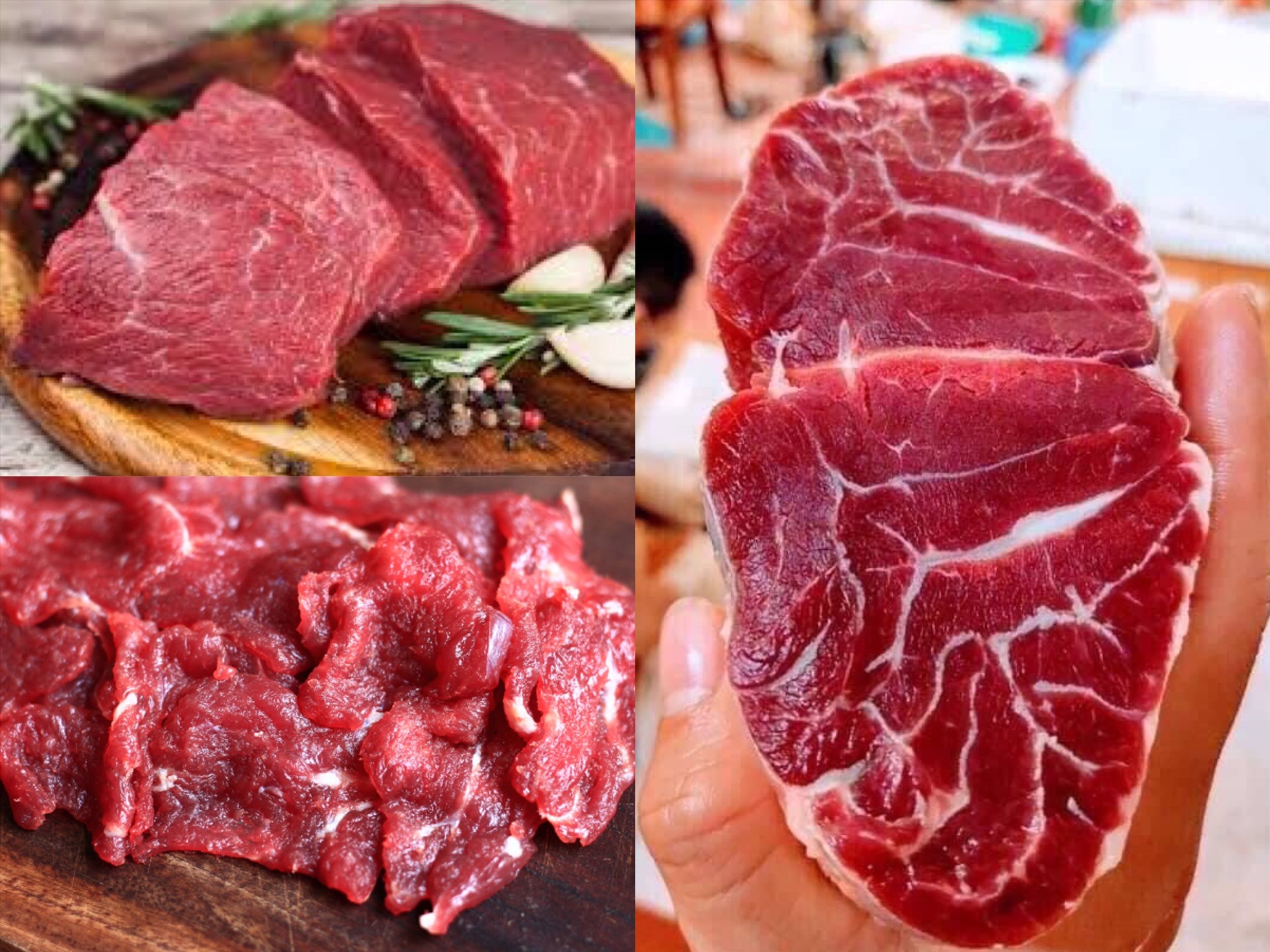
Before seasoning the beef, take a close look at the muscle fibers.
You'll notice fine lines running through the meat. These are muscle fibers, often referred to as the grain.
For stir-frying, you generally want to cut across the grain, rather than parallel to it.
Why?
Imagine the muscle fibers as long pieces of string.
If you cut along the strings, you leave long fibers intact. When you chew the meat, those fibers can feel tougher and more resistant.
If you cut across the strings, you shorten those fibers.
The result can be noticeably easier to chew.
How to identify the grain
Place the beef on a stable cutting board and look for the direction in which the muscle fibers run.
Then position your knife so that you're cutting across those lines.
For stir-fry, thin slices are usually preferable.
You don't need paper-thin pieces, but slices of roughly 3–5 mm can work well depending on the cut and recipe.
If the beef is difficult to slice thinly, place it in the freezer for around 15–30 minutes first.
You don't want to freeze it solid.
You simply want it firm enough that your knife can make clean, even slices.
Choose the Right Cut
The cut of beef also matters.
Tender cuts such as tenderloin can produce excellent results, but they may be more expensive.
Other cuts can work beautifully when sliced correctly and cooked appropriately.
Common choices include:
-
Sirloin
-
Ribeye
-
Strip steak
-
Flank steak
-
Top round
-
Beef chuck, when sliced thinly and prepared appropriately
The important thing is not simply choosing the most expensive beef.
Cut, thickness, marbling, and cooking method all matter.
A relatively lean cut can still become tender when thinly sliced across the grain and cooked quickly.
The Second Key: Marinate Before Stir-Frying
Once the beef is sliced, don't immediately throw it into the pan.
Give it a short marinade.
A simple stir-fry marinade can include:
-
Soy sauce
-
A small amount of cooking wine, if desired
-
Cornstarch
-
A little oil
-
Optional garlic or ginger
-
A small amount of sugar, depending on the recipe
The goal isn't to soak the beef in liquid for hours.
The marinade is primarily about seasoning and protecting the surface of the meat.
Why Cornstarch Makes Such a Difference
This is one of the most useful tricks for tender stir-fried beef.
Cornstarch can form a thin coating around the meat.
During cooking, that coating helps reduce direct exposure of the surface to intense heat and can help retain moisture.
This technique is closely related to the cooking method commonly called velveting.
The result is a surface that feels smoother and more tender rather than dry and rough.
You don't need a huge amount.
For approximately 450 g (1 lb) of thinly sliced beef, you can start with around 1–2 teaspoons of cornstarch, depending on the recipe and the amount of liquid used.
The beef should look lightly coated—not buried under a thick layer of starch.
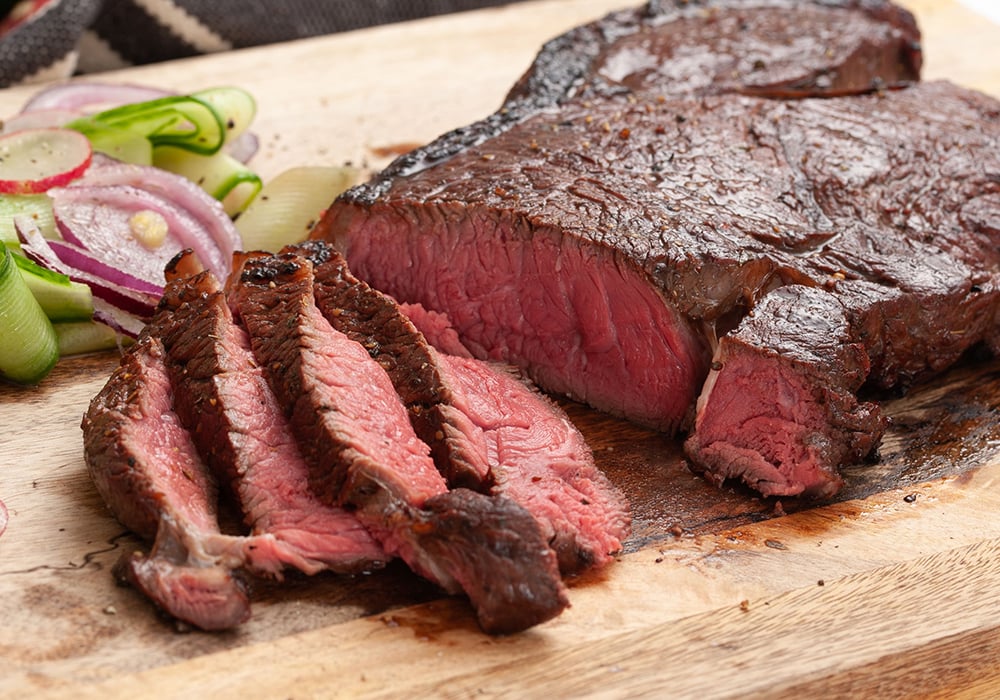
Add a Little Oil to the Marinade
A small amount of neutral cooking oil can also help coat the beef slices.
This can make it easier for the pieces to separate and move around during cooking.
It also contributes to the characteristic texture of many restaurant-style stir-fries.
Choose an oil suitable for high-heat cooking, such as:
-
Canola oil
-
Peanut oil
-
Sunflower oil
-
Vegetable oil
The amount doesn't need to be large.
A teaspoon or two can be enough for a modest batch.
Don't Marinate the Beef for Too Long
Longer isn't always better.
For a simple stir-fry, a short marinating period is usually sufficient.
Around 15–30 minutes in the refrigerator is a practical starting point.
Some marinades contain acidic ingredients, and prolonged exposure can alter the texture of meat in ways that aren't necessarily desirable.
Keep the beef refrigerated while it marinates.
And remember: marinating does not make every cut of beef tender. It works together with proper slicing and cooking.
Now Comes the Cooking
Once your beef has been sliced and lightly marinated, the next challenge is getting it into the pan correctly.
This is where another common mistake happens.
Many people put too much beef into the pan at once.
The pan becomes crowded.
Instead of rapidly searing the meat, the beef releases moisture and begins to steam.
The temperature drops.
The cooking time increases.
And the meat becomes more likely to turn gray, dry, and chewy.
Cook in Small Batches
If you're cooking a large amount of beef, don't be afraid to divide it into two or three batches.
Heat the pan thoroughly before adding the first batch.
Add enough oil to lightly coat the cooking surface.
Then add the beef in a relatively even layer.
You should hear an immediate sizzle.
That sound is a good sign that the pan is hot enough to begin cooking efficiently.
Let the beef cook briefly before tossing it.
Then stir or flip it so that the other surfaces make contact with the hot pan.
Thin slices may cook very quickly.
Depending on their thickness, cut, and the temperature of your pan, they may only need a couple of minutes.
The exact cooking time matters less than avoiding prolonged cooking.
Don't Keep Stirring Every Second
Stir-frying doesn't mean constantly moving the food from the instant it enters the pan.
If you move the beef around continuously, you can make it difficult for the surface to develop good contact with the hot pan.
Instead:
Add the beef.
Let it sear briefly.
Then toss and continue cooking.
The goal is fast, controlled cooking.
Remove the Beef Before Adding the Vegetables
Here's another technique that can dramatically improve the result.
If you're making beef with broccoli, peppers, onions, mushrooms, or other vegetables, consider cooking the beef separately first.
Once it is nearly done, remove it from the pan.
Then cook the vegetables.
Finally, return the beef to the pan near the end.
This prevents the beef from sitting in the pan for the entire cooking process.
It also allows the vegetables to cook properly without overcooking the meat.
A Simple Beef Stir-Fry Formula
Here's an easy formula you can adapt.
For the beef:
-
450 g thinly sliced beef
-
1 tablespoon soy sauce
-
1 teaspoon cornstarch
-
1 teaspoon cooking oil
-
Optional garlic, ginger, or cooking wine
Mix gently until the slices are evenly coated.
Let them rest in the refrigerator for approximately 15–30 minutes.
For the stir-fry:
-
1–2 tablespoons cooking oil
-
Your choice of vegetables
-
Prepared sauce
-
Marinated beef
Heat the pan.
Cook the beef quickly in batches.
Remove it.
Cook the vegetables.
Add the beef back.
Add the sauce.
Toss everything together briefly.
Then serve immediately.
The Biggest Mistake: Cooking Beef Too Long
This may be the most important lesson of all.
Many people see beef that isn't fully browned and think:
“It needs more time.”
So they keep cooking.
And then they keep cooking.
Eventually, the beef is certainly cooked—but it may also be tough.
Muscle proteins change as they are heated. Prolonged cooking can cause meat to lose moisture and become firmer.
That's why a thin piece of beef can go from tender to chewy surprisingly quickly.
For stir-frying, the objective is usually fast cooking, not long cooking.
Why Restaurant Beef Often Feels So Different
Have you ever wondered why beef from a good stir-fry restaurant can be remarkably tender?
It's not necessarily because restaurants use a secret ingredient.
Professional kitchens often have several advantages:
Thin, consistent slicing
Properly prepared marinades
High-powered burners
Very hot woks
Small cooking batches
Fast timing
All of these factors contribute to the final texture.
A home stove may not reach the same power level as a commercial wok burner, but you can still apply the same principles.
Don't Add Cold Beef to a Crowded Pan
Another useful tip is to avoid adding a huge quantity of refrigerator-cold beef to a relatively small pan.
The temperature can drop dramatically.
If you have a large amount of meat, work in batches.
This is particularly important when cooking on an ordinary household stove.
You want the pan to remain hot enough to sear rather than accumulate liquid.
Don't Wash Raw Beef in the Sink
Some people rinse raw meat before cooking.
For beef, this isn't necessary for food safety and can spread raw-meat juices around the sink and surrounding surfaces.
Instead, handle the beef carefully and keep raw meat separate from ready-to-eat foods.
Use a clean cutting board and knife, and wash your hands and utensils appropriately after handling raw beef.
Food safety matters just as much as texture.
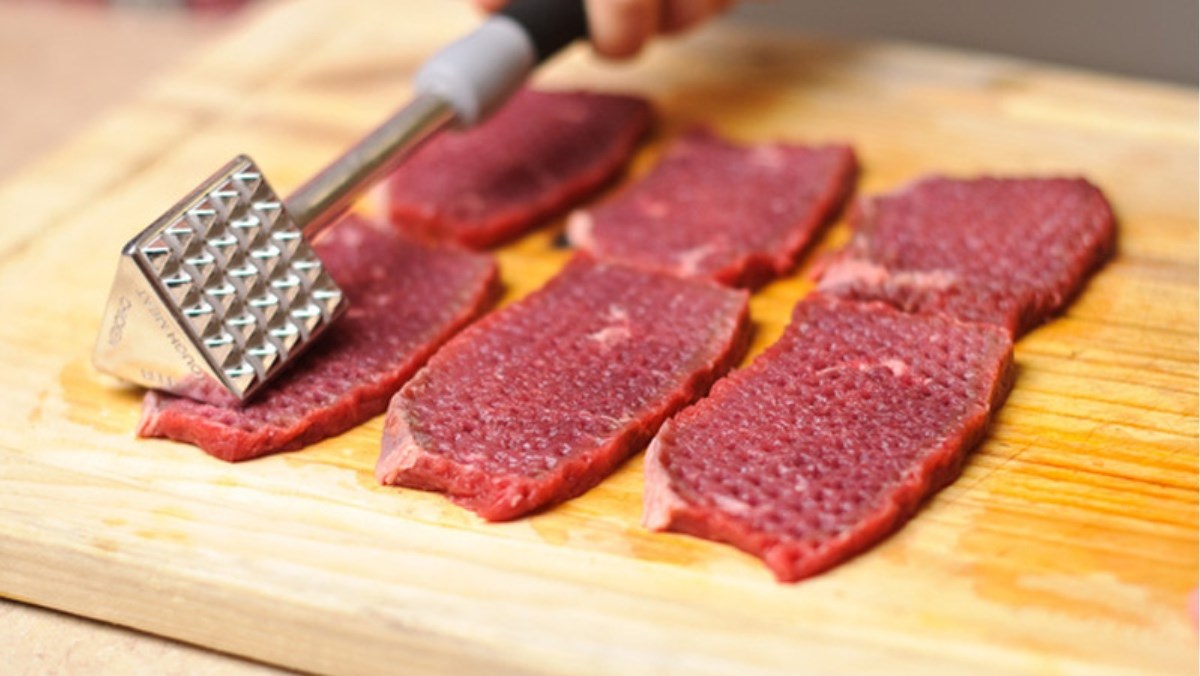
What About Baking Soda?
You may also have seen recipes recommending a small amount of baking soda to tenderize beef.
There is a reason this technique can work.
A small amount of baking soda raises the surface pH of the meat, which can reduce protein tightening during cooking and contribute to a more tender texture.
However, too much can produce an unpleasant, soapy or alkaline taste.
If you use this technique, use a very small amount and follow a tested recipe rather than adding baking soda by guesswork.
For many home cooks, proper slicing, cornstarch, and quick cooking are simpler techniques to master first.
What If the Beef Is Still Tough?
If your beef is still chewy after following these steps, look at the entire process.
Ask yourself:
Did I cut across the grain?
If not, the long muscle fibers may still be difficult to chew.
Were the slices too thick?
Thick pieces take longer to cook and are easier to overcook.
Was the pan hot enough?
A cool pan can cause steaming rather than quick searing.
Did I overcrowd the pan?
Too much meat at once can lower the temperature dramatically.
Did I cook the beef too long?
This is one of the most common causes of dry, chewy stir-fry.
Was the original cut particularly tough?
Some cuts simply require different cooking methods.
Not every piece of beef is ideal for rapid stir-frying.
A Few Small Details Can Make a Big Difference
Good stir-fried beef isn't about one magical secret.
It's about controlling several small variables.
Slice against the grain.
Keep the pieces thin and relatively uniform.
Use a light marinade.
Add a small amount of cornstarch.
Heat the pan properly.
Avoid overcrowding.
Cook quickly.
Remove the beef while it's still tender.
Return it to the pan only briefly when combining the final dish.
Once you understand these principles, you can apply them to dozens of recipes.
Beef with onions.
Beef with broccoli.
Pepper steak.
Beef with mushrooms.
Beef and bell peppers.
Spicy beef stir-fry.
The vegetables and sauce can change completely while the fundamental technique remains the same.
Final Thoughts
Tough stir-fried beef isn't necessarily the result of bad meat or a complicated recipe.
Often, the problem begins before the beef even reaches the pan.
The first key is how you cut it.
Cutting thin slices across the grain shortens the muscle fibers and makes them easier to chew.
The second key is how you prepare and cook it.
A light marinade containing a little cornstarch can help create a smoother surface, while quick cooking in a properly heated pan helps prevent the meat from losing excessive moisture.
Put those techniques together, and you can make a significant difference in texture.
The next time you prepare beef stir-fry, don't simply throw everything into the pan and hope for the best.
Take a few extra minutes to prepare the beef properly.
Slice against the grain, coat it lightly, cook it quickly, and avoid overcrowding the pan.
Those small steps can turn an ordinary beef stir-fry into a dish that is far more tender, juicy, flavorful, and enjoyable with every bite.