Does Foot Massage Really Improve Sleep and Health?
It is worth separating the potential benefits of massage from exaggerated claims often found online.
There is evidence that massage can promote relaxation and may help reduce certain types of discomfort. Some research involving foot massage has also reported improvements in perceived anxiety, pain, or sleep quality in specific groups.
However, many studies are relatively small, use different massage techniques, or focus on people with particular health conditions. Their findings cannot automatically be applied to everyone.
There is also no strong scientific basis for the idea that specific points on the soles of the feet directly control the health of individual organs.
Foot reflexology is based on the concept that certain areas of the feet correspond to different body parts. Although some people find reflexology relaxing, claims that it can diagnose or cure diseases through pressure on these points have not been established by convincing scientific evidence.
The most reasonable way to think about foot massage is as a complementary self-care practice.
It may help you feel calmer, make tired feet more comfortable, and establish a peaceful bedtime routine. Those benefits can be worthwhile even without assuming that massage has extraordinary medical effects.
Small Habits That Can Make Your Foot Massage More Enjoyable
If you want to make your nightly routine more comfortable, a few simple adjustments can help.
Choose the right moisturizer. A fragrance-free moisturizer can help reduce dryness and make the massage smoother. If you have cracked skin or a chronic skin condition, choose products appropriate for your needs.
Keep your movements slow. Rushing through the massage may make it feel more like another task. Gentle, controlled movements are usually more relaxing.
Create a quiet environment. Dim the lights, put away your phone, and allow yourself a few minutes without distractions.
Stretch gently afterward. Slowly move your ankles and toes to help relieve the sensation of stiffness. Never force a movement that causes pain.
Wear comfortable footwear during the day. A nighttime massage cannot compensate for shoes that consistently squeeze your toes, fail to support your feet, or cause repeated friction.
Take breaks from prolonged standing or sitting. Changing positions and walking briefly throughout the day can help reduce the discomfort associated with remaining in one position for too long.
These habits work together. Foot massage can be one small part of a broader approach to foot health.
What If You Do Not Have Time for a Full Foot Massage?
You do not need to follow a detailed routine every night.
Even two or three minutes of gentle attention may be enough to create a pleasant pause before bed.
Try this simple approach:
-
Spend 30 seconds gently rubbing each sole.
-
Use your thumbs to massage each arch for approximately 30 seconds.
-
Gently massage the heel and toes.
-
Finish with a few slow ankle movements.
The routine should feel easy rather than demanding.
If you are exhausted, a shorter massage is perfectly reasonable. The purpose is to relax, not to create another responsibility.
The Bigger Picture: Taking Better Care of the Feet That Carry You Every Day
Your feet are involved in nearly every part of daily movement, yet they rarely receive the same attention as other parts of your body.
They help you walk to work, climb stairs, exercise, travel, shop, and complete countless ordinary tasks. They absorb pressure, adapt to different surfaces, and help maintain your balance.
Over time, neglecting foot comfort can make everyday activities more difficult.
That is why basic foot care matters.
Wearing properly fitting shoes, keeping your feet clean and dry, trimming your toenails appropriately, moisturizing dry skin, staying physically active, and paying attention to unusual symptoms are all important habits.
A gentle foot massage can complement these practices by giving you an opportunity to relax and notice how your feet feel.
It does not require expensive equipment or a complicated schedule. You can begin tonight with clean hands, a comfortable chair, and five quiet minutes.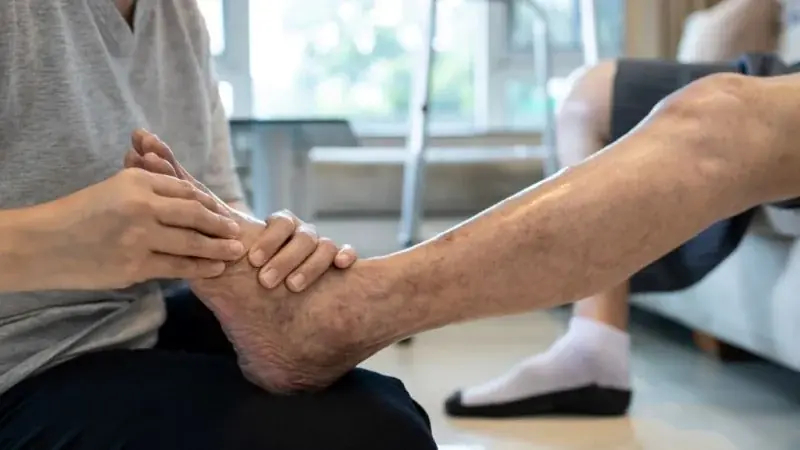
Final Thoughts
Massaging your feet before bed may seem like a small habit, but it can make your evening feel noticeably more comfortable.
It may help ease everyday foot tension, encourage relaxation, temporarily influence local blood flow, and create a peaceful transition toward sleep. For some people, it may also become a valuable opportunity to notice skin changes, swelling, or other problems before they become more serious.
The key is to keep your expectations realistic.
A foot massage is not a miracle treatment, and it cannot cure insomnia, repair damaged nerves, or eliminate circulation problems. Its greatest value may lie in the combination of gentle physical comfort, relaxation, and consistent self-care.
You spend your entire day relying on your feet. Giving them a few minutes of attention at night is a simple way to return some of that care.
Tonight, before getting into bed, consider putting your phone aside, sitting comfortably, and gently massaging your feet for a few minutes.
Sometimes, the most useful health habits are not complicated or expensive. They are the small, consistent choices that help you feel a little better at the end of each day.