
Try massaging these two spots behind your knees - here’s what it may help with
Massaging 2 points behind your knees may support your overall well-being
Tips 06/04/2026 21:40
A growing number of people are turning to natural alternatives in their daily routines, and one surprising trend is using coconut oil as toothpaste. Rooted in traditional practices like oil pulling, this method is gaining popularity for its simplicity and potential oral health benefits.
But does it really work—and should you make the switch?
Coconut oil has long been valued for its versatility, from cooking to skincare. In oral care, it is often used either directly as a toothpaste substitute or as part of a homemade blend.
One of the main reasons for its popularity is the desire to avoid certain chemicals commonly found in commercial toothpastes. Some formulations contain foaming agents or additives that may irritate the mouth or affect taste sensitivity.
Coconut oil, on the other hand, is seen as a simple, natural option with fewer processed ingredients.
Supporters of coconut oil toothpaste point to its natural antibacterial properties.
Coconut oil contains fatty acids such as lauric acid, which can help reduce harmful bacteria in the mouth. These bacteria are often responsible for plaque buildup, bad breath, and tooth decay.
Studies also suggest that practices like oil pulling—swishing coconut oil in the mouth—may lower levels of plaque and improve gum health over time.
Because of these effects, coconut oil is often promoted as a gentle way to maintain oral hygiene.
Advocates of coconut oil toothpaste highlight several possible advantages:
These benefits have helped fuel the rise of coconut oil in modern oral care products and DIY remedies.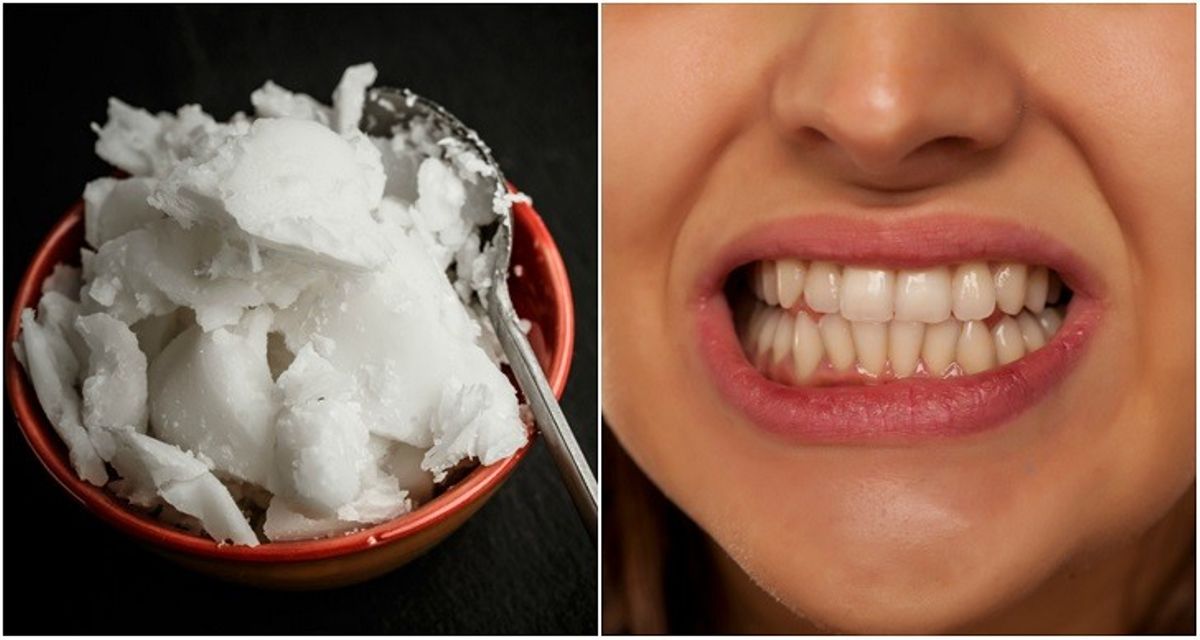
Despite its growing popularity, experts caution against replacing traditional toothpaste entirely.
There is currently no strong scientific evidence showing that coconut oil is more effective than standard fluoride toothpaste in preventing tooth decay.
Fluoride remains a key ingredient in protecting enamel and preventing cavities—something coconut oil does not provide.
Dental professionals generally recommend using coconut oil as a complement, not a substitute, for brushing and flossing.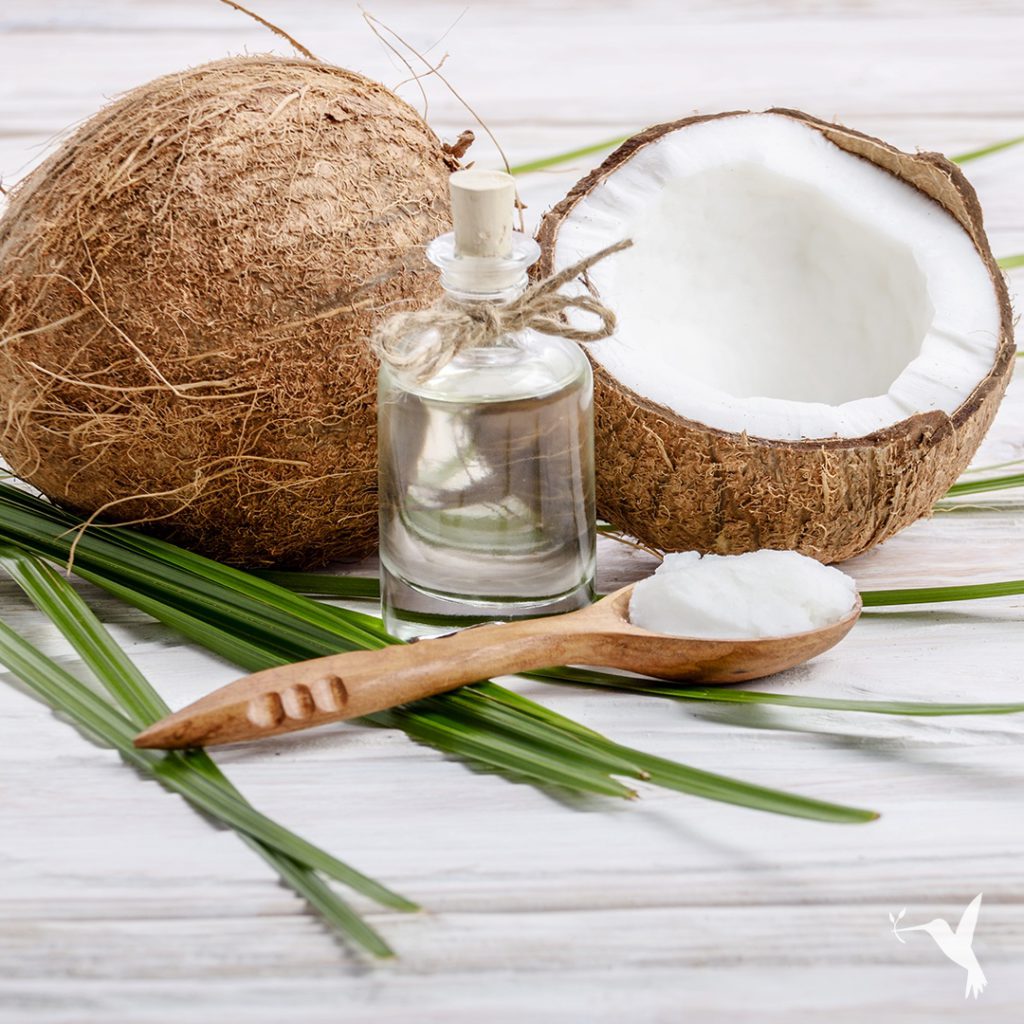
Those interested in trying this method often incorporate it into their routine in simple ways:
These approaches aim to enhance oral hygiene while keeping routines natural and minimal.
Coconut oil toothpaste reflects a broader shift toward natural wellness solutions. While it offers some promising benefits, it is not a miracle cure.
Used correctly, it can be a helpful addition to oral care—but maintaining healthy teeth still depends on proven habits like brushing with fluoride toothpaste, flossing, and regular dental checkups.
Massaging 2 points behind your knees may support your overall well-being
This Simple Tip Will Change How You Use Avocado Pits Forever

Just 5 Minutes a Day with Your Legs Up the Wall - Surprising Benefits for Your Body

A Quick Guide to Identifying Dan.gerous vs. Harmless Snakes

Refrigerator Leaking? Causes, Quick Fixes, and Maintenance Tips You Should Know
Add a Little Salt to Door Gaps, Wait 5 Minutes, and See What Happens
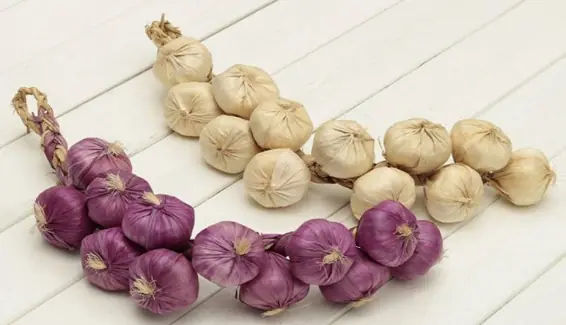
Which is better to buy: white-skinned or purple-skinned garlic?

Don’t Overthink It: Your First Choice Says Everything

Your Shrimp Keeps Going Mushy? Here’s the Secret You Missed

Your Clothes Take Too Long to Dry? Here’s the Fix Everyone’s Talking About

8 plants you should be careful with as they can attract snakes indoors
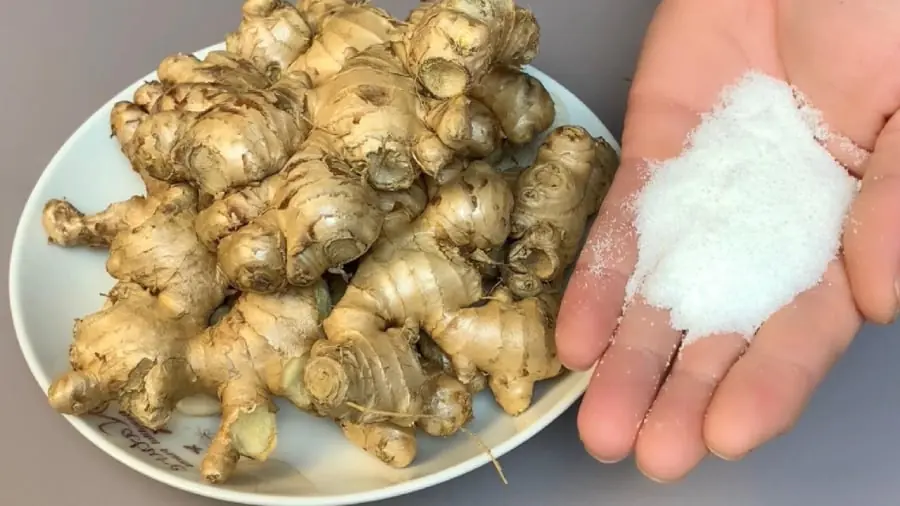
Keep your ginger fresh for months with simple methods that don’t require refrigeration or extra effort

Do You Really Need to Flush Every Time? Here’s Why It Might Not Be Ideal
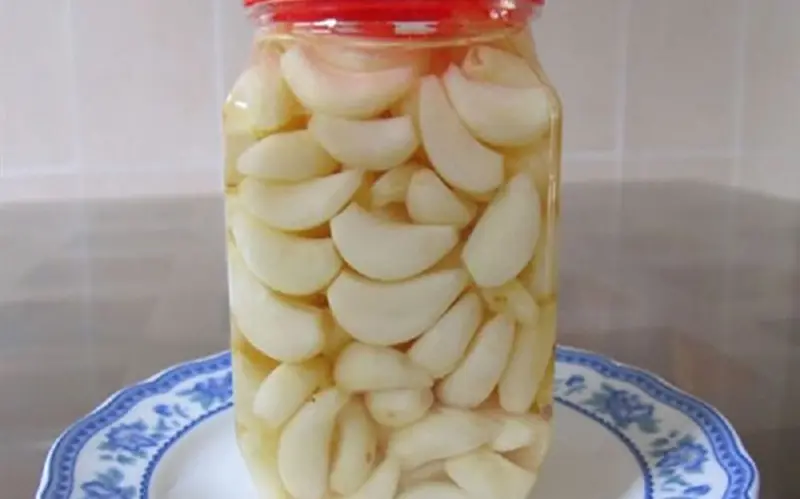
For perfectly pickled garlic, don’t skip this step - it keeps the cloves white, crisp, and long-lasting
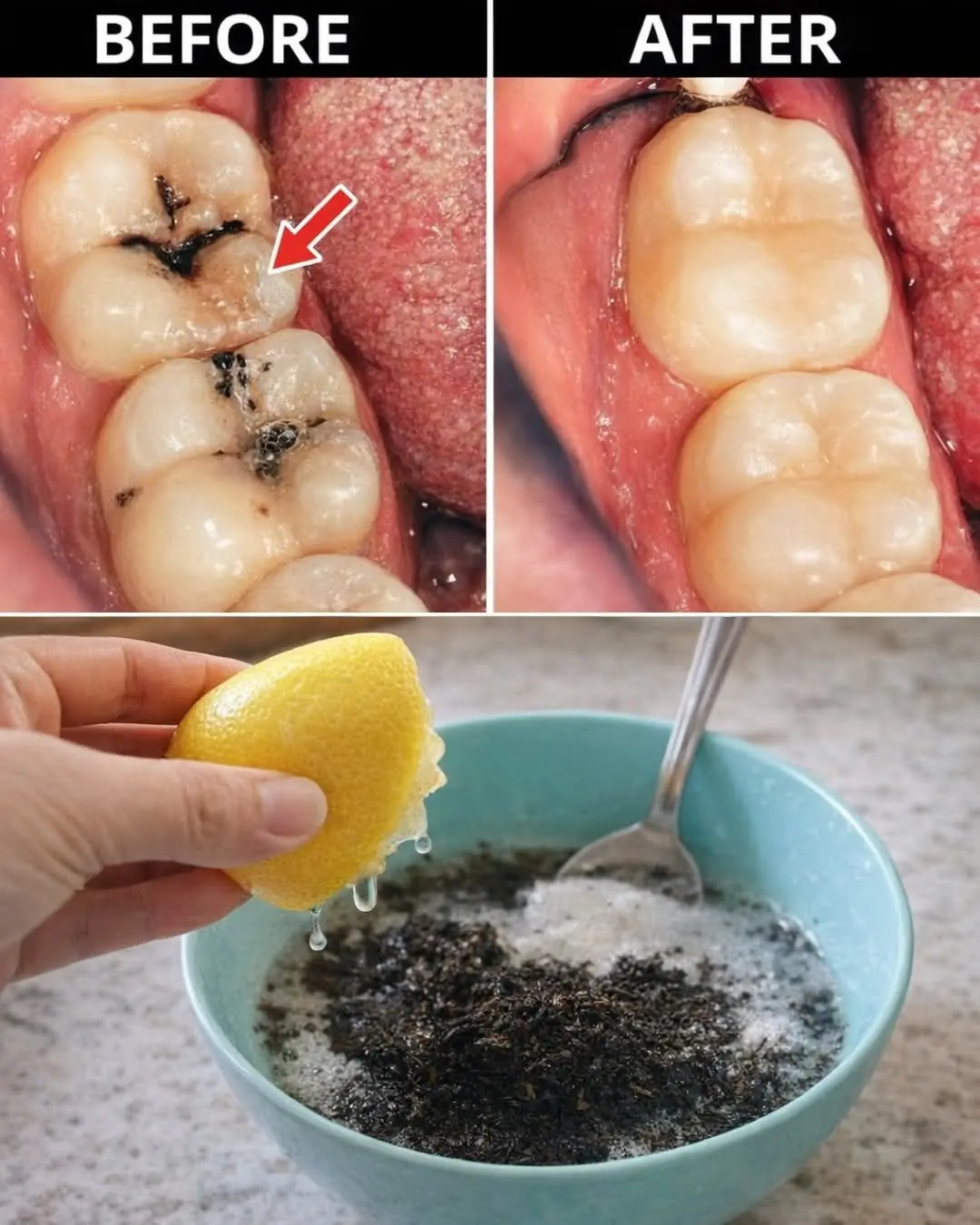
Tooth Decay Might Not Be Permanent

If a snake crawls into your home, these simple items can help drive it out fast

This Hidden Feature Changes Everything

Tired of geckos coming back? Try these easy methods to prevent their return

5 Unexpected Benefits of Using Lemon and Salt in Your Living Space

6 Warning Signs of Colon Cancer You Should Never Ignore
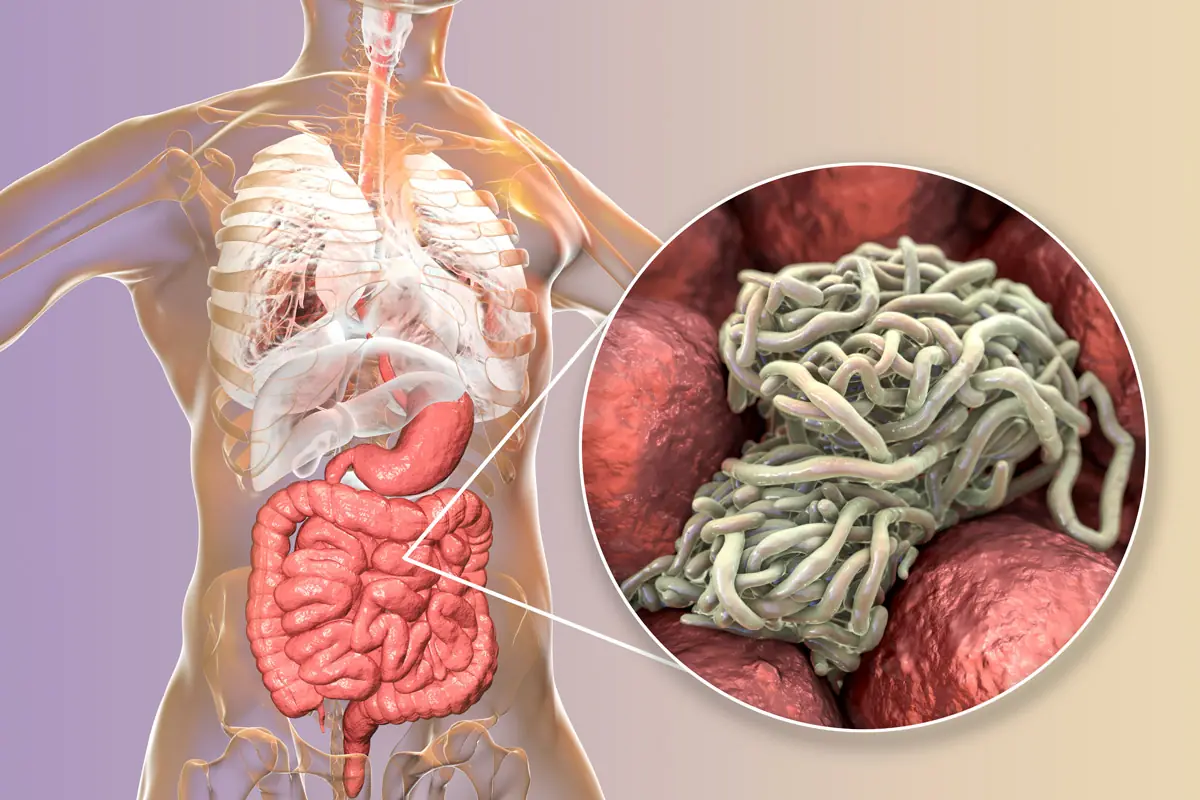
Why Your Child Is Itching More at Night—The Surprising Reason

The Soothing Secrets Dermatologists Don’t Always Mention

This Tropical Fruit Could Balance Your Blood Sugar Naturally

A Simple Cup of Tea That Could Transform Your Daily Routine

Eating Them at the Wrong Time Could Backfire

This Night Habit Could Affect Your Health

The 6 Foods That Drain Calcium From Your Body — And Make Your Bones Fragile

Throat Mucus: 6 Common Reasons You Can’t Shake It

When You Drink Coffee Could Impact Your Heart Health and Longevity

3 Cloves, Twice a Day — The Results May Shock You
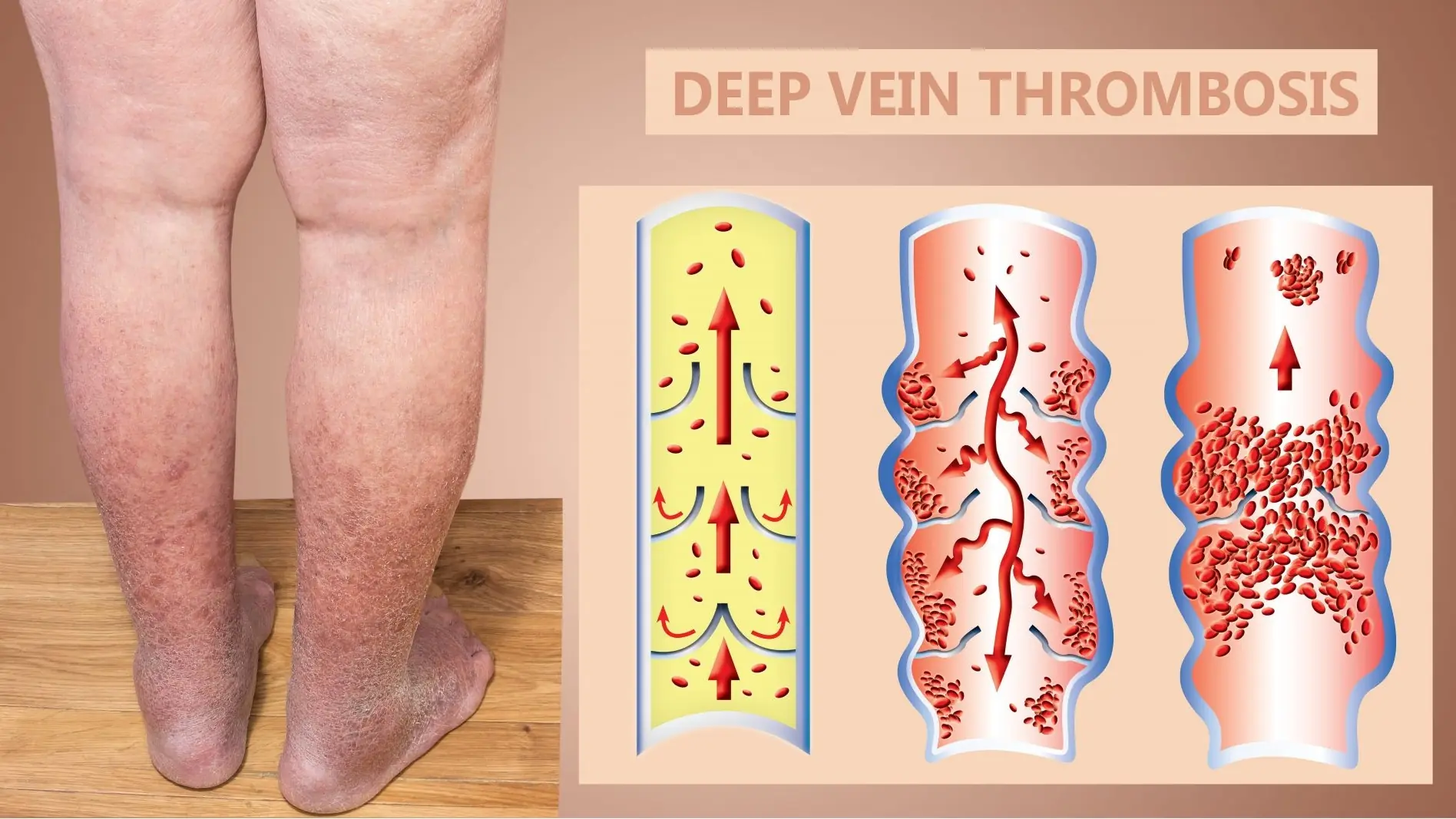
6 easy ways to improve circulation and ease cold feet.

Some vegetables may carry hidden risks if not handled properly
Doctors reveal that consuming ginger causes in
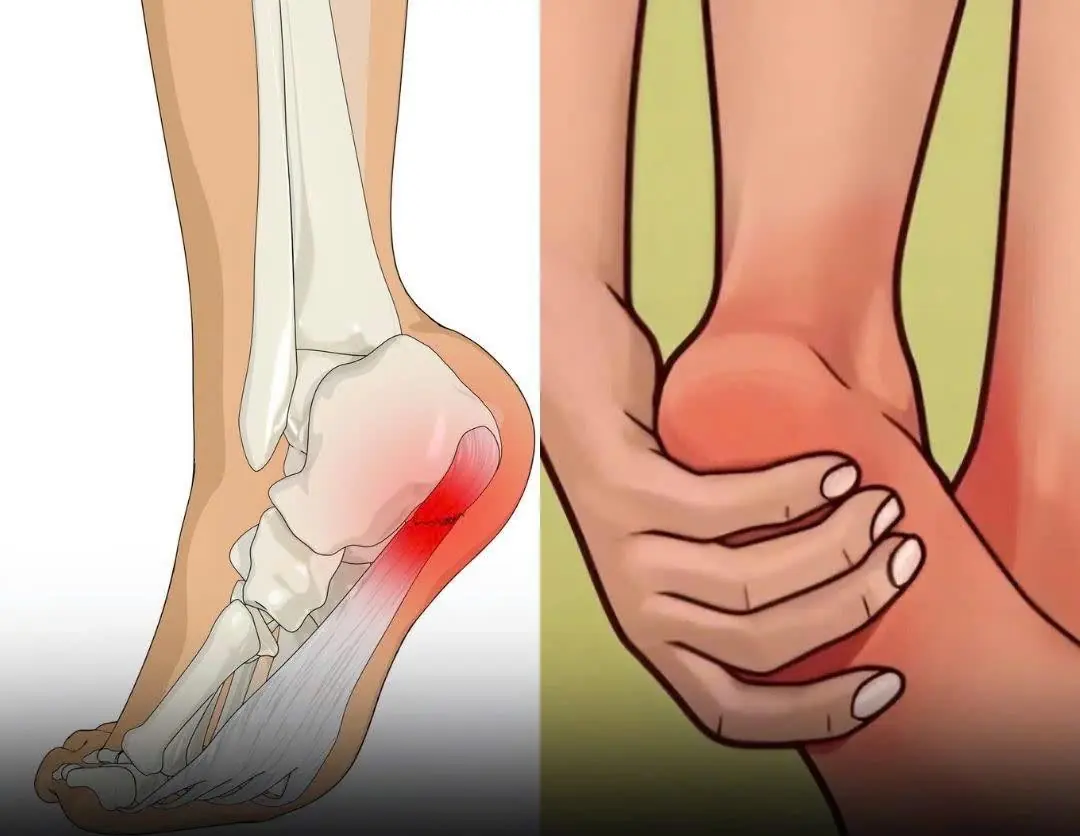
Heel Pain in the Morning? Here’s What Your Body Is Trying to Tell You

Experiencing Blurred Vision in One Eye With a Headache? Don’t Ignore These Warning Signs

Not everyone should eat oysters — are you at risk?
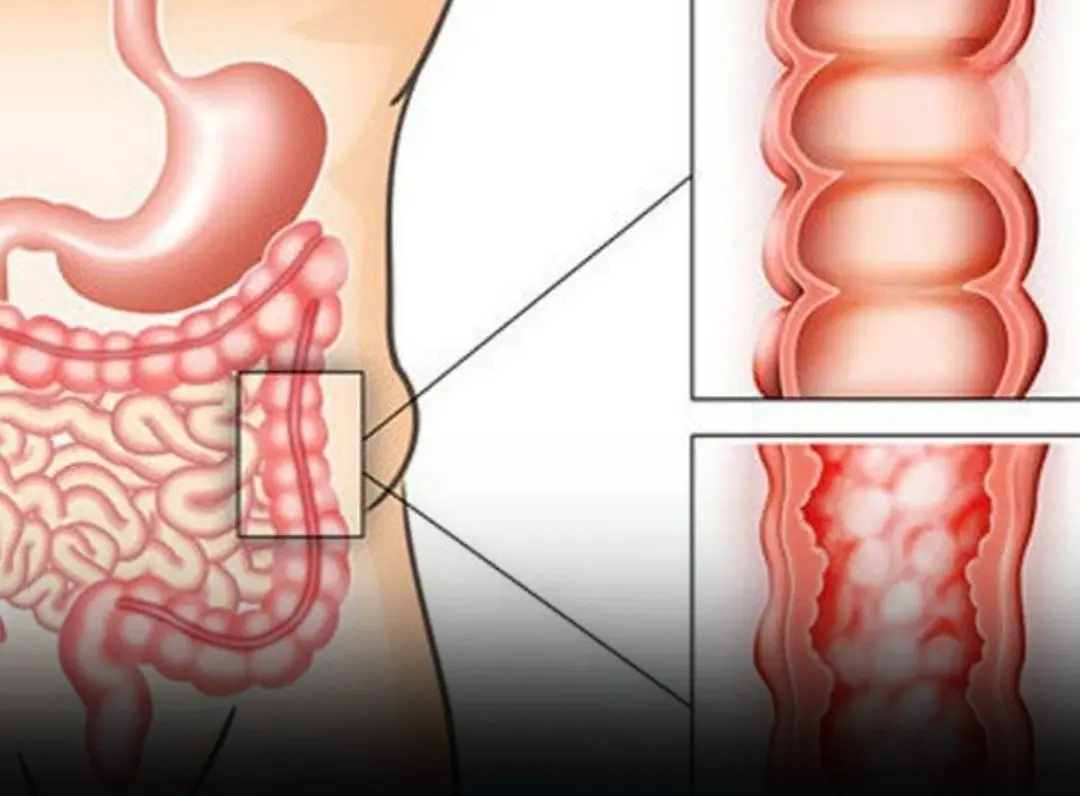
6 Subtle Signs of Stage 1 Colon Can:cer You Should Never Ignore

Surprised by the following results