For generations, people have turned to simple ingredients from the kitchen for everyday wellness. Among the combinations that continue to attract attention is ginger and vinegar.
At first, the pairing may sound unusual. Ginger is warm, spicy, and aromatic, while vinegar is sharply acidic and tangy. Yet together, they have been used in various traditional food and wellness practices, particularly as a flavorful drink, dressing, marinade, or digestive tonic.
Today, ginger-and-vinegar drinks are sometimes promoted as a natural way to support digestion, energy, circulation, metabolism, and healthy aging. Some of these ideas have a basis in research on the individual ingredients, while others are traditional beliefs that should be interpreted more cautiously.
So what actually happens when ginger and vinegar are combined?
The answer is more nuanced than the dramatic claims you may see online.
What Makes Ginger and Vinegar an Interesting Combination?
Ginger and vinegar contain very different compounds.
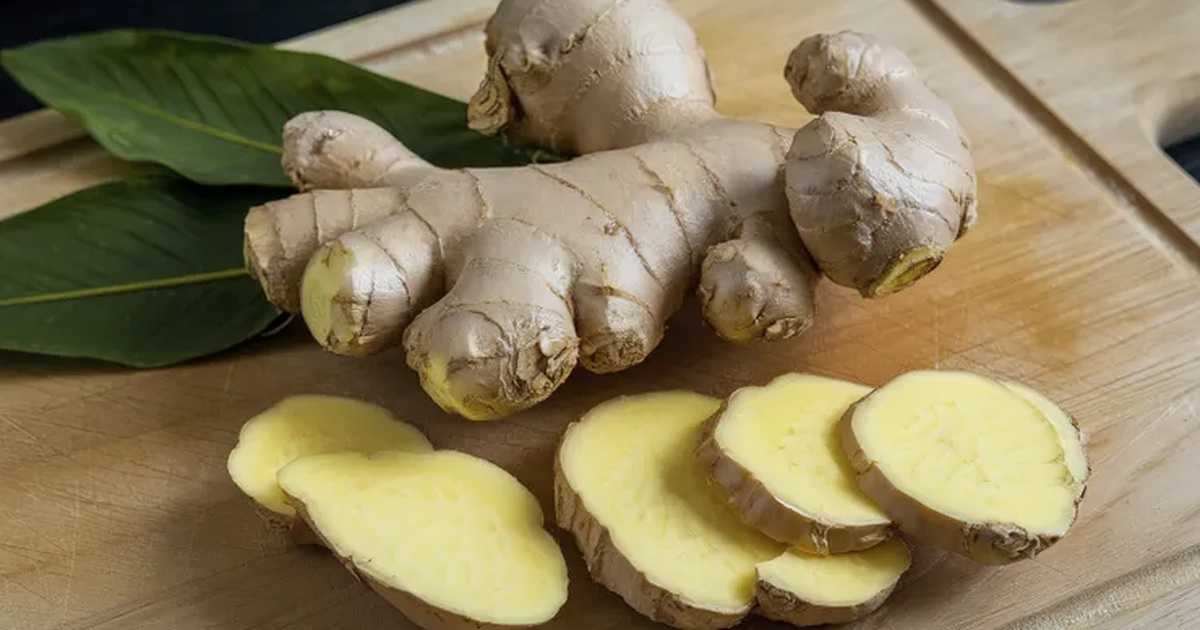
Ginger is a root traditionally used in cooking and herbal practices. Its characteristic flavor comes from compounds such as gingerols and shogaols, which have been studied for their antioxidant and anti-inflammatory properties.
Vinegar, depending on the type, contains acetic acid, the compound responsible for much of its characteristic sour taste. Vinegar has a long history as a culinary ingredient and has also been studied for possible effects on blood glucose responses and digestion.
When combined, these ingredients create a drink or food preparation that is both acidic and pungent.
But it's important to remember that research on ginger and research on vinegar does not automatically prove that the combination has the same effects.
That distinction is often lost in wellness discussions.
1. Ginger Has a Long History of Traditional Use
Ginger has been used for centuries in different culinary and traditional health practices.
One of its best-known traditional uses is for digestive discomfort and nausea.
Modern research has also investigated ginger for nausea associated with several situations, including pregnancy and certain medical treatments.
The evidence isn't identical for every condition, and ginger isn't appropriate for every person, but its long history of use is one reason it remains popular today.
Adding vinegar creates a sharp, refreshing flavor that some people find easier to consume than ginger alone.
2. Ginger May Support Digestive Comfort
One of the most common reasons people drink ginger preparations is to support digestion.
Ginger may influence gastrointestinal movement and has been studied for its potential effects on nausea and other digestive symptoms.
Some people find that ginger tea or other ginger preparations help them feel less nauseated or uncomfortable after eating.
However, individual responses vary.
A ginger-and-vinegar drink isn't a proven treatment for chronic digestive disorders, acid reflux, ulcers, or other gastrointestinal diseases.
If you regularly experience severe heartburn, abdominal pain, vomiting, difficulty swallowing, or unexplained weight loss, those symptoms deserve proper medical evaluation rather than being treated solely with a homemade tonic.
3. Vinegar Contains Acetic Acid
The primary component that makes vinegar distinctive is acetic acid.
Research has examined whether consuming vinegar alongside carbohydrate-containing meals can influence post-meal blood glucose levels.
Some studies have found modest effects, but the results depend on factors such as the amount consumed, the meal itself, and the individual.
This is an important point:
Vinegar isn't a substitute for diabetes medication or a balanced diet.
If someone has diabetes or uses medication that affects blood glucose, they shouldn't make significant dietary changes based on internet wellness claims without discussing them with their healthcare professional.
4. The Combination May Be More About the Overall Diet
There's another reason ginger and vinegar can fit into a healthy lifestyle: they can make nutritious foods more appealing.
Think about using a ginger-vinegar dressing on:
-
Leafy greens
-
Roasted vegetables
-
Cucumber
-
Carrots
-
Whole grains
-
Fish
-
Tofu
-
Beans
A flavorful dressing can make it easier to enjoy a greater variety of minimally processed foods.
In that sense, the biggest benefit may not come from a magical interaction between ginger and vinegar.
It may simply be that flavorful, nutrient-rich meals are easier to enjoy consistently.
5. Ginger Contains Antioxidant Compounds
Ginger contains naturally occurring compounds that have demonstrated antioxidant activity in laboratory research.
Antioxidants are involved in the body's systems for managing oxidative stress.
However, this is where online health articles sometimes go too far.
Finding antioxidant activity in a laboratory does not automatically mean that drinking ginger and vinegar will prevent cancer, reverse aging, or eliminate toxins from the body.
Those are much stronger claims than the evidence supports.
It's better to view ginger as one source of beneficial plant compounds within a varied diet.
6. Could Ginger and Vinegar Give You More Energy?
Some people describe ginger-and-vinegar drinks as an energy tonic.
But there is an important distinction between feeling more energized and receiving a direct energy-producing effect from the ingredients.
A small drink containing ginger and vinegar doesn't provide a substantial amount of calories or carbohydrates, so it shouldn't be considered an energy source in the same way as food.
However, if someone replaces a sugary beverage with a lightly prepared ginger-and-vinegar drink, they may reduce their intake of added sugars.
That dietary change could be beneficial over time.
Feeling more energetic can also be influenced by hydration, sleep, physical activity, overall nutrition, stress, and many other factors.
7. What About Healthy Aging?
The phrase “longevity drink” is often attached to traditional mixtures like ginger and vinegar.
The reality is considerably less dramatic.
There is no strong evidence that drinking ginger and vinegar can extend human lifespan by itself.
Healthy aging is influenced by a huge range of factors, including:
Genetics
Physical activity
Dietary pattern
Blood pressure
Cholesterol
Smoking
Alcohol consumption
Sleep
Social connection
Access to healthcare
Management of chronic conditions
A single drink cannot replace these fundamentals.
Still, ginger and vinegar can be included as part of an overall dietary pattern that emphasizes vegetables, fruits, whole grains, legumes, nuts, seeds, and appropriate protein sources.
That's a much more realistic way to think about their role in healthy aging.
8. Vinegar May Help Add Flavor Without Many Calories
Vinegar can be especially useful for people trying to make meals more flavorful without relying heavily on butter, creamy sauces, or large amounts of added sugar.
A small amount of vinegar can add acidity and brightness to a meal.
Ginger adds warmth and aroma.
Together, they can create a flavorful dressing or marinade with relatively few calories.
This may seem like a small advantage, but small dietary choices can add up when repeated consistently.
9. Ginger May Help With Nausea
This is one of the better-known potential uses of ginger.
Research has investigated ginger for several types of nausea, although effectiveness varies depending on the cause and circumstances.
For some people, ginger-containing foods or beverages may be soothing.
However, if nausea is severe, persistent, or accompanied by other concerning symptoms, it shouldn't simply be treated with ginger indefinitely.
Persistent nausea can have many possible causes, including medication effects, gastrointestinal conditions, infections, pregnancy, metabolic problems, and other medical issues.
10. The Drink Isn't Suitable for Everyone
Despite its natural ingredients, a ginger-and-vinegar drink isn't automatically appropriate for everyone.
Both ingredients can cause discomfort in some people.
Because vinegar is acidic, consuming it undiluted or in large amounts may irritate the mouth, throat, or stomach.
Frequent exposure to acidic drinks can also contribute to dental enamel erosion.
Ginger can cause heartburn or gastrointestinal discomfort in some individuals, particularly when consumed in large amounts.
If you have a sensitive stomach or a history of reflux, a highly acidic ginger drink may actually make your symptoms worse.
Be Careful With Undiluted Vinegar
This is particularly important.
Vinegar should not be consumed straight in concentrated amounts.
Its acidity can irritate tissues and contribute to dental erosion.
If you're using vinegar as part of a drink, it is generally more sensible to dilute it substantially with water and avoid sipping acidic beverages continuously throughout the day.
Using a straw may reduce contact with teeth, although it doesn't eliminate the effects of acidity.
Rinsing your mouth with plain water afterward can also help reduce prolonged acid exposure.
Avoid brushing your teeth immediately after consuming an acidic beverage, because enamel can temporarily be more vulnerable to abrasion.
What Kind of Vinegar Should You Use?
There are many varieties of vinegar, including:
-
Apple cider vinegar
-
Rice vinegar
-
White vinegar
-
Red wine vinegar
-
Balsamic vinegar
-
Other flavored or fermented vinegars
Different vinegars have different flavors and nutritional profiles.
Apple cider vinegar receives the most attention in wellness culture, but that doesn't mean it is inherently a miracle ingredient.
For everyday cooking, the best choice is often simply the vinegar you enjoy and can use appropriately.
You don't need an expensive specialty vinegar to create a healthy meal.
What Kind of Ginger Is Best?
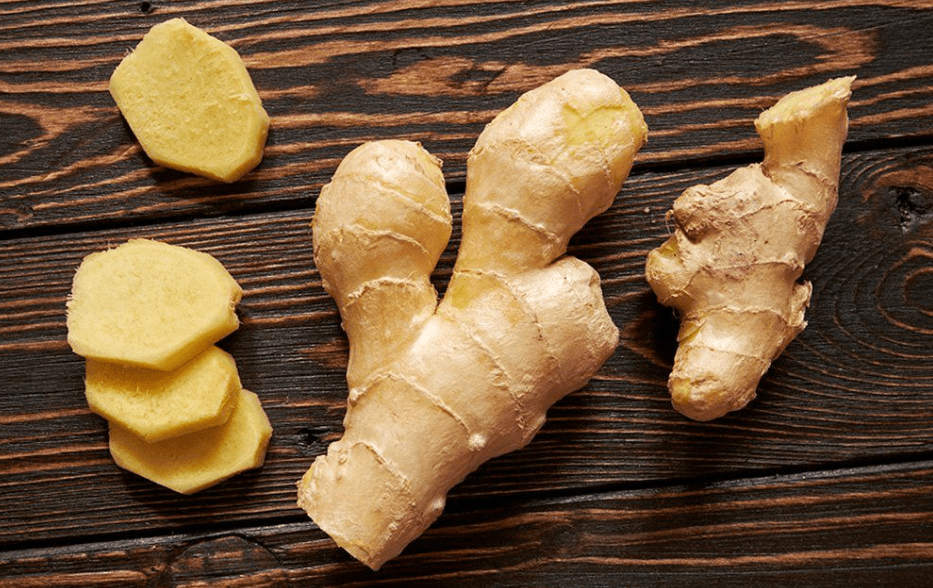
You can use fresh ginger, powdered ginger, or other culinary preparations.
Fresh ginger provides a bright, spicy flavor.
Powdered ginger is convenient and easy to store.
The amount of active compounds can vary depending on the form, processing, storage, and preparation.
There is no universal "best" form for everyone.
If you're using ginger primarily for cooking, fresh or dried ginger can both be useful additions to meals.
A Simple Way to Prepare It
If you want to try a ginger-and-vinegar drink, keep the preparation mild rather than making it extremely concentrated.
One simple approach is to combine:
Warm or room-temperature water + a small amount of fresh ginger + a modest amount of diluted vinegar.
You can add lemon or a small amount of honey for flavor if appropriate for your dietary needs.
There's no need to make the drink extremely sour or spicy.
More isn't necessarily better.
In fact, concentrating the ingredients can increase the likelihood of stomach irritation and dental exposure to acid without providing a proven additional benefit.
When Is the Best Time to Drink It?
There's no universally established "perfect time."
Some people prefer it before a meal.
Others drink it with food or afterward.
If vinegar tends to cause heartburn or stomach irritation for you, consuming it on an empty stomach may be uncomfortable.
There's also no convincing evidence that drinking it at a particular hour will dramatically increase metabolism or extend lifespan.
Instead, choose a time that is comfortable for your body.
Can It Help With Weight Loss?
This is another area where claims can become exaggerated.
Vinegar has been investigated for possible effects on appetite, blood glucose, and body weight, but any effects appear to be modest and shouldn't be treated as a shortcut to weight loss.
Ginger has also been studied in relation to metabolism and appetite, but evidence does not support treating ginger as a standalone weight-loss solution.
If a ginger-and-vinegar drink replaces a high-calorie sugary beverage, that substitution could contribute to a healthier calorie balance.
But the drink itself isn't a fat-burning formula.
There is no magic combination that overrides overall energy intake, food quality, physical activity, sleep, and other factors.
Don't Confuse Traditional Use With Medical Treatment
Traditional wellness practices can be interesting and culturally valuable.
But traditional use and modern clinical evidence are not the same thing.
A drink may have been used for generations because people found it soothing or enjoyable.
That doesn't automatically establish that it can treat a disease.
The same principle applies to ginger and vinegar.
They can be nutritious culinary ingredients, and certain effects have been studied scientifically, but they shouldn't replace evidence-based treatment for medical conditions.
Who Should Be Especially Careful?
People taking certain medications or managing specific health conditions should be cautious with concentrated vinegar or ginger preparations.
For example, people taking medications that affect blood glucose or blood clotting may want to discuss regular high-dose use of these ingredients with a healthcare professional.
People with significant reflux or stomach irritation may also find acidic drinks uncomfortable.
And anyone with a chronic medical condition should avoid assuming that a "natural" drink is automatically risk-free.
Natural doesn't mean universally harmless.
The Bigger Picture: Healthy Habits Matter More
It's easy to become fascinated by traditional drinks because they offer the promise of a simple solution.
But health doesn't usually work that way.
If you want to support long-term wellness, the fundamentals matter far more:
Eat a varied diet.
Stay physically active.
Get adequate sleep.
Don't smoke.
Maintain healthy blood pressure and cholesterol when possible.
Drink enough fluids.
Manage chronic conditions appropriately.
Stay connected with other people.
Have regular medical checkups when appropriate.
A ginger-and-vinegar drink can fit into this lifestyle, but it doesn't need to carry the entire burden of your health.

Final Thoughts
The combination of ginger and vinegar has an interesting place between traditional wellness practices and modern nutrition research.
Ginger contains compounds such as gingerols that have been studied for their biological effects and potential role in nausea and digestive comfort. Vinegar provides acetic acid and has been investigated for modest effects on post-meal blood glucose and other metabolic measures.
Together, they can make a refreshing, flavorful addition to a balanced diet.
But it's important to keep expectations realistic.
There is no good evidence that ginger and vinegar are a miracle cure, a guaranteed energy booster, or a proven longevity formula.
Their greatest value may be much simpler: they're flavorful, versatile ingredients that can encourage people to prepare and enjoy nutritious foods.
If you enjoy the combination, use it sensibly—preferably diluted, in moderate amounts, and as part of an overall healthy eating pattern.
And remember: when it comes to long-term health, consistency beats hype. A simple drink can be part of a healthy routine, but the everyday choices you make across your entire lifestyle matter much more than any single wellness recipe.