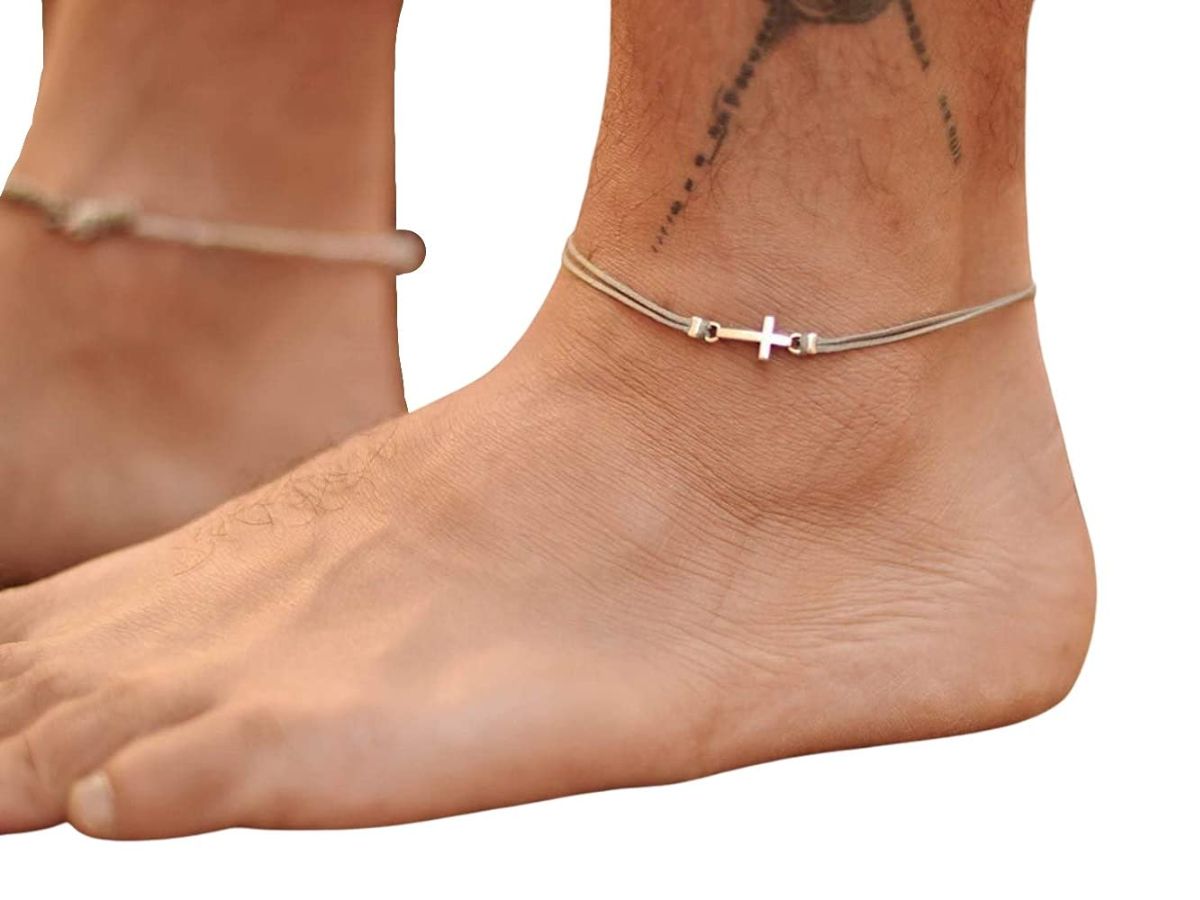
Ankle bracelets, also known as anklets, may seem like simple fashion accessories at first glance. However, beneath their delicate appearance lies a rich tapestry of cultural history, personal expression, and even subtle symbolism that many people overlook. While today they are often worn for style, the deeper meanings behind ankle bracelets reveal a fascinating blend of tradition, identity, and unspoken communication.
A Brief Look at the Origins of Anklets

Anklets are far from a modern trend. They date back thousands of years and have appeared in various civilizations, including ancient Egypt, India, and the Middle East.
- In ancient Egypt, anklets were worn by women of different social classes, often indicating wealth and status depending on the material.
- In India, anklets—commonly called payal—hold cultural and symbolic value, especially in weddings and traditional ceremonies.
- In other cultures, anklets were believed to carry protective or spiritual significance.
These historical roots show that anklets have always been more than just decorative items.
Symbol of Femininity and Elegance
In many societies, ankle bracelets are associated with femininity, grace, and beauty. The subtle movement of an anklet draws attention to the feet and the rhythm of walking, often enhancing a person’s overall presence.
For some, wearing an anklet is a way to embrace softness and elegance without being overly bold. It’s a quiet form of self-expression—noticeable, yet understated.
A Sign of Freedom and Individuality

In modern fashion, anklets are often linked to a sense of freedom and personal style. Unlike more traditional jewelry pieces like rings or necklaces, anklets feel less formal and more relaxed.
People who wear anklets may be expressing:
- A carefree, adventurous personality
- A love for travel or beach culture
- A preference for subtle, unique accessories
In this sense, anklets can represent independence and a break from convention.
Cultural and Traditional Meanings
In certain cultures, anklets carry specific meanings:
- In Indian tradition, married women often wear anklets as part of their daily adornment
- In some Middle Eastern cultures, anklets have been associated with femininity and charm
- In other contexts, anklets were believed to ward off negative energy or bring good luck
These meanings vary widely depending on the region and cultural background, which makes anklets a deeply symbolic piece of jewelry.
Does the Side Matter? Left vs. Right Anklet
One of the most talked-about (and often misunderstood) aspects of anklets is the idea that wearing them on a specific ankle carries a hidden message.
Some interpretations suggest:
- Left ankle: Traditionally linked to protection or being in a relationship
- Right ankle: Sometimes associated with independence or being single
However, it’s important to understand that these meanings are not universal or widely recognized. In most modern contexts, people choose the side simply based on comfort or style.
Personal Meaning and Emotional Value
For many people, anklets hold personal significance rather than cultural or symbolic meaning.
An anklet might represent:
- A gift from someone special
- A memory from a trip or milestone
- A personal reminder of confidence or self-love
In this way, the true meaning of an anklet is often known only to the person wearing it.
Modern Fashion vs. Hidden Messages
Today, anklets are primarily seen as fashion accessories. Social media and fashion trends have helped popularize them as part of everyday outfits, especially during warmer seasons.
Despite the myths and rumors about “secret meanings,” most people wear anklets simply because they:
- Look stylish
- Complement outfits
- Add a unique touch to their appearance
The idea of hidden messages still exists, but it’s largely exaggerated in modern culture.
Common Misconceptions
- “Anklets always signal relationship status”
→ This is not a reliable or widely accepted interpretation - “There is one universal meaning”
→ Meanings vary greatly across cultures and individuals - “Wearing an anklet sends a message to others”
→ In most cases, it’s purely personal or aesthetic
Final Thoughts
Ankle bracelets may look like small, simple accessories, but they carry layers of meaning shaped by history, culture, and personal expression. While some interpretations suggest hidden messages, the reality is far more nuanced.
For most people today, wearing an anklet is about style, comfort, and individuality. Yet, for others, it can hold deeper emotional or cultural significance.
Ultimately, the meaning of an anklet isn’t defined by rules or assumptions - it’s defined by the person who chooses to wear it.