A 2017 review evaluated more than 300 studies examining factors that lead to inaccurate blood pressure (BP) measurements.1 Of the studies evaluated, six found that talking during a BP measurement led to a "significant" increase in blood pressure, compared to not talking during the measurement.
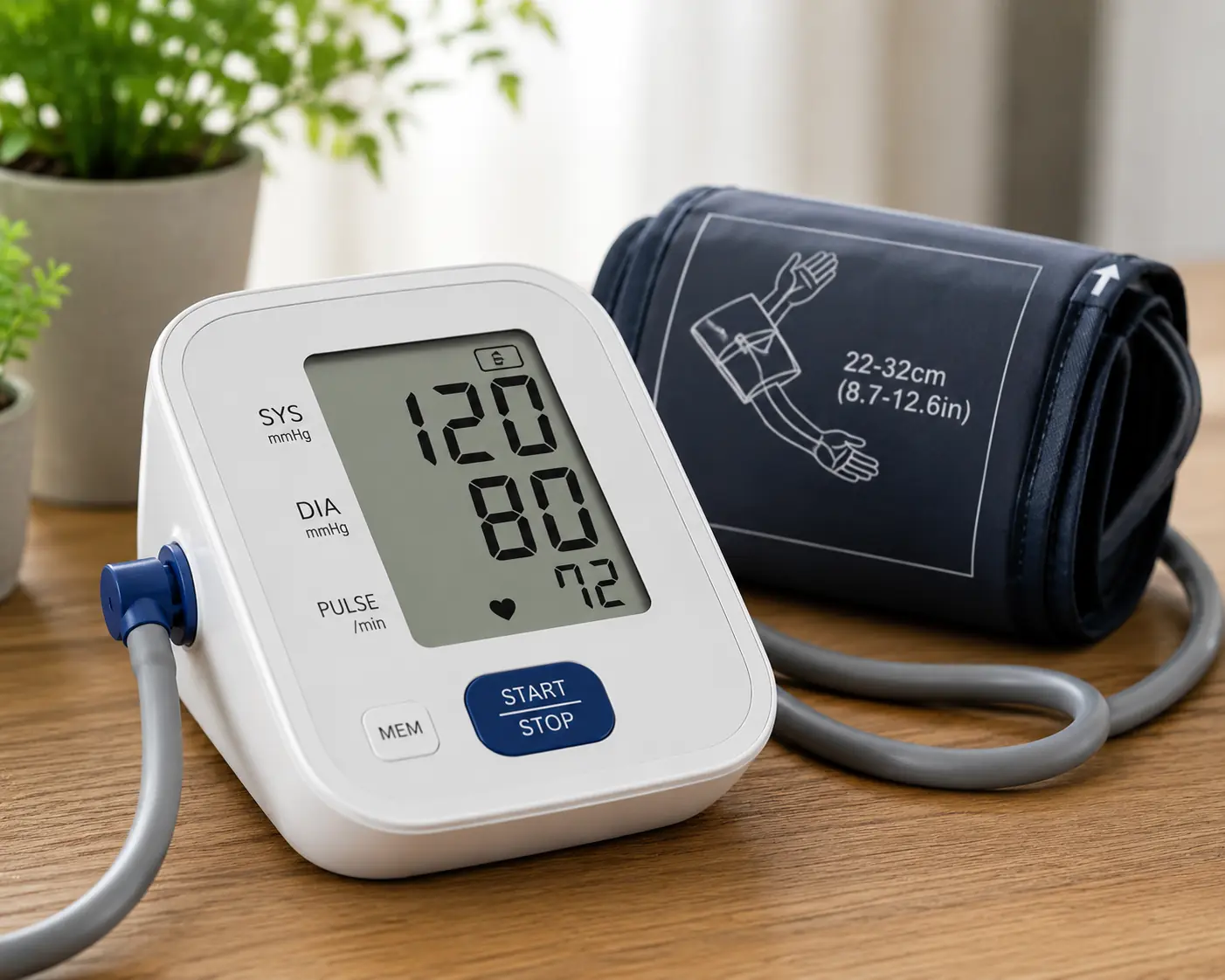
The results of the above-mentioned six studies found the following:
Systolic blood pressure (the top/first number): Depending on the study, an increase in systolic blood pressure of 4 millimeters of mercury (mmHg) to 19 mmHg occurred as a result of talking.
Diastolic blood pressure (the bottom/second number): Depending on the study, an increase in diastolic blood pressure of 5mmHg to 14.3 mmHg occurred as a result of talking.
According to the study investigators, the wide range of blood pressure elevation found with talking, especially systolic blood pressure, can likely be explained by differences in study design, particularly in the verbal content.
For example, depending on the specific study, "talking" during the BP measurement may have involved counting out loud, reading neutral material aloud, discussing stress (emotional content), or speaking in a relaxed (casual content) manner.
Regardless, the bottom line is that in all six studies, any form of talking led to a temporary rise in blood pressure and, thereby, an inaccurate BP reading.
How Does Talking Make Your BP Go Up?
Experts believe that talking stimulates certain regions of your brain.2 Once stimulated, these brain regions require extra blood flow, causing a transient spike in blood pressure and heart rate.
Talking has also been found to activate your sympathetic nervous system, leading to the release of the hormone adrenaline, which also increases blood pressure.

What Additional Factors Can Skew Blood Pressure Readings?
Besides talking, several other factors can lead to inaccurate blood pressure readings. Depending on the factor, the increase in BP can be as high as 33 mmHg, and the decrease can be as much as 24 mmHg.5
These inaccurate BP readings may lead to a wrong or missed diagnosis of high blood pressure (hypertension) or possibly harmful changes in treatment plans.6
Factors that research has consistently found to potentially influence the accuracy and reliability of a BP measurement include the following.78
Procedure-related factors:
Not having a rest period before a BP reading.
Back not supported (e.g., sitting or lying on an examining table) during a BP read.
Feet not planted on the floor (e.g., dangling or crossed legs) during a BP read.
Not having the arm supported on a table or desk (e.g., resting on the person's lap or at their side) during a BP read.
Placing the cuff on top of clothing and/or below the level of the heart.
Using the wrong cuff size.
Not waiting a full one to two minutes in between BP measurements, or taking only one measurement.
 Patient-related factors:
Exercising, consuming alcohol or caffeine, or smoking within 30 minutes of a BP measurement.
Having a full bladder during a BP measurement.
Talking during the rest period or during the BP measurement.
White-coat effect, which is when an individual's blood pressure temporarily spikes whenever they are in a medical setting, such as a doctor's office or hospital.9
Equipment-related factors: Not using a validated or calibrated BP measurement device.