Common Reasons You Get Mucus in Your Throat
Having mucus in your throat can be uncomfortable and frustrating. It often causes a constant need to clear your throat, a tickling sensation, or even a cough. While mucus is a normal part of your body’s defense system, excessive or persistent mucus may indicate underlying issues. Here are the most common reasons why you might be experiencing it:
1. Postnasal Drip

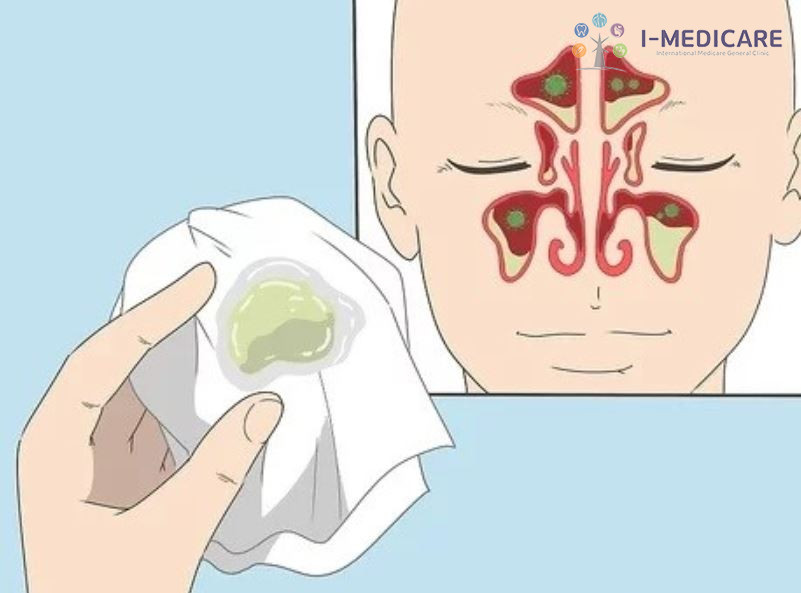
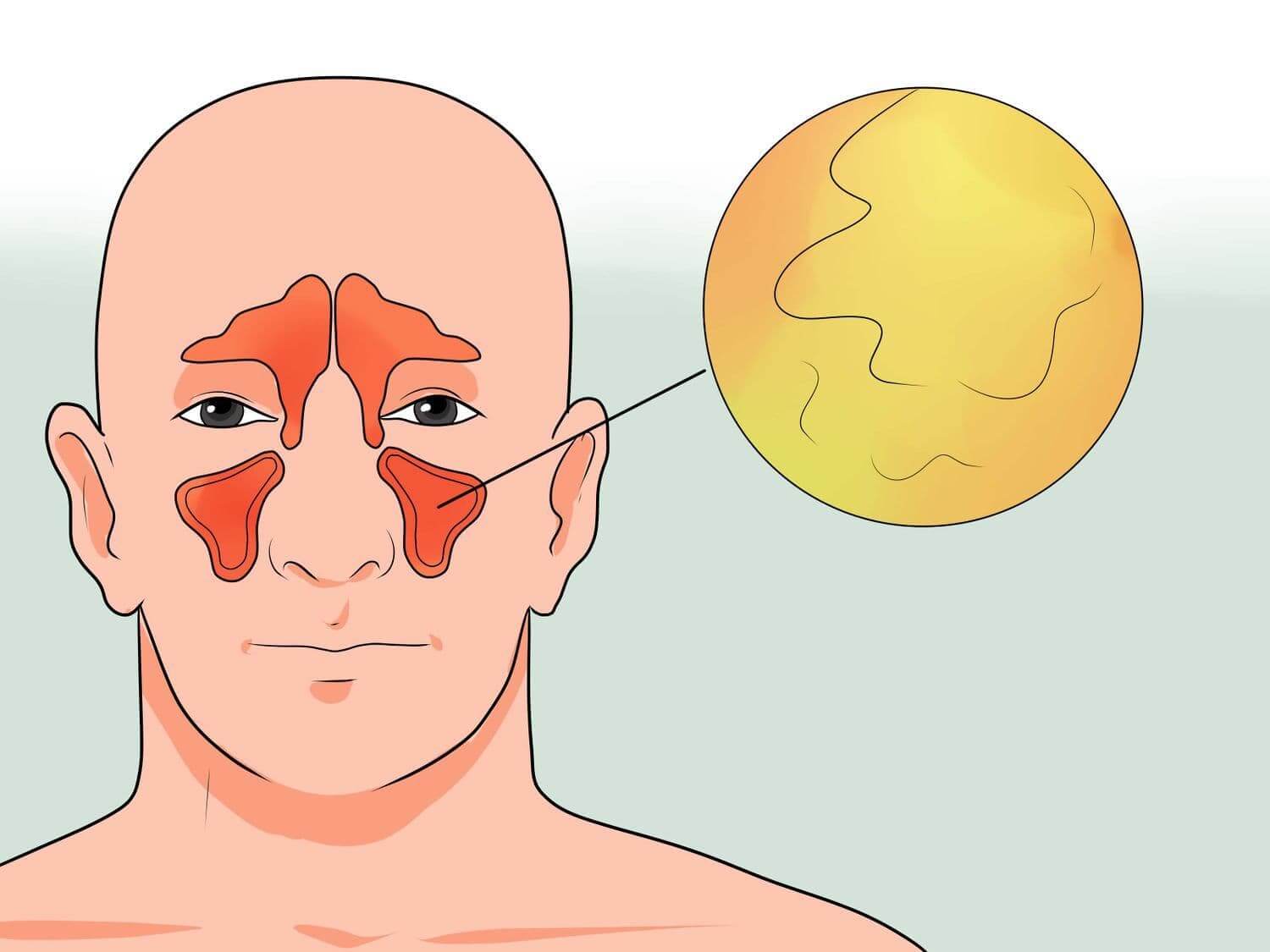
One of the leading causes of throat mucus is postnasal drip. This occurs when excess mucus from your nose or sinuses drips down the back of your throat, often due to allergies, colds, or sinus infections.
2. Allergies
Seasonal or environmental allergies can trigger your body to produce more mucus as it tries to flush out allergens like pollen, dust, or pet dander.
3. Cold or Flu
Viral infections such as the common cold or flu often cause increased mucus production. The mucus may be clear, yellow, or green depending on the stage of infection.
4. Smoking or Air Pollution
Cigarette smoke and environmental pollutants irritate the lining of your respiratory tract, causing it to produce extra mucus as a protective measure.
5. Gastroesophageal Reflux (GERD)
Acid reflux can cause stomach acid to reach your throat, leading to irritation and excessive mucus production. People with GERD often feel a lump in their throat or frequent throat clearing.
6. Dehydration
When your body is dehydrated, mucus becomes thicker and stickier, making it harder to swallow and causing that “mucus in the throat” sensation.
7. Certain Foods or Medications
Dairy products, spicy foods, or medications that dry out your throat can increase mucus production or make it more noticeable.
Tips to Reduce Throat Mucus
- Stay hydrated by drinking plenty of water.
- Use a humidifier to keep your airways moist.
- Avoid irritants like smoke and strong chemicals.
- Treat allergies or acid reflux under the guidance of a doctor.
- Gargle with warm salt water to soothe irritation.
Mucus in the throat is usually harmless, but if it’s persistent, accompanied by pain, fever, or blood, consult a healthcare professional to rule out more serious conditions.