When Your Legs Are Crying for Help: 5 Important Things to Watch For
5 Important Signs Your Legs May Be Trying to Tell You Something
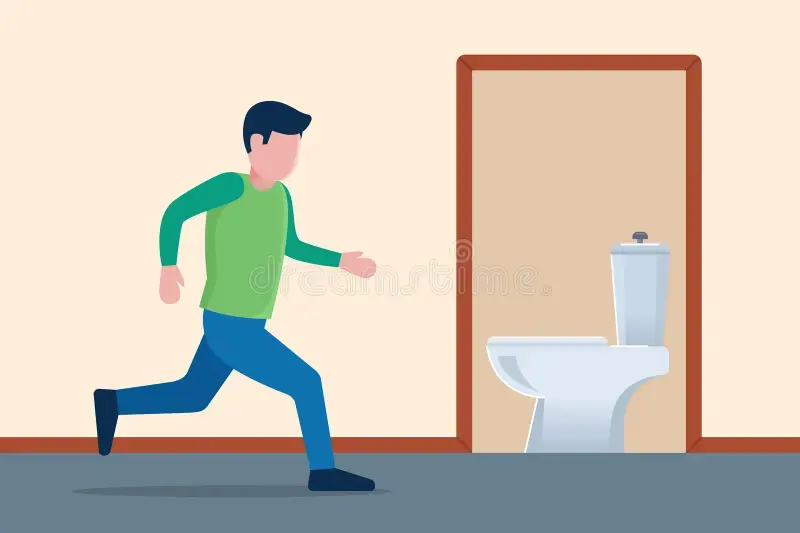
Many people experience an urgent need to use the bathroom shortly after eating, sometimes within minutes of finishing a meal. While this can feel alarming or inconvenient, doctors explain that it is often linked to a natural digestive response. However, in some cases, it may also point to an underlying digestive issue that shouldn’t be ignored.
Understanding why this happens can help you decide when it’s normal — and when it may be time to pay closer attention to your gut health.
In most cases, the sudden urge to poop after eating is caused by a natural bodily mechanism known as the gastrocolic reflex. When food enters the stomach, the stomach stretches. This triggers signals to the colon, telling it to start contracting and moving existing waste forward to make room for new food.
This reflex helps regulate digestion and bowel movements. It does not mean that the food you just ate is passing straight through your system. Instead, it’s your body clearing out what was already there.
For many people, this reflex is mild and barely noticeable. For others, it can feel strong and urgent.
Everyone has a gastrocolic reflex, but its intensity varies. Some individuals have a more sensitive digestive system, which makes the reflex stronger and faster.
People with irritable bowel syndrome (IBS) often experience an exaggerated gastrocolic reflex. Their intestines may be more reactive to stretching and nerve signals, leading to cramping, urgency, or loose stools after meals.
Stress and anxiety can also amplify gut activity. Because the brain and digestive system are closely connected, emotional tension can trigger stronger bowel contractions after eating.

Certain factors can make the need to poop after eating more noticeable, including:
Large meals that stretch the stomach more than usual
High-fat or greasy foods
Caffeinated drinks like coffee or energy drinks
Alcohol
Food intolerances, such as lactose or certain carbohydrates
Spicy or heavily processed foods
These triggers don’t always signal a medical problem, but frequent reactions may indicate food sensitivity or digestive imbalance.

While post-meal bowel movements are often normal, doctors advise paying attention if the pattern is frequent, sudden, or disruptive, especially when combined with other symptoms.
You should consider medical advice if you experience:
Diarrhea after most meals
Abdominal pain, cramping, or bloating
Urgent bowel movements that are hard to control
Unexplained weight loss
Symptoms that persist for several weeks
In these cases, the issue may be related to IBS, food intolerance, malabsorption, inflammation, or another gastrointestinal condition that needs evaluation.

If needing to poop immediately after eating interferes with daily life, several strategies may help:
Eat smaller, more frequent meals instead of large ones
Identify and limit trigger foods
Reduce fatty, fried, and highly processed foods
Manage stress through relaxation techniques
Keep a food and symptom diary to spot patterns
These steps can often reduce the intensity of the gastrocolic reflex and improve digestive comfort.
Needing to poop shortly after eating is usually caused by the gastrocolic reflex — a normal part of digestion. For most people, it’s harmless. However, if the urge is strong, frequent, or accompanied by pain or diarrhea, it may be your body signaling a deeper digestive issue.
Listening to your symptoms and seeking medical guidance when needed can help protect your gut health and prevent long-term problems.

5 Important Signs Your Legs May Be Trying to Tell You Something

The rising number of thyroid nodules has doctors advising people to cut back on this particular food

Signs Your Spleen Isn’t Functioning Properly — What to Look For

If You Notice This Change in Your Feet, Your Fat:ty Liver May Be Beyond Repair

Bladder cancer is a type of cancer that occurs when cells in the bladder grow abnormally. The most common symptom is blood in the urine, which can be painless.

And that kind of peace? It starts with one deep, clear breath.

10 Essential Foods That Can Help Support Stroke Prevention

Did you know that the shape of your legs could say something about your personality? While it's not scientifically proven, the idea that physical traits can be linked to behavioral tendencies has intrigued many. In particular, the alignment of the legs, o

Cervical cancer doesn’t just come from genetics or lifestyle — sometimes, it’s fueled by a husband’s hidden habits. These three common behaviors may seem harmless, but they silently put wives at serious risk if not stopped in time.

Sweet potatoes are root vegetables that have been cultivated for thousands of years. These starchy tubers belong to the Convolvulaceae family and it is thought that they originated in South and Central America.

Sweet potato fans, don’t miss this - it’s never too late to learn!

Why You Might Wake Up Between 3 and 5 AM Every Night - And What It Could Mean

When it comes to cancer prevention, most of us focus on maintaining a healthy diet and avoiding processed foods.

Tinnitus is a condition characterized by the perception of sound without any external source. People often describe it as ringing, buzzing, roaring, hissing, or whistling in one or both ears. This phantom sound can vary in intensity and frequency and may

Woman Suffers Sudden Kidney Failure After Dinner: Doctor Warns, "This Vegetable Can Be Tox.ic - Stop Eating It!"

7 signs of healthy kidneys - check how many apply to you!

Starting the morning with a warm cup of ginger and red date tea is a cherished wellness ritual in many Asian cultures.

Tiny vegetable, massive health benefits — why experts call it the ‘king of anti-can.cer foods

Your blood flow depends on what you eat—don’t ignore this

5 Important Signs Your Legs May Be Trying to Tell You Something

The rising number of thyroid nodules has doctors advising people to cut back on this particular food

Signs Your Spleen Isn’t Functioning Properly — What to Look For

Ever Wonder Why Your Dog Stares at You? The Real Meaning Behind It

If You Notice This Change in Your Feet, Your Fat:ty Liver May Be Beyond Repair

Bladder cancer is a type of cancer that occurs when cells in the bladder grow abnormally. The most common symptom is blood in the urine, which can be painless.

And that kind of peace? It starts with one deep, clear breath.

10 Essential Foods That Can Help Support Stroke Prevention

Did you know that the shape of your legs could say something about your personality? While it's not scientifically proven, the idea that physical traits can be linked to behavioral tendencies has intrigued many. In particular, the alignment of the legs, o

Cervical cancer doesn’t just come from genetics or lifestyle — sometimes, it’s fueled by a husband’s hidden habits. These three common behaviors may seem harmless, but they silently put wives at serious risk if not stopped in time.

Sweet potatoes are root vegetables that have been cultivated for thousands of years. These starchy tubers belong to the Convolvulaceae family and it is thought that they originated in South and Central America.

Sweet potato fans, don’t miss this - it’s never too late to learn!

Why You Might Wake Up Between 3 and 5 AM Every Night - And What It Could Mean

When it comes to cancer prevention, most of us focus on maintaining a healthy diet and avoiding processed foods.

Tinnitus is a condition characterized by the perception of sound without any external source. People often describe it as ringing, buzzing, roaring, hissing, or whistling in one or both ears. This phantom sound can vary in intensity and frequency and may

Woman Suffers Sudden Kidney Failure After Dinner: Doctor Warns, "This Vegetable Can Be Tox.ic - Stop Eating It!"

7 signs of healthy kidneys - check how many apply to you!

A stroke occurs without warning. It happens “when blood flow to the brain stops, and brain cells in the area begin to die,” as per Healthline.

Doctors Explain What Really Happens When You Eat Eggs Regularly