Instead of pulling it out, it may be time to let purslane thrive. Below are eight compelling reasons why purslane deserves a permanent place in your garden.
1. One of the Most Nutrient-Dense Plants on Earth
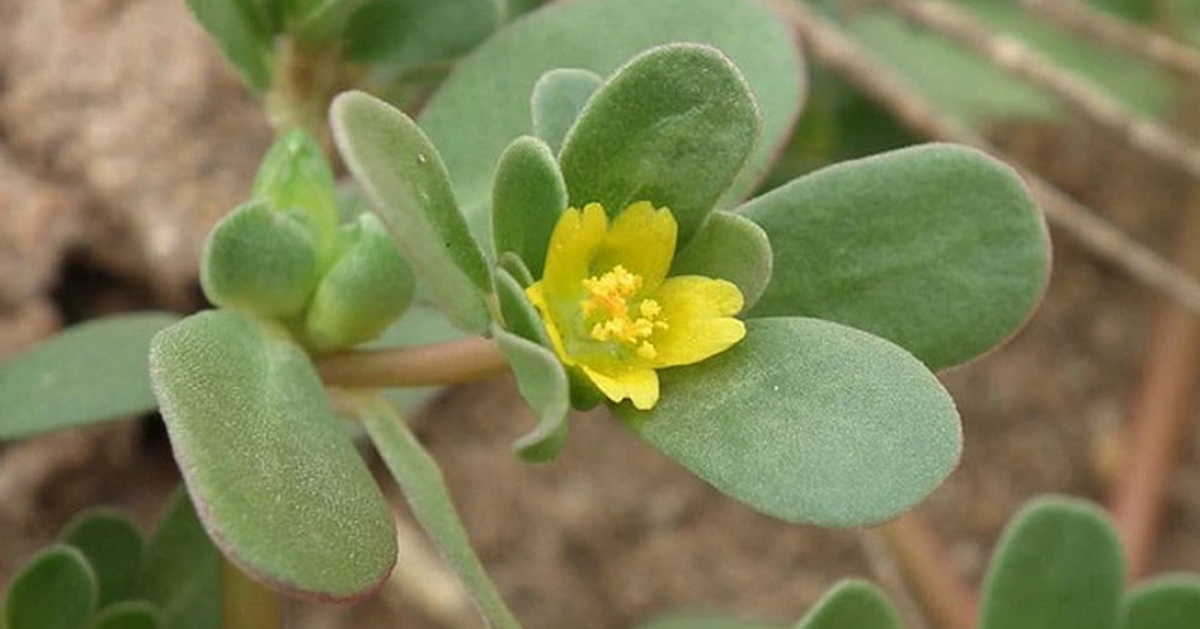
Purslane is often described as a “superfood in disguise.” Gram for gram, it contains higher levels of omega-3 fatty acids than most leafy vegetables - something extremely rare in plants.
In addition, purslane is rich in:
-
Vitamins A, C, and E
-
Magnesium, potassium, calcium, and iron
-
Powerful antioxidants such as beta-carotene and glutathione
These nutrients support heart health, brain function, immune defense, and cellular repair. Growing purslane means having a natural multivitamin right outside your door.
2. Powerful Anti-Inflammatory Properties
Chronic inflammation is linked to conditions such as arthritis, cardiovascular disease, diabetes, and autoimmune disorders. Purslane contains bioactive compounds that help reduce inflammation naturally.
Regular consumption has been associated with:
-
Reduced joint stiffness and muscle pain
-
Support for inflammatory gut conditions
-
Protection against oxidative stress
This makes purslane especially valuable for people seeking plant-based ways to support long-term health.
3. Exceptional for Heart and Metabolic Health
Thanks to its high omega-3 content, purslane supports healthy cholesterol levels and blood circulation. Studies suggest it may help:
-
Lower LDL (bad cholesterol)
-
Improve blood vessel flexibility
-
Support stable blood sugar levels
For people managing metabolic concerns, purslane can be a powerful dietary addition when paired with a balanced lifestyle.
4. Thrives Where Other Plants Fail
From a gardening perspective, purslane is almost unbeatable. It grows aggressively in poor soil, intense heat, and drought conditions where many plants struggle to survive.
Benefits for gardeners include:
-
Minimal watering requirements
-
No need for fertilizers
-
Strong resistance to pests and disease
This makes purslane ideal for low-maintenance gardens, urban environments, and climate-resilient planting strategies.
5. Excellent Ground Cover That Improves Soil Health
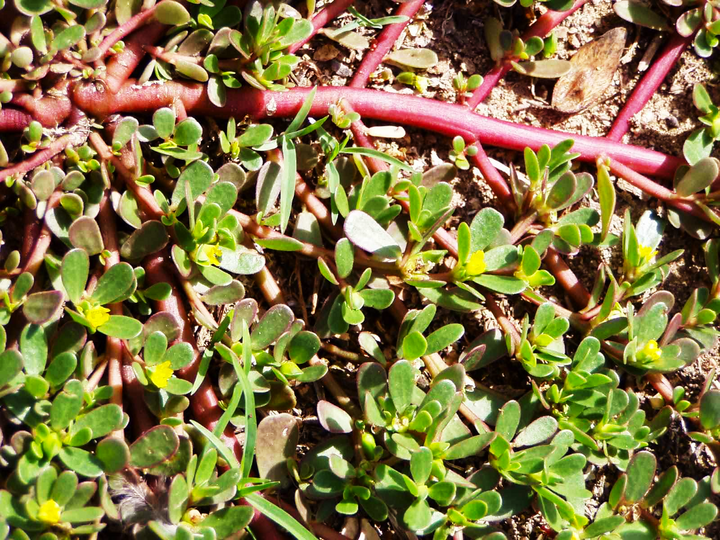
Purslane spreads quickly and forms a dense mat over the soil, which helps:
-
Reduce soil erosion
-
Retain moisture
-
Suppress other invasive weeds
Its shallow roots improve soil structure without competing aggressively with deeper-rooted plants. In permaculture and regenerative gardening systems, purslane is often used as a functional companion plant.
6. Edible, Versatile, and Surprisingly Delicious
Purslane is completely edible, with a crisp texture and a slightly tangy, lemony flavor. It is commonly used in Mediterranean, Middle Eastern, and Asian cuisines.
Popular ways to eat purslane include:
-
Fresh in salads
-
Lightly sautéed with garlic
-
Added to soups and stews
-
Blended into smoothies
-
Pickled or fermented
Eating what grows naturally in your garden reduces food waste and strengthens the connection between nutrition and nature.
7. Natural Skin and Wound Healing Support
In traditional medicine, purslane has been used externally to soothe skin conditions such as burns, rashes, insect bites, and minor wounds.
Its antibacterial and anti-inflammatory compounds may help:
-
Calm irritated skin
-
Reduce redness and swelling
-
Promote faster healing
Crushed fresh leaves are often applied directly to affected areas as a natural remedy.
8. Supports Sustainability and Food Security
Purslane grows quickly, self-seeds easily, and requires almost no resources. In times of food scarcity, it has served as an important survival food in many regions.
By embracing purslane, you are:
-
Growing nutrient-rich food at zero cost
-
Reducing dependence on commercial produce
-
Supporting sustainable, local food systems
In a world facing climate uncertainty, resilient plants like purslane are more important than ever.

How to Start Growing Purslane
Getting started is simple:
-
Allow naturally growing purslane to remain in place
-
Or scatter seeds in sunny areas with well-drained soil
-
Harvest young stems and leaves regularly to encourage growth
Once established, purslane often returns year after year with minimal effort.
Final Thoughts
Purslane challenges the idea that beauty and value must be cultivated intentionally. Sometimes, the most powerful plants grow uninvited. What many consider a weed is, in reality, a nutritional powerhouse, a soil protector, and a symbol of resilience.
By embracing purslane in your garden, you gain more than a plant - you gain food, medicine, and sustainability in its simplest form.
The next time you see purslane spreading across your soil, consider letting it stay. It may be doing far more good than you realize.