When people think about nutritious vegetables, they usually mention spinach, broccoli, carrots, tomatoes, or kale. But there is another vegetable that deserves more attention: winged beans.
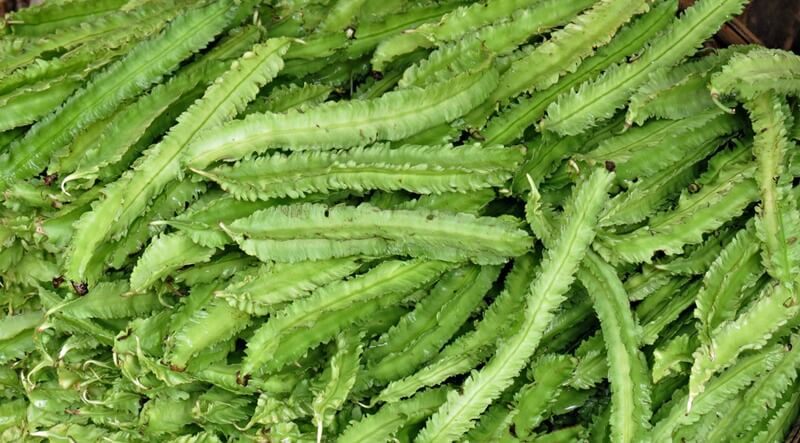
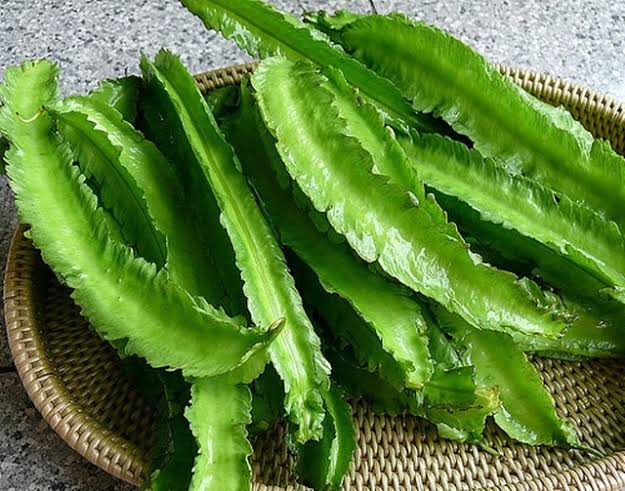
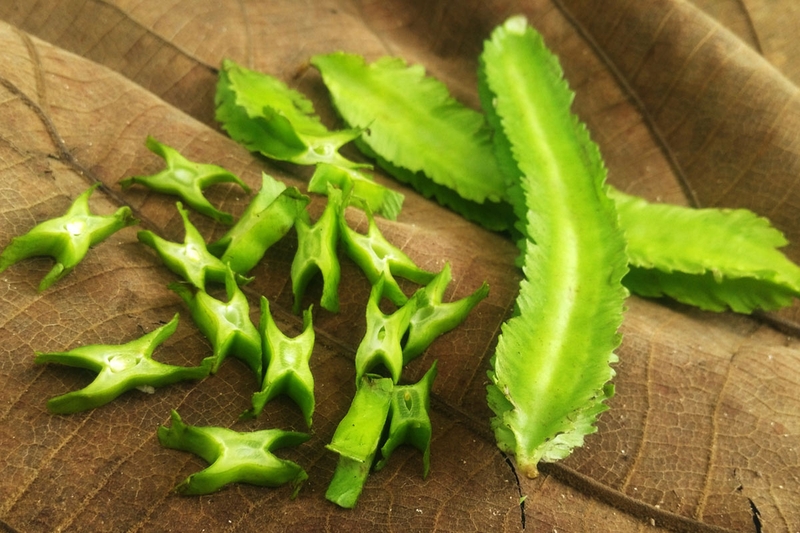
Also known as goa beans, asparagus beans, four-angled beans, or Psophocarpus tetragonolobus, winged beans are an unusual-looking legume recognized by the four distinctive ridges running along their pods.
They are widely grown in parts of Southeast Asia and other tropical regions, where different parts of the plant—including the young pods, leaves, flowers, roots, and mature seeds—can be eaten.
What makes winged beans particularly interesting is their nutritional diversity. The young pods provide fiber and micronutrients, while the mature seeds contain substantial amounts of protein and healthy fats.
But are winged beans really a "superfood"?
Not exactly. No single vegetable can prevent disease or replace a balanced diet. However, adding nutrient-rich foods such as winged beans to your meals can contribute to better overall nutrition.
Here is what you should know about this fascinating vegetable.
What Are Winged Beans?
Winged beans are a tropical legume belonging to the Fabaceae family, the same broad plant family that includes beans, peas, lentils, and soybeans.
The plant produces distinctive green pods with four raised, wing-like edges.
Depending on the variety and stage of maturity, winged beans can be prepared in different ways.
The young pods can be:
-
Steamed
-
Boiled
-
Stir-fried
-
Added to soups
-
Included in salads
-
Cooked with other vegetables
The mature seeds can also be used as a protein-rich food after appropriate preparation.
This makes winged beans unusual compared with many vegetables because multiple parts of the plant can contribute to the diet.
1. Winged Beans Provide Dietary Fiber
One of the biggest nutritional advantages of young winged bean pods is their fiber content.
Dietary fiber is important for maintaining normal digestive function.
A diet containing adequate fiber can support:
-
Regular bowel movements
-
Satiety after meals
-
Healthy blood glucose regulation
-
Cardiovascular health
-
A diverse gut microbiome
Fiber also adds bulk to stool and can help support normal intestinal movement.
However, eating one serving of winged beans won't magically "clean out" your digestive system.
The benefit comes from regularly consuming a variety of fiber-rich foods.
Other excellent sources include:
-
Beans
-
Lentils
-
Oats
-
Barley
-
Fruits
-
Vegetables
-
Nuts
-
Seeds
2. They Can Contribute Plant-Based Protein
Winged beans are particularly interesting because they are a legume.
Legumes are among the most useful plant sources of protein.
The mature seeds are especially protein-rich and have been studied as a potential source of plant protein.
Protein is essential for:
-
Maintaining muscles
-
Building and repairing tissues
-
Supporting enzymes and hormones
-
Maintaining immune function
-
Promoting satiety
For people trying to eat more plant-based meals, winged beans can be one option alongside:
-
Soybeans
-
Lentils
-
Chickpeas
-
Peas
-
Other beans
The amount of protein you obtain depends greatly on which part of the winged bean you eat and how it is prepared.
3. Winged Beans Provide Vitamins and Minerals
The nutritional composition of winged bean pods can vary depending on the variety, growing conditions, maturity, and preparation method.
Nevertheless, they can contribute useful micronutrients to the diet, including nutrients such as:
-
Vitamin C
-
Folate
-
Vitamin A-related carotenoids
-
Calcium
-
Iron
-
Magnesium
-
Potassium
This is one reason dietary variety matters.
Rather than trying to get every nutrient from one "miracle" food, eating different vegetables, legumes, fruits, whole grains, nuts, and seeds provides a broader nutritional profile.
4. They May Support Eye Health
Winged beans contain various carotenoid compounds, depending on the plant part and variety.
Carotenoids are naturally occurring plant pigments that are found in many colorful vegetables.
Some carotenoids can contribute to vitamin A activity, while others function as antioxidants.
Vitamin A is important for normal vision, particularly for maintaining healthy tissues in the eye.
A diet containing a variety of vegetables can therefore contribute to overall eye health.
However, it's important not to overstate the evidence.
Eating winged beans does not prevent cataracts, glaucoma, macular degeneration, or other eye diseases by itself.
Eye health depends on many factors, including age, genetics, diabetes, blood pressure, smoking, UV exposure, and overall nutrition.
5. Winged Beans Can Contribute to Immune Health
The immune system requires many nutrients to function normally.
These include:
-
Vitamin C
-
Vitamin A
-
Folate
-
Zinc
-
Protein
-
Iron
-
Other vitamins and minerals
Winged beans can contribute some of these nutrients, depending on the portion and plant part consumed.
But it is more accurate to say that winged beans support a nutritious diet that provides nutrients needed for normal immune function.
They should not be considered an immune "booster" or treatment for infections.
A strong immune system depends on a combination of adequate nutrition, sleep, physical activity, vaccination where appropriate, and good overall health.
6. Their Fiber May Help Support Heart Health
Fiber is one reason legumes are frequently included in heart-healthy dietary patterns.
Some types of soluble fiber can help reduce the absorption of cholesterol in the digestive tract, contributing to healthier blood lipid levels.
Winged beans can be part of a dietary pattern rich in:
-
Vegetables
-
Beans
-
Whole grains
-
Fruits
-
Nuts
-
Seeds
-
Unsaturated fats
Such dietary patterns are associated with better cardiovascular health.
But again, winged beans aren't a treatment for high cholesterol or heart disease.
If your cholesterol is elevated, follow your healthcare professional's recommendations.
7. They May Help You Feel Fuller After Meals
Fiber and protein are both associated with satiety.
A meal containing winged beans alongside a protein source and other vegetables may be more filling than a meal dominated by refined carbohydrates.
For example:
Winged beans + tofu + brown rice + vegetables
provides a combination of:
-
Protein
-
Fiber
-
Carbohydrates
-
Micronutrients
This type of meal may help you feel satisfied and reduce the temptation to snack constantly.
However, weight management still depends on overall calorie intake, activity, sleep, and many other factors.
8. Winged Beans May Fit Into a Blood-Sugar-Friendly Diet
Legumes are generally valued for their combination of fiber, protein, and carbohydrates.
This combination can make them useful in meals designed to support steadier blood glucose levels.
Compared with many refined carbohydrate foods, fiber-rich legumes are digested more slowly.
For people with diabetes or prediabetes, a meal containing vegetables and legumes may therefore be preferable to one dominated by refined grains or added sugars.
But portion size still matters.
And if you take glucose-lowering medication, your dietary changes should be discussed with your healthcare team when appropriate.
9. They Offer Plant Compounds With Antioxidant Activity
Plants contain numerous compounds that help protect them from environmental stress.
Some of these compounds also have biological activity in humans.
Winged beans contain various:
-
Polyphenols
-
Flavonoids
-
Carotenoids
-
Other phytochemicals
These compounds have antioxidant properties in laboratory and food-composition studies.
Antioxidants are involved in protecting cells from oxidative damage.
However, a common mistake is to assume:
"This food contains antioxidants, therefore it prevents disease."
Human health is much more complicated.
The strongest approach is to consume a wide variety of plant foods rather than relying on one antioxidant-rich vegetable.
10. Winged Beans Can Add Variety to Your Diet
This benefit may sound simple, but it matters.
Eating the same vegetables repeatedly can make healthy eating feel boring.
Winged beans provide a different:
-
Texture
-
Flavor
-
Shape
-
Cooking experience
They can be particularly useful for people who enjoy trying traditional foods from Southeast Asian cuisines.
Adding new vegetables to your diet can make healthy eating more enjoyable and sustainable.
11. They Can Be a Useful Alternative to Refined Side Dishes
Instead of serving a meal with only rice, noodles, or bread, adding winged beans can increase the vegetable and fiber content.
For example:
Traditional-style meal
Rice + fried meat
More balanced version
Rice + grilled fish + stir-fried winged beans + other vegetables
The second meal contains a wider variety of nutrients.
The goal isn't to eliminate rice or other carbohydrates.
It's to increase dietary diversity.
12. Winged Beans Are Particularly Interesting for Plant-Based Eating
People following vegetarian or plant-forward diets often need to pay attention to protein, iron, zinc, vitamin B12, calcium, and other nutrients.
Winged beans can contribute protein, iron, and other nutrients, but they don't provide everything needed for a balanced vegetarian diet.
For example, vitamin B12 is naturally found primarily in animal-derived foods and fortified products.
So winged beans are a useful component—not a complete nutritional solution.
13. Mature Seeds Are Different From Young Pods
This distinction is important.
The young green pods are commonly eaten as a vegetable.
The mature seeds are much more concentrated in:
-
Protein
-
Fat
-
Calories
-
Other nutrients
Mature seeds can therefore be nutritionally closer to other legumes or oilseeds than to a typical leafy vegetable.
They may be processed or cooked in different ways depending on local culinary traditions.
14. Proper Cooking Matters
Like many legumes, mature winged bean seeds contain antinutritional compounds, including substances such as trypsin inhibitors and lectins.
These compounds can interfere with digestion or nutrient absorption when consumed in significant amounts.
Fortunately, appropriate preparation and cooking can reduce many of these compounds.
This is one reason you shouldn't assume that raw mature winged bean seeds are equivalent to properly cooked beans.
General rule:
Use properly prepared and thoroughly cooked mature seeds.
Don't experiment with large amounts of raw or inadequately cooked mature beans.
15. Can You Eat Winged Beans Raw?
Young winged bean pods may be eaten raw in some culinary traditions, but cooking can make them more tender and easier to digest.
If you're trying them for the first time, cooking them is often the simplest approach.
For mature seeds, proper cooking is particularly important.
If you're purchasing winged beans commercially, follow the preparation instructions provided for that product.
16. Winged Beans and Digestive Health
For people who tolerate legumes well, the fiber in winged beans can contribute to a healthy digestive system.
However, suddenly eating large amounts of any high-fiber food can lead to:
-
Gas
-
Bloating
-
Abdominal discomfort
If you're not accustomed to legumes, start with smaller portions and increase gradually.
Your gut microbiome needs time to adapt to increased fiber.
Drinking adequate fluids can also help when increasing dietary fiber, assuming you don't have a medical condition requiring fluid restriction.
17. Could Winged Beans Help With Weight Management?
No food can independently cause weight loss.
But winged beans may be useful in a weight-management diet because they provide fiber and, depending on the part consumed, protein.
These nutrients can contribute to fullness.
Replacing a highly processed, calorie-dense side dish with a vegetable-and-legume-based option may also improve the nutritional quality of a meal.
Still, sustainable weight management depends on your overall energy balance and lifestyle.
18. What About Blood Pressure?
Winged beans contain minerals such as potassium and magnesium that play important roles in normal cardiovascular function.
Potassium, in particular, is involved in fluid balance and blood pressure regulation.
However, people with kidney disease or elevated blood potassium may need to manage potassium intake carefully.
Therefore, a food that is generally nutritious for healthy adults may need to be portion-controlled in certain medical conditions.
If you have kidney disease, follow your individualized dietary plan.
19. Winged Beans Are Not a Cure for Disease
You may encounter online claims that winged beans can:
-
Cure diabetes
-
Prevent cancer
-
Clean the kidneys
-
Eliminate toxins
-
Treat infections
-
Reverse heart disease
These claims go beyond the available evidence.
Laboratory studies of plant compounds can be interesting, but they don't establish that eating a particular vegetable treats a disease in humans.
Winged beans should be appreciated for their nutritional value, not marketed as a miracle medicine.
20. How to Cook Winged Beans
There are many simple ways to prepare young pods.
Stir-Frying
Cut the pods into pieces and quickly stir-fry them with:
-
Garlic
-
Onion
-
Ginger
-
A small amount of oil
Add tofu, chicken, shrimp, or another protein for a complete meal.
Steaming
Steaming can preserve the vegetable's texture while requiring little added fat.
Serve with:
-
Lemon
-
Herbs
-
A small amount of olive oil
Adding Them to Soups
Young winged beans can be added to vegetable soups, bean dishes, or stews.
This is an easy way to increase vegetable variety.
21. How to Choose Fresh Winged Beans
When shopping, look for pods that are:
-
Firm
-
Brightly colored
-
Crisp
-
Free from extensive bruising
-
Free from sliminess
-
Free from obvious mold
Avoid pods that appear severely wilted or have extensive discoloration.
Freshness affects both texture and taste.
22. How to Store Them
Fresh winged bean pods are generally best stored in the refrigerator.
Keep them dry and use them relatively soon after purchasing.
If they become:
-
Slimy
-
Moldy
-
Strong-smelling
-
Severely discolored
discard them.
For longer storage, appropriate freezing may be an option after suitable preparation.
23. Who Should Be Cautious With Winged Beans?
Winged beans are food, but individual tolerance varies.
People who may need extra caution include those with:
Legume allergies
If you're allergic to legumes, don't assume winged beans will be safe.
Digestive sensitivity
Large amounts may cause gas or bloating.
Kidney disease
Potassium and other nutrients may need to be managed depending on kidney function.
Certain food intolerances
People with digestive disorders may need individualized dietary guidance.
If you develop hives, swelling, breathing difficulty, vomiting, or other signs of an allergic reaction after eating winged beans, seek appropriate medical care.
24. A Simple Winged Bean Meal
Here's an easy way to incorporate them into your diet:
Garlic Stir-Fried Winged Beans
Use:
-
Fresh winged beans
-
Garlic
-
Onion
-
A small amount of olive or other cooking oil
-
Black pepper
-
Optional tofu, egg, fish, or chicken
Serve with a moderate portion of rice or another whole-grain carbohydrate.
This creates a meal containing:
Vegetables + fiber + protein + carbohydrates + healthy fats
That's much more important than trying to consume winged beans in isolation.
25. Winged Beans and a Balanced Diet
The biggest nutritional lesson from winged beans is not that they're a miracle vegetable.
It's that variety matters.
A strong dietary pattern can include:
-
Leafy greens
-
Cruciferous vegetables
-
Beans
-
Fruits
-
Whole grains
-
Nuts
-
Seeds
-
Fish or other protein sources
-
Healthy oils
Winged beans can simply join the lineup.

Common Myths About Winged Beans
Myth 1: Winged beans can cure disease
There isn't sufficient human evidence to support this.
Myth 2: Eating winged beans guarantees better eyesight
They contain nutrients and plant compounds relevant to eye health, but no single vegetable guarantees protection from eye disease.
Myth 3: More is always better
Large amounts can cause digestive discomfort, and individual dietary requirements vary.
Myth 4: Raw mature seeds are safe because they're natural
Mature legumes can contain antinutritional compounds that are reduced through appropriate preparation and cooking.
Myth 5: Everyone with kidney disease should avoid winged beans
Not necessarily. Potassium requirements vary considerably among people with kidney disease.
The Bottom Line
Winged beans are an unusual but nutritionally interesting vegetable.
Their young pods can contribute:
Fiber
Vitamin and mineral nutrients
Carotenoid and other plant compounds
And the mature seeds can provide a substantial amount of plant-based protein and other nutrients when properly prepared.
Adding winged beans to your diet may support overall nutritional quality, digestive health, satiety, and a diet rich in plant foods.
But don't expect one vegetable to transform your health overnight.
The real advantage comes from using winged beans as part of a varied eating pattern.
Final Thoughts
Sometimes the most interesting foods are the ones that don't receive much attention.
Winged beans may not be as famous as broccoli or spinach, but their combination of fiber, protein, vitamins, minerals, and plant compounds makes them worth exploring.
Their distinctive pods can add crunch and variety to stir-fries, soups, salads, and other meals. And because the plant can provide edible pods and nutrient-rich mature seeds, it has considerable nutritional and culinary versatility.
If you've never tried them, start with a modest portion and cook the young pods until they're tender. Pair them with a source of protein and other colorful vegetables rather than treating them as a standalone "health remedy."
And remember: healthy eating isn't about finding one magical food. It's about building a diverse diet filled with nutrient-rich foods and maintaining those habits consistently.
Winged beans can be one delicious—and surprisingly nutritious—part of that picture.