It’s one of those small habits almost everyone has had at some point.
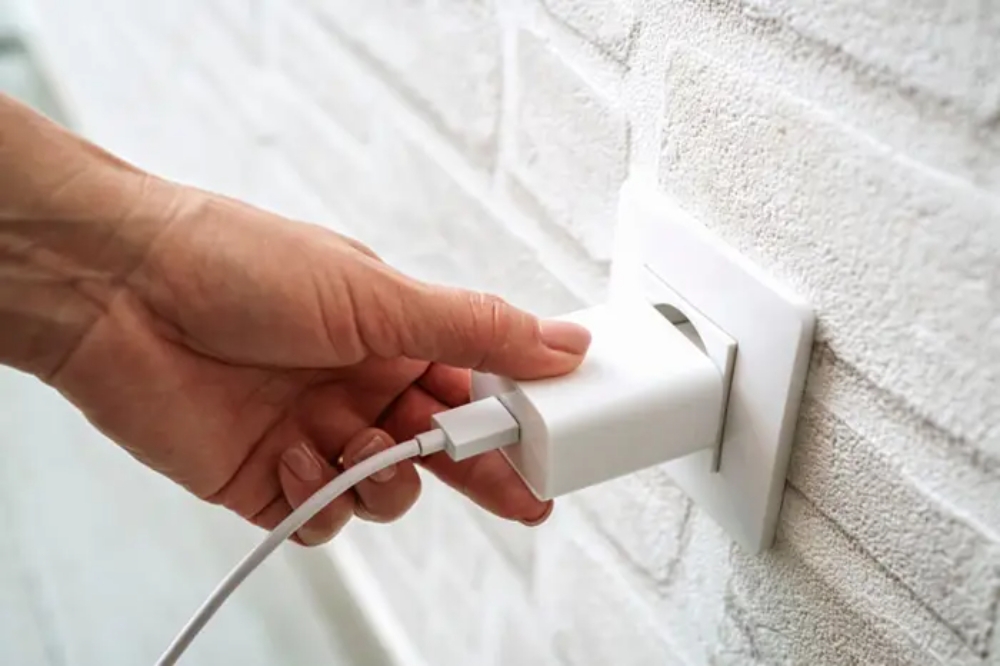
You unplug your phone, put it in your pocket, and walk away—while the charger remains sitting in the wall.
It may seem completely harmless. After all, there’s no phone connected, so what could possibly happen?
The reality is a little more nuanced. A modern, high-quality charger generally uses very little electricity when it is plugged in without a device, and it is not automatically a fire hazard simply because it remains connected to an outlet.
However, there are still good reasons to unplug chargers when you aren't using them—especially if the charger is old, damaged, counterfeit, poorly ventilated, or left in a risky location.
Here are the main things worth knowing.

1. A Plugged-In Charger Still Uses Some Electricity
Even when your phone isn't connected, a charger plugged into the wall may continue to consume a small amount of electricity.
This is sometimes called standby power, no-load power, or vampire power.
Modern chargers are generally designed to keep this consumption extremely low. A properly designed charger isn't continuously drawing the same amount of power it would while actively charging your phone.
Still, one charger left plugged in 24/7 consumes some energy.
One charger probably won't make a dramatic difference to your electricity bill.
But think about everything else in your home:
-
Phone chargers
-
Tablet chargers
-
Laptop adapters
-
Smart speakers
-
TVs
-
Gaming equipment
-
Other electronics
Individually, their standby consumption may be tiny. Collectively, unnecessary standby power can add up over time.
So unplugging chargers when they're not needed is a simple way to eliminate that particular source of electricity use.
2. Heat and Electrical Stress Matter More With Poor-Quality Chargers
A good charger should be designed with safety mechanisms that regulate voltage, current, and temperature.
But not every charger on the market is manufactured to the same standard.
Cheap, counterfeit, damaged, or poorly constructed chargers may have inadequate insulation, inferior components, or insufficient protection against electrical faults.
That's where leaving a charger permanently plugged in becomes more concerning.
Even when no phone is attached, the charger remains connected to the electrical supply.
If the adapter develops an internal fault, becomes unusually hot, or has damaged wiring, there is no reason to keep it energized when you aren't using it.
This is especially important with very old chargers that have been dropped, crushed, exposed to moisture, or repeatedly bent around the cable connection.
3. A Damaged Charger Is a Bigger Concern Than an Unused Charger
One of the most important distinctions is this:
The biggest risk isn't simply that a charger is plugged in. It's the condition of the charger.
Pay attention to warning signs such as:
-
Cracked plastic
-
Exposed wires
-
Burn marks
-
Melted areas
-
Loose plugs
-
A damaged cable
-
Unusual buzzing
-
A strong burning smell
-
Excessive or unusual heat
-
Intermittent charging
If you notice any of these signs, stop using the charger.
Don't try to repair a damaged mains-powered adapter with tape and continue using it indefinitely.
Replacing it with a properly certified charger is the safer option.
4. Chargers Need Ventilation Too
Another common mistake is covering a charger with clothing, bedding, blankets, or other materials.
Even small amounts of electrical power generate some heat.
A charger designed to operate normally needs to be able to dissipate that heat.
That's why you shouldn't leave an adapter buried beneath:
A pillow
A blanket
Clothes
A mattress
Other insulating materials
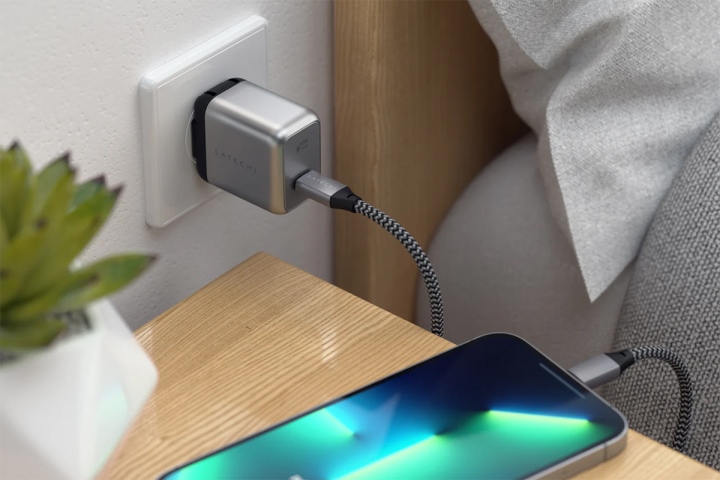
This becomes particularly relevant with charging setups next to beds or sofas.
If you have to leave a charger plugged in, keep the adapter in an open, dry area where air can circulate around it.
5. Don't Confuse Standby Power With Active Charging
There's a common misconception that an unplugged phone charger is constantly "charging itself" or consuming a large amount of electricity.
That's not how a modern charger normally works.
When nothing is connected, the charger typically enters a very low-power state.
The amount of electricity used can be tiny compared with the energy consumed when actively charging a device.
So claims suggesting that an unused charger will cause a huge electricity bill are generally exaggerated.
The more accurate takeaway is:
Unused chargers can consume a small amount of standby power, so unplugging them eliminates that consumption entirely.
6. Unplugging Can Reduce Exposure to Unexpected Electrical Problems
Electricity is generally safe when electrical equipment is properly designed, installed, and maintained.
But electrical faults can happen.
Power surges, damaged outlets, faulty adapters, moisture, loose connections, and deteriorating components can all create problems.
Unplugging an unused charger means that particular device is no longer connected to the mains.
That doesn't mean every plugged-in charger is dangerous.
It simply removes one unnecessary electrical connection when the charger isn't serving any purpose.
This is particularly reasonable when leaving your home for an extended period.
7. Your Outlet Matters Too
Sometimes the charger isn't the problem—the outlet is.
A wall outlet that is loose, cracked, discolored, warm to the touch, or producing unusual sounds deserves attention.
Warning signs can include:
-
Sparks when plugging in ordinary equipment
-
Burning odors
-
Visible discoloration
-
Buzzing or crackling
-
A plug that doesn't fit securely
-
An outlet that feels unusually hot
If you notice these symptoms, don't simply switch to another charger and ignore the outlet.
Electrical problems should be evaluated appropriately, especially when there are signs of overheating or arcing.
8. Don't Overload an Outlet
Another issue is connecting too many devices through one outlet or power strip.
Phone chargers generally consume relatively little power, but outlets and extension devices still have limits.
Avoid creating a tangled collection of adapters and power strips that makes it difficult to determine what's connected.
Keep cables organized and make sure power strips and extension cords are used according to their ratings.
And never use a damaged extension cord simply because "it's only for charging a phone."
9. Cheap Chargers Aren't Always a Bargain
A charger is one of those products where saving a few dollars isn't necessarily worth the risk of questionable quality.
Look for chargers from reputable manufacturers and products that comply with the applicable electrical safety requirements in your market.
Counterfeit chargers can look almost identical to legitimate products.
A familiar logo on a cheap adapter doesn't necessarily mean it was actually manufactured by that company.
If a charger is suspiciously cheap, has poor printing, feels unusually light or flimsy, or lacks appropriate safety markings, consider choosing a better-quality alternative.
10. What About Overnight Charging?
Modern smartphones and chargers are much smarter than older charging systems.
Your phone typically manages charging electronically and can reduce or stop charging when the battery reaches a high state of charge.
That doesn't mean every charging setup is risk-free.
The most important factors are:
Use a good-quality charger.
Use an appropriate cable.
Don't charge with visibly damaged equipment.
Keep the device and adapter ventilated.
Avoid charging beneath bedding or pillows.
The same principles apply whether you're charging for 30 minutes or several hours.
Does Leaving a Charger Plugged In Ruin the Charger?
Not necessarily.
A properly designed charger can remain plugged in without immediately wearing out simply because no phone is attached.
However, electronic components do age over time.
Heat, electrical stress, environmental conditions, and normal component degradation can eventually affect electronics.
Keeping an adapter connected continuously when you don't need it isn't necessarily catastrophic, but unplugging it when convenient can reduce the amount of time it remains energized.
Again, this is about good electrical habits, not panic.
What Should You Do When Leaving Home?
If you're going away for several days or longer, it's reasonable to unplug chargers and other unnecessary electronics.
Before leaving, take a quick look around:
Unplug unused phone and tablet chargers.
Check for damaged cables.
Don't leave adapters covered by fabric.
Disconnect unnecessary power strips where appropriate.
Make sure outlets aren't showing signs of overheating.
These steps take only a few minutes.
The One Habit Worth Changing
You don't necessarily need to run around your house unplugging every charger every time you take your phone off it.
Modern chargers are designed for everyday use, and their no-load electricity consumption is generally very low.
But if you're already finished using the charger, unplugging it is a simple habit with essentially no downside.
It eliminates standby power consumption and ensures the adapter isn't unnecessarily connected to the mains.
More importantly, it encourages you to notice damaged equipment before it becomes a bigger problem.
When You Should Replace a Charger Immediately
Don't keep using an adapter simply because it technically still charges your phone.
Replace it if you notice:
-
A damaged housing
-
Exposed electrical conductors
-
A frayed or severely damaged cable
-
Burning smells
-
Melted plastic
-
Repeated overheating
-
Unusual sounds
-
Loose or damaged plugs
-
Visible signs of electrical arcing
And if a charger becomes unusually hot during normal use, don't assume that's automatically normal.
Some warmth can be expected, but excessive or unusual heat is a warning sign worth investigating.
The Bottom Line
Leaving a modern charger plugged into an outlet without a phone connected isn't automatically dangerous, and claims that every unused charger is a serious fire hazard are overstated.
But there are still sensible reasons to unplug chargers when they're not needed.
They can consume a small amount of standby electricity.
They remain connected to the electrical supply.
Damaged or poor-quality chargers can present greater risks.
Unplugging them eliminates unnecessary standby consumption.
The smartest approach isn't to panic about every charger in your home.
Instead, use good-quality equipment, inspect it regularly, keep it ventilated, avoid damaged adapters, and unplug unnecessary chargers when practical.
It's a tiny habit—but when it comes to electrical safety, sometimes the simplest habits are the ones worth keeping.