You get up from the couch for just a minute to grab a drink or answer the door. When you come back, your dog is curled up exactly where you were sitting, or your cat has stretched out across your favorite chair as if it has belonged to them all along.
If you're a pet owner, you've probably experienced this familiar scene more than once. It may seem like your furry friend is deliberately "stealing" your spot, but in most cases, that's probably not what's happening at all. Dogs and cats don't usually think about seats the way humans do. Instead, their choices are often influenced by comfort, warmth, scent, security, and instinct.
Understanding why your pet gravitates toward your favorite place can help you better appreciate their behavior and strengthen the bond you share.
Let's explore the most common reasons your dog or cat always seems to end up exactly where you were sitting.

1. Your Spot Is Warm
One of the simplest explanations is also one of the most likely.
When you stand up, your seat is still warm from your body heat.
Both dogs and cats naturally seek warm places because warmth helps them conserve energy and stay comfortable.
Cats, in particular, enjoy temperatures that are slightly warmer than what many humans find comfortable.
Instead of searching for another warm location, your pet simply chooses the one you've just heated.
2. They Love Your Scent
Your scent is one of the most comforting things in your pet's world.
Dogs have an extraordinary sense of smell, with millions more scent receptors than humans. Cats also rely heavily on scent to understand their environment.
Your favorite chair, bed, blanket, or pillow carries your unique scent.
For your pet, lying there may feel calming, familiar, and reassuring.
Rather than trying to "replace" you, they may actually be seeking closeness to you even when you're briefly away.
3. They Feel Safe There
Pets often associate their owners with safety and protection.
Your usual resting place becomes linked with positive experiences such as:
-
Relaxing together
-
Petting
-
Naps
-
Reading
-
Watching television
-
Quiet family time
Because of these associations, your seat becomes one of the safest places in the house.
4. It's Simply the Most Comfortable Spot
Let's be honest—people usually choose the most comfortable chair or section of the couch.
Your pet has probably noticed this too.
Soft cushions, supportive pillows, and cozy blankets make excellent resting places for animals as well.
Your dog or cat may simply be choosing the best seat available.
5. They Want to Feel Close to You
Companion animals are social creatures.
Dogs evolved alongside humans for thousands of years and naturally enjoy being near the people they trust.
Many cats also develop strong social bonds with their owners, even though they often express affection differently than dogs.
When they lie where you've been sitting, they may be maintaining a sense of closeness through your scent.
6. They Follow Routine
Pets thrive on routines.
If you regularly sit in the same chair every evening, your pet quickly learns that this area is an important part of daily family life.
When you leave temporarily, they may naturally move into that familiar location without giving it much thought.
7. They're Curious
Animals are naturally curious.
When you suddenly stand up, your pet may investigate the newly available space simply because it's now accessible.
Cats especially enjoy exploring anything that changes within their environment.
Sometimes curiosity is all that's happening.
8. They Like Being the Center of Attention
Some pets quickly discover that taking your seat gets a reaction.
You might:
-
Laugh
-
Talk to them
-
Pet them
-
Take a picture
-
Gently move them
Even these small interactions can become rewarding.
Some pets learn that sitting in your favorite place guarantees attention.
9. They're Marking with Scent (Not Dominance)
One common myth is that dogs or cats steal your seat to establish dominance.
For most household pets, this explanation isn't supported by modern animal behavior research.
Instead, many animals communicate using scent.
Cats have scent glands around their cheeks, forehead, and paws.
Dogs also leave scent through their paws and body oils.
When your pet lies in your favorite spot, they may simply be mixing their scent with yours, reinforcing a shared, familiar environment rather than trying to "take over."
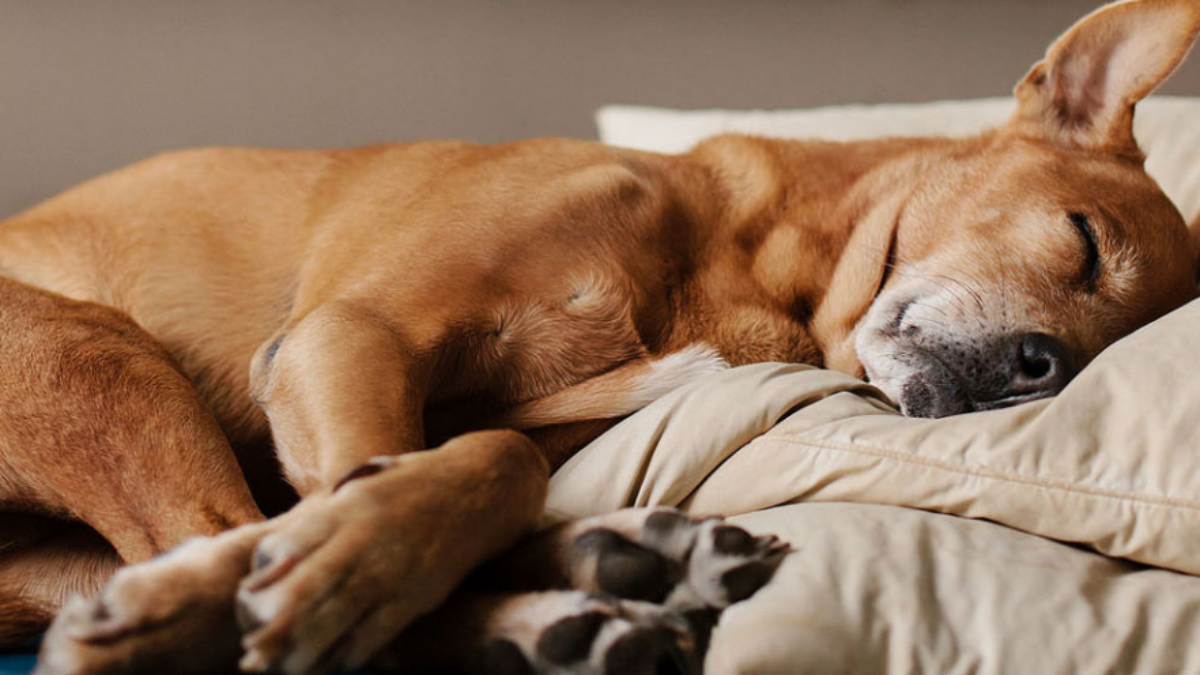
10. They Miss You
If you leave the room for a while—or especially if you're away from home—your scent can provide comfort.
Many dogs with mild separation-related behaviors seek out clothing, blankets, or beds that smell like their owners.
Cats may do the same, although they often express it more subtly.
Your scent may help them feel less alone until you return.
Dogs and Cats Have Different Reasons
Although the behavior looks similar, the motivation may differ slightly between species.
Dogs
Dogs often choose your spot because they:
-
Enjoy your scent
-
Seek companionship
-
Feel secure
-
Appreciate the warmth
-
Want to stay close to the family
Dogs are generally more socially oriented and often prefer being near their favorite people.
Cats
Cats may choose your spot because they:
-
Love warmth
-
Enjoy soft surfaces
-
Feel secure
-
Like familiar scents
-
Appreciate elevated or protected resting areas
Cats balance independence with affection, and lying in your spot can be one of the many ways they stay connected.
Does This Mean Your Pet Loves You?
Possibly—but it's not the only explanation.
Taking your seat should be viewed as one small piece of a larger picture.
Other signs your pet feels comfortable and bonded with you include:
Dogs
-
Wagging their tail when you come home
-
Following you around the house
-
Making relaxed eye contact
-
Bringing you toys
-
Leaning against you
-
Sleeping nearby
Cats
-
Slow blinking
-
Purring while relaxed
-
Head bunting
-
Kneading
-
Following you from room to room
-
Sleeping close to you
The more of these behaviors you observe, the stronger your bond is likely to be.
Should You Let Them Stay?
That depends on your preferences.
If you're happy sharing your favorite chair, there's generally no problem.
However, if you'd rather keep certain furniture pet-free, consistency is important.
Instead of scolding your pet, provide an equally appealing alternative.
For example:
-
A soft orthopedic dog bed
-
A heated cat bed
-
Cozy blankets
-
A window perch for cats
-
A comfortable cushion placed nearby
Positive reinforcement works much better than punishment.
Reward your pet when they choose their own designated resting area.
When This Behavior Might Signal Something Else
Although stealing your spot is usually completely normal, occasionally changes in sleeping habits can indicate a health or behavioral issue.
Consider speaking with your veterinarian if your pet suddenly:
-
Becomes unusually clingy
-
Shows signs of anxiety
-
Stops sleeping comfortably elsewhere
-
Appears restless or uncomfortable
-
Develops other behavioral changes
A veterinarian can help determine whether an underlying medical condition or stress is contributing to the change.
How to Strengthen Your Bond
Whether your pet steals your chair or not, building a strong relationship involves spending quality time together.
Simple ways to strengthen your connection include:
-
Daily walks for dogs
-
Interactive play sessions
-
Puzzle toys
-
Gentle grooming
-
Training with positive reinforcement
-
Quiet cuddle time if your pet enjoys it
-
Providing a predictable daily routine
These shared experiences help build trust and emotional security.
Common Myths
Myth: My pet is trying to dominate me.
Modern animal behavior experts generally do not consider sitting in your spot to be evidence of dominance. Comfort, warmth, scent, and familiarity are much more likely explanations.
Myth: My pet is jealous.
Pets can experience emotions related to social relationships, but taking your seat alone does not necessarily indicate jealousy. It is usually a practical or comforting choice.
Myth: My pet is trying to replace me.
Not at all.
In many cases, your pet chooses your spot precisely because it reminds them of you.
The Bottom Line
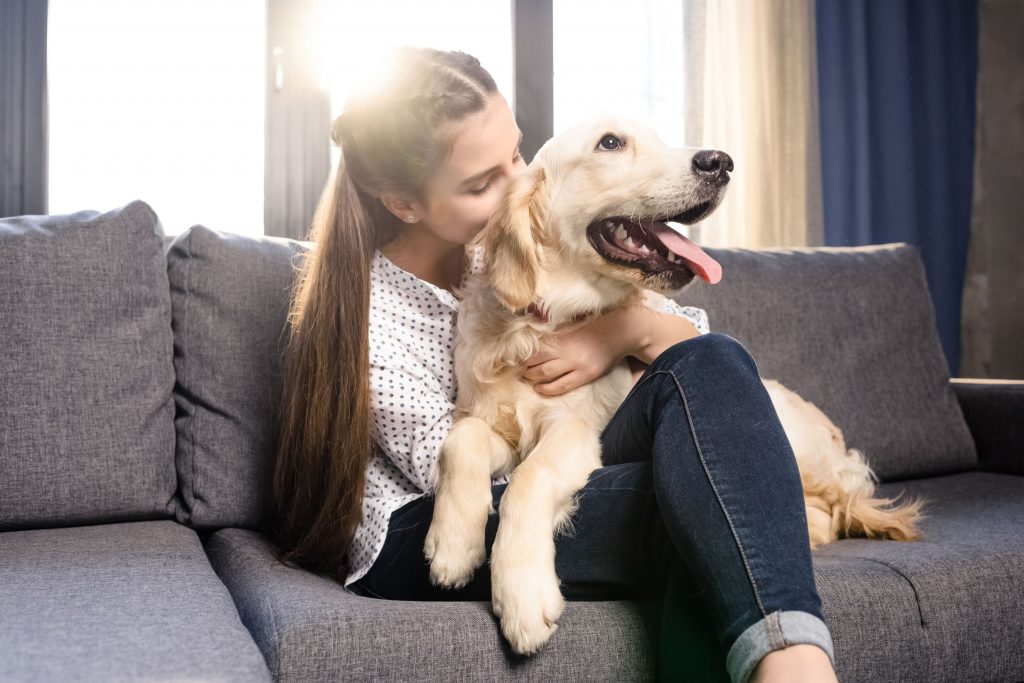
When your dog or cat curls up in the exact spot you just left, it's usually not an attempt to claim your territory. More often, it's a combination of warmth, comfort, familiar scent, and the sense of security your presence provides. Your favorite chair or side of the bed carries everything your pet associates with home—you.
While every animal has its own personality, this common behavior is generally a sign that your pet feels safe and comfortable in your environment. By understanding the reasons behind it, you can better appreciate one of the many small ways your furry companion expresses attachment and seeks comfort.
So the next time you return to find your pet peacefully occupying your seat, remember that they're probably not trying to steal it. They're simply enjoying a cozy place that smells like the person they trust most.