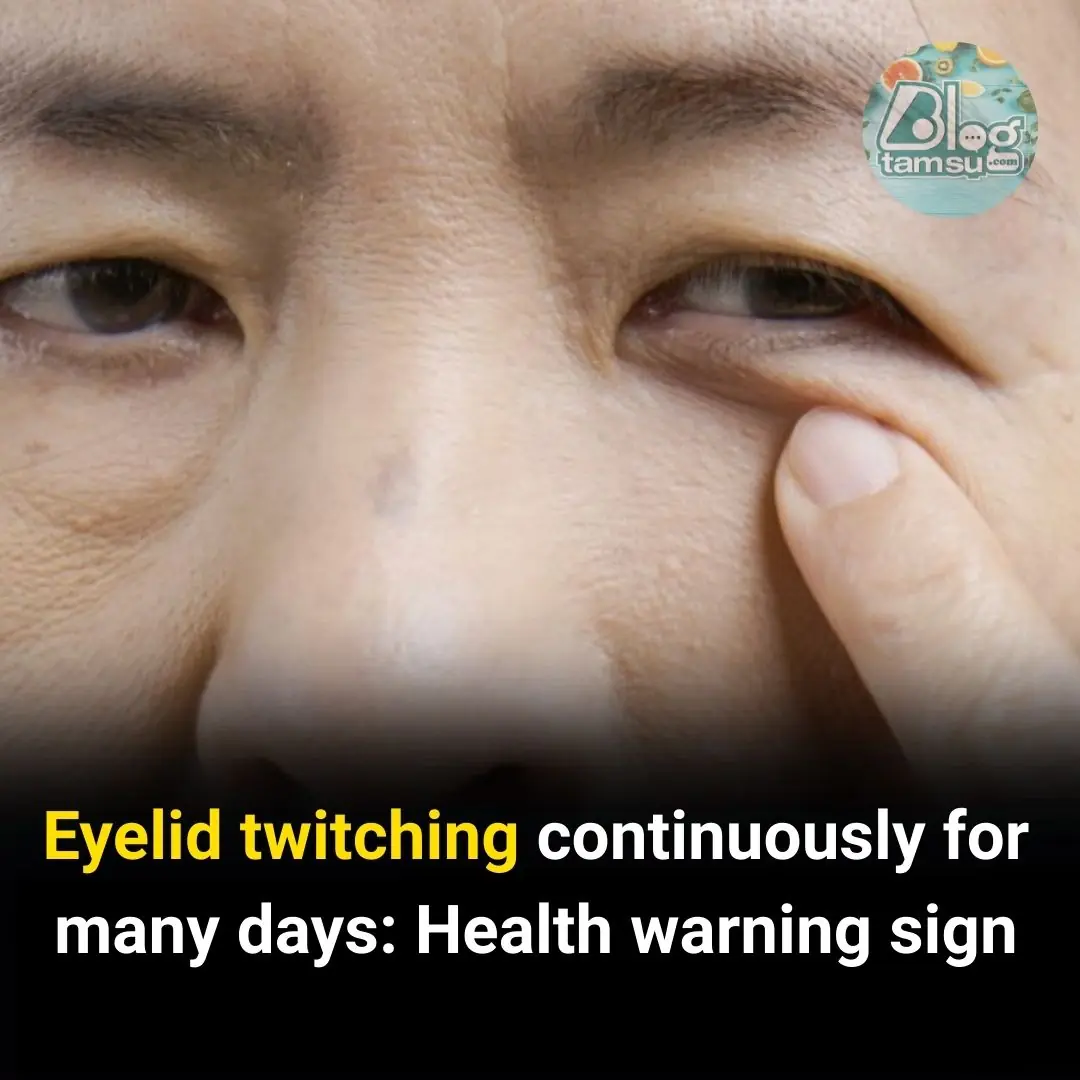
Usually, eyelids can twitch suddenly without any warning signs. However, this phenomenon often disappears quickly afterward. It may or may not recur over several days.
This condition doesn’t cause pain or serious harm to health, but it does create a feeling of heaviness in the eyes and discomfort. So why do eyelids twitch continuously for many days? Let’s explore the detailed answer below.
Overview of Eyelid Twitching
Eyelid twitching is a sudden, involuntary contraction of the eye muscles. It is generally painless and resolves on its own. In stronger spasms, the eyelid may close completely and then reopen. When this happens repeatedly, it can interfere with vision.
Some people experience eyelid twitching continuously for several days, weeks, or even months. This can cause significant discomfort and affect quality of life. In rare cases, the twitching doesn’t go away, forcing patients to blink or squint every time they look at something.
Levels of Eyelid Twitching
Mild Eye Twitching
Mild, occasional twitching is often linked to lifestyle factors such as:
-
Fatigue
-
Stress
-
Lack of sleep
-
Overuse of stimulants like alcohol, tobacco, or caffeine
Additionally, continuous eye twitching may also be triggered by irritation of the cornea or conjunctiva.
Benign Essential Blepharospasm
This benign condition mainly appears in middle age. In the U.S., around 2,000 new cases are diagnosed each year, with women being more affected than men. Although not life-threatening, it can disrupt daily life.
It usually begins with frequent blinking and eye irritation. As it worsens, patients may become sensitive to light, experience blurred vision, or even have involuntary spasms of other facial muscles.
In severe cases, spasms may become so intense that the eyelids remain closed for hours. Researchers believe it results from a combination of genetic and environmental factors.
Hemifacial Spasm
This rare condition affects only one side of the face, involving the muscles around the mouth or eyelids. It is caused by an artery pressing against the facial nerve.
Health Warnings When Eyelid Twitching Persists
The exact cause of eyelid spasms (blepharospasm) is often unclear but may be linked to:
-
Fatigue
-
Stress
-
Caffeine intake
In some cases, eyelid twitching may be a symptom of eye-related conditions such as:
-
Blepharitis (inflammation of the eyelid margin)
-
Dry eyes
-
Sensitivity to light, wind, or pollution
-
Conjunctivitis (pink eye)
In rare instances, it may indicate neurological disorders such as:
-
Bell’s palsy
-
Dystonia
-
Parkinson’s disease
-
Tourette syndrome
Certain medications, particularly those used to treat psychiatric disorders or epilepsy, can also trigger persistent eyelid twitching as a side effect.
Possible Complications of Eyelid Twitching
Though uncommon, neurological conditions may lead to chronic eyelid spasms. When present, they often come with additional symptoms.
Complications may include:
-
Facial nerve paralysis
-
Dystonia (involuntary muscle contractions causing twisting or abnormal postures)
-
Cervical dystonia (neck muscle spasms)
-
Multiple sclerosis (MS), affecting cognition and movement
-
Parkinson’s disease (tremors, rigidity, balance and speech problems)
-
Tourette syndrome
Chronic eyelid twitching can also result from corneal abrasions. If you suspect eyelid injury, prompt medical evaluation is essential to prevent permanent eye damage.
Treatment Options for Eyelid Twitching
Home Care
Most cases resolve on their own. Getting enough rest, reducing stress, and avoiding stimulants like alcohol, caffeine, and tobacco are key. Artificial tears may help if dryness or irritation is present.
Medication
For persistent twitching, doctors may prescribe short-term medications such as:
-
Clonazepam (Klonopin)
-
Lorazepam (Ativan)
-
Trihexyphenidyl hydrochloride (Artane, Trihexane, Tritane)
Alternative Therapies
Scientifically supported alternative treatments include:
-
Biofeedback
-
Acupuncture
-
Hypnosis
-
Chiropractic therapy
-
Nutritional therapy
-
Special tinted glasses
Surgery
If other treatments fail, surgery may be considered. This involves removing certain muscles or nerves around the eyelid, or relieving arterial pressure on the facial nerve in hemifacial spasm cases. While surgery can offer permanent results, it carries some risks.
Final Thoughts
Persistent eyelid twitching can stem from many causes—most commonly stress, fatigue, or lifestyle factors. Depending on severity, treatment may involve simple home care, medication, alternative therapies, or, in rare cases, surgery.
The effectiveness of treatment and recovery varies for each individual. Understanding the condition and seeking timely medical advice can greatly improve outcomes.