Waking up in the middle of the night with a sudden, painful tightening in your calf can be a miserable experience. One moment you're sleeping peacefully; the next, your leg feels as though the muscle has suddenly locked in place.
These episodes are commonly called nocturnal leg cramps. They usually involve the calf muscles, although the feet or thighs can also be affected.
Most nighttime leg cramps are temporary and harmless. However, frequent or severe cramps can sometimes be associated with medications, circulation problems, nerve conditions, dehydration, or other health issues.
Understanding the possible causes and knowing when a cramp deserves medical attention—can help you respond appropriately.
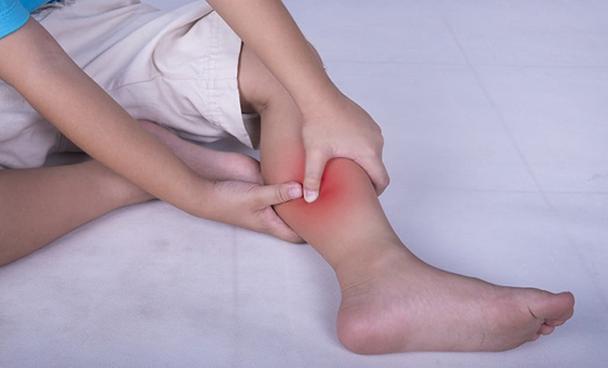
What Is a Nighttime Leg Cramp?
A leg cramp is a sudden, involuntary contraction of a muscle.
During a cramp, the affected muscle may feel:
-
Extremely tight
-
Hard or knotted
-
Painful
-
Difficult to move
-
Tender afterward
A typical episode can last from several seconds to a few minutes, although the muscle may remain sore for hours afterward.
Nighttime cramps most commonly affect the calf, but they can also occur in the:
-
Feet
-
Thighs
-
Hamstrings
They often happen while you're resting or asleep.
1. Muscle Fatigue May Play a Role
One common reason for nighttime cramps is simply muscle fatigue or overuse.
If you've recently:
-
Walked much farther than usual
-
Started exercising
-
Climbed many stairs
-
Run
-
Spent hours standing
-
Performed strenuous physical work
your muscles may become more susceptible to involuntary contractions.
This doesn't necessarily mean anything is wrong with your health.
Sometimes your muscles simply need more recovery time.
What can help?
Gradually increase exercise intensity rather than suddenly doing much more than you're accustomed to.
Stretching gently after activity and maintaining regular physical conditioning may also help reduce muscle fatigue.
2. Your Sleeping Position May Contribute
The position of your feet and ankles while you're sleeping may influence nighttime cramps.
For example, sleeping with the toes pointed downward can keep the calf muscles in a shortened position.
For some people, this may contribute to cramping.
You may notice cramps more often when:
-
Sleeping on your stomach with your feet extended
-
Keeping your legs in the same position for long periods
-
Using heavy bedding that pushes the toes downward
Experimenting with a different sleeping position may help.
3. Dehydration Can Be a Factor
Fluid balance plays an important role in normal muscle function.
If you're dehydrated because of:
-
Heavy sweating
-
Hot weather
-
Exercise
-
Vomiting
-
Diarrhea
-
Not drinking enough fluids
you may be more likely to experience muscle cramps.
However, not every nighttime leg cramp is caused by dehydration.
There's also no need to force huge amounts of water before bed.
Excessive drinking at night may simply cause you to wake up repeatedly to use the bathroom.
The goal is adequate hydration throughout the day.
4. Electrolyte Imbalances May Contribute
Muscles rely on minerals and electrolytes such as:
-
Sodium
-
Potassium
-
Calcium
-
Magnesium
to function normally.
Significant abnormalities in these minerals can contribute to muscle cramps or weakness.
However, it's a mistake to assume that every leg cramp means you have a magnesium or potassium deficiency.
Electrolyte levels can be affected by:
-
Certain medications
-
Kidney problems
-
Vomiting or diarrhea
-
Heavy sweating
-
Certain medical conditions
If you experience frequent cramps, don't automatically start taking high-dose supplements. A healthcare professional can determine whether testing is appropriate.
5. Magnesium Isn't Always the Answer
Magnesium supplements are frequently promoted online as a cure for nighttime leg cramps.
The reality is more complicated.
Magnesium deficiency can cause muscle symptoms, but routine magnesium supplementation doesn't consistently prevent ordinary nighttime leg cramps in otherwise healthy adults.
Some specific groups may benefit under medical guidance, but taking large amounts without a clear reason isn't necessarily helpful.
Excess supplemental magnesium can cause diarrhea and other side effects, particularly at higher doses.
Food sources of magnesium include:
-
Nuts
-
Seeds
-
Beans
-
Whole grains
-
Leafy green vegetables
A balanced diet is generally a better starting point than automatically taking supplements.

6. Pregnancy Can Cause Leg Cramps
Nighttime leg cramps are relatively common during pregnancy, particularly later in pregnancy.
Several factors may contribute, including:
-
Changes in circulation
-
Increased pressure on nerves
-
Increased body weight
-
Changes in mineral metabolism
-
Muscle fatigue
Pregnant people experiencing frequent or severe cramps should discuss them with their healthcare professional, particularly if swelling, redness, or significant pain is also present.
7. Getting Older Can Increase the Likelihood
Nighttime leg cramps become more common with age.
As people get older, changes in:
-
Muscle mass
-
Nerve function
-
Physical activity
-
Tendon flexibility
-
Circulation
-
Medication use
may contribute to an increased risk.
This doesn't mean cramps are an unavoidable part of aging.
Regular physical activity, appropriate stretching, hydration, and medical management of underlying conditions can all be helpful.
8. Certain Medications May Trigger Cramps
Some medications have been associated with muscle cramps.
Examples can include certain:
-
Diuretics
-
Blood-pressure medications
-
Cholesterol-lowering medications
-
Asthma medications
-
Other drugs that influence fluid or electrolyte balance
If your cramps started shortly after beginning a new medication or changing the dose, tell your doctor or pharmacist.
Don't stop prescription medication on your own.
Your healthcare professional can determine whether the medication could be contributing and whether an alternative is appropriate.
9. Poor Circulation May Sometimes Be Involved
Blood-vessel problems can sometimes contribute to leg discomfort.
For example, peripheral artery disease (PAD) occurs when arteries supplying the legs become narrowed.
A classic symptom is:
Leg pain or cramping during walking that improves after resting.
This pattern is different from ordinary nighttime muscle cramps.
Other possible signs include:
-
Cold feet
-
Numbness
-
Weakness
-
Changes in skin color
-
Slow-healing wounds
If you regularly experience leg pain with walking that disappears after resting, it's worth discussing with a healthcare professional.
10. Nerve Problems Can Cause Leg Symptoms
Nerve disorders can produce sensations that may be confused with muscle cramps.
These can include:
-
Burning
-
Tingling
-
Numbness
-
Electric-shock sensations
-
Muscle weakness
Diabetes, certain vitamin deficiencies, alcohol-related nerve damage, spinal problems, and other conditions can affect nerves in the legs.
If your nighttime leg symptoms involve persistent numbness or weakness, medical evaluation is appropriate.
11. Varicose Veins and Venous Problems
Problems with the veins can contribute to leg discomfort, heaviness, and swelling.
People with chronic venous insufficiency may notice:
-
Aching legs
-
Swelling around the ankles
-
Heavy-feeling legs
-
Varicose veins
-
Symptoms that worsen after prolonged standing
This isn't the same thing as a simple muscle cramp, but the symptoms can overlap.
If leg discomfort is persistent or associated with significant swelling, discuss it with a healthcare professional.
12. Long Periods of Sitting Can Affect Your Legs
Modern life often involves sitting for hours.
Long periods of inactivity can contribute to:
-
Muscle stiffness
-
Reduced mobility
-
Leg discomfort
If you work at a desk, consider getting up regularly to walk around and move your legs.
Simple movement throughout the day is better than remaining in one position for many hours.
13. Standing for Long Periods Can Also Contribute
The opposite can also be true.
People who spend most of the day standing may experience muscle fatigue and leg discomfort.
Jobs involving prolonged standing can put substantial stress on the calves and feet.
Regular breaks, comfortable footwear, gentle stretching, and appropriate activity can help reduce muscle fatigue.
What Should You Do During a Leg Cramp?
When a cramp happens, your first goal is to gently lengthen the affected muscle.
For a calf cramp:
Straighten your leg as much as comfortably possible.
Then gently pull your toes toward your face.
You can also stand carefully and place weight on the affected leg if you feel stable enough to do so.
Gentle massage may help
Rub the cramped muscle lightly while gradually stretching it.
Heat can be comforting
A warm shower or heating pad may help relax the muscle afterward.
Avoid placing extremely hot objects directly against the skin.
What If the Cramp Happens While You're in Bed?
Don't panic.
Sit up carefully and straighten the leg.
If the calf is affected:
Keep the knee relatively straight.
Gently pull the toes toward you.
Massage the muscle.
Once the cramp releases, move the ankle and leg gently.
If you're prone to frequent cramps, keep a clear path around the bed so you can safely stand if necessary.
Can Stretching Before Bed Help?
For some people, gentle calf and hamstring stretching before bedtime may reduce the frequency of nighttime cramps.
Try a simple calf stretch:
-
Stand facing a wall.
-
Place both hands against the wall.
-
Step one leg backward.
-
Keep the back heel on the floor.
-
Gently bend the front knee.
-
Hold the stretch for about 20–30 seconds.
-
Repeat on the other side.
The stretch should feel gentle.
Don't bounce or force the muscle into pain.
What About Exercise?
Regular physical activity can help maintain muscle strength and flexibility.
However, sudden increases in exercise can make cramps more likely.
If you're starting a new exercise routine:
Increase intensity gradually.
Allow your muscles time to adapt.
Include appropriate warm-ups and cool-downs.
Stay hydrated, particularly in hot weather.
Should You Drink Water Before Bed?
Hydration matters, but timing matters too.
Drinking an excessive amount of water immediately before bedtime isn't necessary for preventing cramps.
Instead:
-
Drink fluids consistently throughout the day.
-
Replace fluids after heavy sweating.
-
Pay attention to thirst.
-
Follow individualized fluid recommendations if you have heart or kidney disease.
If your doctor has prescribed a fluid restriction, follow that advice rather than increasing water intake because of an online health tip.
What Foods Support Normal Muscle Function?
A balanced diet can provide the nutrients your muscles need.
Bananas
Provide potassium and carbohydrates.
Leafy Greens
Provide magnesium, potassium, and other nutrients.
Beans
Provide magnesium, potassium, and protein.
Nuts and Seeds
Provide magnesium and healthy fats.
Dairy Products
Provide calcium and protein.
Fish
Provides protein and several important nutrients.
No single food is a guaranteed treatment for nighttime cramps.
The overall dietary pattern matters more.
When Should You Worry About Nighttime Leg Cramps?
Occasional cramps are usually not a major concern.
But you should consider medical evaluation if cramps:
-
Happen very frequently
-
Are becoming more severe
-
Regularly interrupt your sleep
-
Last unusually long
-
Occur alongside significant swelling
-
Are associated with weakness
-
Occur with persistent numbness
-
Started after a medication change
-
Are accompanied by changes in skin color
-
Are associated with difficulty walking
These features can help a healthcare professional determine whether something beyond ordinary muscle cramping is involved.
Sudden Swelling in One Leg Is Different
This is an important warning sign.
If one leg suddenly becomes:
-
Swollen
-
Painful
-
Warm
-
Red or discolored
you should seek prompt medical evaluation.
A blood clot in a deep vein, called deep vein thrombosis (DVT), can cause these symptoms.
If leg swelling or pain is accompanied by sudden shortness of breath, chest pain, coughing up blood, or fainting, seek emergency medical care.
Don't massage a leg that you suspect may have a blood clot.
What About Severe Leg Pain With Cold or Pale Feet?
This can also require urgent attention.
Sudden severe leg pain accompanied by:
-
A cold foot
-
Pale or bluish skin
-
Numbness
-
Weakness
-
Loss of pulses
can indicate a serious circulation problem.
This is not an ordinary nighttime cramp and requires urgent medical assessment.
Nighttime Leg Cramps vs. Restless Legs Syndrome
These conditions are often confused.
Leg Cramps
A specific muscle suddenly contracts and becomes painful.
Restless Legs Syndrome
There is an uncomfortable urge to move the legs, often accompanied by sensations such as:
-
Crawling
-
Pulling
-
Tingling
-
Aching
Movement often provides temporary relief.
The two conditions are different and may require different approaches.
What About Sleep Position?
If your cramps repeatedly occur in a particular sleeping position, experiment with changing positions.
Some people find that keeping the feet in a neutral position rather than pointing the toes downward is more comfortable.
The goal isn't to force your legs into a particular posture.
Simply avoid positions that consistently trigger discomfort.
Could Stress Cause Leg Cramps?
Stress isn't considered a universal direct cause of leg cramps, but it can affect sleep, muscle tension, physical activity, and overall well-being.
Someone experiencing chronic stress may:
-
Sleep poorly
-
Hold muscles tense
-
Exercise inconsistently
-
Consume more caffeine
-
Become less physically active
These factors can indirectly influence nighttime symptoms.
Managing stress is therefore useful for overall health, even if it isn't the sole explanation for cramps.
What If You Get Cramps Every Night?
Frequent nightly cramps deserve more attention than an occasional episode.
A healthcare professional may review:
-
Your medications
-
Hydration status
-
Diet
-
Physical activity
-
Circulation
-
Nerve function
-
Kidney health
-
Other medical conditions
Depending on your symptoms, they may decide whether blood tests or other investigations are appropriate.
Don't assume that nightly cramps automatically mean you're deficient in magnesium, potassium, or another mineral.

Can Supplements Prevent Leg Cramps?
This depends on the underlying cause.
Supplements can be useful when a true deficiency exists.
But taking large doses without evidence of deficiency isn't necessarily beneficial.
For example, excessive potassium can be dangerous, especially in people with kidney disease or those taking certain medications.
Similarly, high-dose magnesium can cause gastrointestinal problems.
Supplements should be targeted to an actual need rather than used as a universal solution.
A Simple Routine to Reduce Nighttime Cramps
Try incorporating these habits:
During the Day
Stay adequately hydrated.
Move regularly.
Avoid sitting for many consecutive hours.
Before Exercise
Warm up gradually.
After Exercise
Cool down and stretch gently.
Before Bed
Perform gentle calf stretches.
Make sure your sleeping position is comfortable.
Avoid excessive alcohol.
Long Term
Maintain regular physical activity and a balanced diet.
If cramps persist, seek medical advice.
When a Leg Cramp May Be Telling You Something More
A nighttime leg cramp doesn't automatically mean you have a disease.
But certain patterns deserve attention.
Frequent cramps + weakness
Could warrant evaluation for muscle or nerve problems.
Cramps + numbness
May suggest a nerve-related issue.
Cramps + pain when walking
Could warrant evaluation for circulation problems.
Cramps + swelling
May have a vascular, cardiac, kidney, medication-related, or other cause.
Cramps after starting medication
Discuss the timing with your doctor or pharmacist.
Sudden one-sided swelling and pain
Requires prompt assessment for possible DVT.
11 Practical Things You Can Try
1. Stretch your calves gently before bed.
2. Stay adequately hydrated during the day.
3. Avoid sudden increases in exercise intensity.
4. Move regularly if you sit for long periods.
5. Wear comfortable shoes during the day.
6. Keep your sleeping position comfortable.
7. Eat a varied, nutrient-rich diet.
8. Limit excessive alcohol.
9. Don't overuse electrolyte or magnesium supplements without medical advice.
10. Review medications if cramps began after a medication change.
11. Seek medical evaluation if cramps are frequent, severe, or accompanied by other concerning symptoms.
The Bottom Line
Nighttime leg cramps are common, and in many cases they are not a sign of a serious disease.
They may be associated with muscle fatigue, prolonged inactivity, sleeping position, dehydration, pregnancy, aging, certain medications, or underlying medical conditions.
When a cramp happens, gentle stretching, massage, and careful movement can often help release the muscle.
But don't ignore unusual patterns.
Frequent cramps, persistent weakness, numbness, significant swelling, changes in skin color, or difficulty walking deserve medical attention.
And sudden swelling and pain in one leg—especially with warmth or redness—should be evaluated promptly because it can have a cause more serious than an ordinary muscle cramp.
Final Thoughts
A painful leg cramp in the middle of the night can feel alarming, but an occasional episode is usually nothing to fear.
Instead of immediately reaching for supplements or assuming you have a mineral deficiency, look at the bigger picture:
Are you exercising more than usual?
Are you staying adequately hydrated?
Have you started a new medication?
Are you sitting or standing for long periods?
Are there other symptoms besides the cramp?
These clues can help determine whether the problem is simply an occasional muscle spasm or something that deserves further investigation.
Your legs may occasionally wake you up with a painful reminder to stretch—but persistent or unusual symptoms are worth listening to.