
Why Some Drivers Hang a White Cloth from Their Car Window — The Hidden Meaning You Should Know
The Hidden Roadside Signal Every Driver Should Recognize
Facts 03/07/2026 07:03
Over the past decade, artificial intelligence (AI) has developed at an unprecedented pace. It can write articles, design graphics, analyze data, and respond to customers — causing widespread concern that AI will “steal” human jobs. Some pessimistic viewpoints argue that AI could eliminate millions of jobs, even replacing most tasks traditionally performed by humans.
In professional forums, some have gone as far as predicting that AI could wipe out up to 99% of existing jobs — a near “employment apocalypse.”
Additionally, several tech leaders have warned that AI could significantly reduce both office jobs and professional roles if workers fail to adapt quickly enough.
Contrary to these bleak predictions, international organizations and economists offer a more nuanced perspective:
👉 According to the International Labour Organization (ILO), AI is more likely to transform jobs rather than eliminate them entirely. Repetitive and routine tasks may be automated, but humans will remain essential in roles requiring social skills, creativity, and complex reasoning.
👉 Recent waves of layoffs at major corporations do not necessarily indicate that AI is directly replacing workers. Instead, many of these layoffs reflect corporate restructuring, with companies seeking higher productivity through technology.
👉 Some forecasts suggest that AI could automate around 25% of total work hours, but this does not equate to mass unemployment if economies successfully create new roles and reallocate labor.
Another perspective, often discussed in the media, argues that job loss is not simply caused by AI “taking over,” but rather by individuals failing to update their skills and adapt to change. The disappearance of certain professions is a recurring pattern in human history — similar to how machines replaced many manual labor jobs during the Industrial Revolution.
At the same time, entirely new careers are emerging around AI and technology, such as AI prompt specialists, data managers, and AI system designers. This suggests that those who actively adapt will gain a competitive advantage, while those who remain stagnant may fall behind.
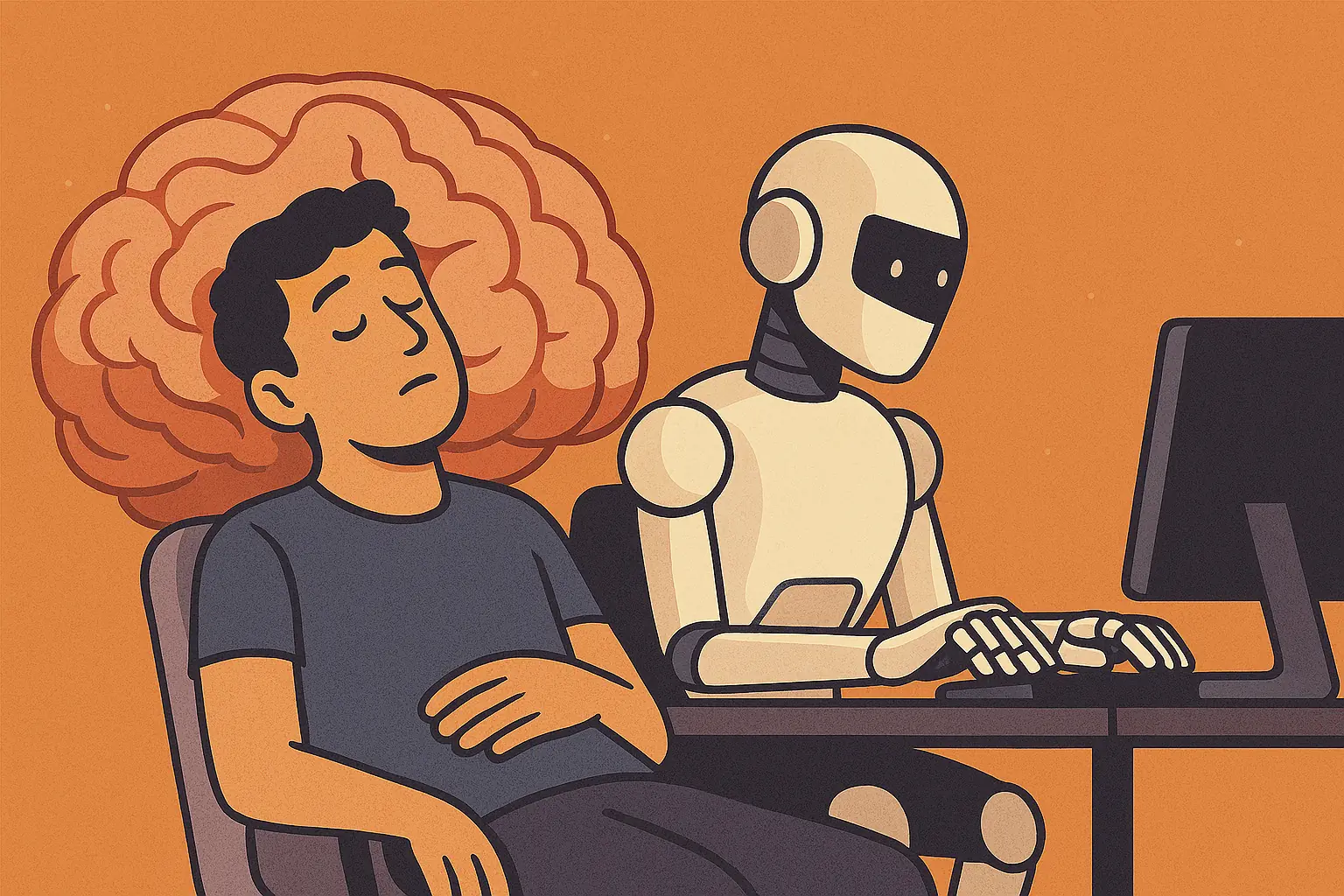
📌 Key takeaways from multiple analyses:
AI is unlikely to completely eliminate human jobs, but it will fundamentally reshape the nature of work.
Certain sectors may be heavily affected, including data processing, administrative roles, and repetitive customer service tasks.
Jobs that require creativity, emotional intelligence, and complex human interaction will become increasingly valuable.
Workers must develop new skills to remain relevant in the evolving labor market.
👉 In conclusion:
💥 AI is not guaranteed to cause mass unemployment.
🔥 However, those who refuse to learn, adapt, and work alongside AI may struggle to survive in the future job market.
United Nations / ILO: AI is changing jobs but is unlikely to cause mass unemployment.
Analysis on layoffs showing restructuring rather than AI-driven job loss.
Goldman Sachs forecast: approximately 25% of work hours could be automated by AI.
Commentary arguing that resistance to change — not AI itself — is the main reason people lose jobs.
Pessimistic extreme predictions regarding AI’s impact on employment.
The Hidden Roadside Signal Every Driver Should Recognize

Doctors say many people ignore the early signs of dehydration until it's too late.
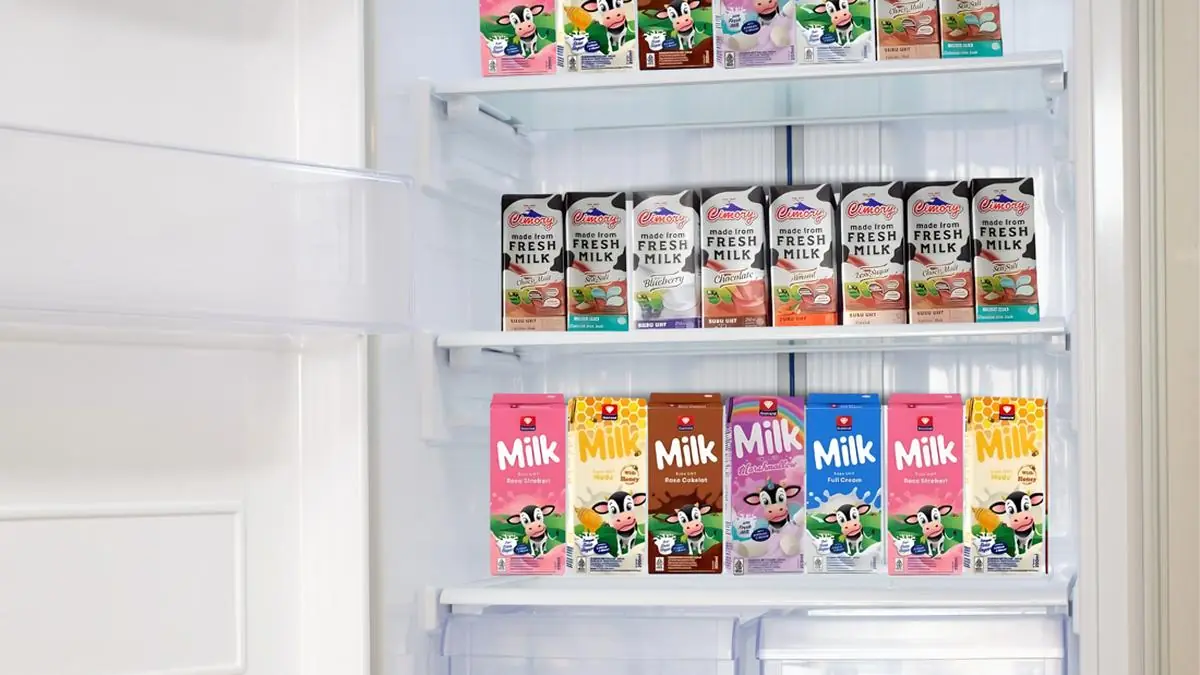
Milk Cartons vs. Soda Cans: Which Design Is Actually Smarter?
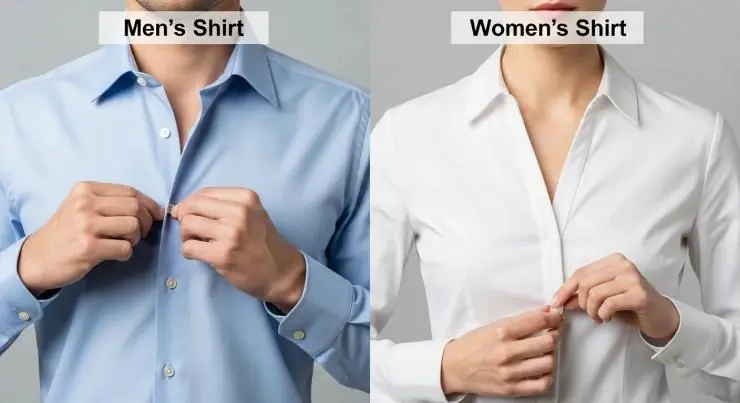
One Small Design Choice Has Survived for Centuries—Here's Why
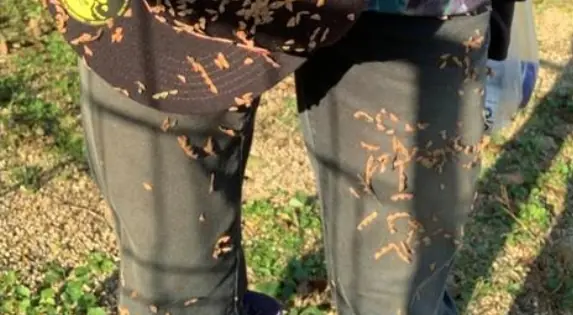
Most People Think They're Just Weeds—The Truth Is Fascinating
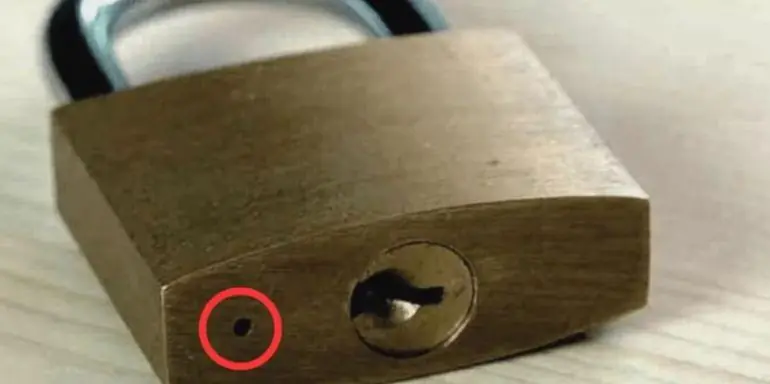
The secret function of your padlock that most people never notice.
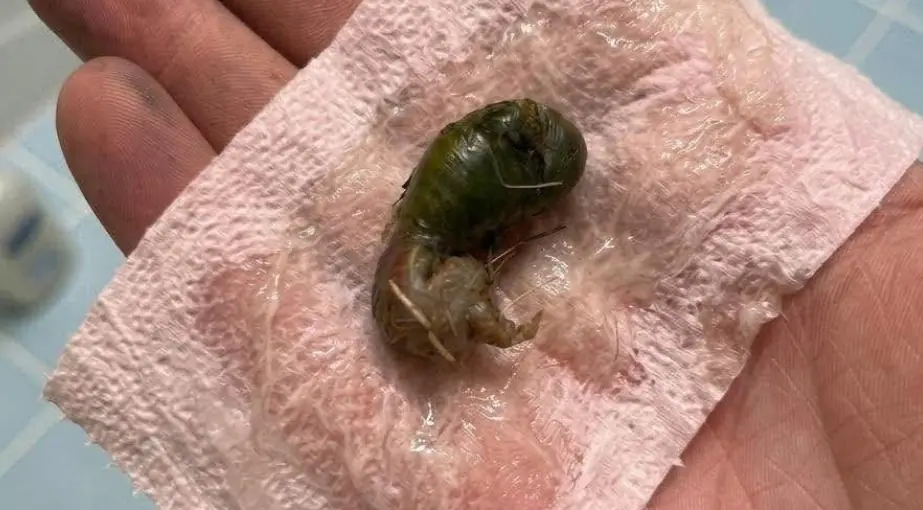
At First We Thought It Was Trash... Then We Realized What It Really Was
The Laundry Mistake That May Be Ruining Your Wardrobe
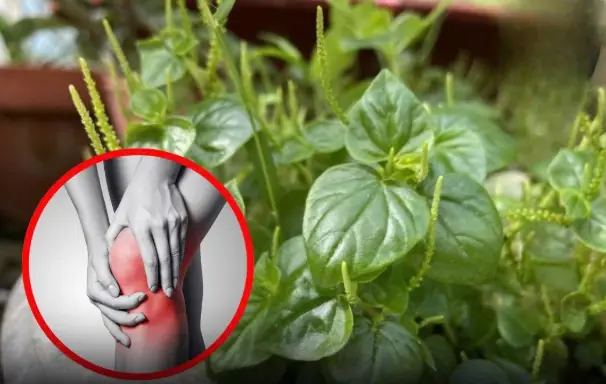
In many gardens, backyards, and even sidewalk cracks, a small green plant grows quietly and is often mistaken for a weed.

The Surprising Safety Reason Cabin Crew Sit With Their Hands Under Their Legs
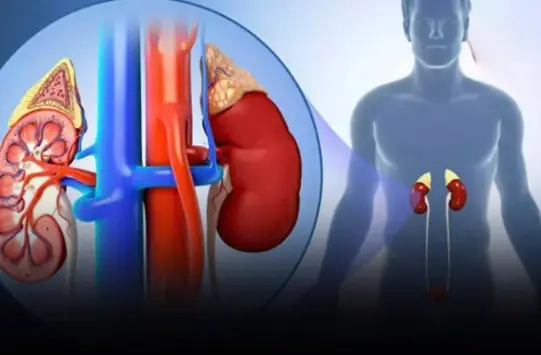
Most people don’t notice kidney failure until it’s too late — remember this to prevent it Kidney Failure Is Silent — Remember to Do These Things to Prevent It
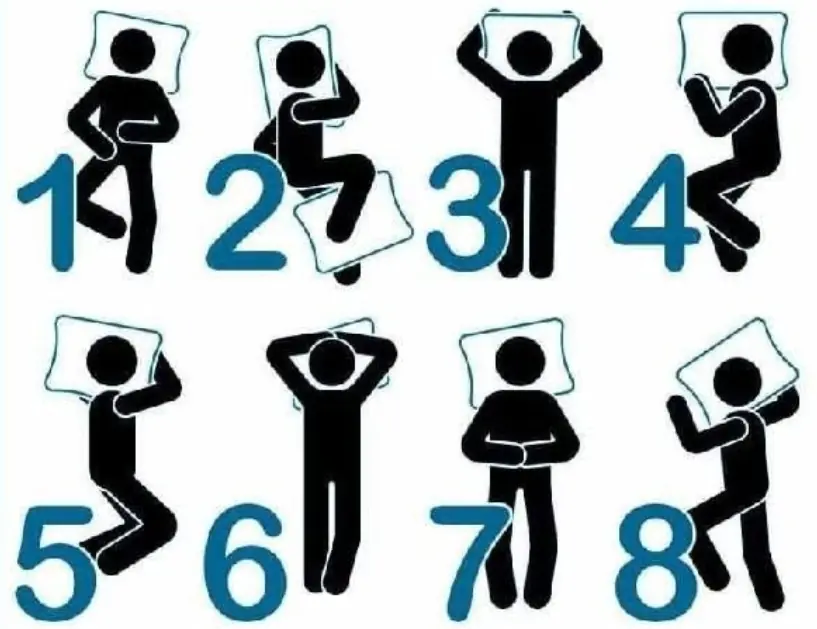
The Sleep Position Quiz Everyone Is Talking About.

Could Sleeping on the Floor Actually Be More Comfortable?

They may mean more than you think.
This tiny design detail has a surprisingly useful purpose

Their sleeping position may tell a different story.
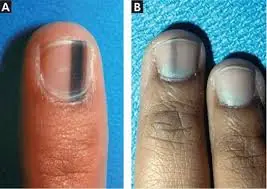
👀 Most People Ignore Nail Ridges—But They May Reveal More Than You Think
🚿 You Might Change Your Mind About Peeing in the Shower After Reading This
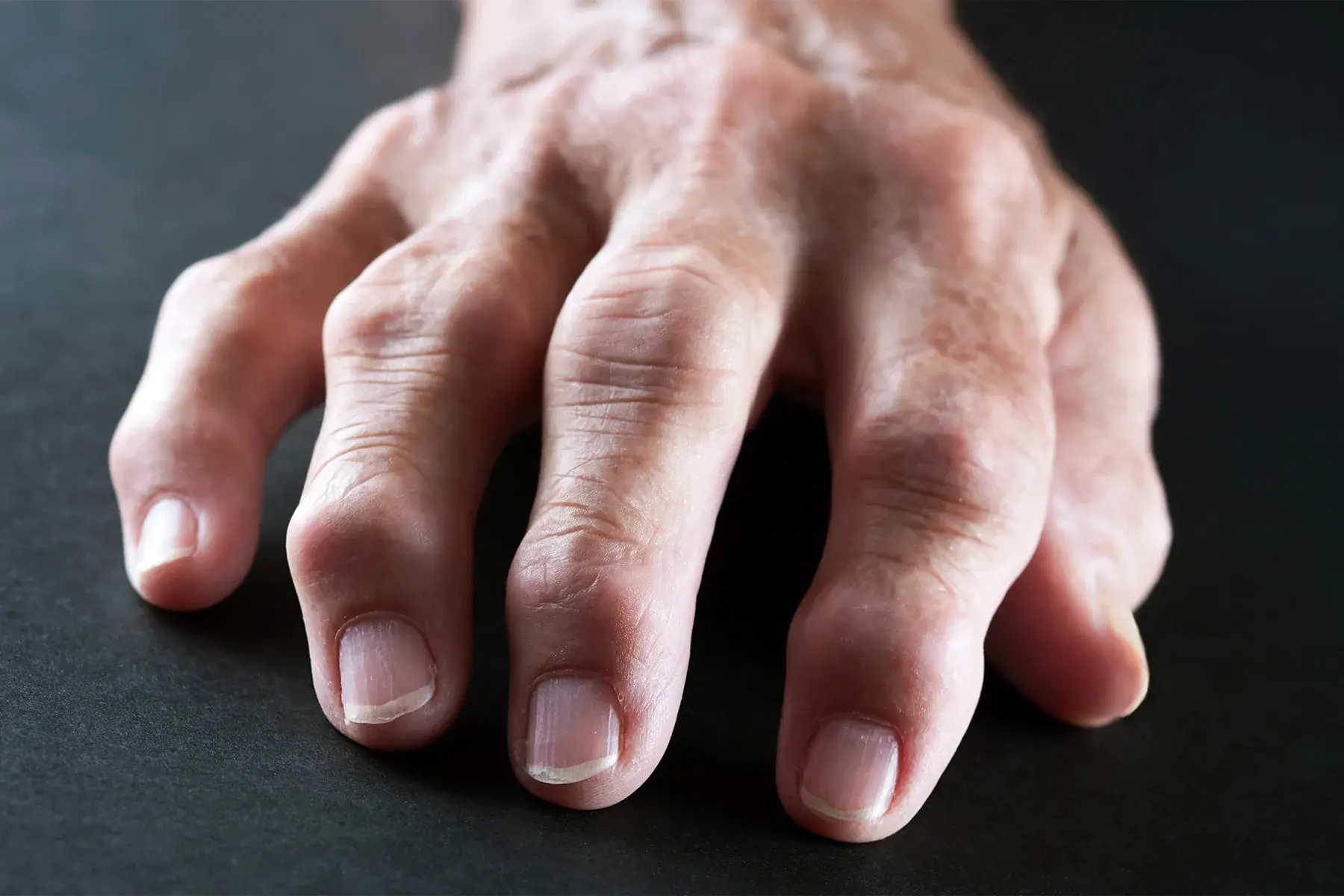
Your Joint Pain Could Be Sending an Important Warning—7 Signs to Know 🦴
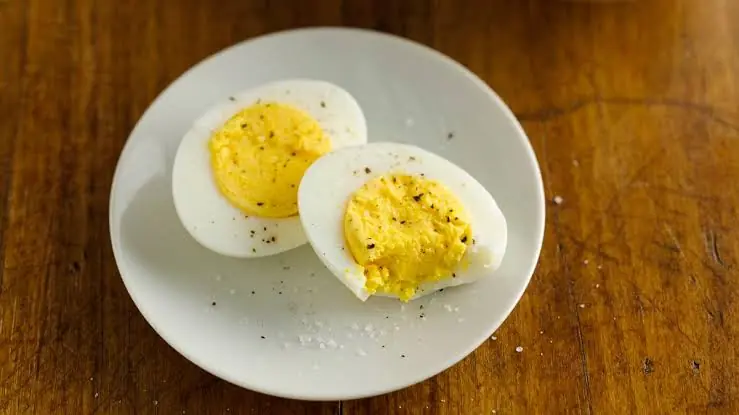
🥚 What Hard-Boiled Eggs Really Do for Your Body: 11 Facts to Know

Thinking About Drinking Lemon Water? Here Are 15 Possible Health Benefits
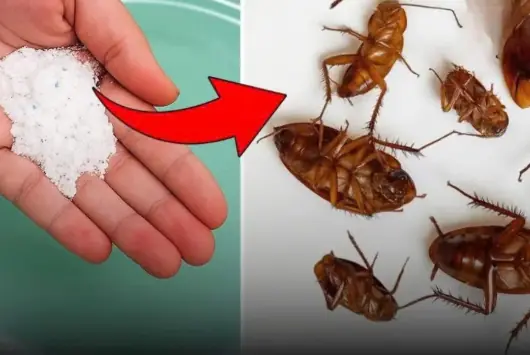
Mix Sugar With This and Leave It in the House? What You Should Really Know About Cockroach Control

🍠 What Everyone Should Know Before Eating Sweet Potatoes

Every year, over 200 people die from consuming what is known as the “world’s deadliest food,” yet nearly 500 million people still eat it.
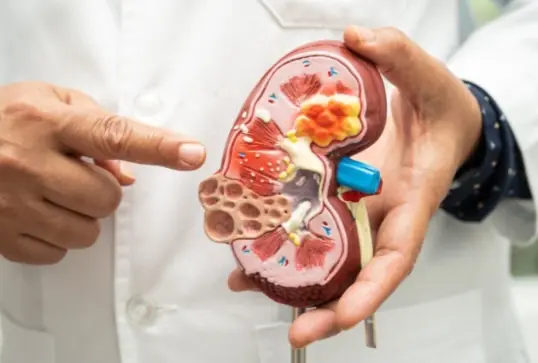
A 1-Minute At-Home Kidney Self-Check: Simple Signs Doctors Say You Shouldn’t Ignore

Explore the Nutritional Benefits of Mango Leaves, Cinnamon, and Guava Leaves
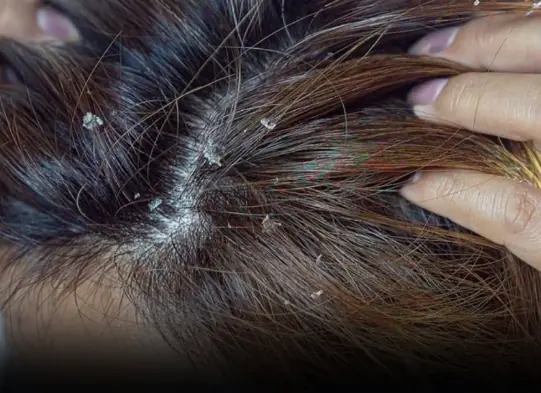
A Cancer Warning Sign Commonly Mistaken for Dandruff: Doctors Urge People Not to Ignore It
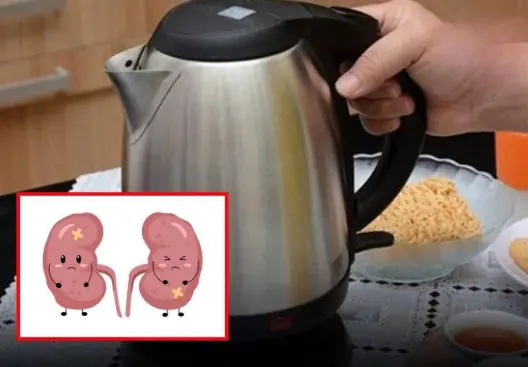
Using an Electric Kettle the Wrong Way: 6 Common Mistakes That Can Quietly Harm Your Kidneys
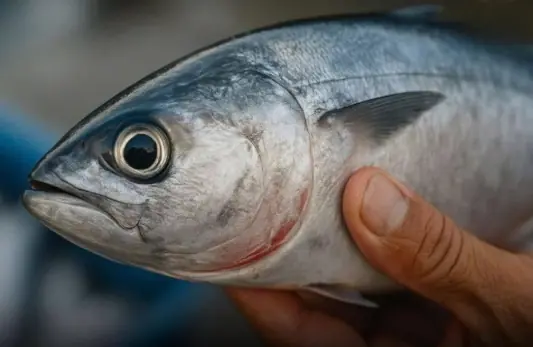
How to Choose Fresh Fish Like a Pro: Secrets from Coastal Fishermen
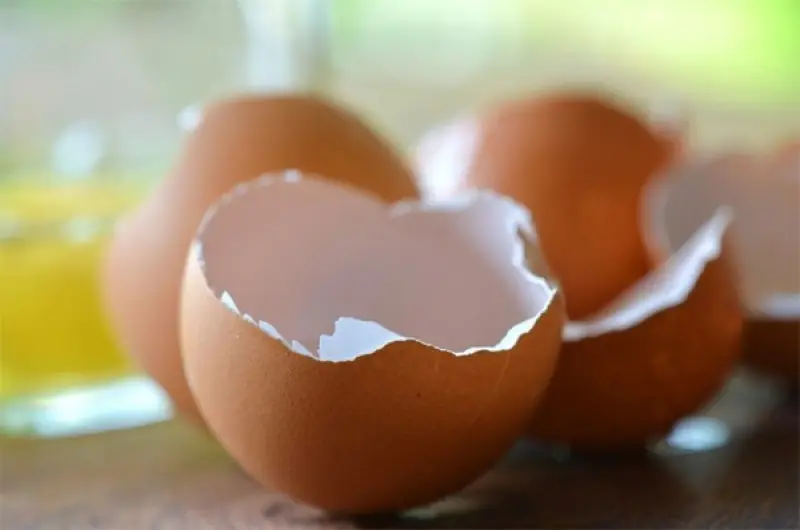
Eggshells Can Be Reused in Several Helpful Ways - Here's What You Should Know
Always thinking that he was healthy, this man unexpectedly collapsed at work, fell unconscious, and passed away shortly after at the hospital.
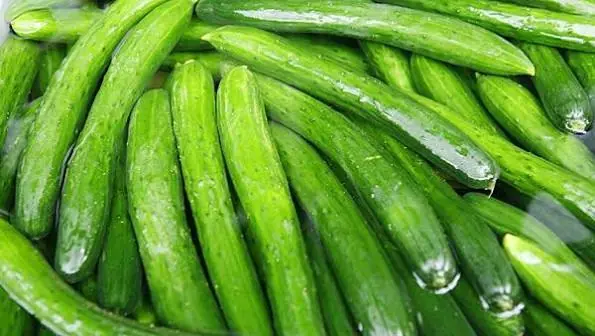
Eating Cucumbers Every Day? Here's What Doctors Say Could Happen
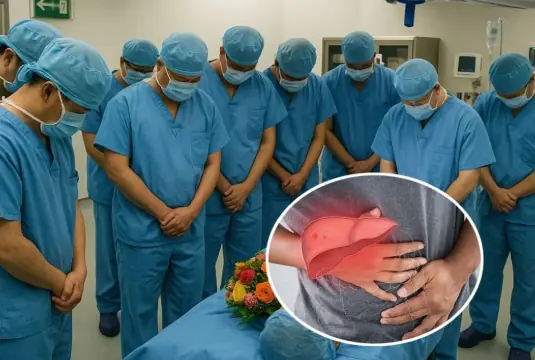
At just 20 years old, Linh Nguyen (name changed), a young and passionate teacher at a local elementary school, passed away from liver cancer — a disease typically associated with older individuals or those with long-term health issues. Her sudden death
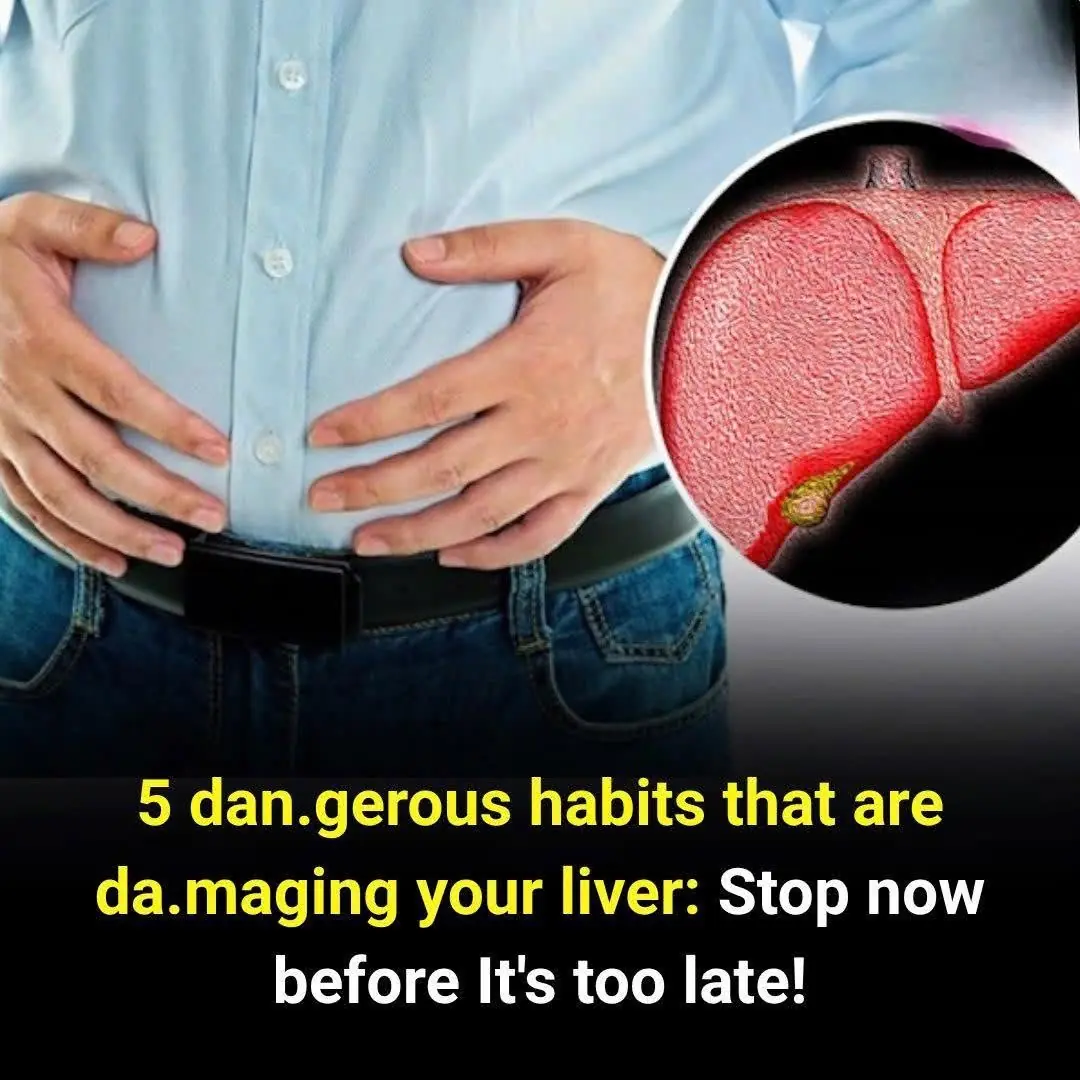
5 Dangerous Habits That Are Damaging Your Liver — Stop Now Before It’s Too Late
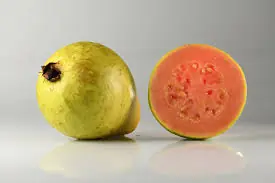
🍈 Millions Eat Guava—But Few Know What It Can Do to the Body