When people think about nutritious vegetables, they often name spinach, broccoli, carrots, sweet potatoes, or green beans. But there is another vegetable that deserves more attention: winged beans.
Known scientifically as Psophocarpus tetragonolobus, winged beans are a traditional food crop in parts of Southeast Asia, Africa, and other tropical regions. Their unusual appearance makes them easy to recognize—the green pods have four distinctive ridges or “wings” running along their length.
What makes winged beans particularly interesting is that more than just the young pods can be eaten. Depending on the variety and stage of maturity, people may also consume the leaves, flowers, immature seeds, and mature seeds. This gives the plant an unusual nutritional versatility.
Winged beans provide plant-based protein, fiber, vitamins, minerals, and a variety of naturally occurring plant compounds. However, like any food, they are not a miracle ingredient, and the nutritional value can vary depending on the part of the plant, preparation method, and portion size.
Here is what makes winged beans worth knowing about.

1. Winged Beans Provide Plant-Based Protein
One of the most interesting characteristics of winged beans is their protein content, particularly when compared with many other commonly eaten vegetables.
The mature seeds can contain considerably more protein than the fresh green pods. This is one reason winged beans have attracted interest as a potential plant-based protein source.
Protein is essential for:
-
Maintaining muscle tissue
-
Supporting immune function
-
Producing enzymes and hormones
-
Repairing tissues
-
Maintaining skin, hair, and nails
-
Supporting normal growth and development
For people who eat mostly plant-based foods, protein-rich legumes and seeds can be useful additions to the diet.
However, winged beans should not be viewed as a replacement for every other protein source. A balanced diet can include a combination of beans, lentils, soy foods, nuts, seeds, eggs, dairy, meat, or other protein-rich foods according to individual dietary preferences.
2. They Can Be a Good Source of Dietary Fiber
The young pods contain dietary fiber, which is important for digestive health.
Fiber can help add bulk to stool and support regular bowel movements. It also contributes to feelings of fullness after meals.
There are two broad types of dietary fiber:
Soluble fiber
This type can absorb water and form a gel-like substance in the digestive tract. It can influence digestion and the absorption of nutrients.
Insoluble fiber
This type contributes bulk to stool and can help support regular intestinal movement.
Most plant foods contain a mixture of both.
Adding fiber-rich foods such as vegetables, legumes, fruits, whole grains, nuts, and seeds to meals can therefore contribute to an overall healthy eating pattern.
One important point: if someone suddenly increases their fiber intake, they may experience gas or bloating. Increasing fiber gradually and drinking enough fluids can make the transition easier.
3. Winged Beans Contain Important Vitamins and Minerals
Winged beans can contribute several micronutrients to the diet.
The exact nutritional profile varies depending on whether you eat the pods, leaves, flowers, or seeds, as well as the variety and maturity of the plant.
Depending on the part consumed, winged beans may provide nutrients such as:
-
Vitamin C
-
Folate
-
Provitamin A carotenoids
-
Calcium
-
Iron
-
Magnesium
-
Potassium
-
Phosphorus
-
Zinc
These nutrients perform different functions throughout the body.
For example, vitamin C contributes to normal immune function and helps the body absorb non-heme iron from plant foods.
Folate is important for DNA synthesis and cell division and is especially important during pregnancy.
Calcium and phosphorus are important for bones and teeth, while magnesium participates in numerous biochemical reactions.
No single vegetable provides everything the body needs, so the best approach is dietary variety rather than relying heavily on one food.
4. Their Plant Compounds May Offer Additional Benefits
Beyond vitamins and minerals, winged beans contain naturally occurring phytochemicals.
Phytochemicals are compounds produced by plants that may have antioxidant or other biological activities.
Some studies examining winged beans and their components have investigated compounds with antioxidant activity. Antioxidants are substances that can help counter oxidative processes in the body.
However, there is an important distinction between antioxidant activity observed in laboratory research and proven health benefits in humans.
A food containing antioxidant compounds does not automatically mean that eating it will prevent or treat a particular disease.
The more useful takeaway is that including a variety of colorful vegetables and plant foods can increase exposure to a broad range of naturally occurring compounds.
5. Winged Beans May Support Digestive Health
The combination of fiber, water, and plant compounds in young winged bean pods makes them a useful vegetable for meals.
Fiber can support normal bowel function, while a diet rich in vegetables is generally associated with a healthier overall dietary pattern.
For people who frequently eat highly processed foods with little fiber, adding vegetables such as winged beans may be a practical way to improve the nutritional quality of meals.
They can be:
-
Stir-fried
-
Steamed
-
Boiled
-
Added to soups
-
Cooked with eggs
-
Combined with tofu
-
Added to vegetable dishes
-
Served with lean protein
Preparation matters, however. A vegetable can become much more calorie-dense when it is heavily fried or cooked with large amounts of oil.
6. They Can Help Make Meals More Filling
Foods containing fiber and protein tend to be more satisfying than foods composed primarily of refined carbohydrates.
This does not mean winged beans automatically cause weight loss.
Rather, incorporating vegetables and protein-rich foods into meals may make it easier for some people to feel satisfied with reasonable portions.
For example, a meal containing:
Winged beans + eggs + brown rice + another vegetable
will generally provide a broader nutritional profile than a meal consisting mostly of refined carbohydrates.
For weight management, the overall dietary pattern, calorie intake, physical activity, sleep, and other lifestyle factors matter much more than any single food.
7. The Seeds Are Particularly Interesting
The mature seeds are one of the most nutritionally distinctive parts of the winged bean plant.
Unlike the tender green pods, mature seeds resemble other legumes in their nutritional characteristics. They can provide substantial amounts of protein and contain carbohydrates, fats, minerals, and other nutrients.
This has led researchers to examine winged bean seeds as a potentially useful food crop, particularly in tropical environments.
The seeds can be prepared in ways similar to other legumes, but they should not simply be eaten raw.
Proper preparation is important because legumes and seeds can contain naturally occurring compounds that interfere with digestion or nutrient absorption.
Cooking helps reduce many of these compounds and improves palatability and digestibility.
8. Winged Beans Are More Than Just the Pods
One unusual feature of winged beans is that several parts of the plant can be used as food.
Depending on local culinary traditions, people may eat:
-
Young pods
-
Leaves
-
Flowers
-
Immature seeds
-
Mature seeds
-
Roots
This is one reason the plant is sometimes described as a highly versatile food crop.
The different parts do not have identical nutritional profiles, so “winged beans” should not be treated as one nutritionally uniform ingredient.
For example, mature seeds are much more concentrated in protein and calories than young pods.
That distinction matters when discussing their nutritional benefits.
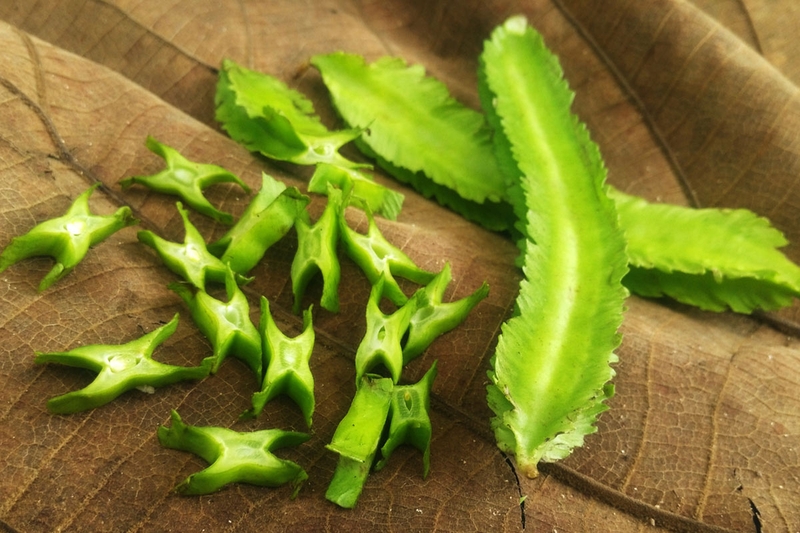
9. They Can Be a Useful Alternative to More Familiar Vegetables
Eating the same small group of vegetables every day can make a diet unnecessarily repetitive.
Winged beans offer another option.
Their crisp texture and slightly distinctive flavor can work well in Southeast Asian-style dishes, especially stir-fries and salads.
They can also replace or complement more familiar vegetables such as green beans.
For example, you could try:
Simple stir-fried winged beans
-
Young winged bean pods
-
Garlic
-
A small amount of cooking oil
-
Egg or tofu
-
A modest amount of soy sauce or fish sauce
-
Optional chili
Cook the pods until tender but still slightly crisp.
This keeps the preparation simple while allowing the vegetable's texture to remain noticeable.
10. Winged Beans May Be Especially Interesting for Plant-Based Diets
People following vegetarian or plant-forward diets often need to pay attention to protein, iron, calcium, vitamin B12, and other nutrients.
Winged beans can contribute protein, iron, calcium, and other nutrients, particularly when seeds or other nutrient-dense parts are consumed.