A blood test is not a simple verdict on one food.
If someone eats eggs frequently and their cholesterol changes, the result should be examined alongside the rest of their diet and health information.
The test may reveal something important, but understanding that information requires careful interpretation.
Another important point is that a person does not need to feel unwell before checking certain health markers. High cholesterol often has no obvious symptoms. A person can continue working, exercising, and carrying out daily activities while having elevated levels.
That is why routine medical appointments can be useful.
They provide an opportunity to discuss dietary habits, family history, blood pressure, blood sugar, cholesterol, and other relevant measurements.
A surprising result can be a reason to ask questions rather than jump to conclusions.
For the woman in the image, the most important part of the story may not be the dramatic headline. It may be the reminder that regular health checks can help people understand their bodies more clearly.
A food routine that seems harmless deserves attention when it becomes unusually restrictive or when medical measurements change.
The right response is not panic. It is informed discussion with a qualified healthcare professional.
Chapter 4 — Eggs, Cholesterol, and the Heart: What Science Says
For many years, eggs were treated with caution because their yolks contain dietary cholesterol.
Dietary cholesterol is the cholesterol found in foods. Blood cholesterol, on the other hand, refers to cholesterol circulating in the bloodstream.
These two terms sound similar, but they are not identical.
The body needs cholesterol to perform several important functions. It uses cholesterol to help build cell membranes and produce certain hormones and other substances.
The liver produces much of the cholesterol the body needs. Cholesterol can also enter the body through foods derived from animals, including eggs, meat, and dairy products.
The relationship between dietary cholesterol and blood cholesterol is more complicated than simply eating cholesterol and seeing the same amount appear in the blood.
For many people, the effect of dietary cholesterol is relatively modest. However, individual responses can differ, and some people may be more sensitive to cholesterol in food than others.
This means that one person's experience with eggs cannot automatically be applied to everyone.
The overall composition of the diet is also important.
Foods containing cholesterol may be eaten alongside ingredients that contain substantial amounts of saturated fat. For example, eggs served with bacon, sausage, butter, and large amounts of cheese create a different nutritional pattern from eggs served with vegetables and whole-grain bread.
Saturated fat is an important consideration because diets high in saturated fat can raise LDL cholesterol.
The American Heart Association emphasizes the importance of an overall heart-healthy dietary pattern, including vegetables, fruits, whole grains, healthy protein sources, nuts, seeds, and vegetable oils.
Eggs can fit into such a pattern, but they should not replace the foods that provide fiber and other important nutrients.
Research on egg consumption and cardiovascular health has produced different findings across populations and study designs.
Some studies have found no significant association between moderate egg consumption and cardiovascular disease in generally healthy populations. Other research has raised concerns in certain groups, particularly when egg intake is considered alongside diabetes or other health conditions.
These differences help explain why nutrition recommendations should not be reduced to a single universal rule.
A 2020 analysis published in the BMJ examined large prospective studies and an updated meta-analysis involving more than one million participants. The researchers found that moderate egg consumption, up to approximately one egg per day, was not associated with an overall increase in cardiovascular disease risk in the combined analysis.
That finding does not prove that eating unlimited eggs is beneficial.
It suggests that moderate consumption can be compatible with a healthy dietary pattern for many people.
The Mayo Clinic also notes that most healthy people can include eggs in their diet, while emphasizing that individual health conditions and the foods eaten alongside eggs matter.
People with elevated LDL cholesterol, diabetes, or certain cardiovascular conditions may need more individualized advice.
This is particularly important for someone who is considering eating eggs at every meal for months.
Even if a person experiences no immediate symptoms, a very repetitive diet may not be the most appropriate long-term strategy.
The goal should be to maintain a healthy eating pattern that supports cardiovascular health while providing sufficient nutrients from a variety of foods.
A person who enjoys eggs can still eat them regularly without making them the center of every meal.
For example, eggs could be included in breakfast several times a week, while other meals feature fish, beans, lentils, poultry, tofu, or other protein sources.
This approach allows people to enjoy familiar foods while reducing unnecessary dietary repetition.
The key message is that eggs are neither a miracle food nor automatically a dangerous food.
Their place in a diet depends on quantity, preparation, individual health, and the wider pattern of eating.
Chapter 5 — A Balanced Way to Enjoy Eggs Every Day
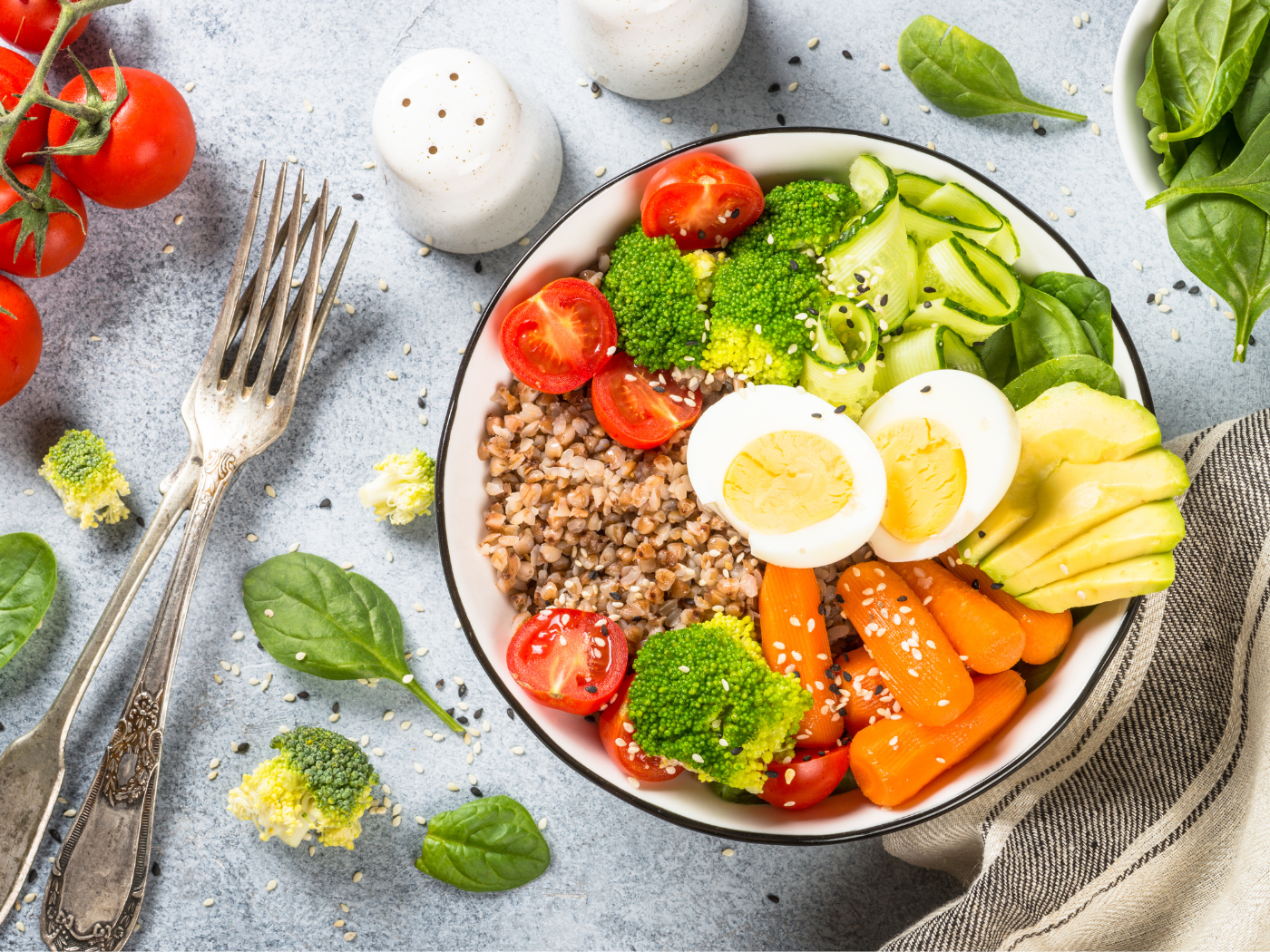
The story of a woman who reportedly ate eggs at every meal for five months offers an opportunity to reconsider everyday food choices.
Eggs are convenient, nutritious, and versatile. They can provide high-quality protein and several important nutrients without requiring complicated preparation.
But a healthy diet should not depend on one ingredient alone.
A practical approach is to build meals around variety.
At breakfast, a boiled egg can be served with whole-grain toast and fresh fruit. At lunch, eggs can be added to a salad containing leafy greens, tomatoes, beans, and other vegetables.
For dinner, someone might choose fish, lentils, chicken, tofu, or another protein source instead of relying on eggs again.
This does not mean that eggs must be avoided at dinner. It simply means that different foods can take turns providing protein and other nutrients.
The same principle applies to cooking methods.
Boiling, poaching, and preparing eggs with a small amount of oil are simple ways to enjoy them. Adding vegetables can increase the variety of nutrients in the meal.
People who enjoy fried eggs can still consider how much oil or butter they use and what other ingredients accompany the dish.
Small changes can make a difference over time.
Instead of eating eggs with processed meat every morning, a person might serve them with spinach, mushrooms, tomatoes, or whole-grain bread.
Instead of preparing an egg-based meal three times a day, they could alternate with other familiar foods.
A varied diet can also make meals more enjoyable.
Different textures, colors, flavors, and cooking methods help prevent food from becoming monotonous. More importantly, they make it easier to include a wider range of nutrients.
For older adults, maintaining a balanced diet is especially important because nutritional needs can change with age.
Adequate protein can help support muscle maintenance, while fiber-rich foods support digestive health. Vegetables, fruit, whole grains, and legumes also contribute vitamins, minerals, and other beneficial compounds.
Eggs can contribute to protein intake, but they do not provide everything required for a balanced diet.
People who have been advised to manage their cholesterol should discuss their egg consumption with their healthcare professional. The same applies to individuals with diabetes, established cardiovascular disease, or a strong family history of high cholesterol.
A doctor or registered dietitian can help determine a suitable eating pattern based on blood test results, medications, medical history, and personal preferences.
It is also important not to interpret a single blood test as proof that a particular food is responsible for a health improvement.
If cholesterol levels change during a five-month period, the change may reflect several influences. A person may have altered their weight, activity level, medication, or overall food choices.
Without reliable medical information, it is impossible to identify the exact cause.
That is why the headline should be viewed as a conversation starter rather than a scientific conclusion.
The most useful lesson is not that everyone should copy the woman's reported routine.
It is that ordinary food choices can have a meaningful place in conversations about health, nutrition, and medical checkups.
Eggs remain a valuable food for many people. They are affordable, easy to prepare, and can fit into a balanced diet.
But no single food can replace the benefits of variety.
A healthy routine is built through consistent choices: eating a range of nutritious foods, staying physically active, paying attention to portion sizes, and seeking medical advice when needed.
If a routine blood test reveals an unexpected result, the best response is to understand what the numbers mean rather than immediately blaming or praising one ingredient.
In the end, the woman's reported five-month habit reminds us of a simple principle: good nutrition is not about finding one perfect food. It is about creating a balanced pattern that the body can benefit from over time.
Eggs can certainly be part of that pattern.
The healthiest approach is to enjoy them alongside many other nutritious foods, rather than expecting them to do everything on their own.