The fifth warning sign requires a little more explanation.
Changes in urination, bowel habits, or general well-being are common and often have causes unrelated to cervical cancer.
A urinary tract infection, constipation, dehydration, medication, or digestive problem may explain many of these symptoms.
However, cervical cancer that has advanced beyond the cervix can sometimes cause additional symptoms, including difficulty or pain with urination, blood in the urine, difficult or painful bowel movements, rectal bleeding, lower back pain, abdominal pain, swelling of the legs, and fatigue.
These symptoms are not specific to cervical cancer and should not be used to diagnose it.
Nevertheless, persistent or unexplained changes deserve attention.
Urinary symptoms
Some women experience discomfort when urinating, a feeling that the bladder does not empty completely, or changes in urinary habits.
Urinary tract infections are a much more common explanation for painful urination.
However, persistent symptoms that do not improve with appropriate treatment should be reassessed.
Blood in the urine also warrants medical evaluation.
Bowel symptoms
Constipation and digestive discomfort are common.
Dietary changes, reduced physical activity, medications, and many gastrointestinal conditions can affect bowel movements.
But persistent pain with bowel movements or unexplained rectal bleeding should not be ignored.
A healthcare professional can determine whether the problem is related to the digestive system, urinary system, reproductive organs, or another cause.
Persistent fatigue or leg swelling
Fatigue is another nonspecific symptom.
It can result from insufficient sleep, stress, anemia, infections, thyroid disorders, and many other conditions.
Similarly, leg swelling can be associated with circulation problems, medications, heart or kidney conditions, and other medical issues.
In advanced cervical cancer, fatigue and leg swelling may occur, but these symptoms alone do not establish that cancer is present.
New or persistent swelling, particularly if unexplained, should be evaluated.
Sudden swelling in one leg accompanied by pain, warmth, or redness requires urgent assessment. If leg swelling occurs with sudden shortness of breath or chest pain, seek emergency medical care.
What is the most important takeaway?
Do not try to identify cervical cancer by matching a symptom to an online checklist.
Instead, pay attention to persistent changes, consider the full pattern of symptoms, and seek professional evaluation when something is unusual for you.
The goal is not to become frightened by every physical change.
It is to avoid ignoring symptoms that deserve medical attention.
Why Cervical Cancer Can Be Difficult to Recognize Early
One of the most important facts about cervical cancer is that early disease often causes no noticeable symptoms.
A woman may feel completely healthy and still have abnormal cervical cells that require follow-up.
This is why waiting for pain, bleeding, or another obvious warning sign is not a reliable prevention strategy.
Cervical cancer often develops gradually.
Persistent infection with a high-risk type of HPV can cause changes in cervical cells. In some cases, these changes develop into precancerous lesions and eventually cancer if they are not identified and appropriately treated.
This process usually takes years, although the timeline varies.
Screening can identify high-risk HPV infections or abnormal cervical cell changes before symptoms develop, allowing appropriate follow-up and treatment when needed.
In other words, you should not wait until you feel unwell to think about cervical health.
Regular preventive care is important even when everything seems normal.
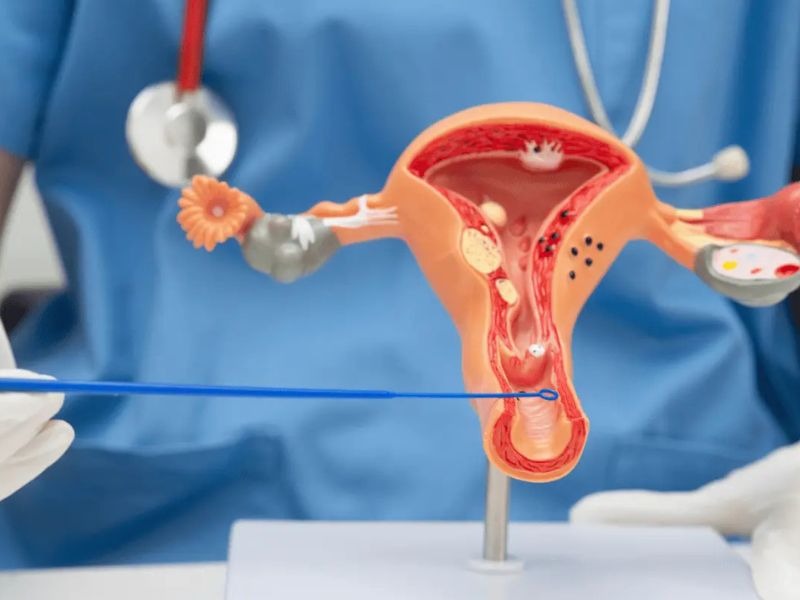
What Is HPV, and Why Is It Important?
Human papillomavirus, or HPV, is a group of viruses that can infect the skin and mucous membranes.
HPV is common, and most infections clear naturally without causing lasting health problems.
However, persistent infection with certain high-risk HPV types can cause cellular changes that may eventually lead to cervical cancer.
HPV can be transmitted through intimate skin-to-skin contact, including sexual contact.
A person can have HPV without knowing it because the infection often causes no symptoms.
An HPV diagnosis also does not mean that someone has cancer.
It means that the infection has been detected, and the appropriate follow-up depends on the test result, age, medical history, and other relevant factors.
The HPV vaccine can help prevent infections caused by important cancer-associated HPV types.