Finding signs of mice inside your home can be unsettling. A few droppings behind the refrigerator, scratching sounds at night, or a small hole near a cabinet may be enough to make you wonder whether mice have already found their way inside.
The good news is that you don't have to wait until you have a serious infestation before taking action.
Mice usually enter homes because they can find food, water, warmth, and shelter. They are also remarkably good at squeezing through surprisingly small openings. That means effective prevention isn't necessarily about using complicated products or filling your house with strong-smelling repellents.
Instead, the most reliable strategy is to make your home harder to enter and less attractive to stay in.
Here are 6 practical prevention tips that can help reduce the chances of mice getting into your home.
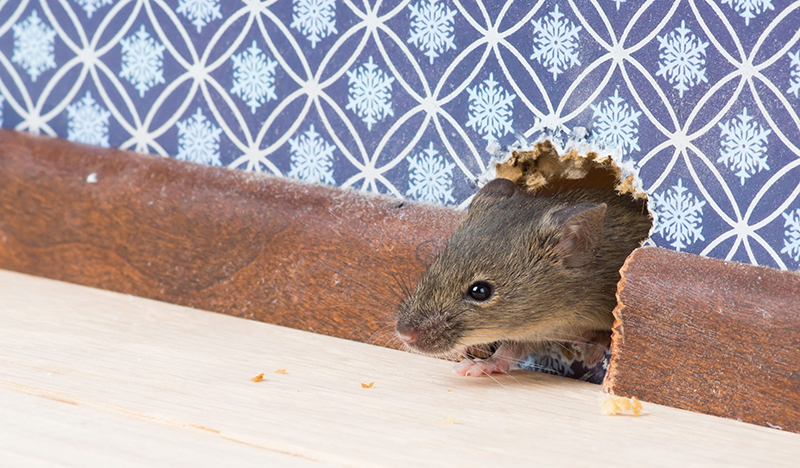
1. Seal Small Gaps and Openings
One of the most important things you can do is inspect your home for potential entry points.
Mice don't need a large hole to get inside. Small gaps around pipes, doors, windows, vents, foundations, and utility lines can provide opportunities for entry.
Pay particular attention to areas that are easy to overlook, including:
-
Gaps underneath exterior doors
-
Openings around plumbing pipes
-
Spaces around electrical cables
-
Cracks in foundations
-
Garage door gaps
-
Damaged screens
-
Openings around vents
-
Gaps behind appliances
Walk around both the inside and outside of your home and look for areas where light, air, or outdoor debris can pass through.
For small openings, appropriate materials such as steel wool combined with sealant or metal mesh can be useful because mice may chew through softer materials.
For larger structural gaps, use a more durable repair material suitable for the location.
Don't forget the garage.
Garages can be especially attractive to rodents because they often contain cardboard boxes, pet food, gardening supplies, and other potential sources of shelter.
2. Keep Food Stored Properly
Food is one of the biggest reasons mice remain around a property.
Even if your kitchen looks clean, small amounts of food can provide enough opportunity for rodents to investigate.
Mice can be attracted to:
-
Cereal
-
Rice
-
Flour
-
Bread
-
Pet food
-
Seeds
-
Nuts
-
Dry goods
-
Food scraps
-
Birdseed
Whenever possible, keep dry foods in sealed, sturdy containers rather than leaving them in open bags or easily accessible cardboard packaging.
After preparing meals, wipe down counters and clean up crumbs.
Don't forget about areas underneath appliances and furniture. Food particles can accumulate in places that aren't immediately visible.
If you have pets, avoid leaving bowls of food sitting out for long periods when practical.
Pet food can be just as attractive to mice as human food.
:quality(75)/2024_1_13_638407714000570242_rsz_bia-10.jpg)
3. Don't Give Mice Easy Access to Garbage
A full trash can can provide rodents with an easy source of food.
Use garbage containers with securely fitting lids, particularly if they are stored outdoors.
Keep trash areas clean and avoid allowing food waste to accumulate around the container.
If a garbage bag has leaked, clean the area rather than simply replacing the bag.
Outdoor garbage storage also matters.
If trash containers sit directly against the house, rodents may have easier access to both food and shelter.
Keeping them farther away from exterior walls where practical can reduce opportunities for pests to move unnoticed around your home's perimeter.
4. Reduce Clutter and Hiding Places
Mice don't only look for food.
They also look for places where they can hide and build nests.
Cluttered areas provide exactly that kind of environment.
Cardboard boxes, stacks of newspapers, unused fabric, piles of clothing, storage bags, and other materials can create sheltered spaces.
Basements, attics, garages, sheds, and storage rooms deserve particular attention.
Try to keep stored belongings organized and, where appropriate, use sealed plastic storage containers instead of piles of cardboard boxes.
This has another benefit: it makes signs of rodents much easier to notice.
When storage areas are organized, you'll be more likely to spot droppings, gnaw marks, damaged packaging, or nesting material early.
5. Pay Attention to Your Yard
Rodent prevention doesn't stop at the front door.
The area surrounding your house can influence how attractive the property is to mice.
Dense vegetation, piles of leaves, firewood, discarded materials, and overgrown areas close to exterior walls can create hiding places.
Whenever possible:
Keep vegetation and clutter from directly touching the house.
Store firewood appropriately and avoid creating piles immediately against exterior walls.
Clean up fallen fruit from trees when possible, particularly if it remains on the ground for extended periods.
Bird feeders can also deserve attention.
Birdseed scattered beneath feeders can become an accessible food source for rodents. If you use bird feeders, clean up spilled seed regularly and consider positioning feeders away from the house.
The goal isn't to make your yard completely sterile.
It's simply to reduce the combination of food, shelter, and easy access around the building.
6. Check for Signs Early
Prevention works best when you notice a problem before it becomes a major infestation.
Mice are often active when people are asleep, so you may not see them directly.
Instead, look for clues.
Common signs can include:
-
Small dark droppings
-
Gnaw marks
-
Shredded paper or fabric
-
Nesting material
-
Scratching noises
-
Unusual odors
-
Damaged food packaging
-
Greasy marks along frequently traveled areas
Droppings around food storage areas or behind appliances deserve particular attention.
If you find signs, don't simply clean them up and forget about them.
Inspect nearby areas for possible entry points and determine whether there may be an ongoing rodent problem.
If you suspect a significant infestation, professional pest-control assistance may be appropriate.
Why Prevention Is Better Than Waiting
Once mice establish themselves inside a home, removing them can become considerably more difficult.
They may find warm nesting areas inside walls, ceilings, attics, garages, or other protected spaces.
They can also reproduce quickly under favorable conditions.
That's why preventing access in the first place is often easier than trying to eliminate a population after it has become established.
Think of your house as a system.
If mice have:
Food + Water + Shelter + Entry Point
your home can become attractive to them.
Remove or reduce those opportunities, and the environment becomes less appealing.
What About Peppermint Oil and Other "Natural" Repellents?
You may have seen claims that peppermint oil, cloves, ammonia, or other strong-smelling substances can keep mice away.
Some homeowners use these products as supplementary deterrents, but they shouldn't be considered a dependable replacement for sealing entry points and removing food sources.
A strong smell may discourage an animal temporarily, but if a mouse can easily access food and shelter inside your house, scent-based methods are unlikely to solve the underlying problem.
In other words:
Don't rely on a smell when you can remove the reason the mouse wants to enter.
Physical exclusion is generally the more important strategy.
Be Careful With Mouse Traps and Poison
If mice have already entered your home, prevention and control become two separate issues.
Traps can sometimes be useful when appropriately placed and handled.
Rodenticides, however, require particular caution.
They can pose risks to children, pets, wildlife, and other animals if misused.
Poisoned rodents can also die in inaccessible areas, creating unpleasant odors and making removal difficult.
If you have children or pets, or you're dealing with a substantial infestation, professional advice can be especially valuable.
Always follow product instructions and local regulations when using pest-control products.
Don't Forget About Water
Food gets most of the attention, but water can also contribute to a rodent-friendly environment.
Check for:
-
Leaking pipes
-
Dripping faucets
-
Condensation around appliances
-
Standing water
-
Damp basements
-
Poor drainage
Fixing leaks and improving moisture control can make your home less attractive to a variety of pests, not just mice.
A dry, well-maintained home is generally easier to keep pest-free.
A Quick Mouse-Prevention Checklist
If you want a simple starting point, walk through your house and ask:
Inside
☐ Are dry foods stored in sealed containers?
☐ Are crumbs and food spills cleaned promptly?
☐ Is pet food stored securely?
☐ Are storage areas organized?
☐ Are there cardboard piles or cluttered corners?
Outside
☐ Are there gaps around doors or pipes?
☐ Are garbage containers securely closed?
☐ Is vegetation growing directly against the house?
☐ Is firewood stored away from exterior walls?
☐ Is birdseed accumulating around feeders?
☐ Are there cracks or openings around the foundation?
A few small improvements can make a meaningful difference.
The Bottom Line
Keeping mice out isn't about finding one magical household trick.
The most effective approach is to make your home difficult to enter and less rewarding once they're there.
Seal gaps and cracks, store food securely, keep garbage contained, reduce clutter, maintain the area around your house, and pay attention to early warning signs.
Most importantly, don't wait until you see a mouse running across the kitchen floor.
By the time you see one, there may already be an opportunity for them to enter somewhere nearby.
A few minutes spent checking doors, pipes, vents, garages, storage areas, and the exterior of your home can be far easier than dealing with a larger rodent problem later.
And remember: if you find persistent evidence of mice, extensive nesting, or signs that rodents are entering inaccessible parts of the building, it's worth getting professional help rather than relying entirely on DIY solutions.