Excessive Yawning: When a Common Habit May Signal Serious Health Problems
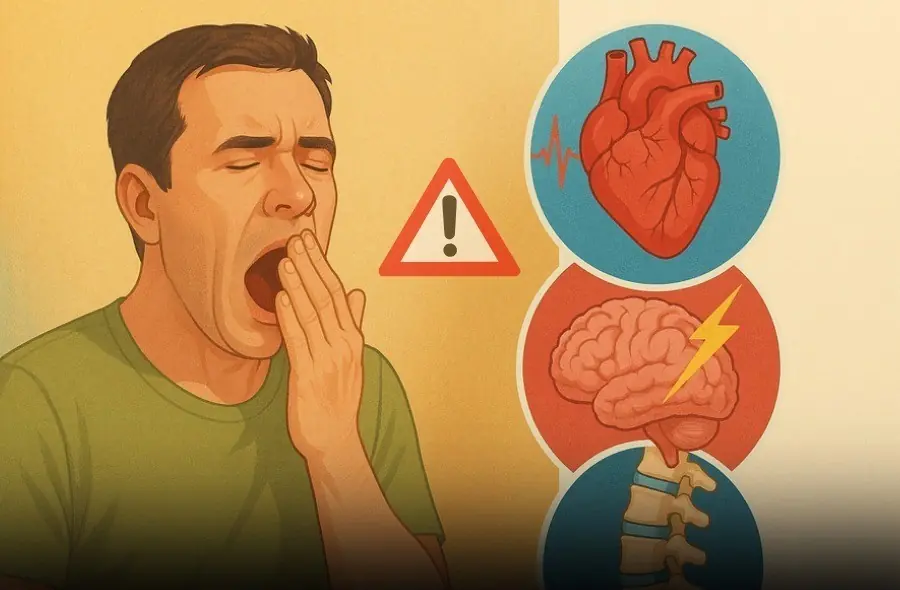
Yawning is something everyone does. It usually happens when we are tired, bored, or waking up. Most of the time, it means absolutely nothing. However, the image above highlights an important medical reality: excessive or unexplained yawning can sometimes be a warning sign that the body is under stress or facing an underlying health issue.
This does not mean yawning equals disease. But when yawning becomes frequent, uncontrollable, or appears alongside other symptoms, it deserves attention rather than dismissal.
Why Do Humans Yawn in the First Place?
Yawning is a reflex controlled by the brain. Scientists believe it helps regulate brain temperature, maintain alertness, and balance oxygen and carbon dioxide levels. In healthy situations, yawning is brief and situational.
However, when the nervous system, heart, or metabolism is affected, yawning patterns can change dramatically.
When Yawning Becomes Excessive
Excessive yawning is generally defined as yawning repeatedly throughout the day without obvious triggers such as sleep deprivation, boredom, or heavy physical activity.
Warning signs include:
-
Yawning dozens of times per hour
-
Inability to suppress yawns
-
Yawning accompanied by dizziness, weakness, or confusion
-
Sudden onset of excessive yawning without lifestyle changes
In these cases, yawning may be a signal rather than a symptom itself.
1. Heart-Related Conditions
One lesser-known cause of excessive yawning is cardiovascular stress.
Why it happens:
-
Reduced blood flow can lower oxygen delivery to the brain
-
The body responds by triggering yawning in an attempt to regulate circulation
Excessive yawning has been reported in people experiencing:
-
Heart rhythm disturbances
-
Reduced cardiac output
-
Early warning signs of heart attack in rare cases
If yawning appears with chest discomfort, shortness of breath, sweating, or nausea, medical attention is urgent.
2. Brain and Neurological Disorders
Yawning is closely linked to the brainstem, which controls basic bodily functions. When neurological signals are disrupted, yawning frequency can increase.
Possible neurological causes include:
-
Stroke or transient ischemic attack (TIA)
-
Brain tumors
-
Epilepsy
-
Multiple sclerosis
Excessive yawning related to neurological issues is often accompanied by:
-
Sudden headaches
-
Vision changes
-
Slurred speech
-
Weakness or numbness on one side of the body
In these situations, yawning is not harmless—it is a neurological red flag.
3. Sleep Disorders and Chronic Fatigue
One of the most common and least dangerous causes of excessive yawning is poor sleep quality.
Conditions linked to frequent yawning include:
-
Sleep apnea
-
Insomnia
-
Chronic fatigue syndrome
-
Irregular sleep schedules
Sleep-related yawning usually improves with rest, lifestyle changes, or medical treatment. However, untreated sleep disorders can increase the risk of heart disease, diabetes, and depression over time.
4. Hormonal and Metabolic Imbalances
Hormones influence energy levels, temperature regulation, and brain activity. When hormonal balance is disrupted, yawning may increase.
Possible causes:
-
Thyroid disorders
-
Low blood sugar
-
Adrenal dysfunction
Yawning in these cases often comes with fatigue, weight changes, mood swings, or intolerance to heat or cold.
5. Medication Side Effects
Certain medications are known to cause excessive yawning as a side effect.
Common examples include:
-
Antidepressants (especially SSRIs)
-
Anti-anxiety medications
-
Parkinson’s disease treatments
If yawning begins after starting a new medication, it should be discussed with a healthcare provider rather than ignored.
What Excessive Yawning Does NOT Mean
It is important to be clear:
-
Occasional yawning is completely normal
-
Feeling sleepy does not mean illness
-
Yawning alone cannot diagnose any disease
The concern arises only when yawning becomes persistent, unexplained, or paired with other symptoms.
When to See a Doctor
Medical advice should be sought if excessive yawning:
-
Appears suddenly and frequently
-
Persists for several days without improvement
-
Is accompanied by chest pain, weakness, confusion, or vision problems
-
Interferes with daily life
Early evaluation helps rule out serious conditions—or catch them early when treatment is most effective.
Listening to the Body’s Quiet Signals
The body does not always send loud warnings. Sometimes, it communicates through subtle changes—habits that seem harmless because they are familiar.
Yawning is one of those habits.
Most of the time, it is meaningless. But in certain contexts, it can be the body’s quiet request for attention.
A Final Reminder
Health awareness is not about fear—it is about timing. Recognizing unusual patterns and acting early can prevent serious consequences.
If excessive yawning feels different than usual, persistent, or paired with other symptoms, do not brush it off.
Sometimes, the smallest signals carry the most important messages.