So the next time you reach for your usual drink, take a second to think about what you're actually getting from it.
Is it providing hydration?
Is it adding unnecessary sugar?
Is it replacing a source of calcium?
Is it loaded with caffeine?
Or is it simply something you enjoy occasionally as part of an otherwise balanced lifestyle?
You don't have to fear your favorite beverage.
You just need to understand its place in the bigger picture.
Because strong bones aren't built by one miracle food or destroyed by one ordinary drink.
They are supported - or neglected by the habits you repeat every day.
A Simple Daily Routine for Better Bone Health
Once you understand that bone health depends on your overall lifestyle, the solution becomes much less frightening.
You don't need a perfect diet.
You don't need to eliminate every beverage you enjoy.
And you certainly don't need to become obsessed with calcium.
Instead, think about creating a few simple habits that you can maintain for years.
Start your morning with a glass of water.
If you enjoy coffee, have it in moderation and consider keeping added sugar and highly sweetened creamers to a minimum.
At breakfast, include a source of calcium and protein, such as yogurt, milk, fortified soy milk, or another nutrient-rich option that fits your diet.
During the day, make water your primary drink.
If you enjoy soda, consider treating it as an occasional beverage rather than something you automatically reach for every day.
The same principle applies to energy drinks.
If you're constantly relying on caffeine to get through the day, it may be worth asking why.
Are you sleeping enough?
Are you eating enough?
Are you under constant stress?
Are you physically inactive?
Sometimes the solution isn't another source of caffeine.
It is better sleep, better nutrition, or a healthier daily routine.
Don't Forget Strength Training
One of the most effective ways to support your bones is also one of the simplest: use them.
Resistance exercise challenges your muscles and creates mechanical loading on your skeleton.
You don't necessarily need expensive equipment.
Depending on your fitness level, exercises such as squats, lunges, resistance-band exercises, stair climbing, or weight training can become part of a bone-friendly routine.
If you are older, have osteoporosis, or have previously experienced a fracture, it's wise to discuss exercise choices with a healthcare professional or qualified exercise specialist before starting a new program.
The goal is not to exercise as hard as possible.
The goal is to exercise consistently and safely.
Your Future Self Will Benefit From Today's Choices
Bone loss often happens quietly.
You may not feel your bones becoming weaker.
You may not notice anything changing from one month to the next.
That's why prevention can feel so unimportant when you're young and healthy.
But years later, those daily habits can matter.
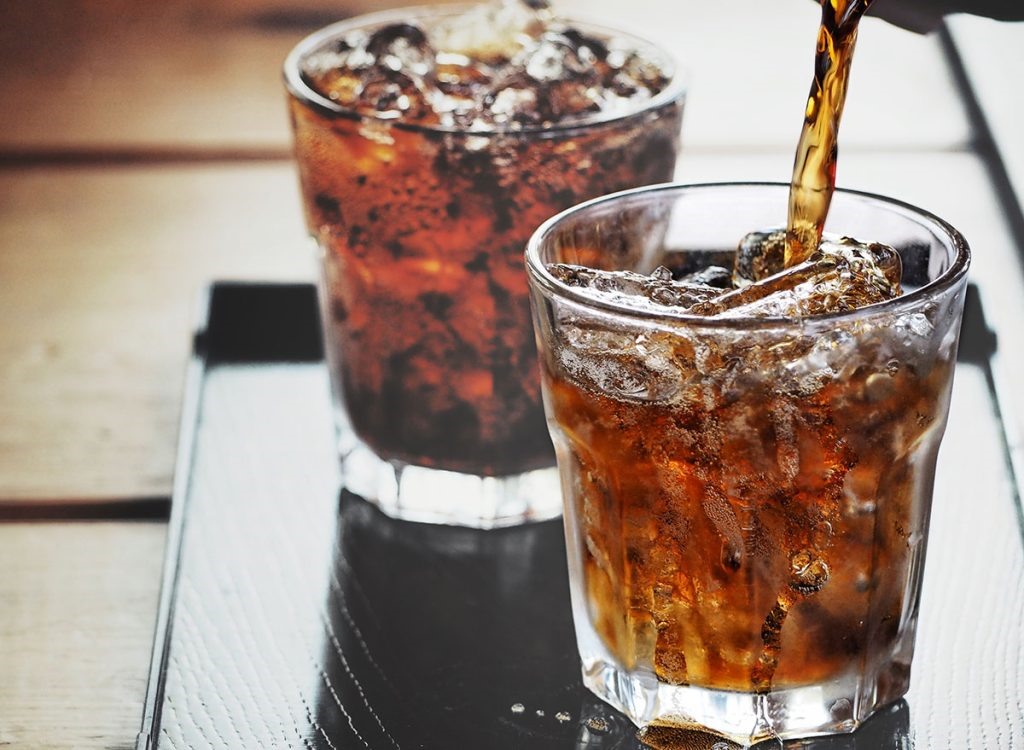
The soda you drink occasionally isn't the problem.
The coffee you enjoy in the morning isn't automatically the problem.
An occasional energy drink isn't a diagnosis.
The real question is what your overall lifestyle looks like when these habits are repeated for months and years.
Are you giving your body enough nutrients?
Are you moving regularly?
Are you maintaining muscle?
Are you getting enough calcium and vitamin D?
Are you avoiding smoking?
Are you keeping alcohol intake within reasonable limits?
And are you paying attention to your personal risk factors?
Those questions are much more useful than asking whether one particular beverage is "good" or "bad."
A Final Reminder
It's easy for health headlines to make ordinary foods and drinks sound frightening.
But nutrition rarely works in such simple terms.
Your bones don't know that you drank one can of soda on Tuesday.
They respond to your overall nutritional and physical environment over time.
So don't approach this topic with fear.
Approach it with awareness.
If you drink sugary soft drinks every day, gradually reducing them may be a worthwhile change.
If you consume large amounts of caffeine, consider moderating your intake.
If energy drinks have become part of your daily routine, look at why you depend on them and whether healthier alternatives could provide what you need.
And above all, make sure your diet provides the nutrients your bones need.
Because protecting your bones isn't about living a life without your favorite drinks.
It's about making sure those drinks don't replace the habits that keep your body strong.
Your bones are with you for life. The small choices you make today can help determine how well they support you tomorrow.
Connect this continuation to the earlier sectionsAdd a stronger reader action plan