Why Do These “Little White Stones” Appear in the Mouth and Smell So Bad?
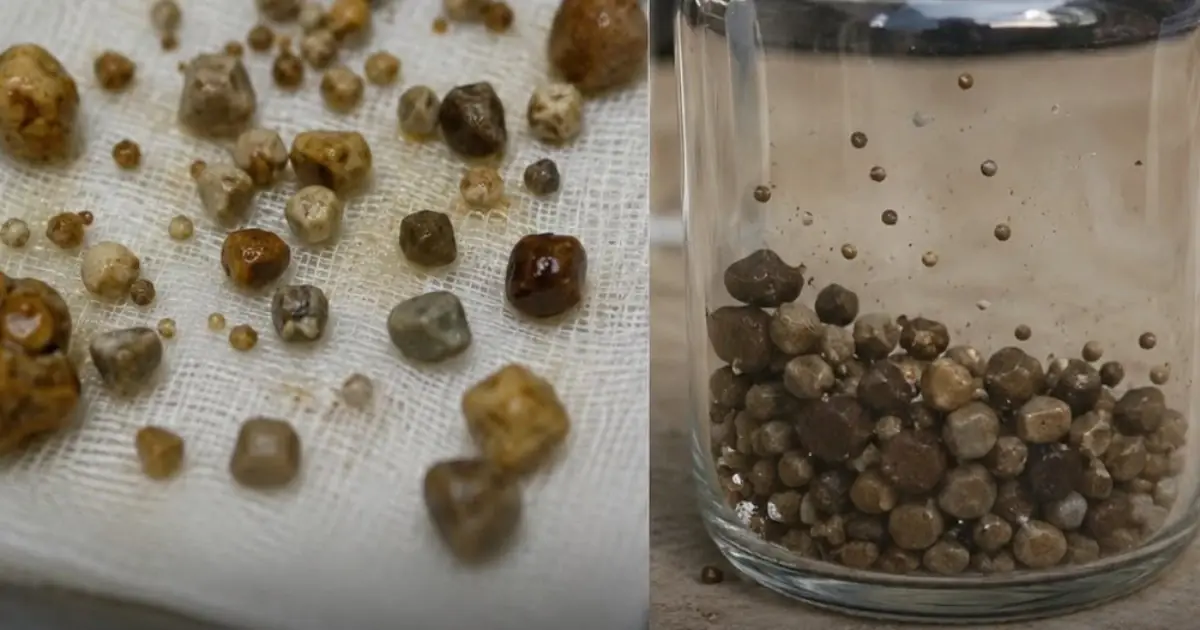
Tiny white lumps in the throat may explain persistent bad breath.
⏱️ 1 min read 27/08/2026 04:04
Stroke doesn't always happen suddenly. In many cases, our daily habits quietly contribute to the risk for years before any warning signs appear. The good news is that many stroke risk factors are preventable.
Here are some common habits that may increase your risk of stroke without you even realizing it.
Spending hours sitting at a desk, driving, or watching television can negatively affect blood circulation and increase the risk of high blood pressure, obesity, and cardiovascular disease—all of which are linked to stroke.
Try to stand up, stretch, or take a short walk every 30–60 minutes whenever possible.
A diet high in sodium can contribute to high blood pressure, which is one of the leading risk factors for stroke. Many processed foods, canned products, fast foods, and packaged snacks contain more sodium than most people realize.
Choosing fresh foods and checking nutrition labels can help reduce excessive salt intake.
High blood pressure is often called the "silent killer" because it usually causes no obvious symptoms. It damages blood vessels over time and significantly increases the risk of both ischemic and hemorrhagic stroke.
Regular blood pressure checks are one of the simplest and most important preventive measures.
Poor sleep habits may affect cardiovascular health. Research suggests that consistently getting insufficient sleep or excessive sleep may be associated with an increased risk of stroke.
Most adults benefit from approximately 7–9 hours of quality sleep each night.
Smoking damages blood vessels, promotes clot formation, and raises blood pressure. Even regular exposure to secondhand smoke can negatively affect cardiovascular health.
Quitting smoking can substantially reduce stroke risk over time.
Heavy alcohol consumption may increase blood pressure and contribute to heart rhythm abnormalities such as atrial fibrillation, both of which can increase stroke risk.
Moderation matters. If you drink alcohol, following recommended consumption guidelines is important.
Poorly controlled blood sugar levels can damage blood vessels throughout the body, including those that supply the brain. Diabetes is a major risk factor for stroke.
Regular health screenings and proper diabetes management can make a meaningful difference.
Long-term stress may contribute to unhealthy behaviors and physiological changes that affect cardiovascular health, including elevated blood pressure and inflammation.
Exercise, adequate rest, social support, and stress-management techniques may help reduce these effects.
Physical inactivity increases the risk of obesity, hypertension, diabetes, and cardiovascular disease. Even moderate physical activity—such as brisk walking for 30 minutes most days of the week—can benefit heart and brain health.
Seek emergency medical attention immediately if someone suddenly develops:
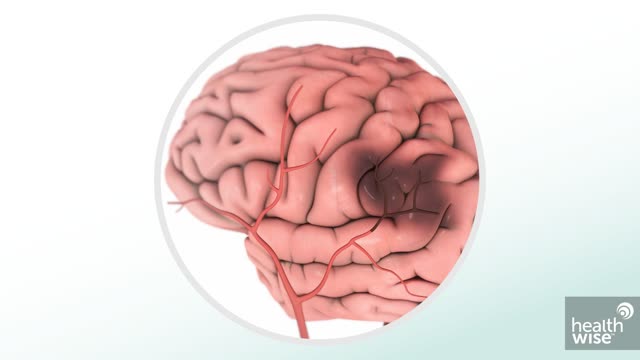
Remember the acronym FAST:
Stroke prevention often begins with small daily choices. Paying attention to your blood pressure, sleep, diet, physical activity, and regular health checkups may significantly reduce your risk over time.
Tiny white lumps in the throat may explain persistent bad breath.
Two warning signs at night seemed harmless until it was too late.
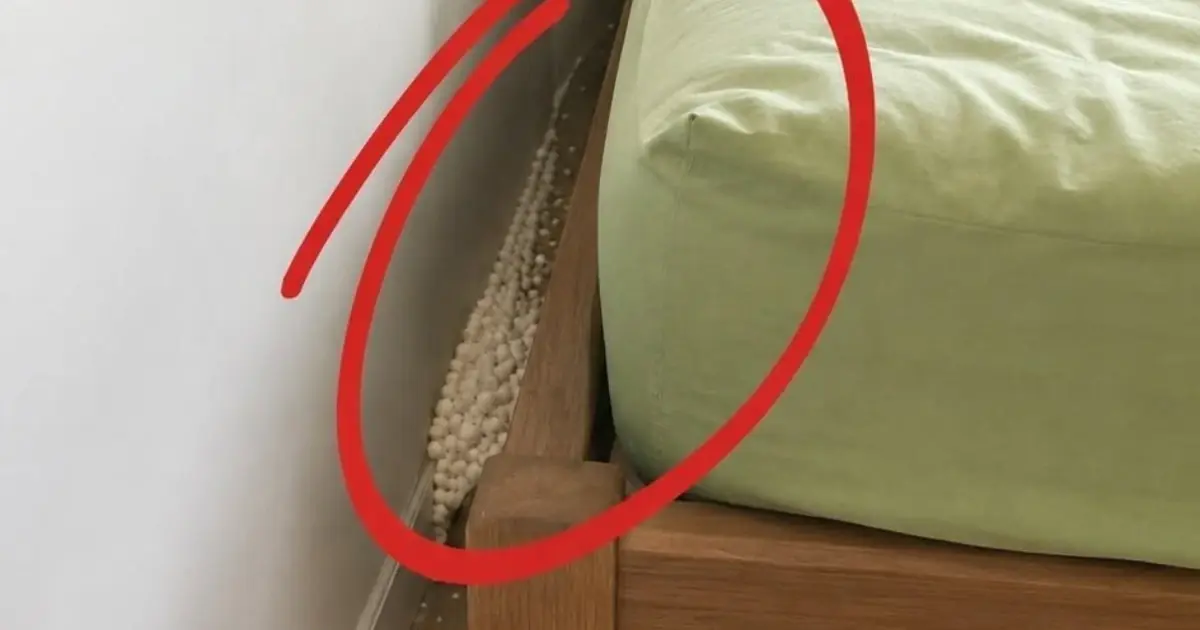
Bed bug bites can disrupt sleep and trigger itchy skin reactions.
One Banana a Day? Experts Explain Why This Fruit Is So Powerful
These Vitamin B12 Deficiency Symptoms Are Easy to Miss
Don’t Ignore These 20 Possible Warning Signs of Cancer
Sharing a roof for two decades typically implies a foundation of deep shared memories, inside jokes, and an intuitive understanding of one another. Yet, for a surprising number of modern households, the reality of long-term cohabitation looks very differe
While often overlooked or considered an unconventional ingredient in many Western cuisines, chicken feet are celebrated as a prized culinary delicacy across much of Asia, Latin America, and parts of Europe. Beyond their unique texture and rich flavor when
Kidney stones and severe urinary issues are conditions most commonly associated with adults, making it deeply alarming when medical cases emerge involving young children. Recently, the puzzling case of a 9-year-old boy diagnosed with painful kidney stones
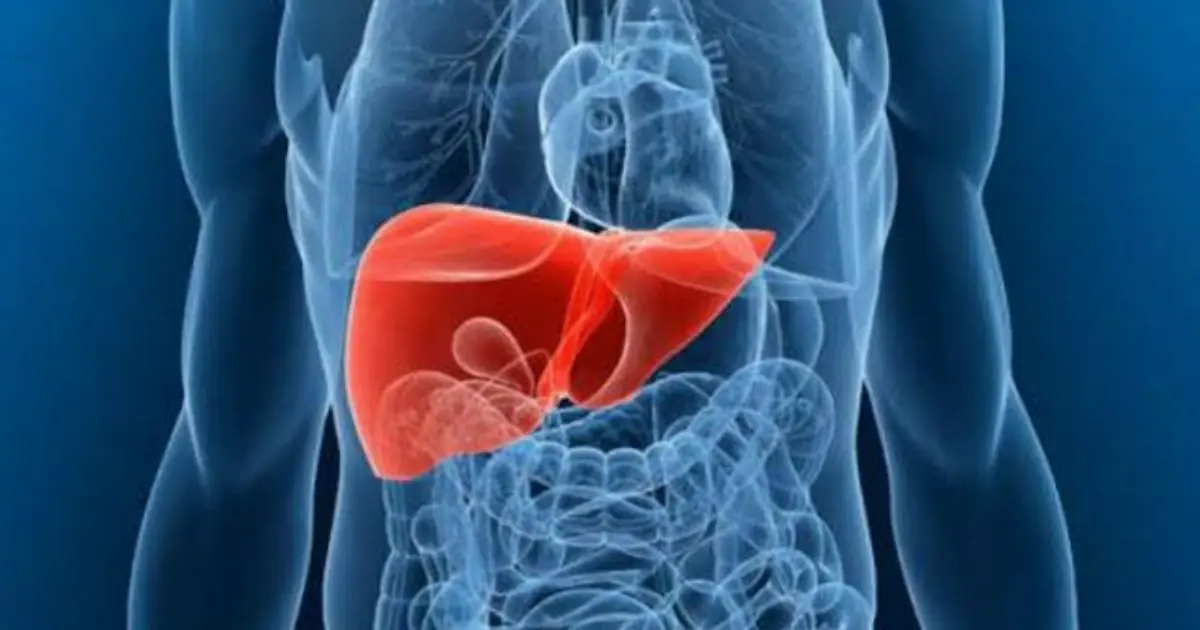
10 Early Warning Signs of Fatty Liver That Shouldn’t Be Ignored
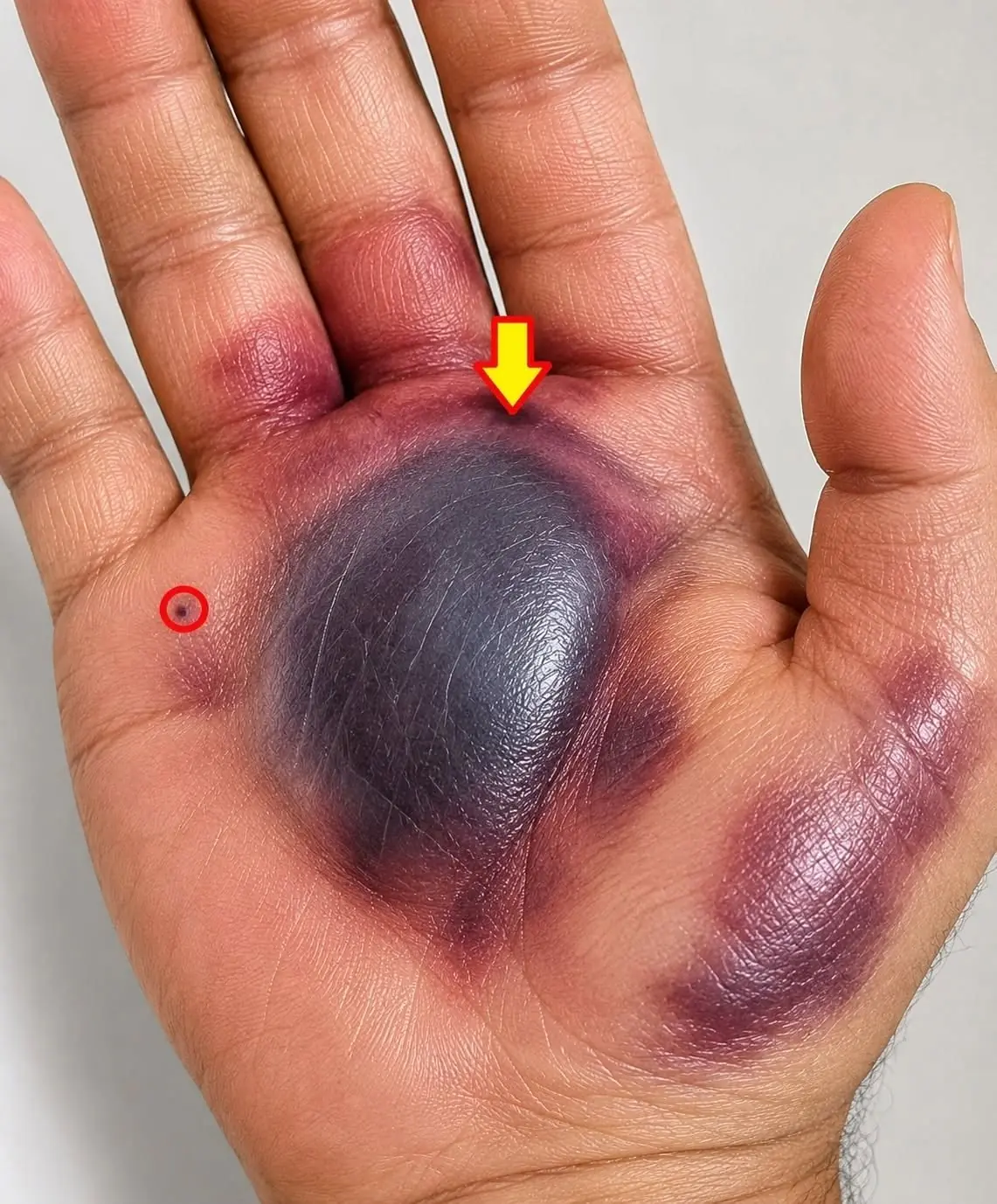
Many people dismiss minor injuries—such as a tiny kitchen nick, a scraped knee, or an itchy insect bite—as everyday nuisances that will heal entirely on their own. While healthy bodies are remarkably adept at repairing minor skin damage, medical profe

In an era where wellness trends and viral headlines often promise simple dietary hacks for longevity, claims surrounding "miracle foods" that can single-handedly ward off complex diseases are widespread. Among the most common queries are whether a specifi
Want to Protect Your Heart? Start by Taking This Out of Your Home

Ways to Soothe a Cough and Support Clearer Breathing

🍳 What Happens When You Eat Eggs Every Morning? Doctors Explain…

❤️ Feeling Your Heartbeat While Lying Down? Here’s What It Could Mean…
A simple sleeping position may offer surprising benefits for your body.
Recognizing unusual symptoms early may help prompt timely medical care.
Tiny white lumps in the throat may explain persistent bad breath.
Two warning signs at night seemed harmless until it was too late.
Bed bug bites can disrupt sleep and trigger itchy skin reactions.
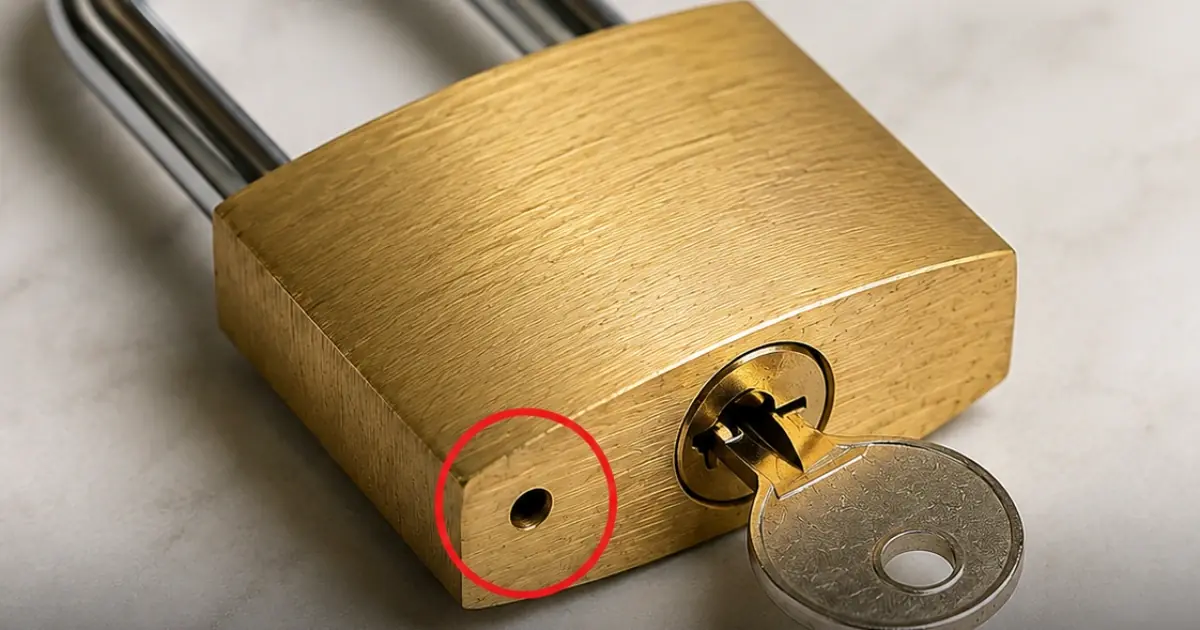
The Secret Function of This Little Hole Has Surprised Millions
One Banana a Day? Experts Explain Why This Fruit Is So Powerful
These Vitamin B12 Deficiency Symptoms Are Easy to Miss
Don’t Ignore These 20 Possible Warning Signs of Cancer
Sharing a roof for two decades typically implies a foundation of deep shared memories, inside jokes, and an intuitive understanding of one another. Yet, for a surprising number of modern households, the reality of long-term cohabitation looks very differe
When we think of the Earth’s most remote and inaccessible frontiers, the Mariana Trench—plunging nearly 11,000 meters into the pitch-black abyss of the Pacific Ocean—is often imagined as a pristine sanctuary untouched by human hands. However, recent
In an era where household utility bills continue to climb, families are constantly searching for practical ways to cut back on energy consumption. While turning off lights and adjusting thermostats have become second nature, a silent culprit continues to
While often overlooked or considered an unconventional ingredient in many Western cuisines, chicken feet are celebrated as a prized culinary delicacy across much of Asia, Latin America, and parts of Europe. Beyond their unique texture and rich flavor when
Kidney stones and severe urinary issues are conditions most commonly associated with adults, making it deeply alarming when medical cases emerge involving young children. Recently, the puzzling case of a 9-year-old boy diagnosed with painful kidney stones
For centuries, humans have been captivated by riddles, brainteasers, and seemingly impossible questions that test the limits of logic and creativity. Whether encountered in old literature, modern social media feeds, or psychological aptitude tests, these
10 Early Warning Signs of Fatty Liver That Shouldn’t Be Ignored
Many people dismiss minor injuries—such as a tiny kitchen nick, a scraped knee, or an itchy insect bite—as everyday nuisances that will heal entirely on their own. While healthy bodies are remarkably adept at repairing minor skin damage, medical profe
In a fast-paced world dominated by constant consumption and digital noise, our homes often mirror the chaos of our daily lives. Piles of unused items, crowded counters, and overflowing closets can silently drain our energy. However, a growing movement tow
In an era where wellness trends and viral headlines often promise simple dietary hacks for longevity, claims surrounding "miracle foods" that can single-handedly ward off complex diseases are widespread. Among the most common queries are whether a specifi
Want to Protect Your Heart? Start by Taking This Out of Your Home
When Dogs Chase Strangers, There May Be More Behind It Than You Think