Food is meant to nourish and sustain us, but in some cases, it can also become a hidden source of health risks. Among these risks, parasites are often overlooked. Invisible to the naked eye, these organisms can enter the human body through contaminated food and cause a range of health problems - from mild digestive discomfort to serious infections.
While modern food safety standards have reduced the likelihood of parasite exposure, certain foods still carry higher risks, especially when they are raw, undercooked, or improperly handled. Health professionals often warn that being aware of these risks is the first step toward prevention.
Below are four types of foods that doctors commonly advise caution with due to their potential to harbor parasites—and what you should know before consuming them.
1. Raw or Undercooked Meat
Raw or undercooked meat is one of the most well-known sources of parasitic infection. This includes beef, pork, and lamb that has not been cooked to a safe internal temperature.
Parasites such as tapeworms and Trichinella can be present in contaminated meat. When consumed, these parasites can survive in the human body and lead to infections affecting the intestines and muscles.
Risks associated with raw meat include:
-
Abdominal pain and digestive issues
-
Muscle inflammation
-
Long-term nutrient deficiencies
Prevention tips:
-
Cook meat thoroughly to recommended temperatures
-
Avoid consuming raw or rare meat from unreliable sources
-
Practice proper food handling and hygiene

2. Raw Fish and Seafood
Dishes like sushi, sashimi, or raw shellfish are popular worldwide, but they can carry parasites if not prepared properly. Fish may contain parasites such as Anisakis, which can infect the digestive tract.
While high-quality restaurants often follow strict safety protocols, the risk still exists—especially with improperly handled or low-grade seafood.
Possible symptoms include:
-
Nausea and vomiting
-
Abdominal pain
-
Allergic reactions
Prevention tips:
-
Choose reputable establishments when consuming raw seafood
-
Ensure fish has been properly frozen to kill parasites
-
Avoid raw seafood if you have a weakened immune system

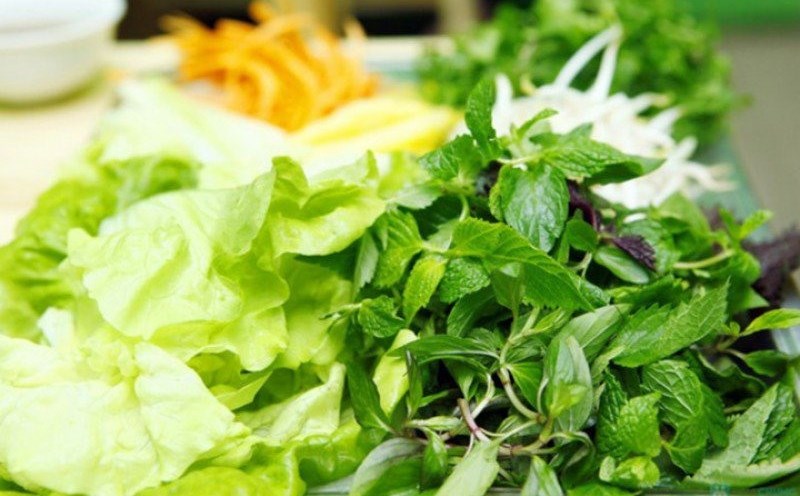
3. Unwashed Fruits and Vegetables
Fresh produce is essential for a healthy diet, but it can also be a source of parasites if not washed properly. Fruits and vegetables may be contaminated through soil, water, or handling during transportation.
Parasites such as Giardia or Toxoplasma can attach to the surface of produce and enter the body when consumed raw.
Risks include:
-
Diarrhea and gastrointestinal discomfort
-
Fatigue and dehydration
-
Infections that may affect vulnerable individuals more severely
Prevention tips:
-
Wash all fruits and vegetables thoroughly under running water
-
Peel produce when possible
-
Avoid consuming raw produce from uncertain sources
4. Unpasteurized Dairy Products
Unpasteurized milk and dairy products can contain harmful microorganisms, including parasites. Pasteurization is a process that kills harmful bacteria and parasites, making dairy safer for consumption.
Skipping this process increases the risk of exposure to infections that can affect the digestive system and overall health.
Potential issues include:
-
Stomach cramps
-
Fever and digestive upset
-
Increased risk for pregnant women and children
Prevention tips:
-
Choose pasteurized dairy products
-
Check labels carefully before purchasing
-
Avoid raw milk unless its safety is guaranteed

Why Parasites Are a Serious Concern
Parasites can live and multiply inside the human body, often without immediate symptoms. In some cases, infections may go unnoticed for long periods, gradually affecting overall health.
Long-term parasitic infections can lead to:
-
Nutritional deficiencies
-
Weakened immune system
-
Chronic digestive problems
Early prevention is far easier than treatment, which is why food safety awareness is so important.
Who Is Most at Risk?
While anyone can be affected, certain groups are more vulnerable to parasitic infections:
-
Children
-
Pregnant women
-
Elderly individuals
-
People with weakened immune systems
For these individuals, even minor exposure can lead to more serious complications.
Simple Habits to Stay Safe
Preventing parasite-related infections doesn’t require drastic changes—just consistent, mindful habits:
-
Cook food thoroughly
-
Wash produce carefully
-
Maintain kitchen hygiene
-
Store food at proper temperatures
-
Be cautious with raw or undercooked dishes
These steps significantly reduce the risk of exposure.
Final Thoughts
The idea that everyday foods could contain parasites may sound alarming, but awareness is key. Most of these risks can be avoided with proper preparation, hygiene, and informed choices.
Rather than eliminating these foods entirely, the goal is to handle and consume them safely. By understanding where the risks lie and taking simple precautions, you can continue to enjoy a balanced diet without compromising your health.
Because sometimes, the biggest threats are not what we see but what we overlook.