Waking Up With Itchy Skin? Doctors Explain the Possible Causes of Nighttime Skin Irritation
Few things are more frustrating than settling into bed only to find yourself scratching throughout the night. For some people, nighttime itching is an occasional annoyance. For others, it can become a persistent problem that interferes with sleep and affects overall quality of life.
While itchy skin at night is often harmless, doctors say it can sometimes signal an underlying skin condition, allergy, or environmental factor that deserves attention.
Here's what experts say may be behind nighttime skin irritation—and what you can do about it.
Why Does Itching Often Feel Worse at Night?
Many people notice that their skin seems itchier after they go to bed. According to experts, several factors may contribute to this phenomenon.
At night, body temperature naturally changes, blood flow to the skin may increase, and there are fewer distractions competing for your attention. As a result, sensations such as itching can become much more noticeable.
In addition, the skin tends to lose moisture while you sleep, which can contribute to dryness and irritation.
1. Dry Skin
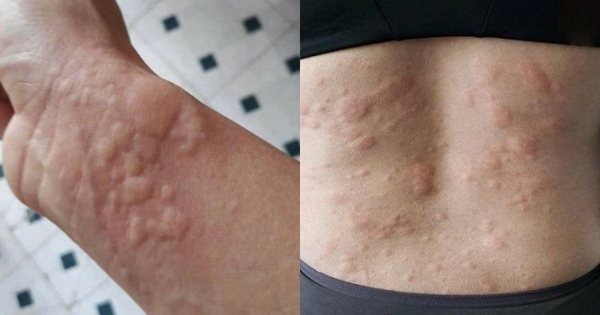
One of the most common causes of nighttime itching is simply dry skin.
Dry skin can develop due to:
- Cold or dry weather
- Excessive bathing
- Harsh soaps and cleansers
- Aging
- Low indoor humidity
When the skin loses moisture, it may become rough, flaky, and itchy, particularly during the evening hours.
What may help:
- Apply a fragrance-free moisturizer before bed.
- Avoid very hot showers.
- Use a humidifier if indoor air is dry.
2. Allergic Reactions
Your bedding may be contributing to the problem without you realizing it.
Potential triggers include:
- Laundry detergents
- Fabric softeners
- Dust mites
- Pet dander
- Certain fabrics
These allergens can irritate sensitive skin and trigger itching that becomes especially noticeable during sleep.
What may help:
- Wash bedding regularly.
- Use hypoallergenic detergents.
- Consider allergy-proof mattress and pillow covers.
3. Eczema
Eczema, also known as atopic dermatitis, is a common inflammatory skin condition that often causes intense itching.
Symptoms may include:
- Dry, cracked skin
- Red or inflamed patches
- Thickened skin
- Severe itching, particularly at night
Many people with eczema report that nighttime symptoms are often the most bothersome.
What may help:
Treatment typically involves moisturizing regularly and following a healthcare provider's recommendations for managing flare-ups.
4. Psoriasis
Psoriasis is another chronic skin condition that can lead to nighttime discomfort.
Common symptoms include:
- Thick, scaly patches
- Redness
- Dryness
- Itching or burning sensations
Although symptoms vary from person to person, itching can become more noticeable when trying to relax or sleep.
5. Insect Bites
Bed bugs, mosquitoes, fleas, and other insects can cause itching that becomes obvious during the night.
Signs may include:
- Small red bumps
- Clusters of bites
- Itching concentrated in certain areas
If multiple household members experience similar symptoms, checking for insect activity may be worthwhile.
6. Heat and Sweating
Overheating during sleep can irritate the skin and trigger itching.
Common causes include:
- Heavy blankets
- Warm room temperatures
- Non-breathable sleepwear
Sweat can irritate sensitive skin and worsen existing skin conditions.
What may help:
- Keep the bedroom cool.
- Wear lightweight, breathable fabrics.
- Avoid overly heavy bedding.
7. Stress and Anxiety
Mental health can sometimes affect physical sensations, including itching.
Stress may increase the body's inflammatory response and heighten awareness of discomfort, making itching feel more intense at bedtime.
Some people find that their symptoms worsen during periods of emotional stress or anxiety.
8. Underlying Medical Conditions
In some cases, persistent itching without an obvious rash may be linked to underlying health conditions.
These can include:
- Liver disorders
- Kidney disease
- Thyroid disorders
- Certain blood disorders
- Diabetes
Although these causes are less common, ongoing or unexplained itching should be evaluated by a healthcare professional.
When Should You See a Doctor?
Consider seeking medical advice if:
- Itching lasts for several weeks.
- Symptoms interfere with sleep regularly.
- A rash develops or spreads.
- The skin becomes infected from scratching.
- Home remedies do not provide relief.
- The itching is severe or unexplained.
A healthcare provider can help determine whether an underlying condition may be contributing to your symptoms.
Tips for Reducing Nighttime Itching
To help improve comfort while sleeping:
✓ Moisturize daily
✓ Keep your bedroom cool
✓ Wash bedding frequently
✓ Use gentle, fragrance-free skin products
✓ Avoid scratching whenever possible
✓ Stay hydrated
✓ Manage stress levels
The Bottom Line
Nighttime itching is a common problem that can have many possible causes, ranging from simple dry skin and allergies to chronic skin conditions and, in some cases, underlying medical issues.
While occasional itching is usually not a cause for concern, persistent or severe symptoms deserve attention. Identifying the root cause is often the key to finding relief and getting a better night's sleep.