That sudden sensation — like something is stuck in your throat — can feel unsettling. It may happen while swallowing, talking, or even when you're doing nothing at all. Then, moments later, a small lump comes out. It might be white, yellowish, soft or slightly firm, and sometimes it has an unpleasant smell. Naturally, this raises concern: What exactly just came out of your throat?
Let’s break it down clearly and scientifically.
The Most Likely Answer: Tonsil Stones
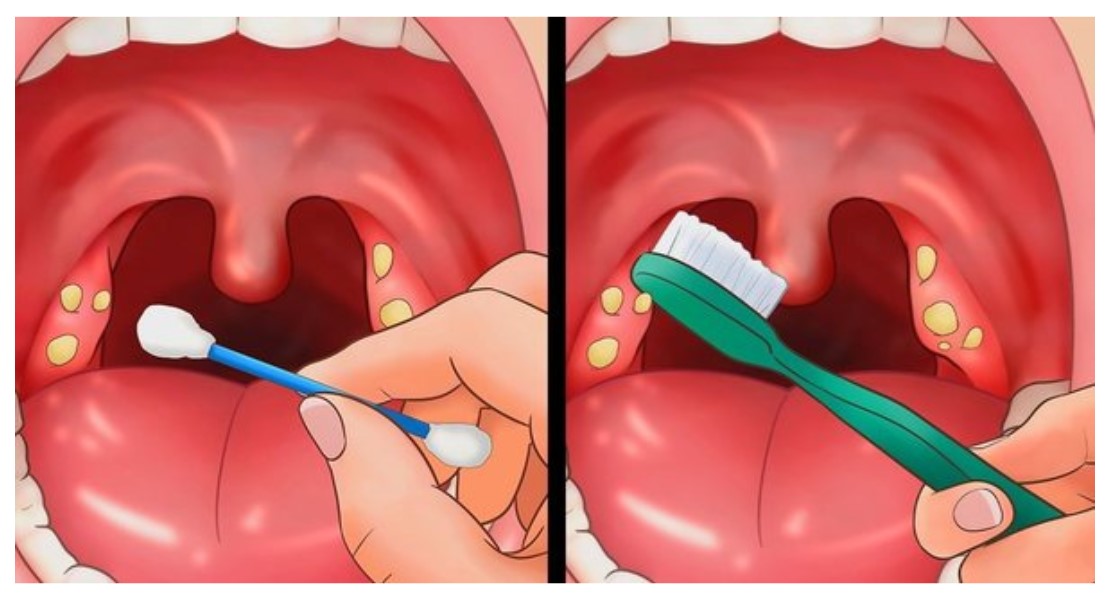
In most cases, what you experienced is something called a tonsil stone (or tonsillolith). These are small, hardened clusters that form in the tonsils — the two soft tissues located at the back of your throat.
Your tonsils are not smooth surfaces. They contain small pockets called tonsil crypts, which can trap debris over time. This debris includes:
- Dead cells
- Mucus
- Food particles
- Bacteria
When these materials accumulate, they can compact and gradually harden, forming a small lump. Eventually, the stone may dislodge on its own — which is when you suddenly feel it in your throat and then notice it coming out.

Why Does This Happen?
Tonsil stones form due to a combination of biological and hygiene-related factors. Some common contributors include:
- Poor oral hygiene: allows bacteria and debris to build up
- Chronic inflammation of the tonsils: creates deeper pockets where debris can collect
- Post-nasal drip: excess mucus feeds bacterial growth
- Naturally large tonsil crypts: some people are simply more prone to trapping debris
In simple terms, your tonsils act like tiny traps. Over time, the trapped material becomes compacted and forms a stone.
Signs You Might Have Tonsil Stones
Sometimes, tonsil stones go unnoticed until they come out. However, there are a few common signs:
- A persistent feeling that something is stuck in your throat
- Bad breath that doesn’t improve with brushing
- Mild throat irritation
- Difficulty swallowing
- Visible white or yellow spots on the tonsils
That “stuck” sensation you felt was likely the stone sitting in one of those tonsil pockets before it became dislodged.
Why Do They Smell So Bad?
One of the most noticeable characteristics of tonsil stones is their strong, unpleasant odor.
This is because they contain anaerobic bacteria, which produce sulfur compounds. These compounds are responsible for the same smell associated with:
- Rotten eggs
- Severe bad breath (halitosis)
Even a very small tonsil stone can produce a surprisingly strong odor.

Are Tonsil Stones Dangerous?
In most cases, tonsil stones are harmless. They are not cancerous, not contagious, and typically do not cause serious health problems.
However, they can be uncomfortable and socially inconvenient due to bad breath or throat irritation.
You should consider seeking medical advice if you experience:
- Persistent pain in the throat
- Difficulty swallowing that worsens over time
- Bleeding from the tonsils
- Frequent or unusually large stones
What Should You Do If It Happens?
If a small lump comes out of your throat and you suspect it’s a tonsil stone, there is usually no need to worry. However, you can take steps to prevent recurrence:
1. Maintain good oral hygiene
Brush your teeth regularly, clean your tongue, and use mouthwash to reduce bacteria.
2. Gargle with salt water
This helps flush out debris and keeps the tonsils clean.
3. Stay hydrated
A dry mouth encourages bacterial growth, which contributes to stone formation.
4. Avoid aggressive removal
If you try to remove stones manually, do so gently. The tonsils are sensitive and can bleed easily.
Could It Be Something Else?
Although tonsil stones are the most common explanation, other possibilities include:
- Thick mucus from post-nasal drip
- Small pieces of food that were stuck and later dislodged
- In rare cases, infected material from the throat
If the lump is accompanied by fever, severe pain, or swelling, it may indicate an infection rather than a simple tonsil stone.
Final Thoughts
That strange moment when something feels stuck in your throat and then suddenly comes out can be surprising - even a little alarming. But in most situations, it’s simply your body clearing out a tonsil stone.
While not dangerous, it’s a signal that your oral and throat hygiene could be improved. With simple daily habits, you can significantly reduce the chances of it happening again.
So next time it occurs, instead of panicking, you’ll know exactly what’s going on and why.