Depending on the findings, blood tests may be ordered to look for anemia, infection, inflammation, or other abnormalities.
Imaging may be recommended when examination findings or symptoms justify it.
Ultrasound can sometimes help assess a superficial lump.
Other imaging methods, such as X-rays or CT scans, may be used in selected circumstances.
If a suspicious lymph node or other abnormality requires tissue evaluation, a biopsy may be recommended.
Importantly, there is no single blood test that reliably detects every cancer.
Normal routine blood results also cannot rule out all forms of cancer.
Doctors choose tests according to the clinical situation, rather than performing every available investigation.
This targeted approach helps balance the benefits of identifying disease against the risks of unnecessary testing, including false-positive results and incidental findings.
For patients, the most helpful first step is often a clear description of what has changed and how long the symptoms have been present.
The Difference Between Cancer Screening and Symptom Evaluation
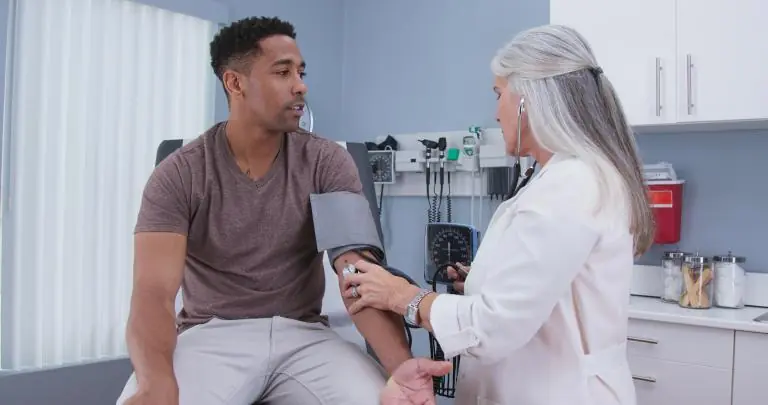
Regular healthcare is an important part of disease prevention and early diagnosis, but it is useful to distinguish screening from diagnostic evaluation.
Screening tests are performed in people who do not have symptoms, usually because they belong to a group for which screening has been shown to provide benefits.
Examples include certain breast, cervical, colorectal, and lung cancer screening programs.
Eligibility depends on factors such as age, medical history, and individual risk.
Diagnostic evaluation, by contrast, investigates symptoms or findings that are already present.
A 20-year-old experiencing unexplained night sweats and persistent swollen lymph nodes does not necessarily need a general cancer screening panel.
Instead, they need a clinician to assess the symptoms and determine whether specific tests are appropriate.
Most healthy young adults are not routinely screened for every type of cancer.
In fact, no universally recommended test can detect all cancers in people without symptoms.
Some commercial tests claim to detect multiple cancers from a blood sample, but their clinical usefulness and appropriate role require careful evaluation.
Healthcare professionals generally recommend following established screening guidance while also seeking care for concerning symptoms.
These two strategies serve different purposes.
Screening may detect certain diseases before symptoms develop.
Prompt symptom evaluation may help identify conditions that have already begun producing noticeable changes.
Both can contribute to better health outcomes when used appropriately.
Early Detection Matters, but It Is Not a Guarantee
One of the most important messages in cancer awareness is that detecting disease at an earlier stage can improve treatment options and outcomes for many cancers.
When a cancer is confined to its original location, treatment may sometimes be less extensive or more likely to achieve long-term control.
However, the relationship between stage and outcome differs across cancer types.
Some cancers grow slowly, while others can progress rapidly.
Certain cancers respond very well to treatment even when they are diagnosed at an advanced stage.
Others remain difficult to treat despite early detection.
For these reasons, it is inaccurate to suggest that every advanced cancer diagnosis could have been prevented through earlier recognition of symptoms.
Some cancers produce few or no noticeable warning signs before reaching an advanced stage.
Others may develop symptoms that closely resemble common illnesses.
Even people who seek medical care promptly can sometimes receive a diagnosis after the disease has progressed.
The purpose of symptom awareness is therefore not to assign blame to patients.
It is to encourage timely medical evaluation and reduce avoidable delays wherever possible.
Medical progress has also improved treatment for numerous cancers.
Advances in imaging, pathology, surgery, radiation therapy, immunotherapy, and targeted medicines have expanded the options available to patients.
The best treatment approach depends on the individual diagnosis and should be discussed with qualified healthcare professionals.
When Should Someone Make a Medical Appointment?
There is no single rule that applies to every symptom.
However, people should consider arranging a medical appointment when they experience persistent or unexplained changes, particularly if those changes are worsening.
Examples include recurrent drenching night sweats, a lump that remains enlarged or grows, fatigue that significantly interferes with normal activities, unintended weight loss, recurring fever, or pain that repeatedly interrupts sleep.
Symptoms do not need to become unbearable before they deserve attention.
If a person notices a new lump, unexplained weight loss, or a combination of concerning symptoms, it is reasonable to seek advice promptly rather than waiting for a routine annual appointment.
Some symptoms require more urgent attention.
Severe difficulty breathing, significant chest pain, sudden neurological changes, or other rapidly developing serious symptoms should be assessed immediately.
A clinician can help determine whether symptoms require urgent testing, follow-up monitoring, or simple treatment.
The appropriate timing depends on the nature and severity of the problem.
The key is to avoid ignoring changes that are persistent, progressive, or difficult to explain.

Practical Ways to Become More Aware of Changes in Your Health
Health awareness does not require constantly checking the body for signs of disease.
In fact, excessive symptom monitoring can increase anxiety without improving health.
A more useful approach is to become familiar with what is normal for you.
This includes understanding your typical energy level, sleep patterns, appetite, and general physical condition.
When a noticeable change develops, consider whether there is an obvious explanation.
For example, fatigue after several nights of poor sleep may improve when normal sleep patterns return.
Sweating during a heatwave may disappear when the room becomes cooler.
Swollen lymph nodes associated with an infection may gradually decrease as recovery progresses.
If a symptom does not improve as expected, that is useful information.
Writing down when symptoms occur can help identify patterns.
A brief record might include the frequency of night sweats, measured fever, changes in weight, or the duration of a persistent lump.
This information can make a medical consultation more productive.
It is also helpful to avoid relying exclusively on social media posts or online symptom searches.
Internet information can raise awareness, but it cannot replace a physical examination or personalized clinical judgment.
Many symptoms appear in descriptions of both serious and harmless conditions.
Without medical context, a person may become unnecessarily frightened or falsely reassured.
Reliable health information should support decisions about seeking care, not substitute for professional diagnosis.