Waking up in the middle of the night can feel strangely specific. You fall asleep normally, sleep for a few hours, and then suddenly find yourself staring at the ceiling at 3 or 4 a.m.
If this happens occasionally, it usually isn't something to worry about. Sleep naturally occurs in cycles, and brief awakenings are completely normal.
But if you are waking around the same time almost every night—and struggling to fall back asleep—it may be worth looking at what's happening with your sleep habits, stress levels, environment, medications, and overall health.
Despite what some viral health posts claim, waking at 3 or 4 a.m. is not automatically a sign that a particular organ is failing or that your body is "detoxing." There is no reliable medical evidence that a specific clock time corresponds to a specific organ problem.
Instead, several much more common factors can explain this pattern.
1. Your Natural Sleep Cycles May Be Waking You Up
Sleep isn't one continuous state.
Throughout the night, your brain moves through repeating cycles of non-REM and REM sleep.
A typical sleep cycle lasts roughly 80–100 minutes, although the exact duration varies between individuals and across the night.
Early in the night, you generally spend more time in deep sleep.
Later in the night, deep sleep decreases while lighter sleep and REM sleep become more prominent.
That means the early-morning hours can naturally contain more periods when you're easier to wake.
You may briefly awaken at 3 or 4 a.m. without even realizing it on other nights.
The problem usually begins when you become fully awake and start worrying about being awake.
2. Stress and Anxiety Can Keep Your Brain Alert
One of the most common explanations for repeated nighttime awakening is stress.
Your brain doesn't necessarily stop processing problems simply because you're asleep.
Work deadlines, financial concerns, relationship problems, health worries, or an upcoming event can all increase mental arousal.
You may wake up and immediately begin thinking:
"What time is it?"
"How many hours do I have left?"
"Why can't I sleep?"
"What if I'm exhausted tomorrow?"
That chain of thoughts can activate the body's stress response and make returning to sleep more difficult.
Ironically, worrying about sleep can become part of the insomnia cycle.
3. Your Sleep Schedule May Be Working Against You
Your body has an internal timing system known as the circadian rhythm.
It helps regulate sleepiness, alertness, body temperature, hormone release, and other biological processes.
If your bedtime and wake time change dramatically from day to day, your circadian rhythm may become less predictable.
For example, sleeping until noon on weekends and trying to wake at 6 a.m. on Monday can make nighttime sleep more difficult.
A relatively consistent sleep schedule can help your body anticipate when it should be asleep and when it should be awake.
4. Alcohol Can Cause Early-Morning Wake-Ups
Alcohol can make some people feel sleepy initially, which is why it is sometimes mistakenly viewed as a sleep aid.
But alcohol can disrupt sleep later in the night.
As the body metabolizes alcohol, sleep can become more fragmented.
You may experience more awakenings, lighter sleep, or reduced sleep quality.
Alcohol can also worsen snoring and sleep-disordered breathing in some people.
So if you regularly wake up at 3 or 4 a.m. after drinking in the evening, there may be a connection.
Reducing alcohol—especially close to bedtime—may improve sleep quality.
5. Caffeine May Still Be Affecting You
Coffee, energy drinks, tea, cola, chocolate, and certain medications can contain caffeine.
Caffeine has a relatively long half-life, meaning it can remain in your system for hours.
The exact effect varies from person to person.
Someone who drinks coffee late in the afternoon may fall asleep normally but experience more fragmented sleep later.
If you're waking repeatedly during the night, consider how much caffeine you're consuming and what time of day you're having it.
People who are particularly sensitive to caffeine may need to stop consuming it earlier than they expect.
6. Your Bedroom May Be Waking You Up
Sometimes the explanation is much simpler.
Your body may be reacting to your environment.
Potential sleep disruptors include:
-
Street noise
-
A partner moving around
-
Pets
-
Light coming through windows
-
A room that's too warm
-
A room that's too cold
-
Uncomfortable bedding
-
Notifications from electronic devices
Temperature is particularly important because your body naturally undergoes changes in temperature during sleep.
A bedroom that becomes warmer toward morning can make some people more likely to wake.
Keeping the room cool, dark, and quiet can help create a more stable sleep environment.
7. You May Need to Urinate
As people get older, waking during the night to urinate becomes more common.
This is known as nocturia.
Drinking a large amount of fluid close to bedtime can make nighttime urination more likely.
Alcohol and caffeine can also contribute because they can increase urine production in some circumstances.
But frequent nighttime urination can sometimes be associated with conditions such as:
-
Enlarged prostate
-
Diabetes
-
Urinary tract problems
-
Certain medications
-
Heart conditions
-
Sleep apnea
If you're consistently waking multiple times every night to urinate, it is worth discussing with a healthcare professional.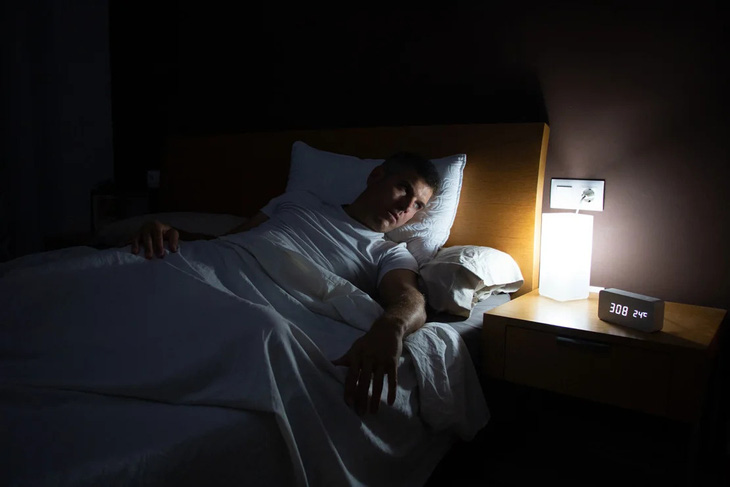
8. Hormonal Changes Can Affect Sleep
Hormonal changes can influence sleep at different stages of life.
For example, during perimenopause and menopause, fluctuations in estrogen and other hormones can contribute to:
-
Hot flashes
-
Night sweats
-
Sleep disruption
-
Mood changes
A person may wake suddenly feeling hot or sweaty and then struggle to return to sleep.
Hormonal changes can also affect sleep indirectly through changes in mood, body temperature, and nighttime discomfort.
If frequent nighttime awakenings are occurring alongside significant hormonal symptoms, medical advice may help identify appropriate treatment options.
9. Sleep Apnea Can Cause Repeated Awakenings
One important cause of disrupted sleep is obstructive sleep apnea.
During sleep, the upper airway can repeatedly become narrowed or blocked.
This can cause brief awakenings that the person may not remember the next morning.
Possible clues include:
-
Loud snoring
-
Gasping during sleep
-
Choking sounds
-
Morning headaches
-
Dry mouth upon waking
-
Excessive daytime sleepiness
-
Difficulty concentrating
-
Waking repeatedly during the night
Not everyone with sleep apnea snores loudly.
If someone tells you that you stop breathing during sleep, that is particularly important to discuss with a healthcare professional.
Untreated sleep apnea can have significant effects on cardiovascular and metabolic health.
10. Acid Reflux Can Disturb Sleep
Gastroesophageal reflux disease, or GERD, can become worse when lying down.
Stomach contents can move upward into the esophagus and cause:
-
Burning in the chest
-
Sour taste
-
Regurgitation
-
Coughing
-
Throat irritation
-
Hoarseness
Some people may wake in the middle of the night because of reflux without immediately realizing that's what's happening.
Eating a very large meal shortly before bedtime can worsen symptoms in some individuals.
If nighttime reflux happens frequently, discuss it with a healthcare professional.
11. Blood Sugar Changes May Affect Some People
Changes in blood glucose can contribute to nighttime symptoms, particularly in people with diabetes or those taking glucose-lowering medications.
Some people may experience:
-
Sweating
-
Shaking
-
Rapid heartbeat
-
Hunger
-
Confusion
-
Headache
Low blood sugar during sleep can cause a person to wake suddenly.
If you have diabetes and regularly wake up with unusual nighttime symptoms, discuss the pattern with your healthcare team.
Don't change medication doses on your own.
12. Depression and Anxiety Can Change Sleep Patterns
Mental health and sleep are closely connected.
Anxiety can make it difficult to stay asleep, while depression can produce changes in sleep duration and early-morning awakening.
Some people with depression experience a pattern of waking unusually early and being unable to return to sleep.
This doesn't mean that waking at 3 or 4 a.m. proves you are depressed.
But if nighttime awakening occurs alongside persistent sadness, loss of interest, hopelessness, major changes in appetite, or significant changes in energy, consider speaking with a healthcare professional.
13. Your Medications May Be Playing a Role
Certain medications can affect sleep.
Depending on the medication, side effects may include:
-
Insomnia
-
Nightmares
-
Increased urination
-
Drowsiness
-
Restlessness
Some medications can also interact with caffeine, alcohol, or other substances.
If your nighttime awakenings began shortly after starting or changing a medication, mention this to your doctor or pharmacist.
Don't stop a prescribed medication abruptly unless a healthcare professional tells you to do so.
14. Aging Naturally Changes Sleep
Sleep architecture changes with age.
Older adults tend to experience more fragmented sleep and may spend less time in deep sleep.
They may also wake more easily because of:
-
Nocturia
-
Pain
-
Medications
-
Medical conditions
-
Changes in circadian rhythm
Therefore, waking briefly during the night isn't necessarily abnormal.
The key question is whether you're getting enough restorative sleep and functioning normally during the day.
What You Should Do If You Wake Up at 3 or 4 A.M.
The worst thing you can do is panic.
If you wake up and feel relatively calm, give yourself a chance to fall back asleep.
Keep the lights low and avoid immediately checking your phone.
Bright light and stimulating content can make your brain more alert.
Try slow, relaxed breathing and allow your body to settle naturally.
If you're still wide awake after some time, consider getting out of bed and doing something quiet in dim lighting.
You can read a few pages of a boring or relaxing book.
Return to bed when you begin feeling sleepy again.
This can help prevent your bed from becoming associated with frustration and wakefulness.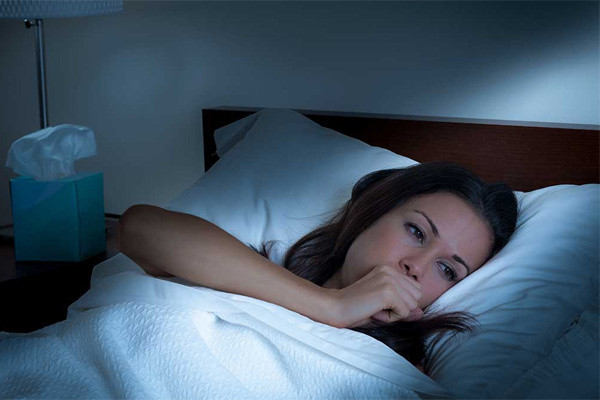
Don't Keep Checking the Clock
Clock-watching can make nighttime awakening worse.
You wake up.
You check the time.
You calculate how many hours remain before your alarm.
You start worrying.
Your brain becomes more alert.
You check the time again.
And the cycle continues.
If possible, turn the clock away from your line of sight.
Your body doesn't need to know whether it's 3:07 or 3:42 a.m. in order to fall back asleep.
What You Do During the Day Matters Too
Nighttime sleep is strongly influenced by daytime habits.
Regular physical activity can improve sleep quality.
Natural daylight exposure, particularly earlier in the day, can also help reinforce your circadian rhythm.
Try to maintain a relatively consistent wake time.
Avoid extremely long daytime naps if they make it harder to sleep at night.
And be mindful of caffeine and alcohol intake.
Create a Wind-Down Routine
Your brain benefits from predictable signals that bedtime is approaching.
A simple routine might include:
Dim the lights → stop stimulating activities → take a warm shower → read → relax → sleep.
The exact routine isn't important.
Consistency is.
When Should You Talk to a Doctor?
Occasional nighttime awakening is normal.
But consider seeking professional advice if you:
-
Wake repeatedly almost every night
-
Regularly wake too early and can't return to sleep
-
Feel exhausted during the day
-
Snore loudly
-
Wake gasping or choking
-
Experience frequent nighttime urination
-
Have persistent nighttime heartburn
-
Have severe night sweats
-
Experience unexplained weight changes
-
Notice significant mood changes
-
Have symptoms that interfere with work or daily life
Persistent insomnia can often be treated effectively once the underlying factors are identified.
Don't Believe Every "3 A.M. Detox" Claim
There are plenty of viral posts claiming that waking at a specific time means your liver, kidneys, lungs, or another organ is "trying to detox."
These claims are not supported by established medical science.
Your organs don't follow a simplistic schedule where one specific organ becomes active at 3 a.m. and another at 4 a.m.
The body is much more complex than that.
If you repeatedly wake at 3 or 4 a.m., it's much more useful to consider sleep cycles, stress, alcohol, caffeine, environmental factors, medications, hormones, reflux, sleep apnea, or other medical conditions.
The Bottom Line
Waking up at 3 or 4 a.m. doesn't automatically mean something is wrong with your body.
Brief awakenings are a normal part of sleep, and many people simply become more aware of them during the lighter stages of sleep that occur later in the night.
However, repeatedly waking at the same time and being unable to return to sleep can sometimes be associated with stress, irregular sleep schedules, alcohol, caffeine, nighttime urination, hormonal changes, acid reflux, medications, sleep apnea, or mental-health conditions.
Instead of assuming that a specific time has a mysterious medical meaning, pay attention to the bigger pattern.
How often does it happen? How long are you awake? Do you feel rested the next day? Are there other symptoms?
Those details are much more useful.
And if nighttime awakenings are persistent, worsening, or affecting your daytime life, don't simply accept poor sleep as something you have to live with.
Finding the underlying cause is usually far more valuable than trying to decode the clock.