Heart disease remains one of the leading causes of death worldwide, but it often develops gradually over many years. In some cases, the body may show subtle signs that something isn't quite right before a serious event such as a heart attack or heart failure occurs. Recognizing these symptoms early and seeking medical evaluation when appropriate can make a significant difference.
However, it's equally important to understand that no single symptom can diagnose heart disease. Many of the signs discussed below can also result from non-cardiac conditions such as anxiety, lung disease, digestive disorders, anemia, or simply aging. The goal is not to cause alarm but to encourage awareness of changes that may warrant a conversation with a healthcare professional.
Here are ten symptoms that may provide clues about your heart health.
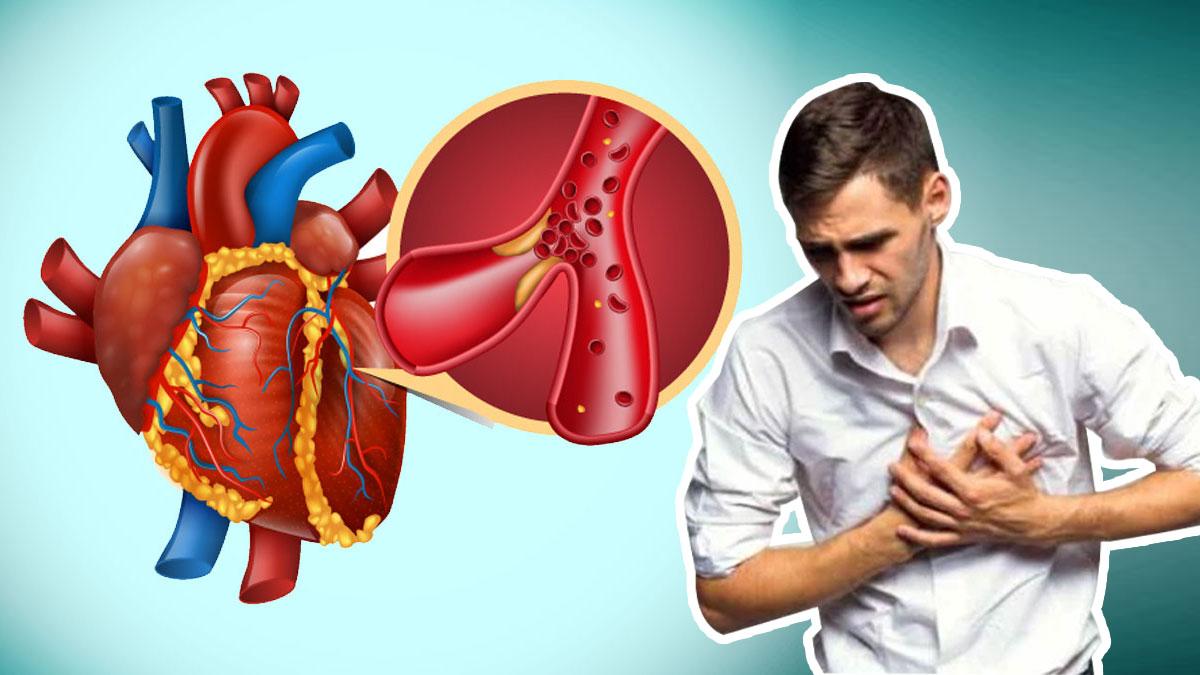
Why Heart Disease Can Cause Symptoms Throughout the Body
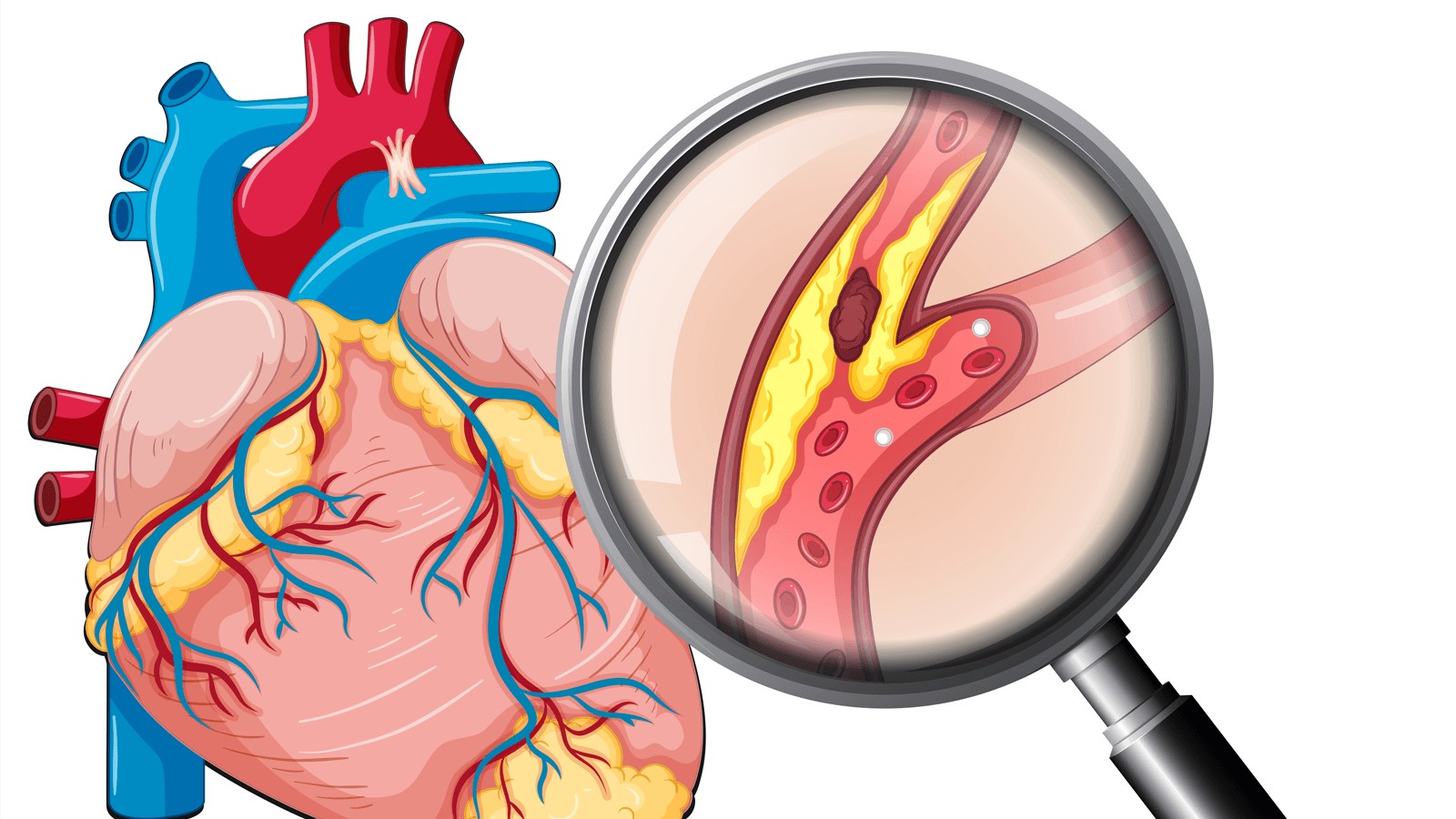
Your heart pumps oxygen-rich blood to every organ and tissue. When the heart cannot pump efficiently or the coronary arteries become narrowed, different parts of the body may receive less oxygen and nutrients.
Depending on the underlying condition, symptoms may involve:
-
The chest
-
Lungs
-
Legs
-
Brain
-
Digestive system
-
Kidneys
-
Skin
Because the cardiovascular system affects the entire body, heart disease can present in many different ways.
1. Chest Pain, Pressure, or Tightness
Chest discomfort is one of the best-known symptoms of heart disease.
People describe it as:
-
Pressure
-
Tightness
-
Squeezing
-
Heaviness
-
Burning
-
Fullness
The discomfort may last for several minutes or come and go.
Possible Causes
Chest pain may be associated with:
-
Coronary artery disease
-
Angina
-
Heart attack
However, it may also result from:
-
Acid reflux
-
Muscle strain
-
Anxiety
-
Lung conditions
Any new or unexplained chest pain deserves medical attention.
2. Shortness of Breath
Feeling unusually breathless during normal activities can sometimes indicate a heart problem.
You may notice:
-
Difficulty climbing stairs
-
Becoming winded while walking
-
Breathlessness when lying flat
-
Waking at night gasping for air
Possible Causes
Shortness of breath may occur with:
-
Heart failure
-
Coronary artery disease
-
Heart valve disease
It may also be caused by asthma, chronic obstructive pulmonary disease (COPD), anemia, or other conditions.
3. Unusual Fatigue
Everyone feels tired occasionally, but persistent or unexplained fatigue can sometimes be associated with cardiovascular disease.
Some people notice:
-
Reduced exercise tolerance
-
Feeling exhausted after routine tasks
-
Needing more rest than usual
Women, in particular, may report unusual fatigue before a heart attack, although fatigue is a very common symptom with many possible causes.
4. Swelling in the Legs, Ankles, or Feet
Fluid buildup in the lower limbs may occur when the heart cannot pump blood efficiently.
This swelling, known as edema, often affects:
-
Ankles
-
Feet
-
Lower legs
Other Possible Causes
Leg swelling can also result from:
-
Kidney disease
-
Liver disease
-
Venous insufficiency
-
Certain medications
-
Pregnancy
5. Heart Palpitations
Palpitations are sensations that your heart is:
-
Racing
-
Fluttering
-
Skipping beats
-
Beating irregularly
Many palpitations are harmless and may be triggered by:
-
Stress
-
Caffeine
-
Alcohol
-
Lack of sleep
However, persistent or symptomatic palpitations should be evaluated.
6. Dizziness or Fainting
Feeling lightheaded occasionally is common, especially when standing up quickly.
However, recurrent dizziness or fainting may sometimes indicate:
-
Heart rhythm disorders
-
Valve disease
-
Low blood pressure
-
Structural heart problems
Other causes include dehydration, medication side effects, or neurological conditions.
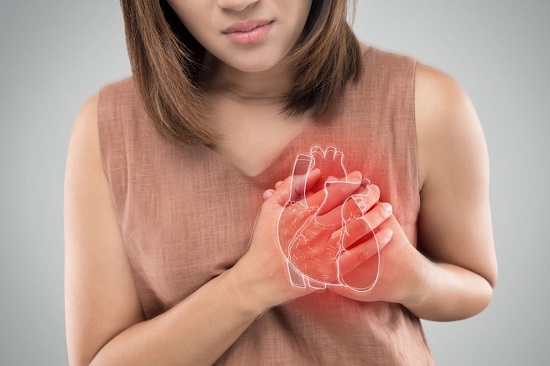
7. Pain That Spreads Beyond the Chest
Heart-related discomfort is not always limited to the chest.
Pain may radiate to:
-
The left arm
-
Both arms
-
Shoulder
-
Neck
-
Jaw
-
Upper back
Some people, particularly women, older adults, and people with diabetes, may experience these symptoms without significant chest pain.
8. Persistent Cough or Wheezing
A chronic cough is usually related to respiratory conditions, but in some cases it may occur with heart failure.
Fluid accumulation in the lungs can cause:
-
Persistent coughing
-
Wheezing
-
Difficulty breathing
A cough producing pink, frothy sputum requires immediate medical evaluation.
9. Cold Sweats, Nausea, or Indigestion
Heart attacks do not always cause dramatic chest pain.
Some people experience:
-
Sudden cold sweating
-
Nausea
-
Vomiting
-
Indigestion-like discomfort
-
Upper abdominal pressure
These symptoms are particularly common in women, older adults, and people with diabetes.
Because they can resemble digestive problems, they are sometimes overlooked.
10. Reduced Ability to Exercise
One of the earliest clues to declining cardiovascular health may be noticing that activities that once felt easy have become difficult.
Examples include:
-
Walking shorter distances
-
Climbing fewer stairs
-
Becoming tired more quickly
-
Taking longer to recover after exercise
Although aging naturally affects fitness, a sudden or unexplained decline should be discussed with a healthcare professional.
Who Is at Higher Risk of Heart Disease?
Anyone can develop heart disease, but certain factors increase the risk, including:
-
High blood pressure
-
High LDL ("bad") cholesterol
-
Diabetes
-
Smoking
-
Obesity
-
Physical inactivity
-
Family history of early heart disease
-
Chronic kidney disease
-
Older age
-
Long-term stress
Having one or more risk factors does not mean you will develop heart disease, but it may increase the importance of preventive care.
How Doctors Evaluate Heart Symptoms
If you experience symptoms that may be related to your heart, your healthcare provider may recommend one or more tests.
Medical History and Physical Examination
Your doctor will ask about:
-
Your symptoms
-
Medical history
-
Family history
-
Lifestyle habits
-
Current medications
Electrocardiogram (ECG or EKG)
This test records the heart's electrical activity and may help identify abnormal rhythms or signs of a previous heart attack.
Blood Tests
Depending on your symptoms, blood tests may evaluate:
-
Cholesterol
-
Blood sugar
-
Kidney function
-
Thyroid function
-
Cardiac biomarkers (such as troponin in suspected heart attacks)
Echocardiogram
An ultrasound of the heart can assess:
-
Heart muscle function
-
Heart valves
-
Pumping ability
-
Structural abnormalities
Stress Testing
Stress tests evaluate how your heart performs during exercise or with medication that simulates exercise.
Coronary Imaging
Some people may require CT coronary angiography or conventional coronary angiography to evaluate blood flow in the coronary arteries.
Protecting Your Heart
Many cases of cardiovascular disease can be prevented or delayed by adopting heart-healthy habits.
Eat a Balanced Diet
Choose a diet rich in:
-
Fruits
-
Vegetables
-
Whole grains
-
Beans
-
Nuts
-
Fish
-
Healthy fats such as olive oil
Limit foods high in:
-
Sodium
-
Added sugars
-
Saturated fat
-
Trans fat
-
Highly processed ingredients
Stay Physically Active
Aim for at least 150 minutes of moderate-intensity aerobic activity each week, along with muscle-strengthening activities on two or more days, unless your healthcare provider advises otherwise.
Don't Smoke
Smoking significantly increases the risk of heart attack, stroke, and peripheral artery disease. Quitting at any age provides meaningful health benefits.
Maintain a Healthy Weight
Achieving and maintaining a healthy body weight can help improve blood pressure, cholesterol levels, and blood sugar control.
Get Enough Sleep
Adults generally benefit from 7 to 9 hours of quality sleep each night. Poor sleep has been linked to an increased risk of cardiovascular disease.
Manage Stress
Long-term stress may contribute to unhealthy behaviors and elevated blood pressure. Strategies such as regular exercise, mindfulness, social support, and relaxation techniques may help.
Keep Up With Regular Checkups
Routine health screenings can identify conditions such as high blood pressure, diabetes, and high cholesterol before they cause symptoms.
Common Myths About Heart Disease
Myth 1: Heart Disease Always Causes Severe Chest Pain
False.
Some people experience mild symptoms or no chest pain at all, especially women, older adults, and people with diabetes.
Myth 2: Only Older Adults Get Heart Disease
False.
Although risk increases with age, heart disease can occur in younger adults, particularly when risk factors are present.
Myth 3: If You Exercise, You Can't Develop Heart Disease
False.
Regular exercise lowers risk but does not eliminate it. Genetics, cholesterol levels, blood pressure, diabetes, and smoking also play important roles.
Myth 4: Palpitations Always Mean Something Is Seriously Wrong
False.
Many palpitations are harmless, but persistent, recurrent, or symptomatic palpitations should be evaluated.
Myth 5: No Symptoms Means Your Heart Is Healthy
False.
Some forms of heart disease develop silently for years. This is why regular health screenings are important, especially for people with cardiovascular risk factors.
When Should You Seek Medical Care?
Schedule a medical evaluation if you experience:
-
Recurrent chest discomfort
-
Unexplained shortness of breath
-
Persistent fatigue
-
Frequent palpitations
-
Swelling of the legs or feet
-
Reduced exercise tolerance
-
Recurrent dizziness or fainting
Seek emergency medical attention immediately if you experience:
-
Chest pain or pressure lasting more than a few minutes
-
Chest discomfort that spreads to the arm, jaw, shoulder, neck, or back
-
Severe shortness of breath
-
Sudden cold sweats accompanied by chest discomfort
-
Fainting with chest pain
-
Symptoms suggestive of a heart attack or stroke
Prompt treatment can be lifesaving.
Final Thoughts
Your body may provide early clues when something is affecting your heart, but no symptom on its own confirms heart disease. Chest discomfort, shortness of breath, fatigue, leg swelling, palpitations, dizziness, radiating pain, persistent cough, nausea, and reduced exercise capacity all have many possible causes, ranging from minor conditions to serious cardiovascular disease.
Rather than trying to diagnose yourself, pay attention to persistent or changing symptoms and discuss them with your healthcare provider. Early evaluation, routine screenings, and heart-healthy lifestyle choices remain some of the most effective ways to reduce the risk of cardiovascular disease and maintain long-term heart health.