Colorectal cancer can develop quietly.
In some people, there may be no obvious symptoms at first. In others, the earliest clues may look like ordinary digestive problems—something that is easy to blame on diet, stress, aging, or a temporary stomach issue.
That's one reason knowing the potential warning signs matters.
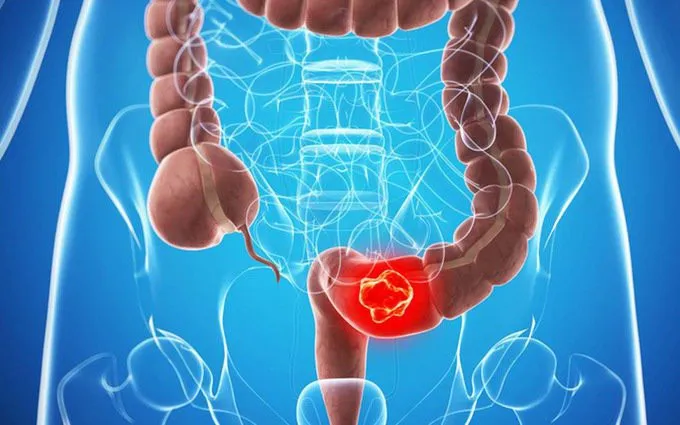
Colorectal cancer refers to cancers that begin in the colon or rectum, which are parts of the large intestine. Like many cancers, it can often be treated more effectively when detected earlier.
But there's an important point to remember:
Having one of these symptoms does not mean you have colorectal cancer.
Many of the same symptoms can be caused by hemorrhoids, constipation, infections, inflammatory bowel disease, dietary changes, medications, or other conditions.
The goal isn't to frighten yourself every time your stomach feels different.
It's to recognize persistent, unexplained, or unusual changes and know when they deserve medical attention.
Here are six symptoms worth knowing.
1. Blood in Your Stool
One of the most important changes to pay attention to is blood in or on the stool.
You might notice:
-
Bright red blood on toilet paper
-
Blood on the surface of the stool
-
Blood mixed with stool
-
Dark or black-looking stool
The appearance can vary depending on where bleeding occurs in the digestive tract.
Bright red blood can occur with relatively common problems such as hemorrhoids or anal fissures.
However, rectal bleeding can also occur with colorectal cancer and other conditions involving the colon or rectum.
That's why it's not a good idea to automatically assume that blood is “just hemorrhoids,” especially if the bleeding is new, recurrent, or accompanied by other changes.
What if the blood is only a small amount?
Even a small amount deserves attention if you don't know why it's happening.
A single episode after straining during a bowel movement may have a straightforward explanation.
But repeated bleeding should be evaluated.
The same applies to stool that becomes unusually dark or black without an obvious dietary or medication-related explanation.
If you notice unexplained blood in your stool, particularly if it keeps happening, contact a healthcare professional.
:format(webp)/ung_thu_truc_trang_1_b6ec291a35.png)
2. A Persistent Change in Your Bowel Habits
Another potential warning sign is a change in your normal bowel pattern that doesn't go away.
This can involve:
-
New constipation
-
New diarrhea
-
Alternating constipation and diarrhea
-
More frequent bowel movements
-
Less frequent bowel movements
-
Stools becoming consistently narrower or different in appearance
-
A persistent change in the consistency of your stool
Everyone experiences occasional changes in bowel movements.
Travel, stress, diet, illness, medications, and changes in routine can all affect digestion.
So one unusual bowel movement isn't usually a reason to panic.
The important word is persistent.
If your bowel habits have changed noticeably and remain different for several weeks, it's worth discussing the change with a healthcare professional.
Why Your Normal Pattern Matters
There is no single bowel movement pattern that is “normal” for everyone.
Some people go once a day.
Others go several times a day.
Some people naturally have softer stools, while others tend to have firmer stools.
What's more useful is knowing what is normal for you.
If someone who has had regular bowel movements for years suddenly develops persistent constipation or diarrhea without an obvious reason, that change is worth investigating.
Doctors don't diagnose colorectal cancer based on bowel habits alone.
Instead, they consider the pattern alongside age, family history, other symptoms, medications, medical history, and appropriate screening or diagnostic tests.
3. Unexplained Abdominal Pain, Cramping, or Bloating
Occasional bloating is extremely common.
You may experience it after eating a large meal, consuming certain foods, drinking carbonated beverages, or simply eating faster than usual.
But persistent or unexplained abdominal discomfort deserves more attention.
Some people with colorectal cancer may experience:
-
Abdominal cramping
-
Persistent discomfort
-
Bloating
-
A feeling of fullness
-
Gas
-
Changes in how the abdomen feels
Again, these symptoms are much more commonly caused by other conditions.
Irritable bowel syndrome, constipation, food intolerance, infections, and other digestive disorders can produce very similar symptoms.
The concern increases when abdominal symptoms are new, persistent, worsening, or accompanied by bleeding, unexplained weight loss, or changes in bowel habits.
4. Unexplained Weight Loss
Losing weight without intentionally changing your diet or exercise routine can be an important symptom.
For example, if someone is eating normally but continues to lose weight without trying, it deserves medical evaluation.
There are many possible explanations, including:
-
Thyroid disorders
-
Digestive diseases
-
Chronic infections
-
Medication effects
-
Depression or significant stress
-
Diabetes
-
Other medical conditions
-
Cancer
Colorectal cancer can sometimes cause unexplained weight loss.
This may happen because illness affects appetite, digestion, metabolism, or the body's overall energy requirements.
But weight loss by itself is not specific to colorectal cancer.
The important thing is to investigate unexplained weight loss rather than assuming it's simply a positive change.
5. Persistent Fatigue or Weakness
Feeling tired after a poor night's sleep is normal.
But persistent fatigue that doesn't improve with adequate rest is different.
One possible explanation in colorectal cancer is chronic blood loss.
A tumor can sometimes bleed slowly over time. You may not see obvious blood in the toilet, but ongoing blood loss can contribute to iron-deficiency anemia.
Anemia can cause symptoms such as:
-
Fatigue
-
Weakness
-
Reduced stamina
-
Shortness of breath with exertion
-
Dizziness
-
Pale skin
-
Headaches
-
Feeling unusually exhausted
Iron-deficiency anemia has many causes.
Dietary iron deficiency, menstrual blood loss, ulcers, gastrointestinal bleeding, and other conditions can all contribute.
But unexplained iron-deficiency anemia—particularly in people who are not expected to lose blood regularly—may prompt doctors to investigate the gastrointestinal tract.
That's one reason persistent fatigue shouldn't always be dismissed as simply “getting older.”
6. A Feeling That You Still Need to Have a Bowel Movement
Another symptom that people may overlook is a persistent sensation that you haven't completely emptied your bowels.
You may go to the bathroom but still feel pressure or the need to go again.
This sensation is sometimes called tenesmus.
It can occur with several conditions affecting the rectum and colon, including inflammation, infections, hemorrhoids, and other digestive disorders.
It can also occur with colorectal cancer.
If this sensation is new and persistent—particularly if it occurs alongside rectal bleeding, changes in bowel habits, abdominal discomfort, or unexplained weight loss—it's worth discussing with a healthcare professional.
These Symptoms Don't Automatically Mean Cancer
This deserves repeating.
A person with constipation does not automatically have colorectal cancer.
Someone with bloating does not automatically have colorectal cancer.
Blood on toilet paper may be caused by hemorrhoids.
Fatigue may be caused by poor sleep.
Weight loss may result from changes in diet.
Digestive symptoms have countless possible explanations.
That's why symptom lists should be used as signals to seek appropriate evaluation, not as a way to diagnose yourself.
A healthcare professional may be able to identify a simple explanation—or determine whether additional testing is needed.
Why Colorectal Cancer Can Be Difficult to Recognize
One challenge with colorectal cancer is that early symptoms can overlap with everyday digestive problems.
Someone may think:
“It's probably something I ate.”
Or:
“I've always had an irregular stomach.”
Or:
“It's just hemorrhoids.”
Sometimes that explanation is correct.
But if a symptom persists or keeps returning, repeatedly assuming it's harmless can delay evaluation.
That's why changes from your usual baseline are worth noticing.
Screening Can Find Problems Before Symptoms Appear
One of the most important facts about colorectal cancer is that screening isn't only for people who already have symptoms.
Screening can sometimes identify precancerous polyps or cancer before symptoms develop.
Different screening methods are available, including stool-based tests and visual examinations such as colonoscopy.
The appropriate screening schedule depends on factors such as age, personal history, family history, and other risk factors, and recommendations can vary by country and individual circumstances.
If you're eligible for colorectal cancer screening, don't wait until you develop symptoms to ask about it.
Screening and diagnostic testing are not the same thing:
-
Screening is performed in people who may have no symptoms.
-
Diagnostic testing is used to investigate symptoms or abnormal findings.
Both can play an important role in detecting colorectal disease.
Who May Have a Higher Risk?
Colorectal cancer risk isn't identical for everyone.
Factors that may increase risk include:
Age
Risk generally increases with age, although colorectal cancer can occur in younger adults as well.
Family history
Having a close relative with colorectal cancer or certain types of polyps can increase your risk.
Personal history
People who have previously had colorectal cancer or certain precancerous polyps may have a higher risk.
Inflammatory bowel disease
Conditions such as ulcerative colitis and Crohn's disease can increase colorectal cancer risk, particularly when the disease has been present for a long time.
Lifestyle factors
Risk can also be influenced by factors such as physical inactivity, excess body weight, smoking, alcohol consumption, and dietary patterns.
Having a risk factor doesn't mean you will develop cancer.
It simply means that prevention and appropriate screening may be particularly important.
What About Younger Adults?
Colorectal cancer is often associated with older adults, but younger people can develop it too.
That doesn't mean every digestive symptom in a younger person should trigger fear.
It means that age should not be used as the only reason to dismiss persistent warning signs.
If a young adult develops unexplained rectal bleeding, persistent bowel changes, iron-deficiency anemia, unexplained weight loss, or other concerning symptoms, they should discuss them with a healthcare professional.
What Happens If You See a Doctor?
If you report concerning digestive symptoms, your doctor may begin with questions about:
-
When the symptoms started
-
How often they occur
-
Changes in bowel habits
-
Stool appearance
-
Any bleeding
-
Abdominal symptoms
-
Weight changes
-
Family history
-
Medications
-
Diet
-
Previous medical conditions
Depending on the situation, they may recommend blood tests, stool testing, imaging, colonoscopy, or another evaluation.
You don't necessarily need every test.
The appropriate investigation depends on your symptoms and individual risk.
Don't Be Embarrassed to Talk About Bowel Symptoms
Some people delay medical care because they feel uncomfortable discussing bowel movements.
It's understandable.
But these symptoms are routine topics for healthcare professionals.
You don't need to feel embarrassed about describing:
-
Blood in stool
-
Constipation
-
Diarrhea
-
Changes in stool appearance
-
Rectal discomfort
-
Changes in bowel frequency
The more accurately you describe what's happening, the easier it may be for a clinician to determine what should happen next.
When Should You Seek Urgent Medical Attention?
Some symptoms require more immediate attention.
Seek urgent medical care if you experience significant rectal bleeding, black or bloody stools, severe or worsening abdominal pain, persistent vomiting, fainting, severe weakness, or symptoms suggesting a bowel obstruction such as severe abdominal swelling with inability to pass stool or gas.
These symptoms can have several causes and don't necessarily mean cancer.
But they shouldn't be ignored.
Don't Wait for Every Warning Sign to Appear
One common mistake is thinking:
“I only need to see a doctor if I have several of these symptoms.”
That's not necessarily true.
A single persistent or unexplained symptom can be enough reason to seek medical advice.
For example, persistent rectal bleeding deserves attention even if you otherwise feel healthy.
Likewise, unexplained iron-deficiency anemia may warrant investigation even without dramatic digestive symptoms.
The goal is not to count symptoms.
It's to recognize when something is unusual for you and isn't resolving.
What You Can Do to Support Colorectal Health
You can't eliminate every cancer risk, but several lifestyle habits can support overall health.
Stay physically active
Regular physical activity is associated with better overall health and may help reduce colorectal cancer risk.
Eat a balanced diet
A diet rich in vegetables, fruits, whole grains, and other fiber-containing foods can support digestive health.
Limit processed and red meats
Frequent consumption of processed meat and high amounts of red meat has been associated with colorectal cancer risk.
Maintain a healthy body weight
Excess body weight is associated with increased risk for several cancers, including colorectal cancer.
Don't smoke
Smoking is linked to numerous cancers and other serious health problems.
Limit alcohol
Reducing alcohol consumption can lower several health risks.
Follow recommended screening
Perhaps most importantly, follow colorectal cancer screening recommendations appropriate for your age and risk profile.
Listen to Your Body Without Panicking
It's easy to read a list of cancer symptoms and suddenly become hyperaware of every stomach sensation.
That's not the goal.
Your digestive system changes from day to day.
You may have constipation after traveling.
You may experience diarrhea after an infection.
You may feel bloated after a large meal.
You may notice hemorrhoids after straining.
These things happen.
The important distinction is between an occasional, explainable symptom and a persistent or unexplained change that doesn't return to normal.
That difference matters.

The Bottom Line
Colorectal cancer can sometimes cause symptoms that seem surprisingly ordinary.
Blood in the stool, persistent changes in bowel habits, abdominal discomfort, unexplained weight loss, persistent fatigue, and a feeling of incomplete bowel emptying are among the changes worth knowing about.
But none of these symptoms, by themselves, means that someone has colorectal cancer.
Many have much more common explanations.
The real warning is often the pattern: a new symptom that persists, repeatedly returns, worsens, or occurs alongside other concerning changes.
If something about your digestion has changed and it doesn't seem to be going away, don't simply assume it's part of getting older or something you ate.
And if you're eligible for colorectal cancer screening, remember that screening can be valuable even when you feel perfectly healthy.
Your body doesn't always send a dramatic alarm when something needs attention.
Sometimes the warning is much quieter:
A change in your usual routine. A symptom that keeps returning. Something that simply doesn't feel normal anymore.
Recognizing that change—and knowing when to ask for help—can be an important part of taking care of your health.