Diabetes can develop gradually, and some of its warning signs may become more noticeable at night.
You might wake up several times to use the bathroom. You may feel unusually thirsty, struggle to sleep, wake up sweating, experience tingling in your feet, or feel exhausted despite spending enough time in bed.
None of these symptoms automatically means you have diabetes. Many can have completely different causes. But when several symptoms appear together, become persistent, or represent a clear change from your normal routine, they are worth paying attention to.
Understanding these nighttime signals can help you recognize when it may be time to check your blood sugar and talk with a healthcare professional.
Why Can Diabetes Cause Symptoms at Night?
To understand nighttime symptoms, it helps to understand what happens to blood sugar.
After you eat, carbohydrates are broken down into glucose, which enters the bloodstream. The hormone insulin helps glucose move from the blood into cells, where it can be used for energy.
With diabetes, the body either doesn't produce enough insulin, doesn't respond effectively to insulin, or both.
As a result, glucose can remain in the bloodstream instead of moving efficiently into cells.
When blood glucose becomes too high, the body can begin producing noticeable symptoms.
Some of these effects become particularly obvious at night because you're no longer distracted by daytime activities.
1. Waking Up Frequently to Urinate
One of the most recognizable symptoms associated with high blood sugar is frequent urination.
When blood glucose becomes sufficiently elevated, the kidneys attempt to remove some of the excess glucose through urine.
Glucose draws additional water with it, increasing urine production.
This can lead to:
-
More frequent bathroom trips
-
Larger amounts of urine
-
Waking up multiple times during the night
-
Increased thirst afterward
If you're suddenly waking up two, three, or more times every night to urinate, don't automatically blame aging or drinking water before bed.
There can be many causes, but persistent nighttime urination deserves attention.
2. Extreme Thirst During the Night
Frequent urination can create a cycle.
You lose more fluid → your body becomes thirsty → you drink more → you urinate more.
Some people wake up with an unusually dry mouth or an intense need for water.
You may keep a bottle beside the bed because you're constantly thirsty.
Again, nighttime thirst isn't specific to diabetes.
It can also occur because of:
-
Dehydration
-
Hot weather
-
Excessive salt intake
-
Alcohol
-
Certain medications
-
Dry indoor air
But persistent excessive thirst combined with frequent urination is a pattern worth discussing with a healthcare professional.
3. Waking Up With a Very Dry Mouth
A dry mouth in the morning doesn't necessarily mean you have diabetes.
Sleeping with your mouth open, nasal congestion, medications, dehydration, and dry air can all contribute.
However, persistent dry mouth can also occur when the body is losing more fluid than usual.
If you regularly wake with:
-
A very dry mouth
-
Strong thirst
-
Frequent urination
-
Headaches
-
Unusual fatigue
consider whether your overall fluid balance or blood sugar could be contributing.
4. Nighttime Sweating
Waking up sweaty can be caused by many things, including a warm bedroom, heavy blankets, hormonal changes, infections, medications, and anxiety.
But in people who use insulin or certain diabetes medications, nighttime sweating can sometimes be associated with low blood sugar, also known as hypoglycemia.
Low blood sugar may cause:
-
Sweating
-
Shaking
-
Rapid heartbeat
-
Hunger
-
Anxiety
-
Dizziness
-
Confusion
-
Headache
If you repeatedly wake up drenched in sweat, especially if you have diabetes or take medication that can lower blood sugar, don't ignore the pattern.
5. Shaking or Feeling Weak During the Night
A sudden episode of trembling, weakness, or intense hunger during the night can sometimes occur when blood glucose drops too low.
You may wake up feeling:
-
Shaky
-
Weak
-
Nervous
-
Hungry
-
Sweaty
-
Dizzy
-
Confused
This is particularly important for people who take insulin or certain glucose-lowering medications.
Not everyone with diabetes experiences low blood sugar at night, and nighttime shaking has many other possible causes.
But recurrent episodes should be discussed with your healthcare team.
6. A Racing Heart While You're Sleeping
Waking suddenly with a pounding or racing heart can be frightening.
One possible cause is low blood sugar.
When glucose drops, the body releases hormones such as adrenaline to help raise blood sugar.
That stress response can produce:
-
Rapid heartbeat
-
Sweating
-
Trembling
-
Anxiety
-
Hunger
However, nighttime palpitations can also result from caffeine, alcohol, stress, sleep disorders, medications, abnormal heart rhythms, and other conditions.
If your heart repeatedly races at night, particularly if you experience chest pain, fainting, or severe shortness of breath, seek medical evaluation.
7. Tingling or Numbness in Your Feet
High blood sugar over long periods can damage nerves.
This complication is called diabetic neuropathy.
One of the most common areas affected is the feet.
Symptoms may include:
-
Tingling
-
Burning
-
Numbness
-
Pins-and-needles sensations
-
Sharp or shooting pain
-
Increased sensitivity
You may notice these sensations more at night simply because you're lying still in bed and there are fewer distractions.
If you repeatedly experience unexplained tingling or burning in your feet, don't ignore it.
There are many possible causes, but diabetes is one of the conditions that may need to be considered.
8. Burning Feet at Bedtime
Some people describe diabetic nerve symptoms as a burning sensation.
Your feet may feel:
-
Hot
-
Burning
-
Prickly
-
Electric
-
Extremely sensitive
Interestingly, the feet may feel uncomfortable even when they aren't actually hot to the touch.
This happens because damaged nerves can send abnormal signals to the brain.
Persistent burning feet deserve medical evaluation, particularly if accompanied by numbness or changes in sensation.
9. Leg Cramps During the Night
Nighttime leg cramps are common and don't automatically indicate diabetes.
They can be associated with:
-
Muscle fatigue
-
Dehydration
-
Certain medications
-
Electrolyte disturbances
-
Circulation problems
-
Nerve problems
If you frequently experience nighttime cramps along with excessive thirst, frequent urination, numbness, or other unusual symptoms, it may be worth discussing the complete pattern with a healthcare professional.
10. Restless or Uncomfortable Legs
Some people with metabolic or nerve-related problems experience unusual sensations in their legs at night.
You might feel:
-
Crawling
-
Tingling
-
Pulling
-
Burning
-
An irresistible urge to move your legs
These symptoms can also occur with restless legs syndrome, iron deficiency, certain medications, and other conditions.
Don't assume that restless legs automatically mean diabetes.
But persistent symptoms deserve investigation, especially if they're interfering with your sleep.
11. Difficulty Sleeping
Diabetes and sleep can influence each other in complicated ways.
High blood sugar may cause thirst and urination, which interrupt sleep.
Low blood sugar can cause sweating, shaking, or a racing heart.
Pain or tingling from nerve damage can also make it difficult to get comfortable.
At the same time, poor sleep itself can make blood sugar management more difficult.
This can create a frustrating cycle:
Poor sleep → metabolic stress → more difficult glucose control → more sleep disruption.
If you're consistently struggling to sleep, look beyond simply taking a sleep aid.
The underlying cause matters.
12. Waking Up Extremely Tired
If you spend seven or eight hours in bed but consistently wake feeling exhausted, something may be interfering with the quality of your sleep.
For someone with diabetes, repeated nighttime urination, low blood sugar, high blood sugar, or sleep apnea may contribute.
But daytime fatigue can also result from:
-
Poor sleep habits
-
Stress
-
Anemia
-
Thyroid problems
-
Depression
-
Medication effects
-
Sleep apnea
-
Other medical conditions
Persistent unexplained fatigue deserves attention rather than being dismissed as simply getting older.
13. Headaches When You Wake Up
Morning headaches can have many causes.
They may occur because of:
-
Poor sleep
-
Dehydration
-
Sleep apnea
-
Teeth grinding
-
Caffeine withdrawal
-
Migraine
-
Alcohol
-
Blood sugar fluctuations
If you're waking with headaches while also experiencing intense thirst, frequent nighttime urination, sweating, or unusual fatigue, it may be worth discussing these symptoms with a healthcare professional.
14. Intense Hunger During the Night
Suddenly waking up extremely hungry can happen for many reasons.
You may simply have eaten too little during the day.
But intense hunger can also accompany low blood sugar.
The body has several mechanisms for protecting itself when glucose drops.
Hunger is one of them.
If you wake up sweating, shaky, hungry, and anxious, check with your healthcare team—especially if you're taking medication that can cause hypoglycemia.
15. Blurry Vision
High blood sugar can temporarily affect the shape and fluid balance of structures in the eye, causing changes in vision.
You might notice:
-
Blurry vision
-
Difficulty focusing
-
Vision that changes throughout the day
Long-term uncontrolled diabetes can also damage the blood vessels in the retina, potentially leading to serious vision problems.
New or sudden vision changes should not automatically be attributed to diabetes, however.
They should be medically evaluated.
16. Increased Urination Followed by Extreme Thirst
The combination of these two symptoms is particularly worth noticing.
Imagine this pattern:
You wake up.
You need to urinate.
You return to bed.
A short time later, you're extremely thirsty.
You drink water.
Then you need to urinate again.
If this cycle happens repeatedly, there may be an underlying reason.
High blood glucose is one possibility.
Other causes include certain medications, kidney problems, hormonal conditions, and excessive fluid intake.
The pattern matters more than any single symptom.
17. Unexplained Weight Loss
Unintentional weight loss can be an important warning sign of diabetes, particularly when accompanied by increased thirst and urination.
When glucose can't effectively enter cells to provide energy, the body may begin using stored fat and muscle for fuel.
You may notice that your clothes become looser even though you haven't intentionally changed your diet or exercise routine.
Unexplained weight loss should always be evaluated because it has many possible causes.
18. Increased Hunger Despite Eating Normally
Some people with diabetes experience increased hunger even after eating.
This can happen because glucose isn't being used efficiently by cells.
The body may interpret the situation as a lack of available energy even though there is plenty of glucose in the bloodstream.
You may feel hungry:
-
Shortly after meals
-
Late at night
-
Shortly after waking
-
Throughout the day
Persistent excessive hunger combined with thirst, urination, or unexplained weight changes is worth discussing with a healthcare professional.
19. Slow-Healing Cuts or Wounds
This isn't necessarily a nighttime symptom, but you may notice wounds when getting ready for bed or checking your feet.
High blood sugar over time can affect circulation, immune function, and nerves.
As a result, wounds may take longer to heal.
Pay particular attention to:
-
Blisters
-
Cuts
-
Scratches
-
Cracks in the skin
-
Foot sores
People with diabetes should take foot care seriously because reduced sensation can make injuries easier to overlook.
20. Increased Itching or Dry Skin
Persistent itching can have numerous causes.
Dry air, allergies, eczema, medications, and other conditions can all contribute.
Diabetes can also affect the skin, particularly when blood glucose remains elevated.
Some people experience:
-
Dry skin
-
Itching
-
Irritation
-
Increased susceptibility to certain skin infections
If itching becomes persistent and is accompanied by other possible diabetes symptoms, consider getting evaluated.
21. Frequent Urinary Tract Infections
High blood sugar may create conditions that make certain infections more likely.
Some people with diabetes experience recurrent urinary or genital infections.
Possible symptoms include:
-
Burning during urination
-
Frequent urination
-
Urgency
-
Lower abdominal discomfort
-
Unusual discharge
-
Genital itching
If infections keep returning, it's worth discussing possible underlying causes with a healthcare professional.
22. Recurrent Nighttime Leg or Foot Pain
Nerve damage associated with diabetes can produce discomfort that becomes particularly noticeable at night.
You may experience:
-
Burning
-
Shooting pain
-
Tingling
-
Numbness
-
Sensitivity to touch
Sometimes even bedsheets touching the feet can feel uncomfortable.
If you experience unexplained nighttime foot pain repeatedly, don't simply accept it as a normal part of aging.
23. Snoring and Poor Sleep Quality
This one may seem unrelated to blood sugar, but it is important.
Sleep apnea is associated with metabolic health problems, including an increased risk of developing type 2 diabetes.
Signs of sleep apnea can include:
-
Loud snoring
-
Pauses in breathing during sleep
-
Gasping or choking during sleep
-
Morning headaches
-
Excessive daytime sleepiness
-
Difficulty concentrating
If someone tells you that you stop breathing while sleeping, don't ignore it.
Sleep disorders can have significant effects on overall health.
High Blood Sugar vs. Low Blood Sugar at Night
One of the most important distinctions is that nighttime symptoms can occur from either high or low blood glucose.
Possible signs of high blood sugar include:
-
Excessive thirst
-
Frequent urination
-
Dry mouth
-
Fatigue
-
Blurry vision
-
Unexplained weight loss
-
Increased hunger
Possible signs of low blood sugar include:
-
Sweating
-
Shaking
-
Hunger
-
Rapid heartbeat
-
Anxiety
-
Dizziness
-
Confusion
-
Weakness
The two situations require very different responses.
If you have diabetes and use medication that can cause hypoglycemia, your healthcare team can help you understand how to recognize and manage nighttime lows.
Why Nighttime Symptoms Shouldn't Be Ignored
During the day, you may be busy enough that subtle symptoms barely register.
At night, everything becomes quieter.
You notice the thirst.
You notice the tingling in your feet.
You notice that you're waking up for the bathroom again.
You notice the racing heart.
You notice that you're sweating even though the room isn't hot.
That's why nighttime can sometimes reveal patterns that aren't obvious during the day.
But remember:
A symptom is a clue, not a diagnosis.
How Is Diabetes Diagnosed?
You cannot diagnose diabetes based on nighttime symptoms alone.
Healthcare professionals use blood glucose testing to determine whether diabetes or prediabetes is present.
Depending on the situation, testing may include:
-
Fasting blood glucose
-
A1C
-
Oral glucose tolerance testing
-
Random blood glucose testing in certain circumstances
The appropriate test depends on your symptoms and medical history.
If you're experiencing multiple possible warning signs, getting tested is much more useful than trying to interpret every symptom individually.
Who Should Be Especially Aware?
Some people have a higher risk of developing type 2 diabetes.
Risk factors can include:
-
Being overweight or having obesity
-
Physical inactivity
-
Family history of type 2 diabetes
-
High blood pressure
-
Abnormal cholesterol levels
-
History of gestational diabetes
-
Increasing age
-
Certain ethnic backgrounds
-
Previous prediabetes
Having risk factors doesn't mean you'll definitely develop diabetes.
It simply means prevention and screening may be particularly important.
What You Can Do to Support Healthy Blood Sugar
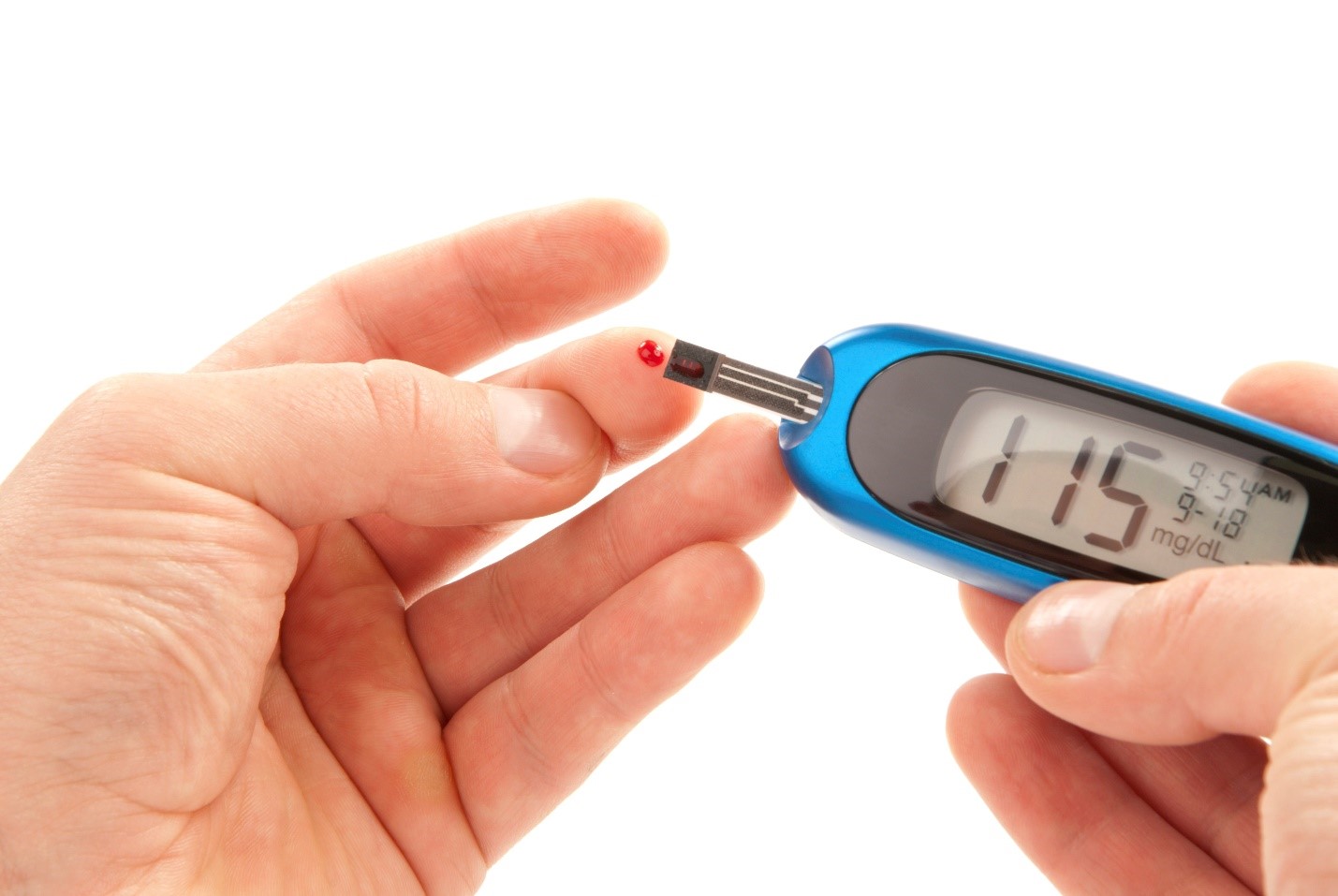
Small lifestyle changes can make a meaningful difference.
Choose More Fiber-Rich Foods
Vegetables, beans, whole grains, nuts, seeds, and whole fruits can provide dietary fiber.
Limit Excess Added Sugar
Sugary drinks and highly processed sweets can make it easier to consume excessive amounts of sugar and calories.
Stay Physically Active
Walking, cycling, swimming, resistance training, and other activities can improve insulin sensitivity and overall metabolic health.
Maintain a Healthy Weight
If you're above a healthy weight, even modest weight loss can improve metabolic health for many people.
Prioritize Sleep
Consistent, adequate sleep is an important part of metabolic health.
Manage Stress
Chronic stress can affect eating habits, sleep, and blood glucose regulation.
Don't Blame Every Nighttime Symptom on Diabetes
This is extremely important.
Waking up once to urinate doesn't mean you have diabetes.
Feeling thirsty after eating salty food doesn't mean you have diabetes.
Sweating at night doesn't automatically mean your blood sugar is low.
Tingling feet can have many causes.
Headaches can have countless causes.
Symptoms need context.
What matters is whether the symptoms are persistent, recurring, worsening, or occurring in combination.
When Should You Seek Urgent Medical Care?
Some symptoms can indicate dangerously high or low blood sugar or another serious medical problem.
Seek urgent medical attention if you experience severe symptoms such as:
-
Confusion
-
Loss of consciousness
-
Severe weakness
-
Difficulty breathing
-
Persistent vomiting
-
Severe dehydration
-
Seizures
-
Extreme drowsiness
-
Chest pain
If you have diabetes and your glucose readings are repeatedly far outside your recommended range, follow the action plan provided by your healthcare team.
A Simple Nighttime Checklist
Before going to bed, ask yourself:
Have I been unusually thirsty lately?
Am I waking up repeatedly to urinate?
Have I been waking up sweaty or shaky?
Do I experience burning or tingling in my feet?
Have I noticed unexplained weight changes?
Do I wake up extremely tired despite getting enough sleep?
Has my vision become blurry or changed unexpectedly?
Am I experiencing unusual hunger during the night?
If several of these changes are happening repeatedly, don't panic—but don't ignore the pattern either.
Consider talking with a healthcare professional and asking whether blood glucose testing would be appropriate.
The Bottom Line
Your body can sometimes provide subtle clues when blood sugar isn't being regulated properly.
At night, these clues may include frequent urination, intense thirst, dry mouth, sweating, shaking, nighttime hunger, racing heart, tingling or burning feet, poor sleep, morning headaches, blurry vision, unexplained weight loss, and persistent fatigue.
But none of these symptoms alone proves that you have diabetes.
Many have other possible explanations.
The important thing is to recognize persistent patterns rather than dismissing them.
If you're repeatedly waking up thirsty and needing to urinate, experiencing unexplained nighttime sweating or shaking, or noticing several symptoms together, it may be time to check your blood sugar and speak with a healthcare professional.
Diabetes can develop quietly, but your body may still provide clues. Paying attention to persistent changes—and getting appropriate testing when needed—is far more reliable than trying to diagnose yourself from symptoms alone.