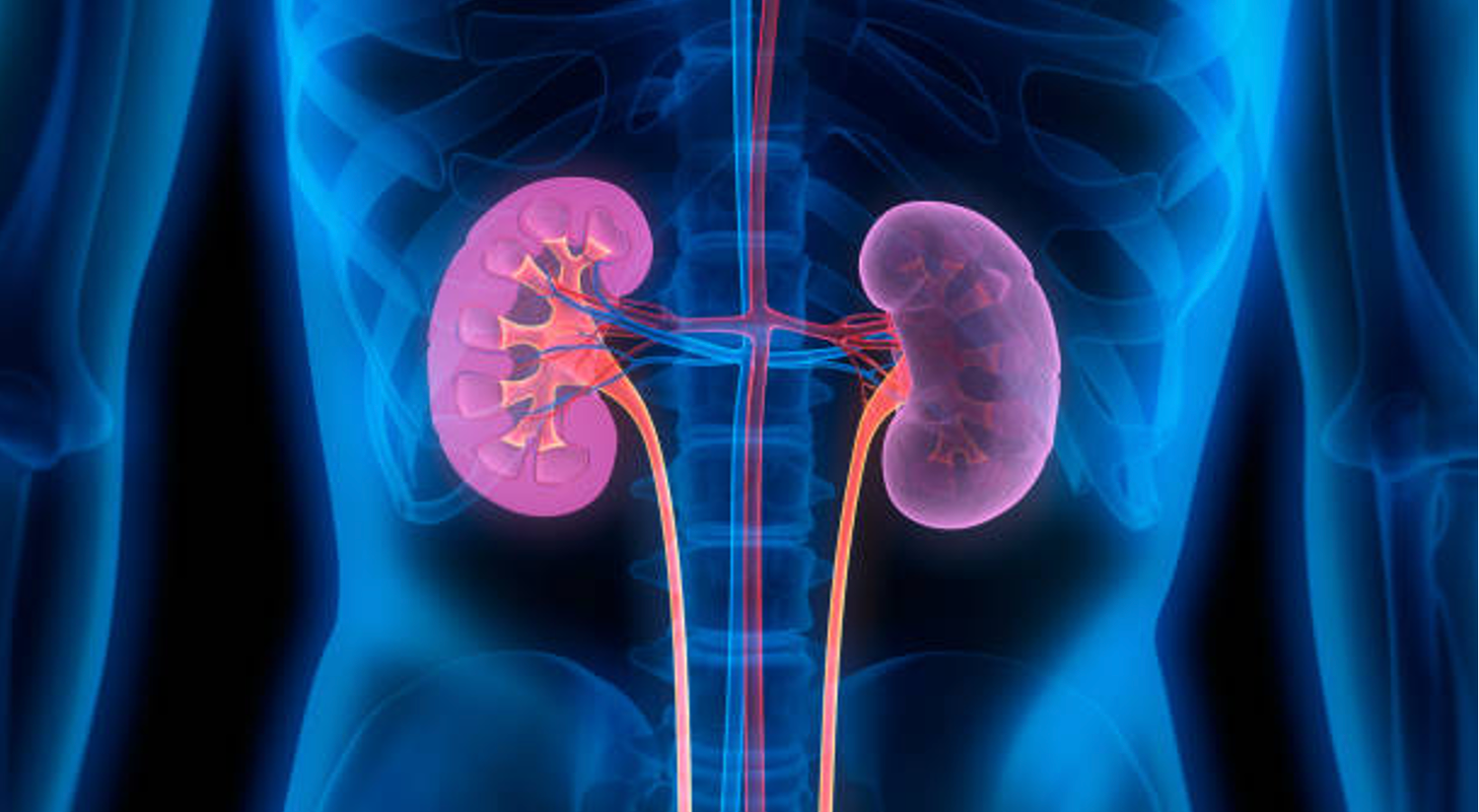
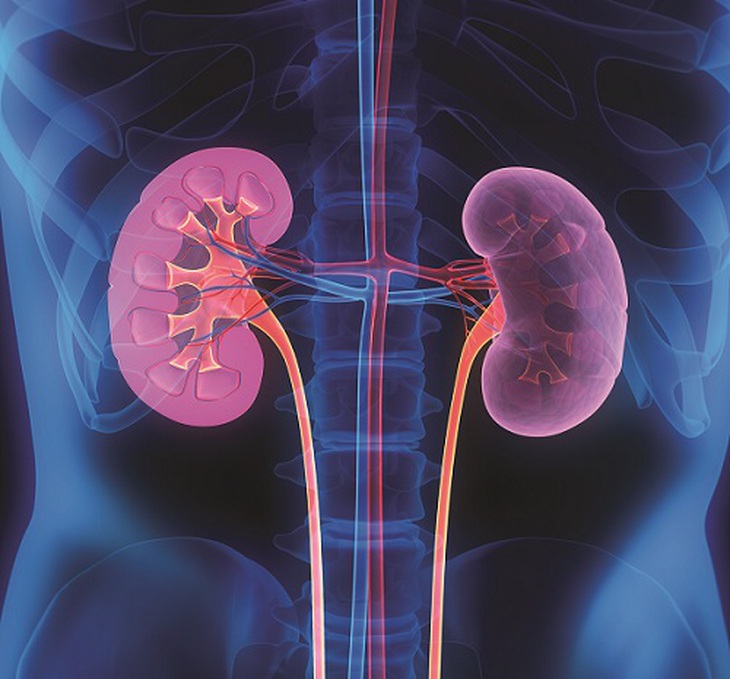
Your kidneys work quietly behind the scenes every day. These two bean-shaped organs filter waste and excess fluid from the blood, help regulate blood pressure, maintain electrolyte balance, support red blood cell production, and contribute to healthy bones.
One of the biggest challenges with kidney disease is that early kidney damage may cause few or no noticeable symptoms. A person can feel perfectly healthy while kidney function is gradually changing.
When symptoms do appear, they can be subtle and may overlap with many other health conditions. Changes in urination, swelling, fatigue, itching, or changes in appetite do not automatically mean that your kidneys are failing. However, persistent or unexplained changes deserve attention.
Here are some possible warning signals to know.
1. Changes in How Often You Urinate
A noticeable change in urination can sometimes provide an important clue about kidney or urinary health.
You may notice:
-
Urinating more frequently
-
Urinating less than usual
-
Waking several times at night to urinate
-
Difficulty starting urination
-
A sudden change in your normal urine pattern
There are many possible explanations, including increased fluid intake, caffeine, diabetes, urinary tract infections, medications, prostate problems, or pregnancy.
Persistent changes should be discussed with a healthcare professional rather than being automatically attributed to kidney disease.
2. Foamy or Persistently Bubbly Urine
Seeing a few bubbles in the toilet is usually normal.
However, urine that consistently appears unusually foamy may sometimes indicate an increased amount of protein in the urine.
Healthy kidneys normally keep most proteins in the bloodstream. When the kidney's filtering structures are damaged, proteins such as albumin can leak into the urine.
This is called albuminuria or proteinuria.
Persistent foamy urine does not prove that kidney disease is present, but a urine test can determine whether excess protein is actually being lost.
3. Blood in the Urine
Blood in the urine, medically known as hematuria, can be visible or detectable only through laboratory testing.
Urine containing blood may appear:
-
Pink
-
Red
-
Brown
-
Tea-colored
Possible causes include:
-
Urinary tract infections
-
Kidney stones
-
Kidney disease
-
Certain medications
-
Bladder conditions
-
Prostate problems
Blood in the urine should not be ignored, even if it occurs only once.
4. Swelling in the Feet, Ankles, or Legs
The kidneys help remove excess sodium and fluid from the body.
When kidney function becomes significantly impaired, fluid may accumulate in tissues, potentially causing swelling known as edema.
It may appear around the:
-
Feet
-
Ankles
-
Lower legs
-
Hands
-
Face
However, kidney disease is only one possible cause.
Swelling can also occur with:
-
Heart conditions
-
Liver disease
-
Venous insufficiency
-
Certain medications
-
Pregnancy
-
Prolonged sitting or standing
Sudden swelling of one leg accompanied by pain, redness, or warmth requires urgent medical evaluation.
5. Puffiness Around the Eyes
Some kidney conditions that cause significant protein loss through the urine can contribute to fluid accumulation around the eyes.
You may notice puffiness that is particularly obvious after waking.
However, facial puffiness is not specific to kidney disease.
It may also be related to:
-
Allergies
-
Lack of sleep
-
Sinus problems
-
Dehydration
-
High-sodium meals
-
Other medical conditions
Persistent or unexplained swelling should be evaluated.
6. Persistent Fatigue or Weakness
Kidney disease can contribute to fatigue, particularly in more advanced stages.
One reason is that damaged kidneys may produce less erythropoietin, a hormone that helps the body produce red blood cells.
Reduced red blood cell production can contribute to anemia.
Symptoms may include:
-
Persistent tiredness
-
Weakness
-
Reduced exercise tolerance
-
Shortness of breath
-
Difficulty concentrating
Fatigue is extremely common and has many possible causes, so it should not automatically be interpreted as a kidney warning sign.
7. Changes in Appetite or Taste
Advanced kidney disease can cause changes in appetite and taste.
Some people report:
-
Reduced appetite
-
Nausea
-
An unpleasant or metallic taste
-
Foods tasting different
-
Feeling full quickly
These changes can occur when waste products accumulate in the bloodstream.
However, changes in taste and appetite can also result from infections, medications, dental problems, digestive conditions, and other causes.
Persistent appetite loss—especially when accompanied by unexplained weight loss—should be evaluated.
8. Persistent Nausea or Vomiting
When kidney function becomes severely impaired, waste products can accumulate in the blood.
This may contribute to:
-
Nausea
-
Vomiting
-
Loss of appetite
-
Changes in taste
Persistent vomiting, however, can cause dehydration and may itself put additional stress on the kidneys.
If vomiting is severe, prolonged, or accompanied by reduced urination, dizziness, confusion, or significant weakness, seek medical attention promptly.
9. Persistent Itching or Very Dry Skin
Significant itching can occur in advanced chronic kidney disease.
Changes in mineral balance and the accumulation of certain substances in the bloodstream may contribute to the symptom.
Kidney-related itching is generally more associated with advanced disease rather than early kidney problems.
Many other conditions can cause itching, including:
-
Eczema
-
Allergies
-
Dry skin
-
Liver disease
-
Thyroid disorders
-
Medication reactions
Persistent unexplained itching should be evaluated.
10. Muscle Cramps or Weakness
The kidneys help regulate electrolytes and minerals in the body.
When kidney function becomes severely impaired, abnormalities involving substances such as potassium, calcium, sodium, and phosphorus may contribute to muscle symptoms.
These can include:
-
Muscle cramps
-
Weakness
-
Twitching
-
Restlessness
But occasional muscle cramps are common and can result from exercise, dehydration, medications, or other causes.
Persistent or severe muscle symptoms warrant medical assessment.
11. Pain in the Side or Lower Back
Kidney-related pain is usually felt in the flank, toward the back and below the ribs.
Kidney stones can cause severe pain that may:
-
Come in waves
-
Move toward the abdomen or groin
-
Be accompanied by nausea or vomiting
-
Occur with blood in the urine
A kidney infection may cause flank or back pain along with:
-
Fever
-
Chills
-
Burning urination
-
Frequent urination
-
Nausea
Importantly, chronic kidney disease often causes no pain at all.
Therefore, the absence of back pain does not mean the kidneys are necessarily healthy.
12. High Blood Pressure
The relationship between the kidneys and blood pressure works both ways.
The kidneys help regulate blood pressure through fluid balance and hormonal mechanisms.
At the same time, long-term high blood pressure can damage the tiny blood vessels that filter blood inside the kidneys.
This can create a cycle:
High blood pressure → kidney damage → worsening blood pressure → further kidney damage
For this reason, regularly monitoring blood pressure is an important part of protecting kidney health.
13. Shortness of Breath
Advanced kidney disease may contribute to shortness of breath in several ways.
Fluid accumulation can affect the lungs, while kidney-related anemia can reduce the blood's ability to carry oxygen.
However, breathing difficulties are much more commonly associated with heart and lung conditions.
Sudden or severe shortness of breath should always be treated as an urgent medical problem.
14. Difficulty Concentrating or Feeling "Foggy"
Some people with advanced kidney disease experience problems with:
-
Concentration
-
Alertness
-
Memory
-
Mental clarity
This can occur when waste products accumulate in the bloodstream or when complications such as anemia or electrolyte disturbances develop.
However, brain fog is not specific to kidney disease. Poor sleep, stress, medications, hormonal changes, nutritional deficiencies, and many other conditions can cause similar symptoms.
Sudden confusion or a major change in mental status requires urgent medical evaluation.
Why Kidney Disease Can Stay Hidden
Perhaps the most important thing to understand is that early chronic kidney disease often has no obvious symptoms.
The kidneys can lose a significant amount of function before a person notices anything unusual.
That is why people with certain risk factors may need regular testing even if they feel healthy.
Risk factors include:
-
Diabetes
-
High blood pressure
-
Heart disease
-
Family history of kidney disease
-
Obesity
-
Previous kidney injury
-
Certain inherited conditions
How Can Kidney Health Be Checked?
Symptoms alone cannot determine whether your kidneys are functioning properly.
Doctors commonly use blood and urine tests.
Blood Tests
A blood test can measure creatinine, a waste product normally filtered by the kidneys.
Creatinine is used along with other information to estimate the estimated glomerular filtration rate (eGFR).
The eGFR provides an estimate of how effectively the kidneys are filtering blood.
Urine Tests
Urine testing can look for:
-
Albumin
-
Protein
-
Blood
-
Signs of infection
A urine albumin-to-creatinine ratio (UACR) is commonly used to check for albumin leakage.
Persistent albumin in urine can be an important marker of kidney damage.
Who Should Pay Extra Attention to Kidney Health?
Certain health conditions increase the likelihood of kidney disease.
People With Diabetes
High blood glucose over time can damage the blood vessels within the kidneys.
Regular kidney screening is therefore an important part of diabetes care.
People With High Blood Pressure
Uncontrolled hypertension can gradually damage kidney blood vessels.
Keeping blood pressure within the range recommended by your healthcare professional can help protect kidney function.
People With Cardiovascular Disease
Heart and kidney health are closely connected.
People with cardiovascular disease may have a higher risk of kidney problems.
People With a Family History of Kidney Disease
Certain kidney conditions have genetic components.
If close family members have significant kidney disease, discuss your individual risk with a healthcare professional.
Everyday Habits That Support Kidney Health
There is no need for an expensive "kidney detox."
Instead, focus on sustainable habits.
Control Blood Pressure
Follow your healthcare professional's recommendations for monitoring and treating high blood pressure.
Manage Blood Sugar
If you have diabetes, keeping blood glucose within your individualized target range can help reduce the risk of kidney damage.
Stay Adequately Hydrated
Drink enough fluid to meet your body's needs.
However, people with certain kidney, heart, or liver conditions may need individualized fluid restrictions, so more water is not always better.
Reduce Excess Sodium
A diet high in sodium can contribute to high blood pressure and fluid retention.
Reducing heavily processed and highly salted foods can help.
Maintain a Healthy Weight
A healthy body weight can support blood pressure, blood sugar, and cardiovascular health.
Exercise Regularly
Walking, cycling, swimming, resistance training, and other forms of physical activity can support overall metabolic and cardiovascular health.
Avoid Smoking
Smoking damages blood vessels and increases cardiovascular risk, which can indirectly affect kidney health.
Use Medications Responsibly
Frequent or excessive use of certain pain relievers, particularly some NSAIDs, can harm the kidneys in susceptible individuals.
If you regularly use pain medication, discuss safe options with a healthcare professional or pharmacist.
Common Myths About Kidney Health
Myth: Kidney disease always causes back pain.
Fact: Many people with chronic kidney disease have no pain, particularly in the early stages.
Myth: Foamy urine always means kidney disease.
Fact: Occasional bubbles are normal. Persistent foamy urine may warrant testing for protein.
Myth: Drinking huge amounts of water flushes out kidney disease.
Fact: Adequate hydration is important, but excessive water intake does not repair damaged kidneys and can be dangerous in some circumstances.
Myth: If you feel healthy, your kidneys must be healthy.
Fact: Early kidney disease can exist without noticeable symptoms.
Myth: Kidney disease only affects older adults.
Fact: Kidney problems can occur at any age, particularly in people with diabetes, high blood pressure, inherited conditions, autoimmune disease, or other risk factors.
When Should You See a Healthcare Professional?
Consider arranging an appointment if you notice:
-
Persistent changes in urination
-
Blood in the urine
-
Consistently foamy urine
-
Persistent swelling
-
Unexplained fatigue
-
Recurrent flank pain
-
Persistent nausea
-
Unexplained changes in blood pressure
-
Unexplained changes in appetite or weight
If you have diabetes or high blood pressure, ask your healthcare professional about regular kidney-function and urine-albumin testing.
When Is Emergency Care Necessary?
Seek urgent medical attention for symptoms such as:
-
Severe flank or abdominal pain
-
Fever accompanied by severe flank pain
-
Inability to urinate
-
Significant blood in the urine
-
Severe vomiting with signs of dehydration
-
Sudden confusion or loss of consciousness
-
Sudden severe difficulty breathing
-
Chest pain
These symptoms can have several possible causes and should not be self-diagnosed.
The Bottom Line
Your body may sometimes provide clues that deserve attention through changes in urination, persistent foamy urine, blood in the urine, swelling, fatigue, appetite changes, nausea, itching, muscle problems, flank pain, or changes in blood pressure.
But these symptoms are not proof of kidney disease. Many have other explanations, and early chronic kidney disease often causes no noticeable symptoms at all.
The most reliable way to assess kidney health is through appropriate blood and urine testing, particularly if you have risk factors such as diabetes, high blood pressure, cardiovascular disease, or a family history of kidney problems.
Rather than waiting for obvious symptoms, focus on the fundamentals: manage blood pressure and blood sugar, maintain a healthy weight, stay appropriately hydrated, limit excess sodium, exercise regularly, avoid smoking, and use medications responsibly.
Most importantly, if you notice a persistent or unexplained change in your urine, swelling, energy level, or general health, don't panic—but don't ignore it either. A timely medical evaluation can help identify the cause and determine whether your kidneys need further testing or care.