Vitamin D is often called the "sunshine vitamin," but its role in the body goes far beyond sunlight exposure.
Your body needs vitamin D to help absorb calcium and maintain healthy bones. It also plays important roles in muscle function, immune regulation, and other biological processes.
The challenge is that low vitamin D levels don't always produce obvious symptoms.
Some people with vitamin D deficiency may have no noticeable symptoms at all. Others may experience vague problems such as fatigue, muscle weakness, or frequent aches that can easily be attributed to stress, aging, lack of sleep, or a busy lifestyle.
This makes vitamin D deficiency easy to overlook.
At the same time, it's important not to assume that every unexplained symptom is caused by low vitamin D. Many of the signs discussed below have numerous possible causes.
The only reliable way to determine whether your vitamin D level is low is through appropriate medical evaluation and, when indicated, a blood test.
Here are 12 possible signs and clues worth knowing.
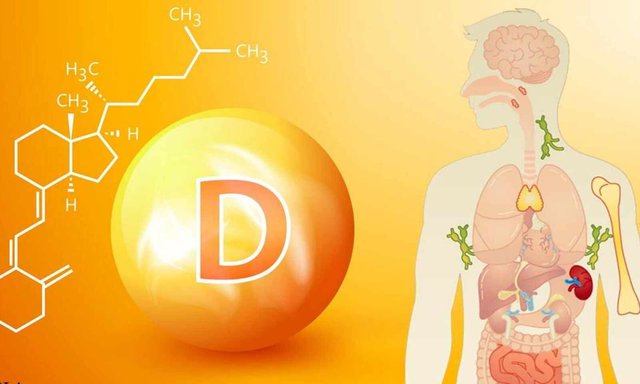
1. Persistent Fatigue
Feeling tired after a poor night's sleep or a stressful week is normal.
But persistent fatigue that doesn't improve with adequate rest can have many possible causes, including low vitamin D.
Some people with vitamin D deficiency report feeling unusually tired, lacking energy, or having difficulty getting through normal daily activities.
The connection isn't always straightforward, though.
Fatigue can also be associated with:
-
Iron deficiency
-
Anemia
-
Thyroid disorders
-
Poor sleep
-
Sleep apnea
-
Depression
-
Chronic stress
-
Infections
-
Certain medications
-
Other nutritional deficiencies
Therefore, fatigue alone cannot tell you that your vitamin D is low.
If tiredness persists for weeks without an obvious explanation, it may be worth discussing with a healthcare professional rather than simply taking a vitamin D supplement.
2. Muscle Weakness
Vitamin D is involved in normal muscle function.
When vitamin D levels are severely low, muscle weakness can occur, particularly in the muscles around the hips and thighs.
You might notice difficulty with activities such as:
-
Climbing stairs
-
Getting up from a chair
-
Getting out of a low car seat
-
Carrying objects
-
Maintaining balance
This can become particularly important in older adults because muscle weakness and impaired physical function can contribute to falls.
However, weakness can also result from aging, inactivity, neurological conditions, medication effects, or other nutritional problems.
A gradual loss of strength shouldn't automatically be blamed on vitamin D.
3. Bone or Muscle Aches
Diffuse aches can sometimes be associated with vitamin D deficiency.
The discomfort may be difficult to pinpoint.
Some people describe:
-
Generalized bone pain
-
Muscle aches
-
Lower back discomfort
-
Leg discomfort
-
Deep, persistent aches
Severe vitamin D deficiency can impair normal bone mineralization and contribute to a condition called osteomalacia in adults.
However, ordinary back pain or muscle soreness is much more commonly caused by things such as physical strain, posture, arthritis, injuries, or other musculoskeletal problems.
That's why persistent or unexplained pain deserves a proper evaluation rather than assuming vitamin D is responsible.
4. Frequent Falls or Poorer Physical Stability
Vitamin D has a role in normal muscle function, and significant deficiency can contribute to weakness.
In older adults, this may be relevant because reduced muscle strength can affect balance and mobility.
If someone who previously moved confidently begins:
-
Feeling unsteady
-
Having difficulty climbing stairs
-
Struggling to rise from a chair
-
Experiencing repeated falls
-
Avoiding walking because of weakness
the issue deserves attention.
Low vitamin D may be one factor, but falls can also result from vision problems, inner-ear disorders, neurological conditions, medication side effects, low blood pressure, muscle loss, or environmental hazards.
Repeated falls should therefore never be attributed to vitamin D alone.
5. Bone Fractures From Relatively Minor Injuries
Vitamin D helps the body absorb calcium, which is important for maintaining bone strength.
Long-term vitamin D deficiency can contribute to impaired bone mineralization.
In severe or prolonged cases, this may increase vulnerability to fractures.
If an adult experiences a fracture after a relatively minor fall or injury, doctors may consider several factors affecting bone health, including:
-
Vitamin D status
-
Calcium intake
-
Bone density
-
Age
-
Hormonal factors
-
Certain medications
-
Physical activity
-
Other medical conditions
A fracture isn't proof of vitamin D deficiency, but it can be a reason to evaluate overall bone health.
6. Slower Physical Recovery
Some people with low vitamin D levels report feeling as though their body doesn't recover well after physical activity.
They may experience persistent muscle soreness or reduced exercise tolerance.
However, recovery depends on many factors, including:
-
Training intensity
-
Sleep
-
Protein intake
-
Total calorie intake
-
Hydration
-
Age
-
Stress
-
Existing medical conditions
So if you're exercising and constantly feel exhausted, don't automatically assume you need more vitamin D.
Your training program, nutrition, and sleep may deserve attention first.
7. Mood Changes
Vitamin D has been studied in relation to mood and mental health.
Some observational research has found associations between low vitamin D levels and depression or depressive symptoms.
However, this relationship is complicated.
It does not mean that vitamin D deficiency directly causes depression in every person.
People experiencing depression may also spend less time outdoors, exercise less, or have dietary changes, all of which can influence vitamin D levels.
If you're experiencing persistent:
-
Sadness
-
Loss of interest
-
Hopelessness
-
Irritability
-
Low motivation
-
Changes in sleep
-
Changes in appetite
don't rely on vitamin D alone.
Mental health symptoms deserve appropriate evaluation and support.
8. Getting Sick Frequently
Vitamin D plays a role in immune system regulation.
This has led researchers to investigate whether vitamin D status is related to susceptibility to respiratory infections and other illnesses.
Some studies have found associations between low vitamin D levels and increased risk of certain infections.
But this doesn't mean that frequent colds automatically indicate vitamin D deficiency.
Your immune health is influenced by numerous factors, including:
-
Sleep
-
Nutrition
-
Stress
-
Age
-
Chronic diseases
-
Exposure to viruses
-
Vaccination status
-
Physical activity
If you seem to be getting sick unusually often, the broader picture matters.
9. Hair Loss May Be Associated With Low Vitamin D
Hair loss has many possible causes.
These include:
-
Genetics
-
Hormonal changes
-
Thyroid disorders
-
Iron deficiency
-
Major stress
-
Illness
-
Certain medications
-
Autoimmune conditions
-
Nutritional problems
Vitamin D has also been studied in relation to certain forms of hair loss.
Some research has found lower vitamin D levels in people with conditions such as alopecia areata, although an association doesn't prove that deficiency is the cause.
If you're experiencing significant or sudden hair loss, testing for vitamin D may be one consideration, but it shouldn't be the only one.
A dermatologist can help determine what is actually happening.

10. Slow Wound Healing
Proper wound healing requires coordinated activity from immune cells, skin cells, blood vessels, and connective tissue.
Vitamin D participates in several biological processes related to immune function and tissue health.
Some research has investigated associations between vitamin D deficiency and impaired wound healing, particularly in people with certain chronic conditions.
However, slow-healing wounds have many other possible causes.
Diabetes, poor circulation, smoking, infection, nutritional deficiencies, and certain medications can all interfere with healing.
If a wound is not healing normally, particularly if it is becoming red, swollen, painful, or produces discharge, it should be medically evaluated.
11. Low Bone Density or Osteoporosis
Sometimes vitamin D deficiency produces no obvious symptoms until bone health has already been affected.