Pain is one of the body's most important warning systems.
Most of the time, pain has a relatively straightforward explanation. You may wake up with a sore back after sleeping awkwardly, develop a headache after a stressful day, or feel muscle soreness after an intense workout.
But not every type of pain should be brushed off.
Certain patterns of pain—especially when they appear suddenly, become unusually severe, persist without a clear explanation, or occur alongside other symptoms—can sometimes signal a medical problem that needs prompt attention.
That doesn't mean every unusual ache is something serious. In fact, most pain has a non-life-threatening cause.
The key is learning to recognize pain that is different from your usual experience and knowing when professional medical evaluation is appropriate.
Here are six types of pain that deserve particular attention.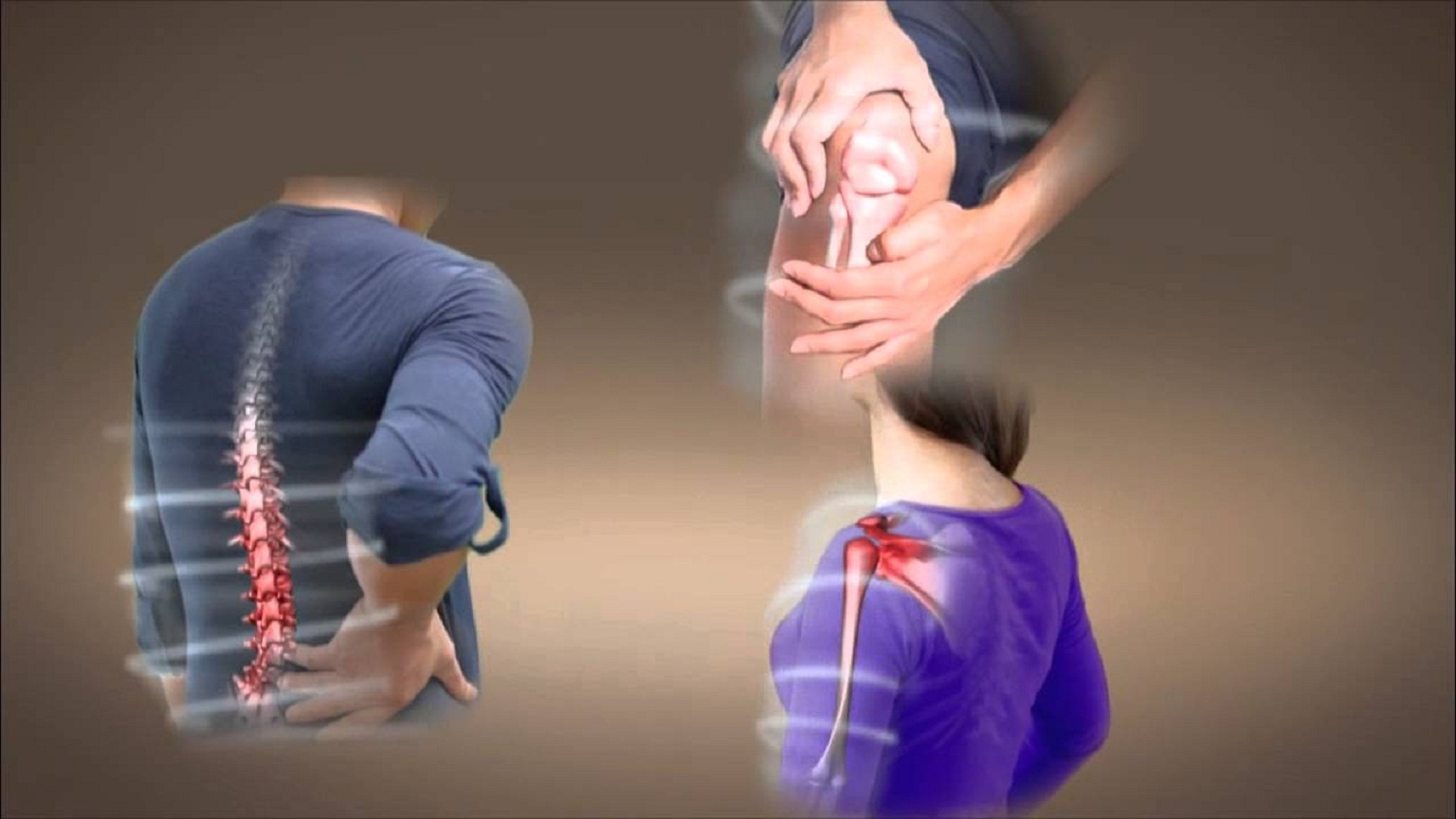
1. Sudden or Severe Chest Pain
Chest pain is one of the symptoms people should take seriously, particularly when it is new, intense, or accompanied by other concerning symptoms.
A heart attack may cause pressure, squeezing, fullness, or discomfort in the center or left side of the chest. Some people describe it as a heavy weight or tight band rather than sharp pain.
The discomfort may also spread to the:
-
Arm or shoulder
-
Back
-
Neck
-
Jaw
-
Upper abdomen
Other possible symptoms include shortness of breath, sweating, nausea, dizziness, or unusual weakness.
Importantly, heart-related symptoms aren't always dramatic. Some people, particularly women, older adults, and people with diabetes, may experience less typical symptoms.
Chest pain can also result from heartburn, muscle strain, anxiety, lung conditions, or other problems. However, you should not try to determine the cause yourself when serious symptoms are possible.
If chest pain is sudden, severe, persistent, or accompanied by difficulty breathing, fainting, sweating, or other concerning symptoms, seek emergency medical attention immediately.
2. A Sudden, Extremely Severe Headache
Everybody gets headaches occasionally.
But there is a major difference between a familiar headache and one that appears suddenly and reaches an extreme level of intensity within seconds or minutes.
A sudden, severe headache is sometimes described as a thunderclap headache.
It can be associated with serious conditions such as bleeding in or around the brain, including subarachnoid hemorrhage.
The pain may be accompanied by:
-
Vomiting
-
Neck stiffness
-
Loss of consciousness
-
Confusion
-
Weakness or numbness
-
Vision changes
-
Difficulty speaking
-
Seizures
A severe headache can also occur with migraines or other less dangerous conditions, but a sudden “worst headache” that is unlike your usual headaches warrants urgent medical evaluation.
Don't simply take pain medication and wait for it to disappear when the onset is exceptionally sudden or the symptoms are unusual.
3. Severe Abdominal Pain That Comes on Suddenly
Abdominal pain is extremely common.
Digestive upset, gas, constipation, food intolerance, and minor infections can all cause discomfort.
But certain patterns of abdominal pain need immediate attention.
Pain that is suddenly severe, rapidly worsening, or accompanied by repeated vomiting, fever, fainting, abdominal swelling, or significant tenderness can indicate an emergency.
Depending on the location and symptoms, serious causes can include appendicitis, bowel obstruction, gallbladder disease, pancreatitis, kidney stones, or other conditions.
Certain types of abdominal pain can also be associated with internal bleeding.
For example, severe abdominal pain together with weakness, dizziness, fainting, or signs of shock should be treated as an emergency.
The exact location can provide clues, but it isn't enough to diagnose the cause at home.
If abdominal pain is dramatically different from anything you've experienced before, don't assume it is simply something you ate.
4. Sudden Back Pain With Neurological Symptoms
Back pain is one of the most common forms of pain.
Muscle strain, poor posture, degenerative changes, and overuse account for many cases.
But back pain can occasionally signal a more serious neurological problem.
Pay particular attention when severe back pain occurs together with:
Leg weakness
Numbness
Loss of sensation around the groin or inner thighs
Difficulty walking
Loss of bladder or bowel control
These symptoms can occur with serious compression of nerves in the lower spine, including cauda equina syndrome.
Cauda equina syndrome is uncommon but can cause permanent neurological damage if treatment is delayed.
Back pain accompanied by fever, unexplained weight loss, a history of cancer, or significant trauma may also require prompt medical evaluation.
Most back pain is not an emergency.
But back pain plus neurological changes is a very different situation.
5. Pain or Swelling in One Leg
A painful, swollen leg can have many possible explanations.
A muscle strain, arthritis, injury, or other relatively common condition may be responsible.
However, sudden swelling and pain in one leg can also be a warning sign of a deep vein thrombosis (DVT), a blood clot in a deep vein.
The affected leg may feel:
-
Painful or tender
-
Swollen
-
Warm
-
Red or discolored
DVT becomes particularly dangerous if part of the clot breaks free and travels to the lungs, causing a pulmonary embolism.
Warning signs of pulmonary embolism can include sudden shortness of breath, chest pain that may worsen with breathing, coughing, rapid heartbeat, dizziness, or fainting.
A suspected blood clot requires prompt medical evaluation.
Don't massage a suddenly swollen, painful leg in an attempt to “break up” the problem.
Seek professional medical advice.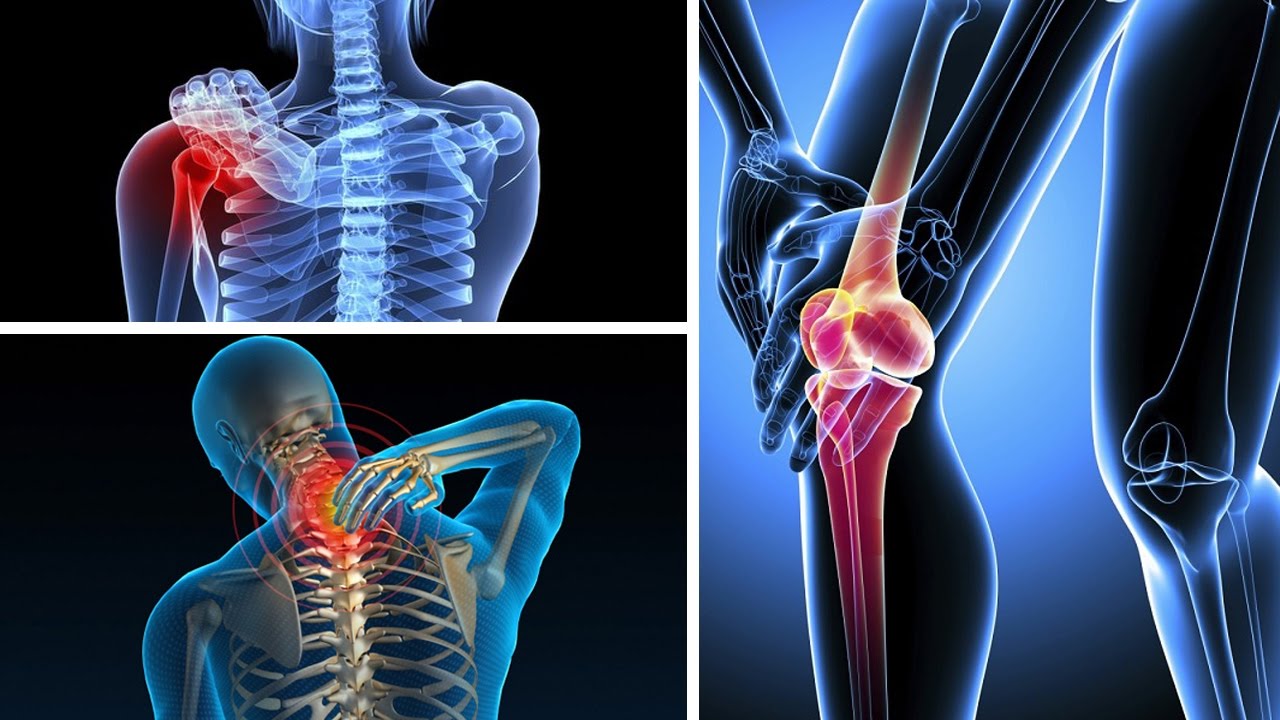
6. Pain With Sudden Weakness, Confusion, or Trouble Speaking
Pain isn't always the main feature of a neurological emergency.
But when unusual pain occurs with sudden neurological changes, the situation deserves immediate attention.
For example, a person may develop a severe headache along with:
-
Facial drooping
-
Weakness or numbness on one side
-
Slurred speech
-
Trouble understanding speech
-
Vision loss
-
Sudden loss of balance
-
Confusion
These can be signs of a stroke.
The important thing is that stroke symptoms typically appear suddenly.
Someone who was speaking normally five minutes ago but now cannot form words clearly should not be told to lie down and wait.
Emergency medical services should be contacted immediately.
The same principle applies to sudden neurological symptoms that disappear after a few minutes. A transient ischemic attack, or TIA, can produce temporary stroke-like symptoms and still requires urgent evaluation.
Why Sudden Changes Matter
One of the most useful clues when judging pain is not simply how much it hurts, but how different it is from your normal experience.
A person who frequently gets mild tension headaches may recognize a familiar pattern.
A headache that suddenly explodes into extreme pain within seconds is different.
Someone with occasional back soreness after exercise may know what that feels like.
Back pain combined with sudden leg weakness is different.
Someone who gets occasional indigestion may recognize it.
Severe abdominal pain accompanied by fainting or persistent vomiting is different.
The body doesn't need to send a dramatic signal for something to be important.
Sometimes the change itself is the warning.
When Pain Becomes an Emergency
Certain combinations should trigger immediate action.
Seek emergency medical help for severe or sudden pain accompanied by:
Difficulty breathing
Fainting or loss of consciousness
New weakness or numbness
Difficulty speaking
Severe confusion
Coughing or vomiting blood
Heavy bleeding
Sudden vision loss
Blue or gray lips or skin
Seizures
Rapid deterioration
In these situations, waiting to see what happens can be dangerous.
Don't Rely on Painkillers to Hide the Problem
Pain medication can be useful for many ordinary conditions.
But taking medication simply to make a concerning symptom disappear can sometimes delay diagnosis.
This doesn't mean you should never take an over-the-counter pain reliever.
It means that relief of pain doesn't necessarily mean the underlying problem has been resolved.
If the pain is severe, unusual, persistent, or accompanied by other warning signs, professional evaluation matters more than simply reducing the discomfort.
Pay Attention to Duration and Progression
Pain that continues for days or weeks without explanation deserves attention even when it isn't severe.
Ask yourself:
Did it start suddenly?
Is it getting worse?
Does it keep returning?
Does it wake you from sleep?
Is it preventing normal activities?
Is it accompanied by fever, weight loss, bleeding, vomiting, weakness, or other changes?
A persistent symptom may not be an emergency, but it can still justify a medical appointment.
Pain After an Injury Can Also Be Serious
Trauma changes the equation.
A fall, car accident, sports injury, or heavy impact can cause injuries that aren't immediately obvious.
Severe pain after significant trauma, especially if there is deformity, inability to bear weight, numbness, weakness, or loss of consciousness, should be medically assessed.
Head injuries deserve particular caution.
A person who develops worsening headache, repeated vomiting, confusion, unusual sleepiness, weakness, seizures, or loss of consciousness after a head injury needs urgent evaluation.
Don't Forget Pain That Happens With Exercise
Chest discomfort during physical activity deserves attention, especially when it consistently appears with exertion and improves with rest.
This pattern can sometimes occur with angina, which happens when the heart muscle isn't receiving enough oxygen-rich blood.
Not every exercise-related ache comes from the heart.
Muscles, joints, lungs, and other structures can all cause pain during physical activity.
But recurrent chest pressure or discomfort during exertion should be discussed with a healthcare professional rather than dismissed as being “out of shape.”
Pain That Keeps Waking You Up
Nighttime pain can have many benign causes, but persistent pain that repeatedly wakes you from sleep deserves evaluation.
The concern becomes greater if the pain is new, progressively worsening, or associated with unexplained weight loss, fever, neurological symptoms, or other systemic changes.
Your sleep is an important indicator of how much a symptom is affecting your health and daily function.
What Should You Do When You're Unsure?
Sometimes the hardest decision is determining whether pain is serious enough to justify medical care.
You don't need to diagnose yourself before seeking help.
If the pain is severe, sudden, unexplained, or accompanied by other concerning symptoms, it's reasonable to seek professional advice.
If you're unsure but the symptoms are not immediately dangerous, contacting a healthcare professional or an appropriate medical advice service can help determine the next step.
It's much safer to ask a question than to ignore a potentially serious symptom because you are worried about overreacting.
Your “Normal” Is an Important Reference Point
One of the most valuable things you can learn about your health is what is normal for you.
Maybe you occasionally experience mild knee discomfort after running.
Maybe you get tension headaches during stressful periods.
Maybe your lower back gets sore after spending a weekend gardening.
Knowing your baseline makes unexpected changes easier to recognize.
A sudden symptom that doesn't fit your normal pattern deserves more attention than a familiar, stable issue.
The Bottom Line
Pain is common, but some types of pain deserve more attention than others.
Sudden severe chest pain, an abrupt extreme headache, severe unexplained abdominal pain, back pain accompanied by neurological symptoms, sudden pain and swelling in one leg, and pain or headache accompanied by sudden neurological changes should never be casually dismissed.
Most of these symptoms can have causes other than life-threatening disease. The point is not to assume the worst.
The point is to recognize when the safest response is prompt medical evaluation rather than waiting to see what happens.
When it comes to serious conditions, early recognition can make a major difference.
So listen to your body—but don't panic over every ache.
Learn your normal.
Notice significant changes.
And when pain is sudden, severe, unusual, or accompanied by other warning signs, don't tough it out just because you hope it will go away.