One Month Before a Heart Attack, Your Body May Show These 7 Warning Signs
Heart disease is a leading cause of death worldwide, and often, a heart attack can strike suddenly. However, your body doesn’t always stay silent. In many cases, subtle symptoms appear weeks before a heart attack, giving you a chance to seek help and potentially prevent serious damage. Recognizing these early warning signs can be life-saving.
Here are seven signs your body may show up to a month before a heart attack.
1. Unexplained Fatigue
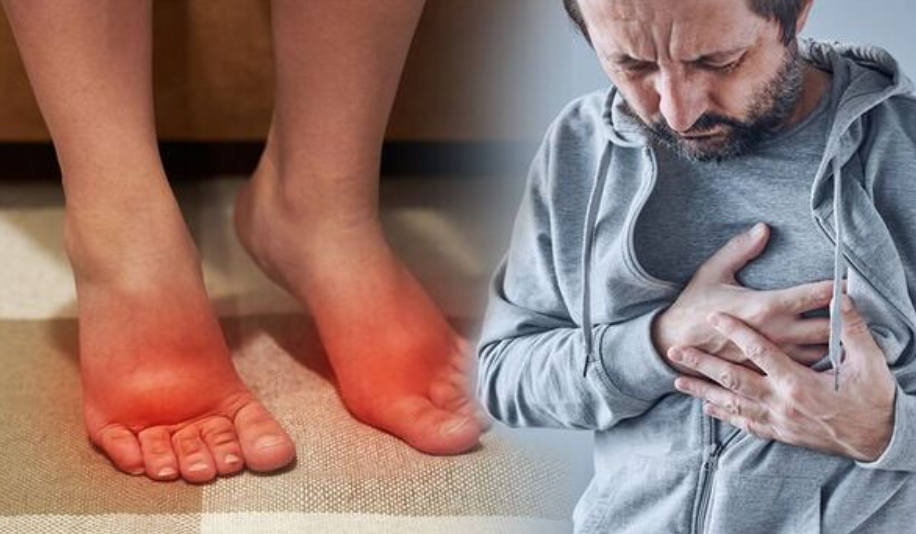
Feeling unusually tired for no apparent reason is one of the most common early warning signs of heart problems. This isn’t just normal tiredness after a long day — it’s persistent fatigue that can interfere with daily life.
- Why it happens: When the heart is struggling to pump blood efficiently, your muscles and organs may not get enough oxygen, leading to exhaustion.
- What to watch for: Difficulty performing routine tasks, feeling weak even after proper rest, or needing more sleep than usual.
2. Shortness of Breath
Shortness of breath, even during light activities like climbing stairs or walking short distances, can indicate that the heart is under stress.
- Why it happens: If the heart cannot pump blood properly, fluid may build up in the lungs, making it harder to breathe.
- What to watch for: Unexplained breathlessness, waking up at night gasping for air, or needing to sit down frequently to catch your breath.
3. Chest Discomfort or Pressure
Chest pain or tightness is a classic heart attack symptom, but early warning signs can be milder and intermittent.
- Why it happens: Narrowing or blockage of the coronary arteries reduces blood flow to the heart muscle.
- What to watch for: A dull ache, pressure, or burning sensation in the chest, sometimes mistaken for heartburn or indigestion.
4. Pain in Other Areas
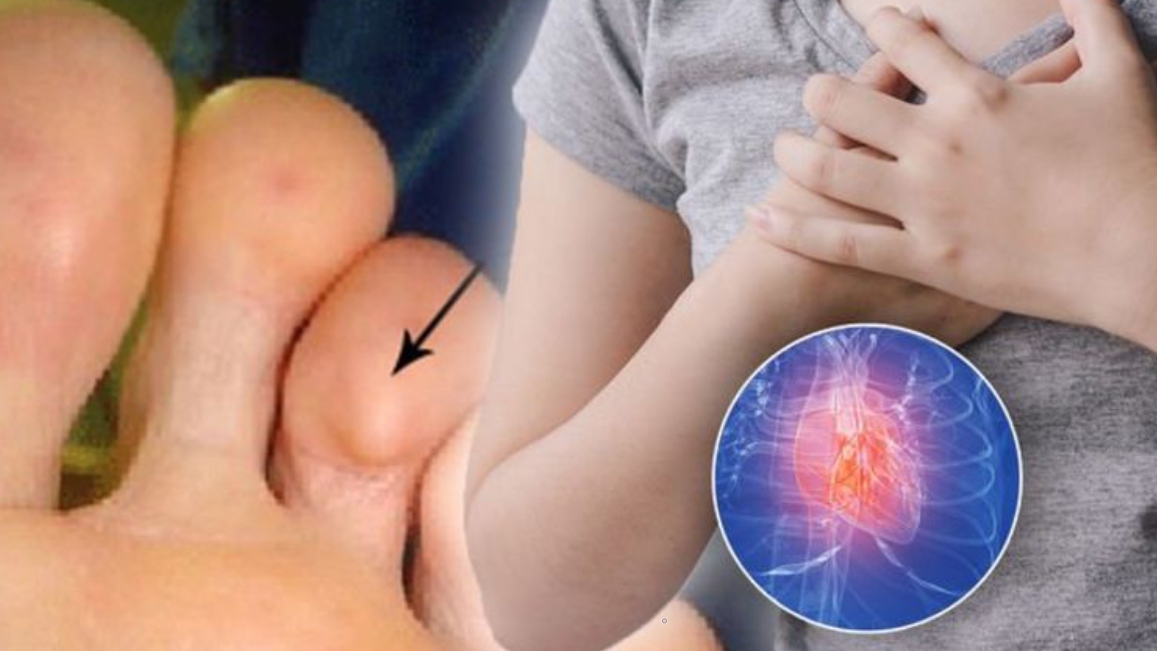
Heart-related pain isn’t always felt in the chest. It can radiate to other areas:
- Shoulders, arms, or back
- Neck or jaw
- Stomach or upper abdomen
Women, in particular, may experience pain primarily in the jaw, neck, or back rather than the chest. These symptoms are often subtle and easily ignored.
5. Unusual Sweating
Breaking out into cold, clammy sweat without obvious cause can be a warning sign.
- Why it happens: Stress on the heart activates the sympathetic nervous system, which can trigger sweating.
- What to watch for: Sudden cold sweats, night sweats, or sweat that occurs during mild activity.
6. Lightheadedness or Dizziness
Feeling faint, dizzy, or unusually weak can indicate that the heart isn’t supplying enough blood to the brain.
- Why it happens: Poor circulation due to blocked arteries can reduce oxygen flow to vital organs.
- What to watch for: Frequent dizziness, fainting spells, or feeling off-balance without reason.
7. Rapid or Irregular Heartbeat
Heart palpitations or irregular heartbeats, also known as arrhythmias, can occur before a heart attack.
- Why it happens: When the heart muscle is stressed or oxygen-deprived, electrical signals in the heart can become irregular.
- What to watch for: Skipped beats, racing heartbeat at rest, or fluttering sensations in the chest.
What You Should Do If You Notice These Symptoms
If you recognize any of these signs, don’t ignore them. Early intervention can save your life.
- Seek medical attention promptly. A doctor can perform tests such as an ECG, blood tests, or a stress test to assess your heart health.
- Adopt heart-healthy habits. Regular exercise, a balanced diet, and quitting smoking reduce heart attack risk.
- Manage stress and sleep. Chronic stress and poor sleep can strain the heart.
- Monitor other risk factors. High blood pressure, high cholesterol, and diabetes increase heart attack risk.
Bottom Line
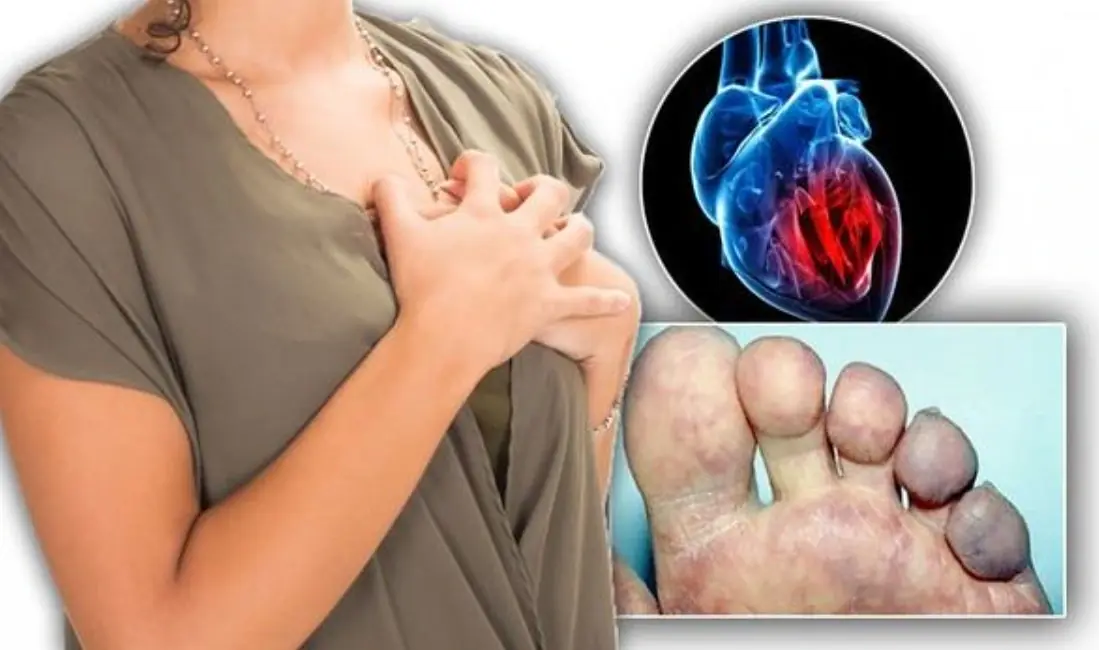
Heart attacks often strike suddenly, but your body usually gives subtle clues in the weeks leading up to it. Unexplained fatigue, shortness of breath, chest discomfort, pain in other areas, unusual sweating, dizziness, and irregular heartbeat are all red flags that should not be ignored.
Paying attention to these warning signs and seeking early medical care can dramatically improve your chances of avoiding a life-threatening heart attack.
Sources:
- American Heart Association. Early Warning Signs of a Heart Attack. 2023.
- Mayo Clinic. Heart Attack Symptoms in Women and Men. 2024.
- Cleveland Clinic. Heart Attack: Early Warning Signs. 2023.