The brain is one of the body's most complex and essential organs, controlling everything from movement and memory to speech, emotions, and vital functions like breathing. Because of its central role, changes in brain function can sometimes produce noticeable symptoms. While many of these symptoms are caused by common and treatable conditions, persistent or progressive neurological changes should never be ignored.
It's important to remember that most headaches, episodes of dizziness, or memory lapses are not caused by a brain tumor. In fact, common conditions such as migraines, stress, viral illnesses, medication side effects, sleep deprivation, and anxiety are far more frequent causes. However, in some cases, persistent neurological symptoms may indicate a brain tumor or another condition affecting the brain, such as a stroke, infection, multiple sclerosis, or epilepsy.
The key is not to panic, but to recognize when symptoms are new, worsening, or occurring together—and to seek medical evaluation when appropriate.
Here are some early warning signals that may deserve medical attention.
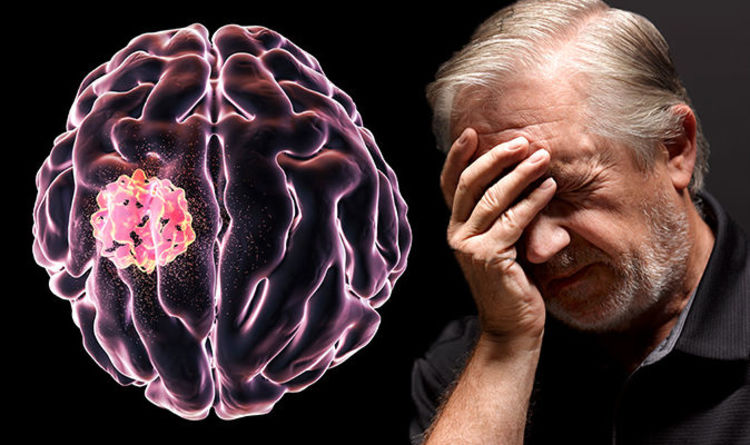
What Is a Brain Tumor?
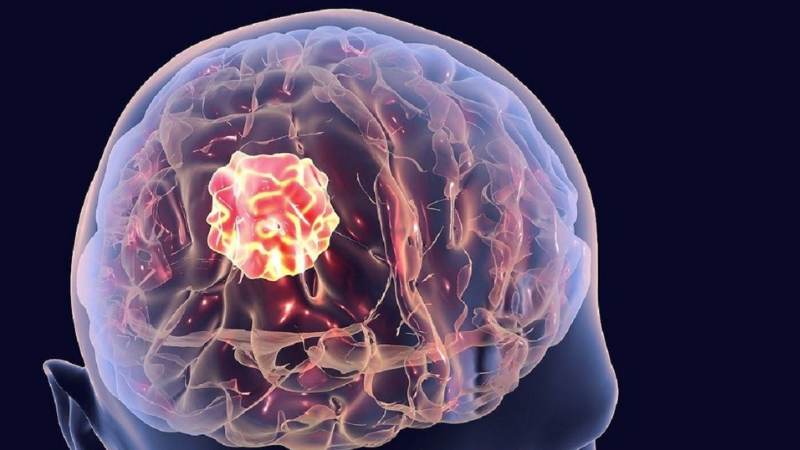
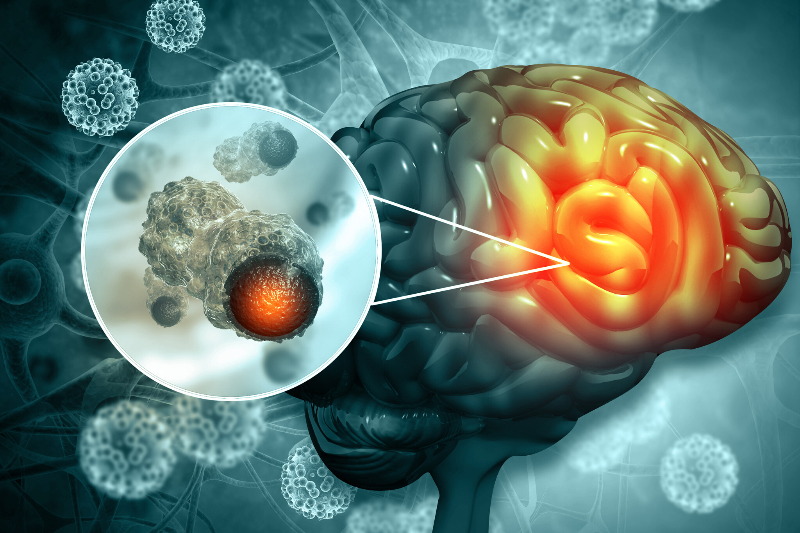
A brain tumor is an abnormal growth of cells within or near the brain.
Brain tumors may be:
-
Benign (non-cancerous), meaning they do not spread to other parts of the body but can still press on nearby brain tissue.
-
Malignant (cancerous), meaning they grow more aggressively and can damage surrounding brain structures.
Brain tumors may also be:
-
Primary brain tumors, which begin in the brain.
-
Metastatic (secondary) brain tumors, which spread to the brain from cancers elsewhere in the body.
The symptoms depend more on where the tumor is located and how much pressure it places on surrounding brain tissue than on whether it is cancerous.
Why Brain Conditions Cause Symptoms
Different areas of the brain control different functions.
For example:
-
The frontal lobe influences decision-making, personality, and movement.
-
The temporal lobe helps process hearing and memory.
-
The parietal lobe processes sensation and spatial awareness.
-
The occipital lobe controls vision.
-
The cerebellum helps coordinate balance and movement.
When a tumor or another neurological condition affects these areas, symptoms vary depending on the location involved.
1. Persistent or Changing Headaches
Headaches are extremely common and are usually not caused by brain tumors.
However, headaches deserve medical evaluation if they:
-
Become progressively worse over time
-
Are different from your usual headaches
-
Frequently wake you from sleep
-
Are worse in the morning
-
Occur with vomiting or neurological symptoms
-
Do not improve with usual treatment
Brain tumors may increase pressure inside the skull, which can contribute to headache development.
Other common causes include:
-
Migraine
-
Tension headaches
-
Sinus infections
-
Dehydration
-
High blood pressure
2. New-Onset Seizures
A seizure occurring for the first time in an adult should always receive prompt medical evaluation.
Seizures may involve:
-
Full-body shaking
-
Staring spells
-
Muscle jerking
-
Temporary confusion
-
Loss of awareness
Although brain tumors are one possible cause, seizures may also result from:
-
Stroke
-
Head injury
-
Epilepsy
-
Low blood sugar
-
Brain infections
-
Certain medications
3. Vision Changes
Vision problems may occur if pressure affects areas responsible for vision or the optic nerves.
Possible symptoms include:
-
Blurred vision
-
Double vision
-
Loss of part of the visual field
-
Difficulty focusing
-
Episodes of temporary vision loss
Eye diseases, migraines, diabetes, and other neurological conditions can also produce similar symptoms.
4. Weakness or Numbness
A brain condition may interfere with signals traveling to muscles.
Possible symptoms include:
-
Weakness in one arm
-
Weakness in one leg
-
Facial weakness
-
Numbness
-
Difficulty using one hand
These symptoms require prompt evaluation because they may also indicate a stroke.
5. Problems With Balance or Coordination
Damage involving the cerebellum or other balance centers may cause:
-
Frequent falls
-
Difficulty walking
-
Clumsiness
-
Poor coordination
-
Dizziness accompanied by balance problems
Balance problems are also common in:
-
Inner ear disorders
-
Medication side effects
-
Low blood pressure
-
Neurological diseases
6. Difficulty Speaking or Understanding Language
Some brain conditions affect language centers.
Possible symptoms include:
-
Slurred speech
-
Trouble finding words
-
Difficulty understanding conversations
-
Speaking nonsensical words
These symptoms should never be ignored because they may occur with stroke or other serious neurological conditions.
7. Changes in Memory or Thinking
Occasional forgetfulness is normal, particularly during stress or sleep deprivation.
However, persistent cognitive changes deserve medical attention.
Examples include:
-
Increasing forgetfulness
-
Difficulty concentrating
-
Confusion
-
Poor judgment
-
Trouble planning everyday activities
Many conditions besides brain tumors—including depression, thyroid disorders, medication effects, vitamin deficiencies, and dementia—can contribute to cognitive symptoms.
8. Personality or Behavioral Changes
Family members often notice personality changes before the affected person does.
Possible changes include:
-
Increased irritability
-
Loss of motivation
-
Emotional instability
-
Impulsive behavior
-
Social withdrawal
-
Unusual aggression
These symptoms may occur if areas controlling behavior and emotions are affected.
9. Persistent Nausea or Vomiting
Nausea has countless possible causes.
However, unexplained vomiting—especially when accompanied by headaches or neurological symptoms—should be medically evaluated.
Brain tumors can sometimes increase pressure inside the skull, leading to nausea.
More common causes include:
-
Viral illness
-
Food poisoning
-
Migraine
-
Pregnancy
-
Medication side effects
10. Hearing Changes
Depending on the location of a tumor or another neurological condition, some people may experience:
-
Hearing loss
-
Ringing in the ears (tinnitus)
-
Difficulty understanding speech
-
Balance problems with hearing changes
These symptoms are often caused by ear disorders rather than brain tumors but may require evaluation if persistent.
Other Conditions That Can Cause Similar Symptoms
Many neurological symptoms are far more likely to result from conditions other than a brain tumor.
Examples include:
-
Migraine
-
Stroke
-
Multiple sclerosis
-
Epilepsy
-
Brain infections
-
Anxiety disorders
-
Sleep deprivation
-
Medication side effects
-
Vitamin B12 deficiency
-
Thyroid disease
-
Low blood sugar
This is why medical evaluation is essential rather than attempting self-diagnosis.
Who May Be at Higher Risk?
Although brain tumors can occur at any age, certain factors may increase risk, including:
-
Previous radiation therapy to the head
-
Certain inherited genetic syndromes
-
Increasing age (for some tumor types)
-
A history of certain cancers that can spread to the brain
For most people, there is no identifiable cause of a brain tumor.
How Doctors Evaluate Neurological Symptoms
Depending on your symptoms, a healthcare provider may recommend:
Medical History
Questions may include:
-
When did symptoms begin?
-
Are symptoms getting worse?
-
Have you had seizures?
-
Is there a history of cancer or neurological disease?
Neurological Examination
The examination may assess:
-
Muscle strength
-
Reflexes
-
Balance
-
Coordination
-
Vision
-
Sensation
-
Speech
-
Memory
Brain Imaging
If indicated, imaging studies such as:
-
MRI (Magnetic Resonance Imaging) – often the preferred test for evaluating suspected brain tumors.
-
CT (Computed Tomography) – useful in emergencies or when MRI is not immediately available.
Blood Tests
Blood tests may help identify alternative causes of symptoms, such as infections, metabolic disorders, or vitamin deficiencies.
Additional Testing
Depending on the situation, doctors may recommend:
-
Electroencephalogram (EEG) for seizures
-
Eye examination
-
Lumbar puncture (in selected cases)
-
Biopsy if imaging identifies a suspicious mass
Can Brain Tumors Be Treated?
Treatment depends on:
-
Tumor type
-
Size
-
Location
-
Growth rate
-
Patient's overall health
Possible treatments include:
-
Surgery
-
Radiation therapy
-
Chemotherapy
-
Targeted therapy
-
Immunotherapy (for selected tumors)
-
Careful monitoring for some slow-growing benign tumors
Many benign brain tumors can be successfully treated, while treatment for malignant tumors often involves a combination of therapies.
Common Myths About Brain Tumors
Myth 1: Every Headache Means a Brain Tumor
False.
The overwhelming majority of headaches are caused by migraines, tension headaches, sinus problems, or other non-tumor conditions.
Myth 2: Brain Tumors Always Cause Severe Symptoms Immediately
False.
Some tumors grow slowly and may produce subtle symptoms over months or even years.
Myth 3: Memory Problems Always Mean a Brain Tumor
False.
Memory difficulties are much more commonly related to aging, stress, poor sleep, depression, medication effects, or neurodegenerative diseases.
Myth 4: Brain Tumors Are Always Cancerous
False.
Many brain tumors are benign, although they may still require treatment depending on their size and location.
Myth 5: Young People Cannot Develop Brain Tumors
False.
Brain tumors can occur at any age, although the types of tumors vary across different age groups.
When Should You Seek Medical Care?
Arrange a medical evaluation if you experience:
-
Persistent or worsening headaches
-
New neurological symptoms
-
Vision changes
-
Unexplained weakness or numbness
-
Balance problems
-
Memory or personality changes
-
Persistent nausea accompanied by neurological symptoms
Seek emergency medical care immediately if you experience:
-
A first-time seizure
-
Sudden weakness or paralysis
-
Difficulty speaking or understanding speech
-
Sudden vision loss
-
Loss of consciousness
-
Severe headache accompanied by confusion, fever, or neck stiffness
-
Symptoms suggestive of a stroke
Prompt evaluation can be critical because these symptoms may represent medical emergencies, even when they are not caused by a brain tumor.
Final Thoughts
Your brain can sometimes send early warning signals when something is affecting its normal function. Persistent headaches, new seizures, vision changes, weakness, balance problems, speech difficulties, memory changes, personality changes, nausea, and hearing changes are all symptoms that deserve attention—particularly when they are new, progressive, or occur together.
At the same time, it is important to remember that these symptoms are not specific to brain tumors. Most people experiencing headaches or occasional dizziness do not have a brain tumor. Many common and treatable conditions can produce similar symptoms.
Rather than assuming the worst, the best approach is to pay attention to persistent changes, seek timely medical evaluation, and follow your healthcare provider's recommendations. Early diagnosis - whether the cause is a brain tumor or another neurological condition can improve treatment options and outcomes.