Our ears are among the most remarkable parts of the human body, yet we rarely think about them unless something goes wrong.
Most of the time, we simply expect our ears to work quietly in the background. They allow us to hear conversations, enjoy music, notice sounds around us, and stay connected to the world. Because hearing happens so naturally, it is easy to forget that the ear is a delicate and highly specialized system that also has its own protective mechanisms.
One of those mechanisms is something many people would rather not think about: earwax.
Medically known as cerumen, earwax is often treated as an unpleasant substance that needs to be removed as soon as it appears. People may reach for cotton swabs, tissues, hairpins, or other objects in an attempt to keep their ears perfectly clean.
But earwax is not simply dirt.
In fact, it plays an important role in protecting the ear canal.
It helps trap dust, dead skin cells, and other particles before they travel deeper into the ear. It also contains substances that can help inhibit the growth of certain microorganisms, while its slightly acidic environment contributes to the ear canal's natural defenses.
Perhaps most importantly, the ear is generally designed to clean itself.
As new wax forms deeper in the ear canal, older wax gradually moves toward the opening. Everyday movements such as chewing and talking can help this process. Eventually, old wax dries and leaves the ear naturally.
Problems often begin when we interfere with that process.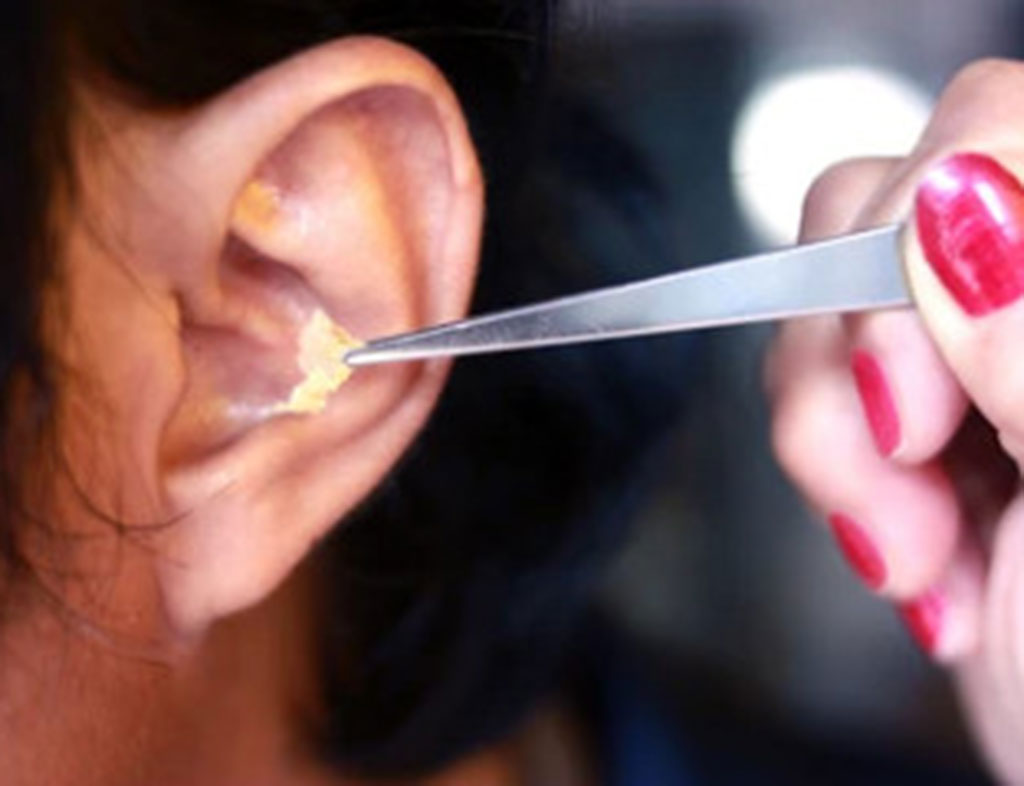
Earwax Is Not the Enemy
The first thing to understand about earwax is that having it does not necessarily mean your ears are dirty.
Some people naturally produce more wax than others. Some have wax that is soft and sticky, while others have wax that is dry and flaky.
These differences can be influenced by genetics, age, environment, and individual ear anatomy.
There are also two broad genetic patterns of earwax: some people tend to have softer, wetter wax, while others naturally produce drier wax.
Neither type automatically means something is wrong.
In many cases, a small amount of visible earwax is simply evidence that the ear's normal protective system is functioning.
The goal should not be to remove every trace of wax.
The goal is to keep the ears comfortable and functioning normally.
Why Cotton Swabs Can Cause Problems
One of the biggest misconceptions about ear care is that cotton swabs are designed for cleaning inside the ear canal.
They aren't.
When a cotton swab is inserted into the ear, it can push wax deeper instead of bringing it out. Repeated use can gradually compact wax against the eardrum, making a blockage more likely.
There is also another risk.
The skin inside the ear canal is extremely delicate. Scratching it can cause irritation, inflammation, or small injuries. In some cases, inserting an object too deeply can damage the eardrum.
Ironically, trying too hard to keep the ears clean can create the very problem you're trying to prevent.
A little earwax is usually far less concerning than an injured ear canal.
What Does the Color of Earwax Mean?
Earwax can naturally range in color from pale yellow to orange, brown, and even very dark brown.
Color alone is usually not enough to determine whether something is wrong.
Fresh wax may appear lighter and softer, while older wax can become darker as it accumulates dust and debris and undergoes natural changes over time.
That means dark earwax is not automatically a sign of disease.
However, unusual changes can become more meaningful when they occur together with other symptoms.
This is an important distinction.
Earwax can provide clues, but it cannot diagnose a medical condition by itself.
Yellow or Light-Brown Earwax
Yellowish or light-brown earwax is often completely normal.
Fresh cerumen can naturally have a yellow, golden, or light-brown appearance.
As it remains in the ear canal longer, it may become darker.
If you have no pain, hearing loss, unusual discharge, or other symptoms, ordinary yellow or brown earwax is generally not a reason for alarm.
In other words, there is no need to remove normal earwax simply because you notice it.
Dark-Brown Earwax
Dark-brown earwax is often simply older wax.
The longer wax remains in the ear canal, the more likely it is to become darker and accumulate particles from the environment.
For some people, naturally thicker or more abundant earwax can also appear quite dark.
Dark color by itself is therefore not a reliable indicator of stress, nutritional problems, or another systemic condition.
If dark wax is accompanied by pain, itching, unpleasant odor, discharge, or changes in hearing, however, the situation deserves closer attention.
Gray Earwax
Grayish earwax can sometimes occur because of environmental exposure to dust or other particles.
For people who spend a lot of time in dusty or polluted environments, the appearance of earwax can change simply because the ear is doing its job—trapping particles.
But gray discharge combined with pain, swelling, odor, or other symptoms may have a different explanation.
Again, context matters more than color alone.
Black Earwax
Black earwax can sometimes be nothing more than old, heavily oxidized or accumulated wax.
However, recurring black or very dark material accompanied by itching, pain, inflammation, or unusual discharge can sometimes be associated with an ear infection, including certain fungal infections.
This is not something you should attempt to diagnose solely by looking at the wax.
If the unusual appearance persists or symptoms are present, a healthcare professional can examine the ear canal and determine what is actually happening.
Earwax With Blood
Blood is different.
If you notice blood mixed with earwax, it may be the result of a small scratch caused by a cotton swab, fingernail, or another object.
But bleeding from the ear can have other causes, including trauma or injury to the ear canal or eardrum.
For that reason, unexplained bleeding should not simply be ignored.
If bleeding occurs after inserting something into the ear, if there was a significant injury, or if it is accompanied by pain, dizziness, drainage, or hearing changes, seek medical evaluation.
The ear is too delicate to experiment with.
What About White or Pale Earwax?
Very pale or whitish material in or around the ear does not automatically indicate a vitamin or mineral deficiency.
This is an important point because online health articles sometimes claim that white earwax is a direct sign of nutritional deficiency.
There isn't enough evidence to use earwax color as a reliable nutritional test.
Pale or flaky material may simply reflect naturally dry skin and earwax.
If you have other symptoms that suggest a nutritional problem—such as persistent fatigue, weakness, changes in skin or hair, or other concerns—a healthcare professional can determine whether testing is appropriate.
Earwax should not be used as a substitute for medical evaluation.
Watery Discharge Is Worth Paying Attention To
Normal earwax is not usually described as a continuously watery discharge.
If you notice liquid coming from the ear, especially when it is accompanied by pain, redness, swelling, itching, fever, or a change in hearing, it may indicate irritation or infection.
Different types of ear discharge can have different causes, including inflammation of the outer ear, middle-ear problems, or injury.
Persistent fluid should therefore be evaluated rather than repeatedly cleaned away.
An Unpleasant Smell Can Be a Warning Sign
Healthy earwax may have a mild natural odor.
A strong, foul, or distinctly unpleasant smell coming from the ear is different.
When unusual odor occurs together with drainage, pain, itching, swelling, or hearing changes, it can indicate an infection or another problem that needs medical attention.
Rather than trying to mask the smell or aggressively clean the ear, it is better to have the ear examined.
Treating the underlying cause is more important than removing the visible discharge.
Does Earwax Reveal Your Stress Level?
You may see claims that dark or excessive earwax is a direct sign of high stress.
The reality is more complicated.
Stress can influence many processes in the body, including sweating and skin activity, but earwax color is not a recognized standalone medical test for stress.
If you're feeling persistently stressed, anxious, exhausted, or overwhelmed, those symptoms themselves deserve attention.
Don't rely on earwax as a stress detector.
Instead, pay attention to the broader picture of your physical and emotional well-being.
Your Ears May Be Giving You More Useful Signals Than Wax Color
When it comes to ear health, symptoms are often more informative than the color of earwax.
Pay attention to changes such as:
- Persistent ear pain
- Sudden hearing loss
- A feeling of pressure or fullness
- Persistent ringing or buzzing
- Dizziness or balance problems
- Significant itching
- Repeated drainage
- Blood coming from the ear
- Strong or foul-smelling discharge
These signs don't necessarily mean that something serious is happening, but they are worth discussing with a healthcare professional when they persist or appear suddenly.
What Causes Earwax Buildup?
Although the ear normally cleans itself, some people are more prone to wax accumulation.
Ear shape and anatomy can play a role.
So can the use of hearing aids or earbuds, particularly if they interfere with the natural movement of wax toward the opening.
Frequent insertion of objects into the ear can also push wax deeper and contribute to blockage.
When wax becomes impacted, you may notice muffled hearing, a feeling of fullness, ringing, discomfort, or sometimes dizziness.
At that point, professional evaluation may be helpful.
What Is the Safest Way to Clean Your Ears?
For most people, the safest approach is surprisingly simple:
Leave the inside of the ear canal alone.
You can gently clean the outer ear with a soft cloth.
There is usually no need to insert anything into the canal.
If you have recurring wax buildup, a healthcare professional may recommend a suitable wax-softening product or another method appropriate for your situation.
People with a history of eardrum perforation, ear surgery, ear tubes, or certain ear conditions should be especially cautious about using drops or irrigation without medical advice.
Why Earbuds and Headphones Can Matter
Earbuds don't necessarily cause earwax problems in everyone, but wearing devices that sit inside the ear canal can interfere with normal wax movement.
They can also trap moisture and potentially contribute to irritation, particularly when used for long periods or when they aren't kept clean.
If you frequently wear earbuds, give your ears breaks and keep the devices clean according to the manufacturer's recommendations.
If you notice recurring irritation, itching, or wax buildup, consider discussing it with a healthcare professional.
Protecting Your Ears From Loud Noise
Earwax isn't the only part of ear health that deserves attention.
Hearing damage from excessive noise can be permanent.
Concerts, loud machinery, power tools, firearms, and prolonged exposure to very loud music can all place stress on the structures responsible for hearing.
Using appropriate hearing protection and reducing exposure to dangerously loud environments can help protect hearing over the long term.
And unlike a little earwax, noise-related hearing damage isn't something you can simply wipe away.
Hydration and Nutrition
A balanced diet and adequate hydration are important for overall health, including the health of your skin and body tissues.
However, it is not necessary to follow a special “earwax diet.”
There is no reliable evidence that a particular food can dramatically change the color of your earwax or use it as a direct measure of nutritional status.
Instead, focus on the basics:
Eat a varied diet.
Drink enough fluids.
Get adequate sleep.
Stay physically active.
Avoid smoking.
Protect your ears from excessive noise.
And seek medical attention when unusual symptoms persist.
These habits are far more meaningful for long-term health than trying to interpret every small change in earwax.
When Should You See a Doctor?
Most ordinary earwax doesn't require medical treatment.
But professional evaluation is appropriate when you experience significant or persistent symptoms.
Seek medical care if you develop sudden hearing loss, severe ear pain, persistent drainage, unexplained bleeding, significant dizziness, or symptoms following an injury.
You should also consider an examination if you repeatedly experience blocked ears or hearing changes that don't improve.
A healthcare professional can look directly into the ear canal and determine whether the problem is wax buildup, infection, inflammation, injury, or something else.
That's much more reliable than trying to diagnose yourself based on color.
The Ear's Natural Cleaning System Deserves Respect
Perhaps the most important lesson is that the human body often works better when we stop interfering with it unnecessarily.
Your ears have their own cleaning system.
Wax forms.
It traps particles.
It gradually moves outward.
And eventually, it leaves.
That process doesn't require aggressive scrubbing.
In fact, excessive cleaning can interfere with it.
Instead of asking, “How can I remove every bit of earwax?” a better question is:
“Are my ears comfortable, functioning normally, and free from concerning symptoms?”
If the answer is yes, there may be very little you need to do.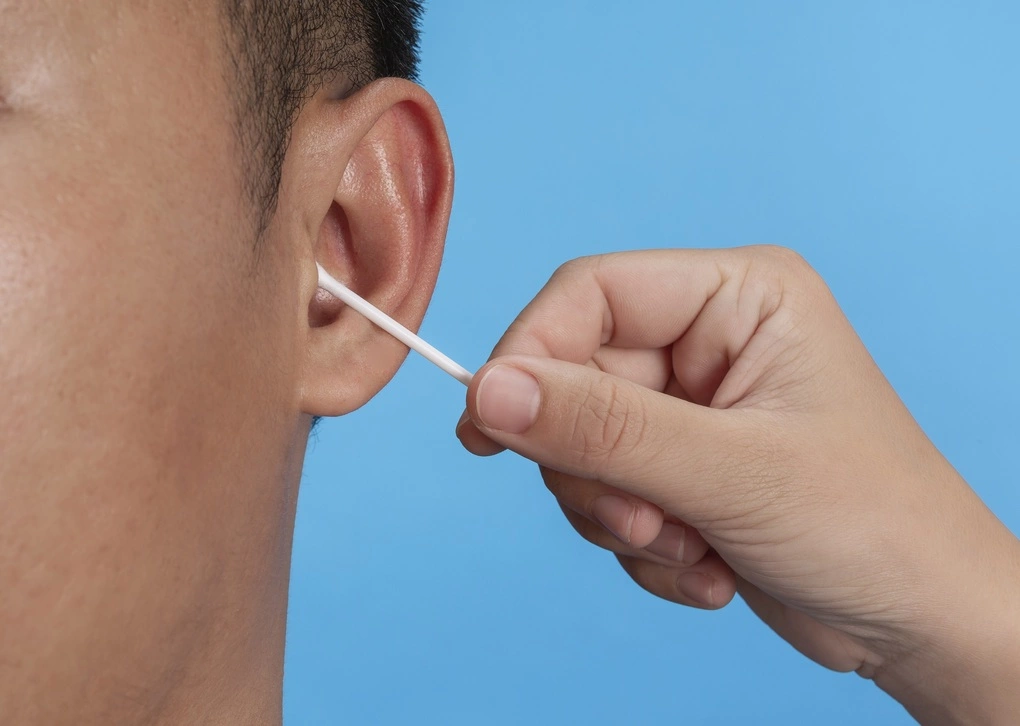
Final Thoughts
Earwax may not be glamorous, but it is an important part of your body's natural defense system.
Its color and texture can vary widely from person to person, and many changes are completely normal. Darker wax may simply be older wax. Grayish material may reflect environmental exposure. Dry or flaky wax can occur naturally in some people.
What matters most is the combination of appearance and symptoms.
Blood, persistent watery discharge, foul odor, significant pain, itching, dizziness, or changes in hearing deserve more attention than color alone.
And perhaps the biggest mistake is trying too hard to keep the ears “spotless.”
Cotton swabs and other objects can push wax deeper, irritate delicate skin, and even cause injury.
Your ears are designed to protect themselves.
Give them the opportunity to do what they were built to do.
Keep the outer ear clean, protect your hearing from excessive noise, avoid inserting objects into the ear canal, and seek professional advice when something doesn't seem right.
Sometimes, taking better care of your body means doing less—not more.
And when it comes to earwax, that simple principle can make a surprisingly big difference.