
11 Honey Remedies That May Help Support Your Health Naturally
Discover 11 Time-Honored Honey Remedies for Everyday Wellness
Health 02/08/2026 01:39
The kidneys are remarkable organs that work around the clock to filter waste products, regulate fluid balance, maintain healthy blood pressure, and support the production of red blood cells. Because they perform so many essential functions, problems affecting the kidneys can sometimes cause symptoms in unexpected parts of the body including the feet.
Many people think kidney disease only causes changes in urination. While changes in urine can certainly occur, kidney disease may also contribute to swelling, skin changes, nerve symptoms, and muscle problems that affect the feet and lower legs, particularly in more advanced stages.
It's important to remember that foot symptoms are not specific to kidney disease. They can also result from diabetes, poor circulation, heart disease, nerve disorders, injuries, or many other conditions. Nevertheless, persistent or unexplained changes deserve medical evaluation, especially if you have known risk factors for kidney disease.
Here are six foot symptoms that may warrant medical attention.

Healthy kidneys help regulate:
Fluid balance
Electrolytes
Blood pressure
Red blood cell production
Waste removal
When kidney function declines, changes in these systems may contribute to symptoms affecting the lower legs and feet.
However, these symptoms alone cannot diagnose kidney disease.
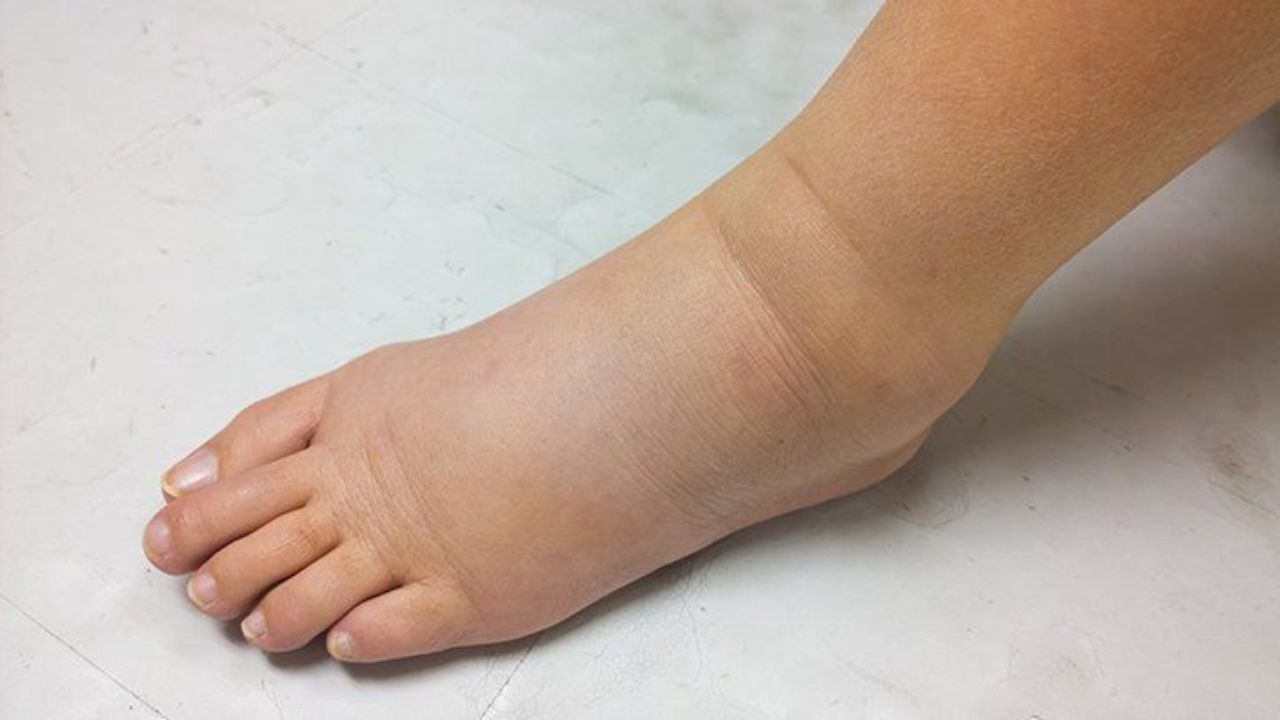
One of the more common symptoms associated with declining kidney function is swelling (edema).
When the kidneys cannot remove excess fluid effectively, fluid may accumulate in the tissues.
People may notice:
Puffy ankles
Swollen feet
Tight shoes that suddenly no longer fit
Socks leaving deep marks around the ankles
Swelling often becomes more noticeable later in the day.
However, edema may also be caused by:
Heart disease
Liver disease
Venous insufficiency
Certain medications
Pregnancy
Prolonged standing
Persistent swelling should always be evaluated by a healthcare provider.
Many people occasionally experience leg or foot cramps.
In individuals with kidney disease, muscle cramps may occur because of:
Electrolyte imbalances
Fluid shifts
Nerve changes
These cramps often occur:
At night
During rest
In the calves or feet
Muscle cramps are also common in healthy individuals after exercise or dehydration, so they are not specific to kidney disease.
Severe or ongoing itching can sometimes occur in people with advanced chronic kidney disease.
This symptom, called uremic pruritus, is thought to involve several factors, including:
Waste product buildup
Dry skin
Inflammation
Changes in nerve signaling
Unlike temporary dry skin, kidney-related itching may:
Affect large areas of the body
Be worse at night
Persist despite moisturizers
Many other conditions—including eczema, allergies, liver disease, and medication side effects—can also cause chronic itching.
Advanced kidney disease may contribute to peripheral neuropathy, a condition affecting the nerves.
Symptoms may include:
Tingling
Burning sensations
Reduced sensation
"Pins and needles"
Numbness in the feet
Diabetes remains one of the most common causes of peripheral neuropathy, and because diabetes is also a leading cause of kidney disease, the two conditions often occur together.
Any persistent numbness or weakness should be medically evaluated.
Kidney disease may sometimes affect the appearance of the skin.
Possible changes include:
Dry skin
Pale skin due to anemia
Darkened areas
Rough skin texture
These changes usually occur gradually and are not unique to kidney disease.
Good skin care and evaluation of persistent changes are important.
Poor wound healing can occur for many reasons.
In people with kidney disease, healing may be affected by:
Reduced circulation
Diabetes
Poor nutrition
Immune system changes
Foot ulcers deserve prompt medical attention, especially in people with diabetes or known kidney disease.
Ignoring small wounds may increase the risk of infection.
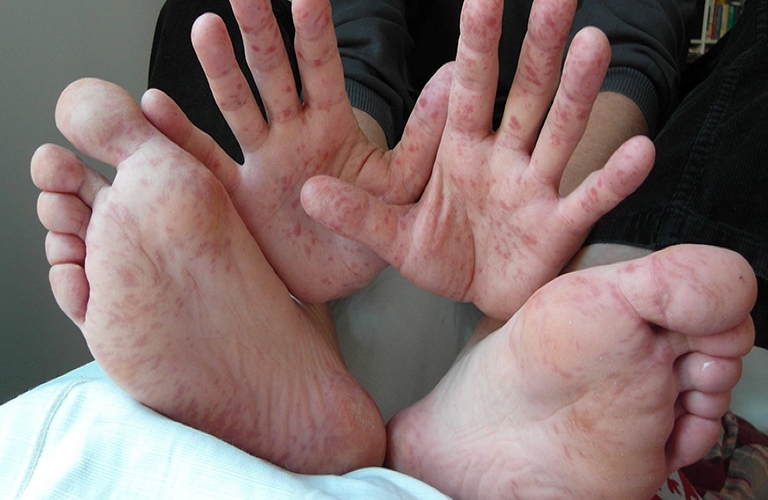
Although foot symptoms may occur, other symptoms are often more closely associated with kidney disease.
These include:
You may notice:
Foamy urine
Blood in the urine
Frequent nighttime urination
Reduced urine output
Increased urgency
When kidney function declines, anemia may develop because the kidneys produce less erythropoietin, a hormone involved in red blood cell production.
This may contribute to:
Persistent tiredness
Weakness
Reduced exercise tolerance
Kidneys help regulate blood pressure.
High blood pressure can both contribute to kidney disease and result from it.
Regular blood pressure monitoring is important.
Advanced kidney disease may cause:
Nausea
Reduced appetite
Unintended weight loss
These symptoms have many possible causes and require medical evaluation.
Some people are more likely to develop kidney disease, including those with:
Diabetes
High blood pressure
Heart disease
Obesity
Family history of kidney disease
Older age
Smoking history
If you belong to one of these groups, regular kidney screening may be recommended.
Doctors do not diagnose kidney disease based on foot symptoms alone.
Evaluation typically includes:
Medical history
Physical examination
Blood pressure measurement
Blood tests (including serum creatinine and estimated glomerular filtration rate, or eGFR)
Urinalysis
Urine albumin testing
Kidney imaging, such as ultrasound, when indicated
These tests provide a much more accurate assessment of kidney function than symptoms alone.
Fact: Swelling has many possible causes, including heart disease, venous insufficiency, liver disease, medications, pregnancy, and prolonged standing.
Fact: Early kidney disease often causes no obvious symptoms, and urine may appear normal despite reduced kidney function.
Fact: Chronic kidney disease frequently develops without pain, especially in its early stages.
Fact: Staying hydrated supports overall health, but excessive water intake does not prevent kidney disease and may not be appropriate for people with certain medical conditions.
Fact: Diabetes, vitamin deficiencies, nerve disorders, and spinal conditions are among the many possible causes of numbness.
While not all kidney disease can be prevented, several habits may help protect kidney function:
Control blood pressure.
Manage diabetes carefully.
Stay physically active.
Eat a balanced diet rich in fruits, vegetables, whole grains, and legumes.
Limit excess sodium.
Avoid smoking.
Maintain a healthy weight.
Follow medication instructions and avoid unnecessary use of certain pain relievers unless advised by your healthcare provider.
Routine health checkups are especially important for people with risk factors.
See a healthcare provider if you experience:
Persistent swelling of the feet or ankles
Blood in the urine
Foamy urine
Significant changes in urination
Ongoing numbness or tingling
Slow-healing foot wounds
Persistent fatigue
High blood pressure that is difficult to control
Seek urgent medical care if swelling develops suddenly, is accompanied by chest pain or difficulty breathing, or if you experience severe weakness or confusion.
Your feet can sometimes provide clues about your overall health, including conditions that affect the kidneys. Symptoms such as persistent swelling, muscle cramps, itching, numbness, skin changes, or slow-healing wounds may occur in some people with kidney disease, particularly in more advanced stages. However, these symptoms are not specific to kidney disease and are much more commonly caused by other conditions, including diabetes, heart disease, poor circulation, nerve disorders, or skin conditions.
Rather than relying on symptoms alone, the best way to protect your kidneys is through regular medical checkups, especially if you have diabetes, high blood pressure, or a family history of kidney disease. Early detection through blood and urine tests allows kidney disease to be identified and managed before serious complications develop, helping preserve kidney function and support long-term health.
Discover 11 Time-Honored Honey Remedies for Everyday Wellness

Want More Iron in Your Diet? These Heart-Healthy Vegetables Are Worth Adding
6 Common Symptoms That May Indicate an Impacted Wisdom Tooth
Onions, Uric Acid, and Stroke Prevention: What Research Says

Nuts and Your Health: What Research Says About Their Benefits and Potential Risks

Smart bedtime drink choices may support better heart and vascular health.

🧠 What Does Eating Peanuts Really Do to Your Body? Here’s What Experts Want You to Know

🌙 You Wake Up at 3 or 4 A.M. for a Reason — But It May Not Be What You Think…

👀 What You Pour Down the Kitchen Sink Matters More Than You Think…

Before You Reach for Ginger, Check These 5 Health Conditions First

Persistent vomiting in children should never be ignored or self-treated.

A daily avocado may offer surprising health benefits when eaten wisely.

Your Swollen Feet Could Be Missing These 5 Essential Nutrients

Some morning symptoms deserve attention, but they are not cancer-specific.

❤️ These Everyday Foods Can Help Support Healthy Arteries — Here’s What to Add to Your Meals

⚠️🍌 Do You Eat Bananas Before Sleeping? Here’s What Health Experts Say… See More 👇

😰 If You Notice These Changes in Your Hands, It May Be Time to Pay Attention to Your Health
Doctors Warn This “Bitter Vegetable” May Be More Toxic Than Arsenic If Eaten Incorrectly

Think Twice Before Serving Tilapia to Your Family. The Reason Behind It Is Shocking
Discover 11 Time-Honored Honey Remedies for Everyday Wellness

Air Conditioner Fan Speed: Is High or Low the Better Choice?
Want More Iron in Your Diet? These Heart-Healthy Vegetables Are Worth Adding

A Step-by-Step Guide to Treating Mold and Peeling Paint on Walls
6 Common Symptoms That May Indicate an Impacted Wisdom Tooth
Onions, Uric Acid, and Stroke Prevention: What Research Says
Nuts and Your Health: What Research Says About Their Benefits and Potential Risks
Smart bedtime drink choices may support better heart and vascular health.
🧠 What Does Eating Peanuts Really Do to Your Body? Here’s What Experts Want You to Know
🌙 You Wake Up at 3 or 4 A.M. for a Reason — But It May Not Be What You Think…
👀 What You Pour Down the Kitchen Sink Matters More Than You Think…

⚠️ If You Do This After Cooking, You Could Be Shortening the Life of Your Pipes…
Before You Reach for Ginger, Check These 5 Health Conditions First
Persistent vomiting in children should never be ignored or self-treated.
A daily avocado may offer surprising health benefits when eaten wisely.
Your Swollen Feet Could Be Missing These 5 Essential Nutrients

That decorative cloth serves more than just an attractive hotel room design.
Some morning symptoms deserve attention, but they are not cancer-specific.
❤️ These Everyday Foods Can Help Support Healthy Arteries — Here’s What to Add to Your Meals