
Twelve Foot-Related Warning Signs You Should Never Ignore
Your feet carry you through every part of your day, but they’re also one of the first places to show subtle signs that something deeper may be going on with your circulation, nerves, or metabolic health. Even though your feet cannot “measure blood sugar,” they can reveal early clues that your body is under stress. Many people overlook these signals until they become uncomfortable or disruptive, but paying attention early can make a major difference in long-term health.
Below are twelve foot-related symptoms worth noticing—especially if they appear frequently or progressively worsen.
1. Persistent Numbness
Feeling like your feet are “asleep” all the time isn’t normal. Occasional numbness can happen from sitting awkwardly, but persistent numbness may reflect nerve irritation or reduced circulation.
2. Tingling or Burning Sensations
A warm, burning, or electric-shock sensation—especially at night—can indicate nerve sensitivity. When it becomes a pattern instead of a one-off moment, it deserves attention.
3. Frequent Muscle Cramps
Cramps in the feet or toes might be related to dehydration or overuse, but frequent episodes can point to mineral imbalance or circulation issues.
4. Unusual Swelling
Regular swelling in the ankles or feet may signal fluid retention. When swelling appears without injury, or shows up more on one side, it’s worth discussing with a healthcare professional.
5. Slow-Healing Wounds
Small cuts, blisters, or cracked skin should get better within a reasonable timeframe. If healing is slow, it may be a sign that blood flow isn’t optimal or that nerve sensations are reduced.
6. Excessive Dryness or Cracking
Dry feet are common, but when the skin becomes persistently cracked, flaky, or unusually rough, it may reflect changes in circulation or hydration.
7. Changes in Skin Color
Skin that appears bluish, pale, patchy, or darker than usual may suggest circulation problems. These color shifts should not be ignored, especially when they happen repeatedly.
8. Temperature Differences
Feet that feel consistently cold—while the rest of the body feels normal—may indicate limited blood flow. Meanwhile, areas that feel unusually warm or hot may reflect local irritation or inflammation.
9. Sharp or Shooting Pain
Sudden sharp pain in the foot or toes can come from nerve irritation, strain, or joint stress. If it happens often or becomes more intense, evaluation is important.
10. Loss of Sensation to Pain or Temperature
Not feeling a hot floor, sharp object, or uneven surface is a major signal that nerve function might be compromised. Reduced sensation increases the risk of unnoticed injuries.
11. Thickened or Brittle Nails
Changes in toenail thickness, texture, or color can be due to infections or nail trauma, but sometimes they also reflect changes in blood supply or immune response.
12. Difficulty Walking or Balance Problems
If your feet feel weak, unstable, or unable to support your steps, it can suggest nerve or muscle involvement. Gradual changes in balance are especially important to monitor.
Why These Signs Matter
Your feet are at the “end of the line” in the circulatory system, meaning they rely heavily on good blood flow to stay healthy. When circulation slows down or nerves aren’t working correctly, your feet often speak up first. Many of these symptoms are manageable when caught early, but ignoring them may lead to complications that grow harder to treat.
It’s important to remember:
These symptoms do not diagnose any specific condition by themselves. They simply help you notice when something needs attention.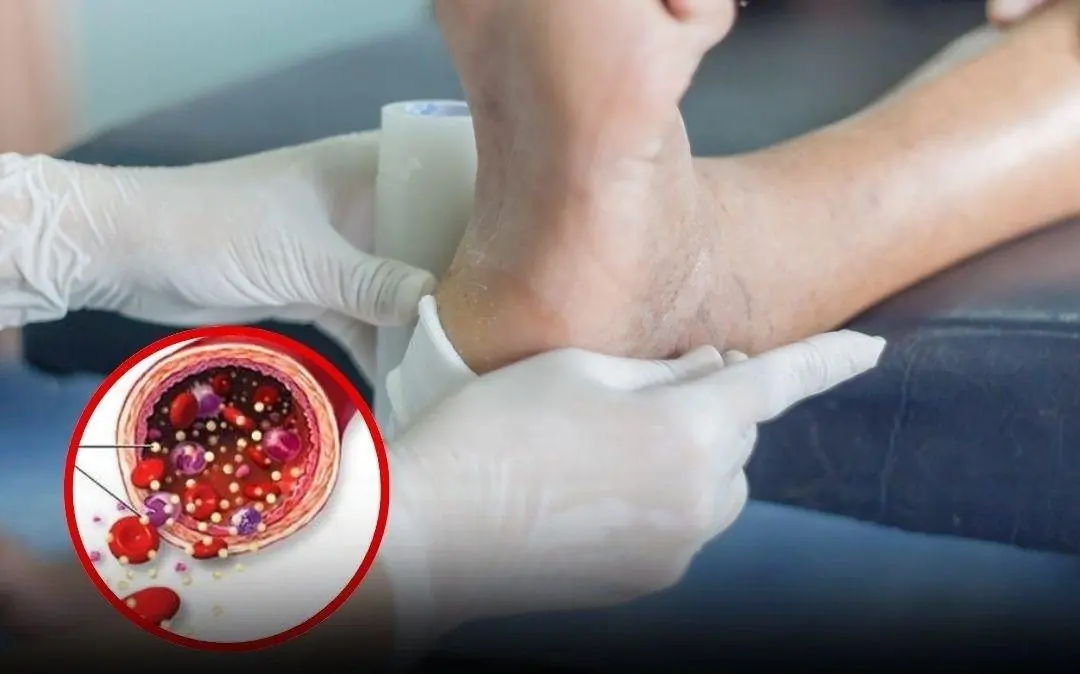
When to Seek Medical Advice
You should consider consulting a healthcare professional if:
-
Symptoms last more than a few days
-
Pain becomes intense or spreads
-
Skin color changes noticeably
-
Swelling happens regularly
-
Wounds fail to heal
-
Sensation feels reduced or strange
Early evaluation helps identify whether symptoms are related to circulation, nerves, or external factors like shoes, posture, or daily habits.
Taking Care of Your Feet (and Your Body)
Some simple habits can support healthy feet and better circulation:
-
Stay hydrated
-
Move regularly, especially if you sit for long periods
-
Wear supportive shoes
-
Keep skin moisturized
-
Check your feet regularly
-
Stretch your legs and calves
-
Maintain a balanced lifestyle
Your feet are more than just the “bottom” of your body—they’re often the first to show when something needs care.