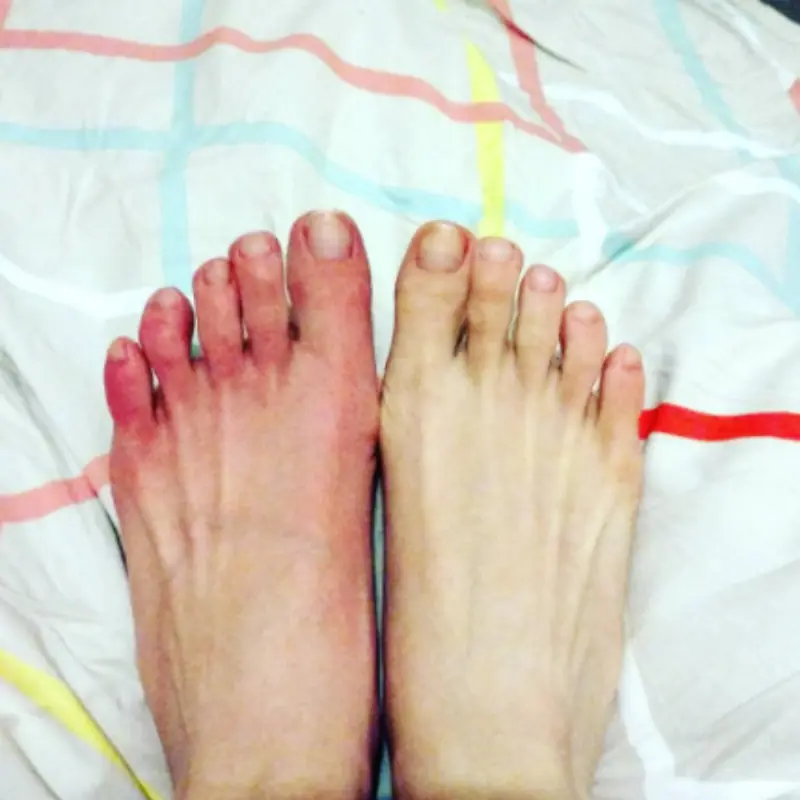
Diabetes is often called a “silent disease” because it can develop for years without obvious symptoms. However, doctors say the feet may reveal early warning signs long before blood sugar problems are officially diagnosed.
If you frequently notice the following unusual changes in your feet, it may be time to pay closer attention to your blood sugar levels.
1. Persistent Tingling or Numbness
Many people with early-stage diabetes experience tingling, numbness, or a pins-and-needles sensation in their feet. This can be a sign of nerve damage caused by prolonged high blood sugar.
2. Cold Feet Even in Warm Environments
Consistently cold feet, even when the weather is warm, may indicate poor blood circulation—a common complication linked to uncontrolled blood sugar.
3. Slow-Healing Cuts or Wounds
Small cuts, blisters, or sores on the feet that heal very slowly can be an early sign of diabetes. High blood sugar interferes with the body’s natural healing process and weakens immune responses.
4. Dry, Cracked Skin
Excessively dry or cracked skin around the heels and soles may be linked to nerve and sweat gland damage associated with diabetes.
5. Burning or Sharp Pain, Especially at Night
A burning sensation or sharp pain in the feet that worsens at night may signal diabetic neuropathy, one of the most common complications of diabetes.
Why the Feet Matter in Diabetes Detection
Medical experts explain that the feet are often the first area affected by diabetes-related nerve and circulation issues. Observing changes in this area can help identify problems earlier and prevent serious complications.
When to See a Doctor
If you experience several of these symptoms regularly, doctors recommend checking your blood sugar levels and seeking professional medical advice.
Final Reminder
While these signs do not confirm diabetes on their own, early awareness can make a significant difference. Detecting and managing diabetes early can help protect your health and prevent long-term damage.