Regular foot inspection is especially helpful because many changes develop slowly. Checking your feet in good lighting can help you notice changes in nail color, skin texture, swelling, wounds, or shape before they become more serious.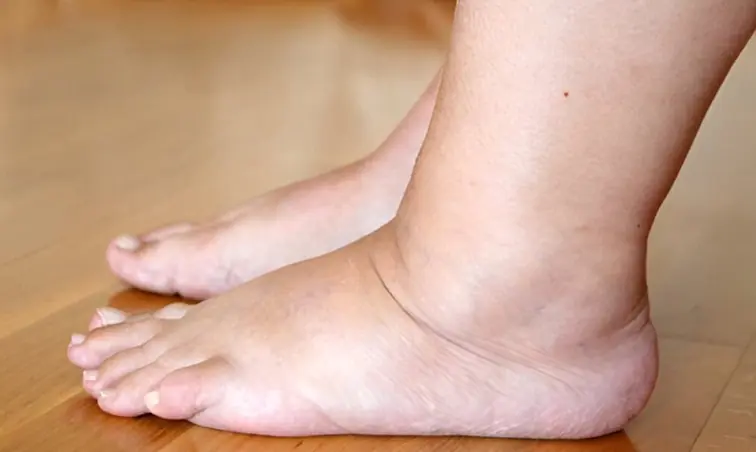
Chapter 6: When Foot Symptoms Become an Emergency—and How to Protect Your Feet Every Day
Knowing which symptoms require immediate attention is just as important as recognizing the more subtle warning signs.
Some foot problems can be monitored briefly, particularly when they appear after exercise, long periods of standing, or wearing uncomfortable shoes and improve with rest.
However, certain symptoms should never be ignored.
Sudden, severe pain in a foot or leg accompanied by unusual coldness, pale or blue color, numbness, weakness, or difficulty moving may indicate an acute circulation problem. This requires emergency medical evaluation.
Sudden swelling in one leg, particularly when accompanied by pain, warmth, or redness, may indicate a blood clot. Seek urgent medical attention rather than attempting to massage the affected area.
A foot wound accompanied by spreading redness, increasing warmth, swelling, pus, fever, or worsening pain may indicate an infection. If you have diabetes or reduced sensation, even a seemingly small wound should be taken seriously.
Chest pain, shortness of breath, fainting, or coughing up blood alongside leg swelling are emergency symptoms that require immediate medical care.
The good news is that many everyday habits can help protect foot health.
Begin by choosing shoes that fit properly. Footwear should provide enough room for the toes, adequate support, and protection from repeated friction. Shoes that are too narrow, too tight, or too loose may contribute to blisters, pressure points, and discomfort.
Avoid walking barefoot in environments where sharp objects, rough surfaces, or infection risks are present, particularly if you have diabetes or reduced sensation.
Keep your feet clean and dry. Wash them regularly using gentle soap and water, then dry carefully between the toes. Excess moisture can encourage fungal growth, while excessively dry skin may crack.
Moisturizing the skin can help prevent dryness, but avoid applying thick creams between the toes unless advised by a healthcare professional because excessive moisture in those areas may encourage infection.
Move regularly throughout the day. If your job requires prolonged sitting, stand up periodically and move your ankles and legs. If you spend much of the day standing, take opportunities to rest and change positions.
Physical activity can support cardiovascular health and circulation. Walking, cycling, swimming, and other forms of exercise may be beneficial, depending on your abilities and medical conditions.
If you have diabetes, check your feet daily. Look for cuts, blisters, redness, swelling, discoloration, changes in temperature, or areas of unusual pressure. If you cannot see the bottoms of your feet clearly, use a mirror or ask someone you trust to help.
Manage chronic conditions with the guidance of your healthcare professional. Keeping blood glucose, blood pressure, and cholesterol under control can help reduce the risk of complications affecting blood vessels and nerves.
Avoid smoking. Tobacco can damage blood vessels and significantly increase the risk of circulation problems.
Finally, do not wait until a foot symptom becomes painful before seeking help. Numbness may prevent pain from being felt, and some circulation problems can develop gradually.
Your feet may not be able to tell you exactly what is happening inside your body, but persistent changes can provide valuable clues. The key is to notice patterns, understand that symptoms have many possible causes, and seek professional advice when something feels unusual.
Final Thoughts: Pay Attention to the Signals Your Body Sends
Your feet work quietly every day, carrying you through countless activities without demanding much attention. But swelling, numbness, burning sensations, unusual coldness, discoloration, wounds that heal slowly, or changes in your nails and skin can sometimes be signs that something deserves closer examination.
These symptoms do not automatically mean that you have a serious disease. Many are caused by everyday factors such as footwear, prolonged standing, minor injuries, temperature changes, or skin conditions.
However, persistent or unexplained symptoms should not be ignored, especially when they occur alongside diabetes, smoking, cardiovascular risk factors, or other chronic conditions.
The most useful habit is simple: take a few minutes to examine your feet regularly. Notice what is normal for you, and pay attention when something changes.
Early recognition does not mean self-diagnosing. It means giving yourself the opportunity to seek appropriate care before a small problem becomes a larger one.
Sometimes, the most important health warning signs are not dramatic. They may begin with a subtle change in the way your shoes fit, a strange sensation in your toes, a patch of skin that looks different, or a small wound that refuses to heal.
Your feet deserve the same attention as the rest of your body. And when they send a signal that something may be wrong, listening early can be one of the simplest—and potentially most important—steps you take toward protecting your health.