Diabetes is often called a “silent disease” because many people live with high blood sugar for years without obvious symptoms. But the body usually sends warnings—sometimes in unexpected places. One of the clearest areas to watch is the feet. The message in the image says: “Your feet may be warning you about diabetes: Don’t ignore these 5 strange signs.”
Why the feet? Because diabetes can damage blood vessels and nerves, especially in the lower legs and feet where circulation is naturally weaker. Over time, this can lead to numbness, slow healing, infections, and even serious complications. The good news: catching early signs can help people get tested sooner, control blood sugar earlier, and protect long-term health.
Why Diabetes Often Shows Up in the Feet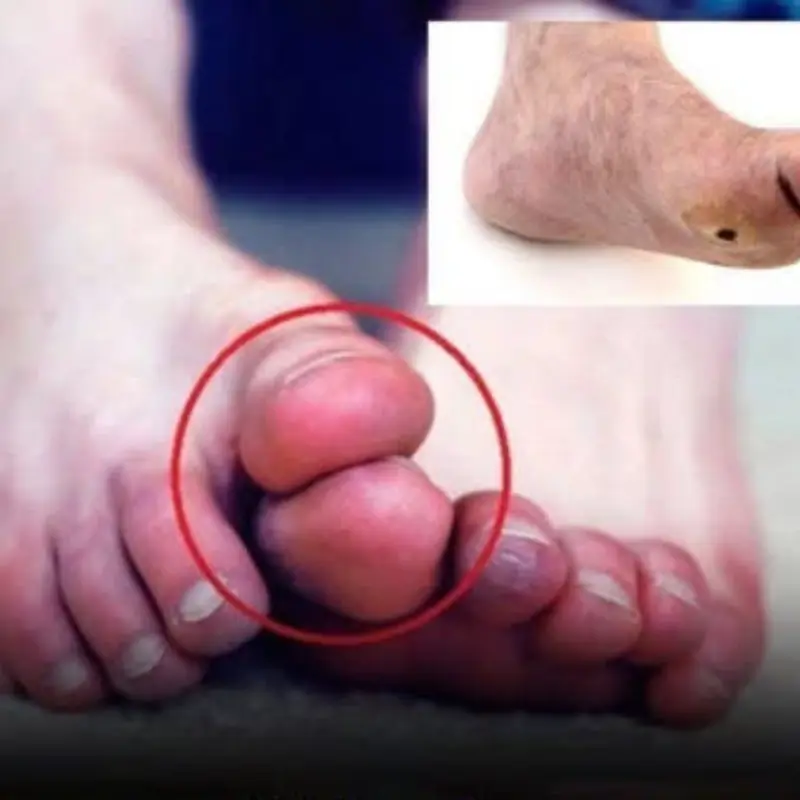
High blood sugar can harm the body in two major ways:
-
Nerve damage (diabetic neuropathy): This reduces sensation, making it harder to feel pain, heat, or injury.
-
Poor circulation: Narrowed blood vessels reduce oxygen and nutrients to the feet, slowing healing and weakening the skin.
That combination is why small foot problems can become big issues for people with undiagnosed or uncontrolled diabetes.
1) Numbness, Tingling, or “Pins and Needles”
One of the earliest warning signs is a strange sensation in the feet—tingling, burning, or numbness. Many people describe it as feeling like their feet are asleep or buzzing, especially at night.
This may be caused by nerve damage from persistent high blood sugar. When nerves are damaged, sensations can become confusing: you might feel pain without injury, or you might not feel an injury at all.
Watch for: tingling in toes, burning soles, or numb patches.
2) Cold Feet or Changes in Temperature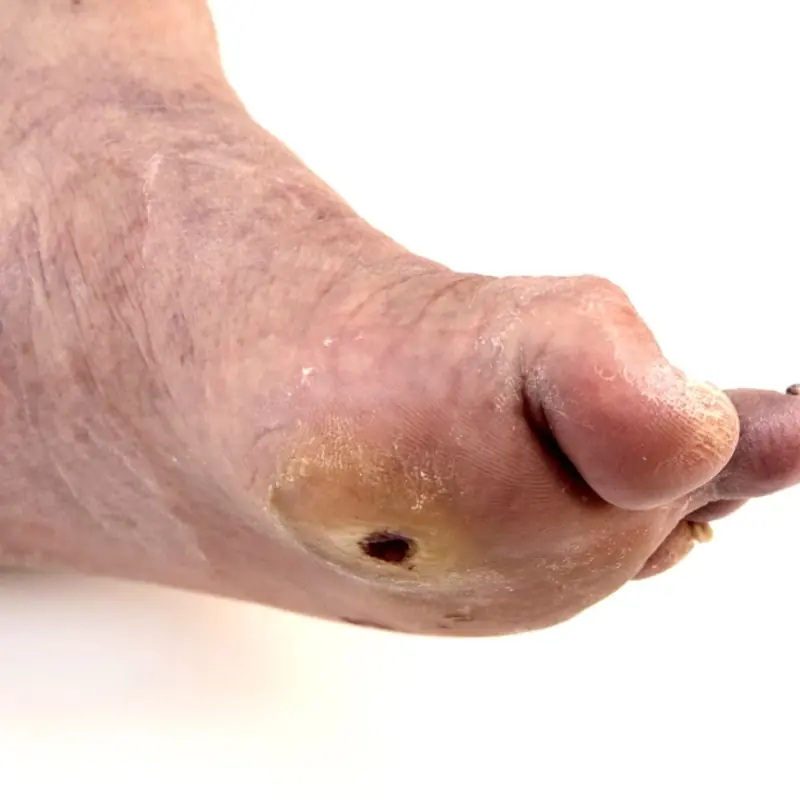
If your feet frequently feel colder than the rest of your body, it could be a sign of circulation problems. Poor blood flow is common in diabetes and can make the feet feel cold even in warm conditions.
Some people experience the opposite—feet that feel unusually hot or burning. This can be linked to nerve irritation. Either way, sudden or recurring temperature changes deserve attention.
Watch for: feet that are unusually cold, pale, or frequently “burning.”
3) Slow-Healing Cuts, Blisters, or Ulcers
This is one of the most important signs. A small cut, blister, or crack on the heel should heal within days or a couple of weeks. If wounds heal very slowly—or keep reopening—diabetes may be affecting the body’s ability to repair tissue.
Poor circulation slows healing, while high blood sugar can weaken the immune response, increasing the risk of infection. Over time, untreated wounds can develop into ulcers, especially on pressure points like the toes or heel.
Watch for: sores that don’t heal, swelling, or redness that spreads.
4) Unusual Foot Odor or Repeated Fungal Infections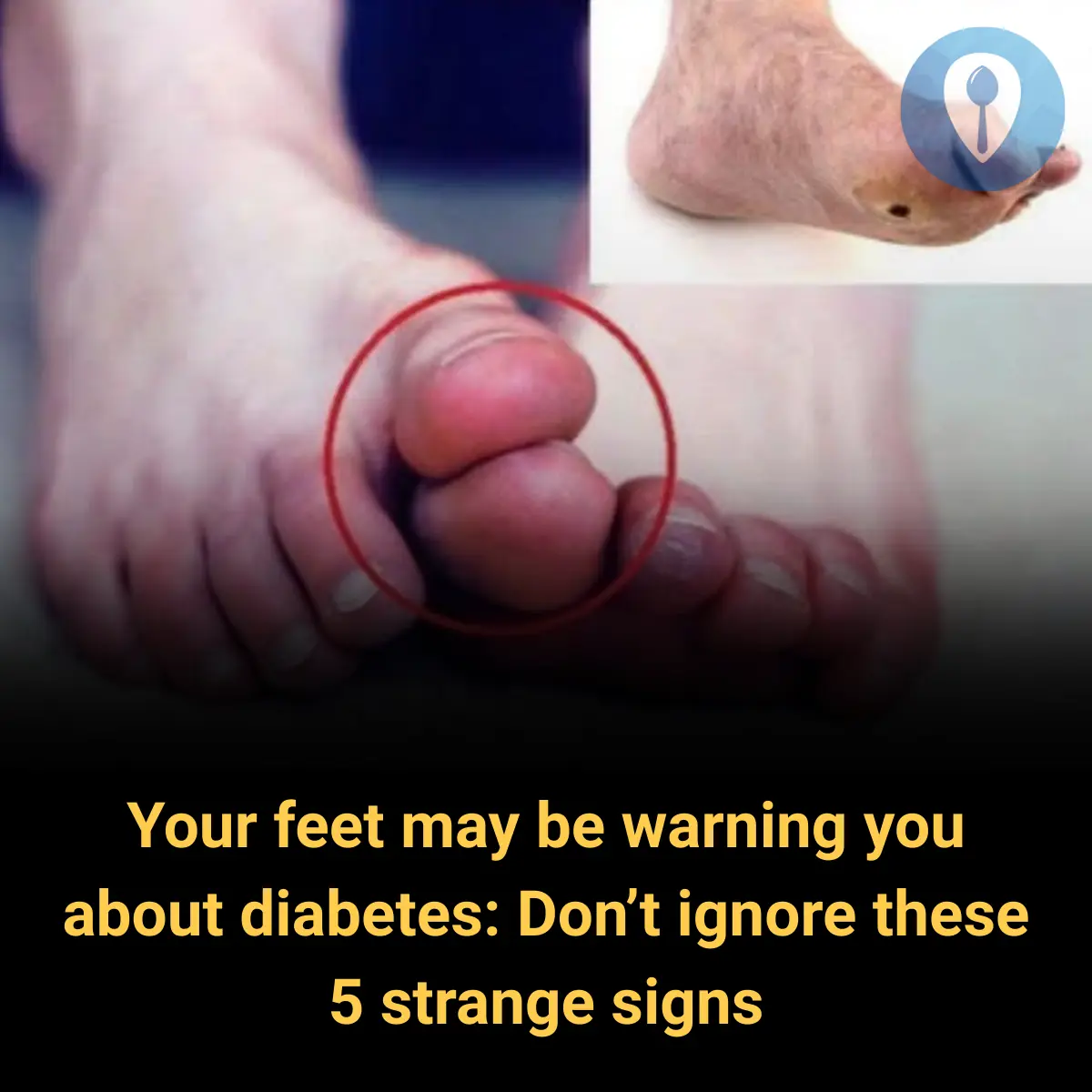
Persistent foot odor, itchy skin between toes, athlete’s foot, or frequent nail fungus may also be a clue. Diabetes can create an environment where fungi and bacteria grow more easily, especially when sweat, moisture, and weakened immune defenses combine.
While fungal infections are common in many people, repeated or stubborn cases can be a sign that blood sugar may be too high.
Watch for: recurring athlete’s foot, yellow thick nails, or skin cracking.
5) Skin Changes and Dark Spots (Calluses, Thick Skin, or Discoloration)
Diabetes-related circulation and nerve changes can alter the skin over time. You may notice dry, cracked skin, thick calluses, or unusual dark patches. In some cases, calluses can build up and hide underlying ulcers.
The image also suggests a serious concern: a dark spot or wound that looks small but could represent deeper tissue damage, especially if sensation is reduced.
Watch for: dry skin, thick calluses, dark spots, or unexplained bruising.
When to Get Checked
If you notice one or more of these symptoms repeatedly—especially combined with other warning signs like thirst, frequent urination, fatigue, blurred vision, or unexplained weight loss—it’s smart to get tested. A simple blood test can confirm whether your glucose levels are normal.
You should seek medical attention urgently if you have:
-
A foot wound that won’t heal
-
Signs of infection (pus, warmth, swelling, fever)
-
Severe numbness or sudden pain
-
Blackened tissue or rapidly spreading redness
Conclusion
Your feet can reveal early clues about diabetes long before serious complications appear. Tingling, numbness, slow healing, infections, and skin changes are not just “minor issues”—they may be warnings that blood sugar is damaging nerves and blood vessels. Paying attention to your feet, getting tested early, and taking action can protect your health for years to come.