Most of us don't spend much time examining our feet unless something hurts. We put on socks and shoes, go about our day, and rarely think about what changes in our toes, skin, or ankles might mean.
Yet your feet are surprisingly useful when it comes to spotting certain health problems.
Because they are located far from the heart and contain an extensive network of blood vessels, nerves, muscles, skin, and connective tissue, changes in the feet can sometimes reflect problems involving circulation, blood glucose, nerves, fluid balance, or infection.
That doesn't mean you can diagnose the health of your internal organs simply by looking at your feet. A swollen ankle doesn't automatically mean kidney disease, and cold toes don't automatically mean blocked arteries.
But certain persistent or sudden changes deserve attention, particularly when they appear alongside other symptoms.
Here are three important signs to watch for—and what they could potentially tell you about your overall health.
1. Persistent Swelling in Your Feet or Ankles
Have you ever taken your socks off at the end of the day and noticed deep marks around your ankles?
A little temporary swelling can be completely harmless.
Your feet and ankles may swell after:
-
Standing for many hours
-
Sitting during a long flight
-
Eating a very salty meal
-
Spending time in hot weather
-
Pregnancy
-
Certain medications
Gravity naturally encourages fluid to collect in the lower extremities, particularly after you've been upright for a long time.
Usually, this mild swelling improves after walking, elevating your legs, or resting overnight.
However, persistent, unexplained, worsening, or sudden swelling can tell a different story.

Why Do Feet Swell?
Swelling caused by fluid accumulation in tissues is known as edema.
Your circulatory system constantly moves blood and fluid throughout the body. Normally, fluid leaving small blood vessels is largely returned to circulation through blood vessels and the lymphatic system.
When this balance becomes disrupted, excess fluid can accumulate in the tissues.
Because gravity pulls fluid downward, the ankles and feet are common places to notice it first.
Could Swollen Feet Be Related to the Heart?
Sometimes.
Heart failure can reduce the heart's ability to pump blood effectively.
When circulation becomes impaired, pressure can build within veins, contributing to fluid accumulation in the lower legs and ankles.
Heart-related swelling often affects both legs, although patterns can vary.
Other possible symptoms may include:
-
Shortness of breath
-
Reduced exercise tolerance
-
Unusual fatigue
-
Rapid weight gain from fluid
-
Difficulty breathing when lying flat
-
Waking at night feeling short of breath
Swollen ankles alone do not diagnose heart failure.
But swelling accompanied by breathing problems deserves medical attention.
Could Kidney Problems Cause Swelling?
Yes.
Your kidneys help regulate:
-
Sodium
-
Water
-
Electrolytes
-
Waste products
When kidney function becomes significantly impaired, the body may have difficulty maintaining normal fluid and sodium balance.
Fluid can accumulate, potentially causing swelling in the:
-
Feet
-
Ankles
-
Legs
-
Hands
-
Face or around the eyes
However, kidney disease can be silent for a long time.
You cannot determine whether your kidneys are healthy simply by checking your ankles.
Blood and urine tests are needed to evaluate kidney function.
What About Liver Disease?
Advanced liver disease can also contribute to edema.
The liver produces proteins—including albumin—that help maintain fluid within the bloodstream.
When severe liver disease reduces albumin production and alters blood flow, fluid may accumulate in the legs or abdomen.
Possible additional signs of advanced liver disease include:
-
Yellowing of the skin or eyes
-
Abdominal swelling
-
Easy bruising
-
Unusual fatigue
-
Confusion
-
Loss of appetite
Again, swollen feet alone are far more commonly caused by other things.
But persistent edema combined with these symptoms requires medical evaluation.
One Swollen Leg Is Different From Two
This distinction is important.
Swelling in both ankles can occur because of systemic fluid retention, medication effects, venous problems, or prolonged standing.
But sudden swelling in one leg—particularly when accompanied by pain, warmth, or redness—raises concern about a deep vein thrombosis (DVT).
A DVT is a blood clot forming in a deep vein, usually in the leg.
Possible symptoms include:
-
One-sided swelling
-
Calf or leg pain
-
Warm skin
-
Redness or discoloration
-
Tenderness
Not everyone with DVT has obvious symptoms.
When a Blood Clot Becomes an Emergency
A portion of a blood clot can break away and travel to the lungs.
This is called a pulmonary embolism (PE).
Seek emergency medical attention if leg swelling is accompanied by:
-
Sudden shortness of breath
-
Chest pain
-
Coughing up blood
-
Fainting
-
Rapid heartbeat
-
Severe unexplained dizziness
A pulmonary embolism can be life-threatening.
Don't massage a suddenly swollen, painful leg in an attempt to “improve circulation” if a clot is possible.
Get it evaluated.
Medications Can Cause Swollen Ankles Too
Not every case of edema means an organ is failing.
Certain medications can contribute to ankle swelling.
Examples include some:
-
Blood pressure medications
-
Anti-inflammatory drugs
-
Hormonal medications
-
Diabetes medications
If swelling begins after starting or changing a medication, discuss it with your healthcare provider.
Don't stop prescription medication on your own.
2. Cold, Pale, Blue, or Slow-Healing Feet
Your feet require a continuous supply of oxygen-rich blood.
When blood flow becomes significantly reduced, changes may become visible.
You might notice:
-
Feet that feel unusually cold
-
Pale skin
-
Bluish or unusual discoloration
-
Shiny skin
-
Reduced hair growth on the legs or feet
-
Weak pulses
-
Wounds that heal slowly
These changes can sometimes point toward a circulation problem known as peripheral artery disease (PAD).
What Is Peripheral Artery Disease?
PAD usually occurs when arteries supplying the legs become narrowed by atherosclerosis.
Atherosclerosis involves the accumulation of plaque within artery walls.
This can restrict blood flow.
PAD is particularly important because it doesn't only affect the legs.
The same underlying atherosclerotic process can affect arteries supplying the:
-
Heart
-
Brain
-
Kidneys
-
Other organs
So PAD can be a marker of broader cardiovascular disease.
The Classic PAD Symptom
One of the classic symptoms is called intermittent claudication.
It often feels like:
Pain, aching, heaviness, or cramping in the calf or leg during walking that improves after resting.
For example:
You walk several blocks.
Your calf begins hurting.
You stop.
The pain gradually improves.
You start walking again.
The pain returns.
That pattern deserves medical attention.
But Many People With PAD Have Few Symptoms
This is what makes PAD easy to overlook.
Some people don't experience classic leg pain.
Instead, they may notice:
-
Cold toes
-
Reduced leg hair
-
Slow-growing toenails
-
Skin discoloration
-
Weakness
-
Slow-healing wounds
Others may have no obvious symptoms at all.
Who Is at Higher Risk of PAD?
Important risk factors include:
-
Smoking
-
Diabetes
-
High blood pressure
-
High cholesterol
-
Increasing age
-
Chronic kidney disease
-
Established cardiovascular disease
Smoking and diabetes are particularly important.
If you have several of these risk factors and notice persistent changes in your feet, mention them to your healthcare provider.
Why Slow-Healing Foot Wounds Matter
A small blister doesn't sound dangerous.
But if blood flow to the foot is poor, damaged tissue receives less oxygen and fewer nutrients.
Healing can become difficult.
Now add another possible problem: nerve damage from diabetes.
A person may develop a blister but not feel it properly.
They continue walking on it.
The wound becomes larger.
Bacteria enter.
An infection develops.
Poor circulation then makes the infection harder to heal.
This combination is one reason foot care is so important for people with diabetes.
Diabetes Can Affect Your Feet in Two Major Ways
Diabetes can damage both:
Nerves
This is known as diabetic neuropathy.
Blood vessels
This can impair circulation.
Together, these problems can significantly increase the risk of foot ulcers and infections.
Signs of Diabetic Neuropathy
Possible symptoms include:
-
Tingling
-
Burning
-
Pins and needles
-
Numbness
-
Shooting pain
-
Reduced ability to feel heat or cold
Symptoms often begin in the toes or feet and may gradually move upward.
Some people describe the sensation as:
“I'm wearing socks even though I'm barefoot.”
Why Numbness Can Be More Dangerous Than Pain
Pain is unpleasant, but it serves an important protective purpose.
It tells you something is wrong.
If nerve damage prevents you from feeling pain properly, you might not notice:
-
A sharp object inside your shoe
-
A blister
-
A cut
-
A burn
-
An infected wound
That's why people with diabetes are often advised to inspect their feet regularly.
Check Between Your Toes Too
Foot problems aren't always on the sole.
Look for:
-
Cracked skin
-
Blisters
-
Cuts
-
Redness
-
Swelling
-
Drainage
-
Areas of unusual warmth
-
Changes in skin color
Check between the toes as well.
A tiny wound can become significant if circulation or sensation is impaired.
What Does a Dangerous Foot Infection Look Like?
Foot infections can cause:
-
Increasing redness
-
Warmth
-
Swelling
-
Pain
-
Pus or drainage
-
Foul odor
-
Skin breakdown
Fever may occur if the infection becomes more severe.
However, people with diabetes or impaired immunity may sometimes have serious infections without dramatic symptoms.
A worsening wound deserves professional evaluation.
When Poor Circulation Becomes an Emergency
Severe sudden loss of blood flow to a limb is called acute limb ischemia.
Possible warning signs include a foot or leg that suddenly becomes:
-
Very painful
-
Pale
-
Cold
-
Numb
-
Weak
A pulse may become difficult to detect.
This is an emergency.
Tissue can become permanently damaged if blood flow isn't restored quickly.
Do not wait until the next day to see whether the foot “warms up.”
3. Persistent Numbness, Tingling, Burning, or Unusual Sensations
Have you ever sat in an awkward position and had your foot “fall asleep”?
Temporary pins and needles after pressure on a nerve is usually harmless.
The sensation typically disappears after changing position.
But persistent, recurring, or progressively worsening numbness and tingling is different.
It may indicate a problem involving peripheral nerves.
This is known broadly as peripheral neuropathy.
Diabetes Is a Major Cause
Diabetes is one of the most common causes of peripheral neuropathy.
Chronically elevated blood glucose can damage nerves over time.
The longest nerves in the body are often affected first, which is why symptoms frequently begin in the toes and feet.
A common pattern is symmetrical:
Both feet → ankles → lower legs
and sometimes later the hands.
This is often described as a stocking-glove pattern.
Could Foot Tingling Be an Early Sign of Diabetes?
It can be associated with diabetes, but tingling alone doesn't diagnose the condition.
Other possible symptoms of diabetes include:
-
Excessive thirst
-
Frequent urination
-
Fatigue
-
Blurred vision
-
Unexplained weight loss
-
Frequent infections
-
Slow-healing wounds
Some people with type 2 diabetes have almost no symptoms.
Blood testing—such as fasting glucose or A1C—is required for diagnosis.
Vitamin B12 Deficiency Can Also Affect the Feet
Vitamin B12 is important for normal nerve function.
Significant deficiency can cause neurological symptoms including:
-
Tingling
-
Numbness
-
Balance problems
-
Weakness
Other possible symptoms include:
-
Fatigue
-
Pale skin
-
Sore tongue
-
Cognitive changes
Some people are at increased risk of B12 deficiency because of:
-
Malabsorption
-
Certain gastrointestinal conditions
-
Previous gastrointestinal surgery
-
Certain medications
-
Very restrictive diets without appropriate supplementation
Persistent neurological symptoms should be investigated rather than automatically treated with random vitamins.
Don't Take Huge Doses of Supplements “Just in Case”
If your feet tingle, you may be tempted to buy a collection of B vitamins.
That's not always a good idea.
Interestingly, excessive intake of certain vitamins—particularly vitamin B6—can itself cause peripheral neuropathy.
More isn't always better.
Testing and identifying the cause is preferable to guessing.
Other Causes of Peripheral Neuropathy
Diabetes and vitamin deficiencies aren't the only possibilities.
Neuropathy may also be associated with:
-
Excessive alcohol consumption
-
Certain medications
-
Chemotherapy
-
Kidney disease
-
Thyroid disorders
-
Autoimmune diseases
-
Certain infections
-
Nerve compression
-
Inherited neurological conditions
Sometimes the cause remains unclear even after investigation.
What About Burning Feet at Night?
Burning sensations in the feet can become more noticeable at night.
People with peripheral neuropathy may describe:
-
Burning
-
Electric shocks
-
Stabbing pain
-
Extreme sensitivity to touch
Even a bedsheet touching the feet can feel uncomfortable.
This doesn't necessarily mean your “internal organs are infected.”
It's more commonly related to nerve dysfunction, metabolic problems, or other neurological causes.
Can Kidney Disease Cause Tingling?
Advanced kidney disease can sometimes contribute to peripheral neuropathy.
However, tingling feet alone are not a reliable way to identify kidney disease.
Kidney function is evaluated through tests such as:
-
Blood creatinine
-
Estimated glomerular filtration rate (eGFR)
-
Urine albumin testing
Don't use foot symptoms as a substitute for proper testing.
What About Changes in Your Toenails?
Toenails can also provide useful clues—but they are often misunderstood.
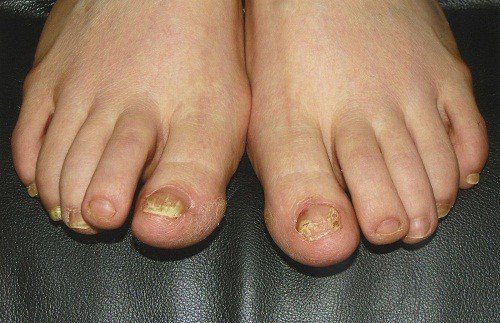
Thick, yellow, brittle nails frequently result from fungal infection.
They don't automatically indicate liver disease or cancer.
Other nail changes may result from:
-
Trauma
-
Aging
-
Psoriasis
-
Circulation problems
-
Nutritional issues
-
Other medical conditions
If a toenail suddenly develops a dark streak or unusual pigmentation that doesn't grow out normally, it deserves professional evaluation.
Rarely, melanoma can occur beneath a nail.
Purple or Blue Toes Shouldn't Be Ignored
A bluish or purple appearance can sometimes occur because of cold temperatures.
But persistent or sudden discoloration can indicate impaired circulation or oxygen delivery.
Seek medical evaluation if blue or purple toes are:
-
New
-
Persistent
-
Painful
-
Associated with coldness or numbness
Sudden severe symptoms require more urgent attention.
What About Red Feet?
Redness can have many explanations.
Possible causes include:
-
Irritation
-
Pressure from footwear
-
Fungal infection
-
Cellulitis
-
Gout
-
Circulatory problems
-
Inflammatory conditions
The pattern matters.
A small irritated area from a shoe is very different from a foot that suddenly becomes intensely red, hot, swollen, and painful.
A Hot, Red, Swollen Foot Can Mean Infection
Cellulitis is a bacterial infection affecting deeper layers of skin and underlying tissue.
Possible symptoms include:
-
Expanding redness
-
Warmth
-
Swelling
-
Tenderness
-
Pain
Some people also develop:
-
Fever
-
Chills
-
Feeling generally unwell
Cellulitis often requires antibiotic treatment.
It isn't something to treat solely with home remedies.
People With Diabetes Need Extra Caution
A red, swollen foot in someone with diabetes deserves particular attention.
Because diabetes can reduce sensation, a person may underestimate the severity of an injury or infection.
Poor circulation may also make healing more difficult.
If you have diabetes and notice a new foot ulcer, significant redness, drainage, or swelling, contact your healthcare professional promptly.
What About Cracked Heels?
Cracked heels are common and usually related to:
-
Dry skin
-
Pressure
-
Standing for long periods
-
Open-backed footwear
Most aren't signs of internal disease.
But deep cracks can create entry points for bacteria.
People with diabetes or poor circulation should be especially careful because even seemingly minor skin damage can become problematic.
Moisturizing and appropriate footwear can help prevent cracks.
Avoid putting moisturizer between the toes if excess moisture tends to accumulate there.
Hair Loss on Your Toes or Lower Legs
This one surprises many people.
Reduced hair growth on the feet or lower legs can sometimes occur when circulation becomes impaired.
However, hair distribution naturally varies considerably between individuals and changes with age.
So don't panic because your toes aren't hairy.
The sign becomes more relevant when combined with:
-
Cold feet
-
Weak pulses
-
Walking-related calf pain
-
Shiny skin
-
Slow-healing wounds
Again, the pattern matters more than one isolated observation.
Do Cold Feet Always Mean Poor Circulation?
No.
Some people naturally have colder hands and feet.
Cold feet can also occur because of:
-
Cold environments
-
Anxiety
-
Low body weight
-
Thyroid problems
-
Certain medications
But a foot that is persistently much colder than the other, especially with pain or color changes, deserves medical evaluation.
Sudden coldness combined with severe pain or numbness can be an emergency.
Can Foot Odor Reveal Internal Disease?
Usually not.
Foot odor is generally caused by sweat interacting with bacteria on the skin.
Fungal infections can contribute too.
Regular washing, drying thoroughly, breathable footwear, and changing socks can help.
An unusually foul smell coming from an open wound is different.
That can suggest infection or tissue damage and should be medically evaluated.
What Your Feet Cannot Tell You
There's a lot of misinformation online suggesting you can diagnose individual organs by looking at specific parts of the foot.
For example:
“This toe represents your liver.”
“Swelling here means your kidneys are failing.”
“A mark on this part of your heel means heart disease.”
These claims aren't reliable diagnostic methods.
Modern medicine doesn't diagnose internal organ disease using a map of the sole of your foot.
Your feet can provide clues, but they can't provide a definitive diagnosis.

Why Doctors Examine the Feet
Despite that warning, doctors absolutely do pay attention to feet.
During an examination, they may evaluate:
-
Skin color
-
Temperature
-
Swelling
-
Pulses
-
Sensation
-
Wounds
-
Reflexes
-
Nail changes
-
Foot structure
In someone with diabetes, clinicians may use a monofilament test to assess protective sensation.
For suspected circulation problems, they may compare blood pressure at the ankle with blood pressure in the arm using an ankle-brachial index (ABI).
So feet genuinely contain useful clinical information—it just needs to be interpreted correctly.
Three Signs Worth Remembering
If you remember only three things from this article, remember these:
1. Persistent or Sudden Swelling
Swelling may result from something harmless such as prolonged standing, but persistent edema can sometimes be associated with venous disease, medications, heart problems, kidney disease, or liver disease.
Sudden one-sided swelling with pain or warmth requires prompt evaluation for a possible blood clot.
2. Cold, Discolored, or Slow-Healing Feet
These changes can sometimes indicate reduced blood flow.
Pay particular attention if you also have:
-
Diabetes
-
Smoking history
-
High cholesterol
-
High blood pressure
A wound that isn't healing deserves medical attention.
3. Persistent Numbness, Tingling, or Burning
These symptoms may indicate peripheral nerve problems.
Possible causes include:
-
Diabetes
-
Vitamin B12 deficiency
-
Medication effects
-
Alcohol-related nerve damage
-
Kidney disease
-
Other neurological conditions
Persistent symptoms should be investigated.
When Should You Go to the Emergency Room?
Not every foot symptom requires emergency care.
But certain patterns do.
Seek emergency medical attention for:
Sudden severe foot or leg pain with coldness, paleness, numbness, or weakness.
This could indicate sudden loss of arterial blood flow.
Sudden one-sided leg swelling plus chest pain or shortness of breath.
This could indicate a blood clot that has traveled to the lungs.
Rapidly spreading redness with severe illness, fever, or significant swelling.
This could indicate a serious infection.
A rapidly worsening foot wound in someone with diabetes, particularly with fever, discoloration, or signs of tissue damage.
These aren't situations to manage with home remedies.
When Is It Okay to Make a Regular Appointment?
A non-emergency medical appointment may be appropriate for:
-
Persistent ankle swelling
-
Recurring numbness or tingling
-
Chronic burning sensations
-
Walking-related calf pain
-
Slow-healing sores
-
Persistent color changes
-
Repeated foot infections
Earlier assessment is particularly important if you have diabetes or known cardiovascular disease.
A Simple 60-Second Foot Check
You don't need to obsessively inspect your feet every morning.
But if you're at increased risk—especially if you have diabetes—a quick regular check can be useful.
Look at:
The Tops
Check for swelling, redness, wounds, and color changes.
The Soles
Look for blisters, cracks, pressure areas, or injuries.
Between the Toes
Check for moisture, cracked skin, fungal changes, or wounds.
The Nails
Notice unusual thickening, discoloration, or injuries.
How They Feel
Pay attention to new numbness, tingling, burning, or temperature differences.
A mirror can help if you have difficulty seeing the soles.
Choose Shoes Carefully
Poorly fitting footwear can cause:
-
Blisters
-
Calluses
-
Pressure injuries
-
Nail trauma
For someone with normal sensation, a blister is painful enough to force a change in shoes.
For someone with diabetic neuropathy, that warning signal may be absent.
Choose footwear that fits properly and check the inside of your shoes for stones or sharp objects if sensation is reduced.
Don't Walk Barefoot If You Have Significant Neuropathy
If you've lost protective sensation in your feet, walking barefoot can increase injury risk.
You might step on:
-
Glass
-
Sharp stones
-
Hot surfaces
without realizing how serious the injury is.
Protective footwear becomes much more important when sensation is impaired.
Manage the Conditions That Affect Your Feet
Healthy feet aren't only about pedicures.
Some of the most important steps involve protecting your cardiovascular and metabolic health.
That means:
Control blood glucose if you have diabetes.
Manage high blood pressure.
Treat high cholesterol when necessary.
Avoid smoking.
Stay physically active.
Maintain an appropriate body weight.
These habits protect much more than your feet.
They support your heart, brain, kidneys, and blood vessels throughout the body.
Smoking Is Particularly Harmful to Circulation
Smoking damages blood vessels and accelerates atherosclerosis.
For people with PAD, continuing to smoke can significantly worsen cardiovascular and limb-related risk.
If you smoke, quitting is one of the most important things you can do for circulation.
Benefits begin long before you've been tobacco-free for years.
Don't Try to “Improve Circulation” With Unproven Remedies
Online videos often recommend:
-
Herbal foot baths
-
Vinegar
-
Garlic
-
Ginger
-
Essential oils
-
Aggressive massage
for circulation problems.
These don't remove arterial blockages.
And applying irritating substances to damaged skin can make things worse.
If circulation is significantly impaired, the underlying vascular problem needs proper assessment.
The Bottom Line
Your feet aren't a crystal ball for diagnosing internal diseases.
But they can provide useful clues about what's happening elsewhere in your body.
Three patterns deserve particular attention:
Persistent or sudden swelling
Cold, discolored, or slow-healing feet
Persistent numbness, tingling, or burning
These changes can sometimes be associated with problems involving circulation, diabetes, nerves, fluid balance, or infection.
Most importantly, don't evaluate a foot symptom in isolation.
A swollen ankle after standing all day is very different from sudden one-sided swelling accompanied by calf pain.
Cold feet on a winter morning are very different from one foot suddenly becoming pale, painful, numb, and cold.
Context matters.
Final Thoughts
Your feet carry you thousands of steps every day, yet they're easy to ignore until something hurts.
Giving them an occasional check can reveal problems you might otherwise miss—especially if you have diabetes, cardiovascular disease, or risk factors for poor circulation.
But avoid the social-media myth that every change in your feet reveals a specific diseased organ.
Feet provide clues, not diagnoses.
If you notice a persistent change, get it evaluated rather than trying to decode it from an online chart.
And remember the symptoms that require urgent attention: sudden one-sided swelling with breathing problems, a suddenly cold and painful foot, rapidly spreading infection, or a worsening diabetic foot wound.
Those aren't signs to watch for a few more days.
They're signs to act on.