Most people do not spend much time thinking about their feet unless they experience pain or discomfort. Yet the feet contain a complex network of bones, muscles, nerves, blood vessels, and connective tissues that play an essential role in daily movement and overall health.
Because the feet are located at the farthest points from the heart, changes in circulation, nerve function, skin health, and joint health may sometimes become noticeable there first. While foot symptoms alone cannot diagnose a medical condition, certain changes may provide clues that warrant attention.
Understanding what your feet may be trying to tell you can help you recognize potential health concerns and seek medical advice when necessary.
Here are 10 foot-related signs that may offer insights into your overall well-being.
Why Foot Health Matters
Each foot contains:
-
26 bones
-
33 joints
-
More than 100 muscles, tendons, and ligaments
These structures work together to support balance, mobility, and everyday activities.
Because the feet endure significant stress every day, they can sometimes reveal changes occurring elsewhere in the body.
Sign #1: Persistent Cold Feet
Cold feet are common during colder weather.
However, feet that frequently feel cold even in warm environments may deserve attention.
Possible Contributing Factors Include
-
Reduced circulation
-
Smoking
-
Certain vascular conditions
-
Thyroid-related issues
Additional Symptoms May Include
-
Numbness
-
Pale skin
-
Tingling sensations
Persistent circulation concerns should be discussed with a healthcare professional.
Sign #2: Swollen Feet and Ankles
Occasional swelling may occur after long periods of standing or sitting.
However
Persistent or unexplained swelling can have various causes.
Potential Factors Include
-
Fluid retention
-
Venous circulation issues
-
Certain medications
-
Kidney-related concerns
-
Heart-related conditions
Swelling that develops suddenly or is accompanied by shortness of breath requires prompt medical evaluation.
Sign #3: Numbness or Tingling
Many people occasionally experience a temporary "pins and needles" sensation.
Frequent or Persistent Symptoms
May indicate an issue involving:
-
Nerves
-
Circulation
-
Metabolic health
Common Descriptions Include
-
Burning sensations
-
Tingling
-
Reduced sensation
-
Electric shock-like feelings
Persistent numbness should not be ignored.
Sign #4: Slow-Healing Cuts or Sores
The feet frequently experience minor scrapes and injuries.
Normally, these heal within a reasonable period of time.
When Healing Is Delayed
It may suggest:
-
Circulatory problems
-
Poor blood sugar control
-
Reduced immune function
Individuals with diabetes are often advised to inspect their feet regularly for this reason.
Sign #5: Changes in Skin Color
Skin color can sometimes provide useful information.
Examples Include
Pale Feet
May be associated with reduced blood flow.
Bluish Feet
May suggest inadequate oxygen delivery.
Redness
Can occur due to inflammation or irritation.
While many causes are harmless, persistent color changes should be evaluated.
Sign #6: Dry, Cracked Skin
Dry skin is common, particularly during colder months.
However
Severe dryness or persistent cracking may occasionally be associated with:
-
Skin conditions
-
Nutritional deficiencies
-
Thyroid-related issues
-
Environmental factors
Cracked skin may also increase the risk of infection.
Sign #7: Thickened or Discolored Toenails
Toenails can reveal a surprising amount about overall foot health.
Common Changes Include
-
Yellow discoloration
-
Thickening
-
Brittleness
-
Separation from the nail bed
Possible Causes
May include:
-
Fungal infections
-
Trauma
-
Aging
-
Certain skin disorders
Professional evaluation may be appropriate if changes persist.
Sign #8: Foot Pain Without an Obvious Cause
Pain should never be ignored simply because it occurs in the feet.
Possible Sources Include
-
Joint problems
-
Tendon injuries
-
Nerve irritation
-
Structural abnormalities
Common Areas of Pain
-
Heel
-
Arch
-
Toes
-
Ball of the foot
Persistent discomfort deserves attention, especially if it affects mobility.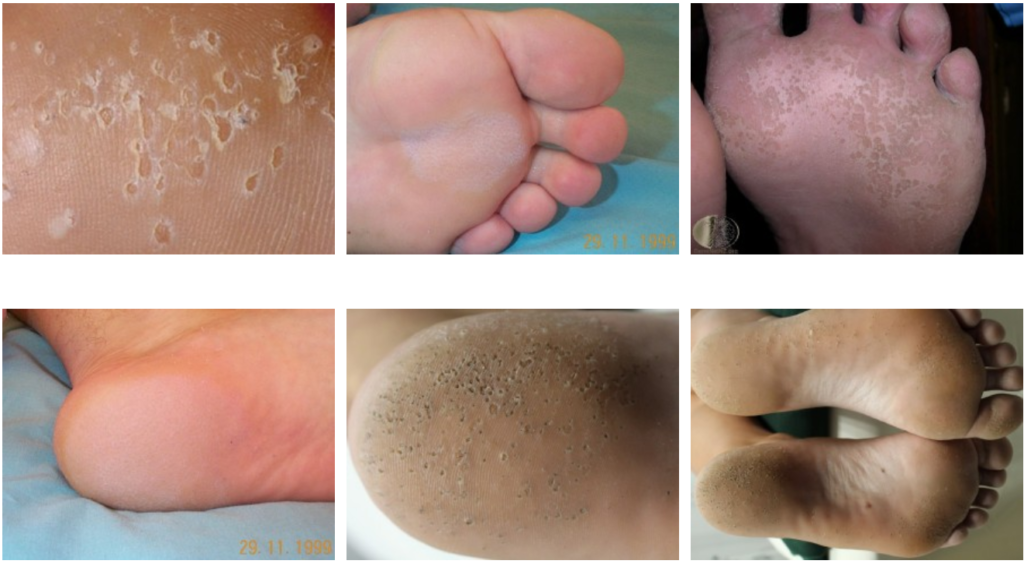
Sign #9: Frequent Muscle Cramps
Occasional cramps are common.
However, recurrent cramping may sometimes be associated with:
-
Dehydration
-
Electrolyte imbalances
-
Medication effects
-
Circulatory issues
Symptoms Often Occur
-
During sleep
-
After exercise
-
Following prolonged standing
Hydration and balanced nutrition may help in some cases.
Sign #10: Changes in Foot Shape
The shape of the foot can change gradually over time.
Examples Include
-
Fallen arches
-
Bunions
-
Toe deformities
-
Progressive flattening
These changes may affect balance, posture, and walking mechanics.
Early intervention can sometimes help reduce discomfort and improve function.
The Connection Between Foot Health and Diabetes
One of the most widely recognized connections involves diabetes.
Elevated Blood Sugar Over Time
May affect:
-
Nerve function
-
Blood circulation
-
Wound healing
Potential Foot Symptoms Include
-
Tingling
-
Numbness
-
Burning sensations
-
Slow-healing sores
Routine foot care is often an important part of diabetes management.
Circulation and the Feet
The feet rely on healthy blood flow to deliver oxygen and nutrients.
Poor Circulation May Contribute To
-
Cold feet
-
Skin changes
-
Delayed healing
-
Leg fatigue
Maintaining cardiovascular health supports circulation throughout the body.
Common Myths About Foot Health
Myth 1: Foot Pain Is Just Part of Aging
Many causes of foot pain can be evaluated and treated.
Myth 2: Swollen Feet Are Always Harmless
Persistent swelling may sometimes indicate underlying health concerns.
Myth 3: Numbness Is Normal
Ongoing numbness should be discussed with a healthcare provider.
Myth 4: Foot Problems Only Affect Older Adults
Foot issues can occur at any age.
How to Support Healthy Feet
Simple habits can help maintain foot health.
Consider
Wearing Proper Footwear
Shoes should provide adequate support and fit properly.
Staying Physically Active
Movement supports circulation and joint health.
Maintaining Good Hygiene
Regular washing and nail care are important.
Monitoring Changes
Pay attention to new symptoms or visible changes.
Attending Routine Checkups
Regular healthcare visits can help identify concerns early.
When Should You See a Doctor?
Medical evaluation may be appropriate if you notice:
-
Persistent swelling
-
Ongoing numbness
-
Severe pain
-
Non-healing wounds
-
Significant color changes
-
Sudden changes in foot appearance
Early assessment often leads to better outcomes.
The Bigger Picture
The feet are more than just tools for walking. They can sometimes provide valuable clues about circulation, nerve health, skin health, and overall wellness. While many foot symptoms have harmless explanations, persistent or unusual changes should not be overlooked.
Paying attention to your feet is a simple yet important part of maintaining overall health.
Final Thoughts
Your feet often reflect aspects of your overall well-being, from circulation and nerve function to skin and joint health. Signs such as persistent coldness, swelling, numbness, slow-healing wounds, skin color changes, dry skin, nail abnormalities, unexplained pain, frequent cramps, and changes in foot shape may sometimes signal underlying issues that deserve attention.
Although these symptoms do not automatically indicate a serious condition, they can provide useful clues about your health. Regular foot care, healthy lifestyle habits, and timely medical evaluation when needed can help keep both your feet and the rest of your body functioning at their best.