5 Symptoms of Esophageal Cancer That Are Often Mistaken for Heartburn
Heartburn is common. A burning sensation in the chest, acid reflux, or discomfort after eating is often caused by gastroesophageal reflux disease (GERD) or other digestive problems.
But some symptoms involving the esophagus can look similar to ordinary heartburn. That does not mean heartburn is cancer—most people with heartburn do not have esophageal cancer. However, symptoms that are new, persistent, worsening, or accompanied by other warning signs deserve medical attention.
Here are five symptoms worth knowing.
1. Persistent heartburn or acid reflux
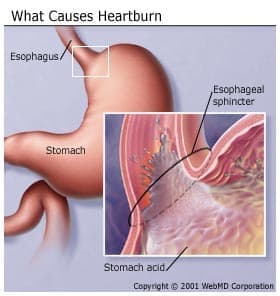
Occasional heartburn is extremely common. But if heartburn becomes frequent, changes from your usual pattern, or continues despite your usual treatment, it should not simply be ignored.
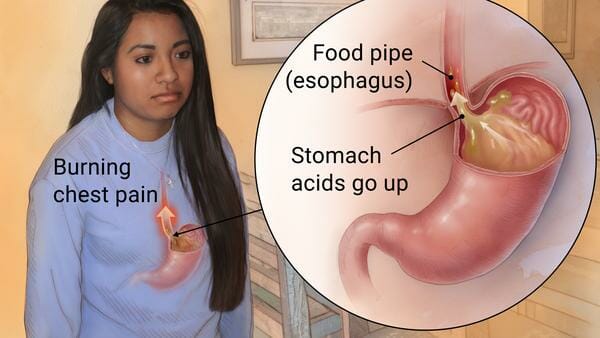
Heartburn and acid reflux are recognized symptoms that can occur with esophageal cancer. At the same time, they are much more commonly caused by conditions such as GERD. The National Cancer Institute lists indigestion and heartburn among possible symptoms, while the NHS advises medical evaluation when heartburn occurs frequently or persists.
Long-term, severe acid reflux is also a recognized risk factor for esophageal adenocarcinoma, although having GERD does not mean you will develop cancer.
The key is to pay attention to a change in your normal symptoms, rather than assuming every episode of heartburn is harmless.
2. Difficulty swallowing
One of the most important warning signs is difficulty swallowing, medically known as dysphagia.
You may feel as though food is getting stuck in your throat or chest. Sometimes the problem begins subtly, perhaps with solid foods such as bread or meat, and gradually becomes more noticeable. In more advanced cases, swallowing liquids can also become difficult.
This symptom is particularly important because it is one of the most common symptoms of esophageal cancer.
Of course, difficulty swallowing can have many other causes, including reflux, narrowing of the esophagus, or swallowing disorders. But if it is new or progressively worsening, it should be evaluated rather than dismissed as heartburn.
3. Chest pain or burning that feels different
Esophageal problems can sometimes cause pain, pressure, or a burning sensation behind the breastbone—the same general area where people experience heartburn.
The American Cancer Society notes that chest pain or heartburn can occur with esophageal cancer, although these symptoms are more commonly caused by conditions other than cancer.
Pay attention if the sensation is:
- New or noticeably different from your usual heartburn
- Persistent or becoming more frequent
- Associated with difficulty swallowing
- Accompanied by unexplained weight loss or vomiting
Chest pain should never automatically be attributed to reflux. Sudden or severe chest pain, especially with shortness of breath, sweating, dizziness, or pain spreading to the arm, jaw, or back, requires urgent medical evaluation because heart problems can also cause these symptoms.
4. Unexplained weight loss
Losing weight without trying is another symptom that deserves attention.
With esophageal cancer, weight loss may occur because swallowing becomes difficult, causing a person to eat less. The disease itself can also affect appetite and metabolism.
Someone might initially think they are simply eating less because their heartburn has been bothering them. But noticeable, unexplained weight loss—particularly when combined with swallowing difficulties—should be discussed with a healthcare professional.
The National Cancer Institute identifies unexplained weight loss as one of the main symptoms associated with esophageal cancer.
5. Persistent cough or hoarse voice
A cough that does not go away or a persistent change in your voice can sometimes occur with esophageal cancer.
The NCI and American Cancer Society both list cough and hoarseness among possible symptoms.
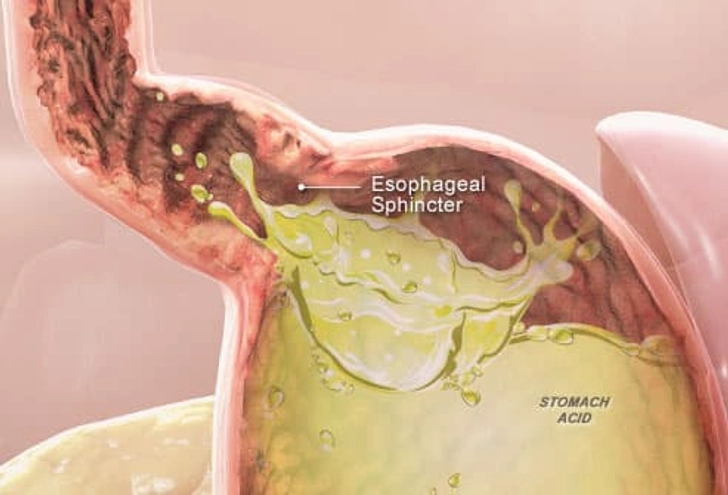
These symptoms can also be caused by acid reflux. Stomach contents moving upward can irritate the throat and contribute to coughing or voice changes.
That is why the important clue is not simply having a cough or hoarse voice, but noticing whether the symptom is persistent, unexplained, or occurring together with other concerning symptoms.
When Should You See a Doctor?
Having one of these symptoms does not mean you have esophageal cancer.
In fact, many of these symptoms are far more likely to have other explanations. The American Cancer Society specifically emphasizes that symptoms such as heartburn, chest pain, coughing, and difficulty swallowing can have causes other than cancer.
However, you should arrange a medical evaluation if:
- Heartburn becomes frequent or persistent
- You develop new difficulty swallowing
- Food repeatedly feels stuck in your throat or chest
- You lose weight without trying
- You have persistent vomiting
- A cough or hoarse voice does not improve
- Symptoms are getting progressively worse
The NHS specifically recommends medical assessment for swallowing problems, noticeable unexplained weight loss, heartburn occurring most days for three weeks or more, or symptoms that are worsening.
How Is Esophageal Cancer Diagnosed?
Symptoms alone cannot diagnose esophageal cancer.
If a doctor is concerned, they may recommend further testing. One important test is an upper endoscopy (esophagoscopy), in which a thin, lighted tube is passed through the mouth to examine the esophagus. If an abnormal area is found, a biopsy can be taken and examined under a microscope.
Additional imaging or other tests may be used depending on the person's symptoms and findings.
Importantly, being referred for testing does not mean you have cancer. It means doctors are trying to determine what is causing the symptoms.
The Bottom Line
Heartburn is common, and most people with heartburn do not have esophageal cancer.
But persistent or changing symptoms should not automatically be blamed on acid reflux. In particular, difficulty swallowing, unexplained weight loss, persistent heartburn, unusual chest discomfort, and ongoing cough or hoarseness are symptoms worth discussing with a healthcare professional.
The goal isn't to panic over every episode of heartburn. It's to recognize when a familiar symptom has changed, persisted, or appeared alongside other warning signs.
Early evaluation can help identify the actual cause and, when a serious condition is present, may allow treatment to begin sooner. The NCI notes that esophageal cancer is often diagnosed at an advanced stage, while earlier detection is associated with better chances of recovery.
Sources
- National Cancer Institute (NCI): Symptoms of Esophageal Cancer
- American Cancer Society: Signs and Symptoms of Esophageal Cancer
- NHS: Symptoms of Oesophageal Cancer
- NCI: Causes, Risk Factors, Prevention — Esophageal Cancer
- NCI: Diagnosis & Prognosis — Esophageal Cancer