Your Legs Could Be Sending a Pancreatic Cancer Warning — 4 Signs to Watch
When most people think about pancreatic cancer, symptoms like jaundice, abdominal pain, or unexplained weight loss usually come to mind. However, this aggressive disease is often called a "silent killer" because its earliest warning signs can be subtle and easy to overlook.
Surprisingly, some of those warning signs may appear in your legs long before more recognizable symptoms develop. While leg discomfort, swelling, or pain are commonly caused by less serious conditions, persistent or unexplained changes should never be ignored.
Here are four leg-related symptoms that experts say could potentially signal pancreatic cancer.
1. Unexplained Swelling in One Leg
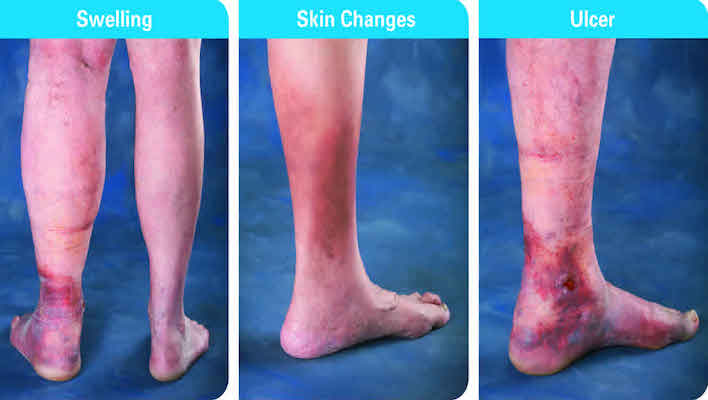
One of the most concerning signs is sudden swelling that affects only one leg, especially if there is no obvious explanation such as an injury, recent surgery, or prolonged travel.
This symptom may be linked to Deep Vein Thrombosis (DVT), a condition in which a blood clot forms in a deep vein, usually in the calf or thigh. Research has shown that pancreatic cancer can increase the body's tendency to form blood clots, sometimes months before the cancer is diagnosed.
The affected leg may appear swollen, feel tight, and become noticeably larger than the other leg.
If swelling develops suddenly and without a clear cause, medical evaluation is important.
2. Persistent Leg Pain or Cramping
Many people experience occasional leg cramps, particularly as they age. However, persistent pain that does not improve or seems unrelated to physical activity deserves attention.
Blood clots associated with pancreatic cancer can reduce blood flow through the veins, causing discomfort that may feel like a deep ache, cramp, or soreness. Some people describe the sensation as similar to a severe "charley horse" that simply will not go away.
Pain may occur in the calf, behind the knee, or in the thigh and can worsen when standing or walking.
Although leg pain alone does not indicate cancer, ongoing unexplained pain should always be investigated.
3. Redness and Unusual Warmth
Another potential warning sign is skin that becomes red, discolored, or unusually warm to the touch.
When a blood clot blocks circulation, inflammation develops around the affected vein. As a result, the skin may appear reddish, bluish, or darker than normal. Some individuals also notice tenderness when touching the area.
These symptoms can easily be mistaken for a muscle strain or minor injury. However, when redness and warmth appear together with swelling or pain, they may indicate a more serious circulation problem.
Prompt medical attention is essential because untreated blood clots can become life-threatening if they travel to the lungs.
4. Swelling in Both Legs and Ankles
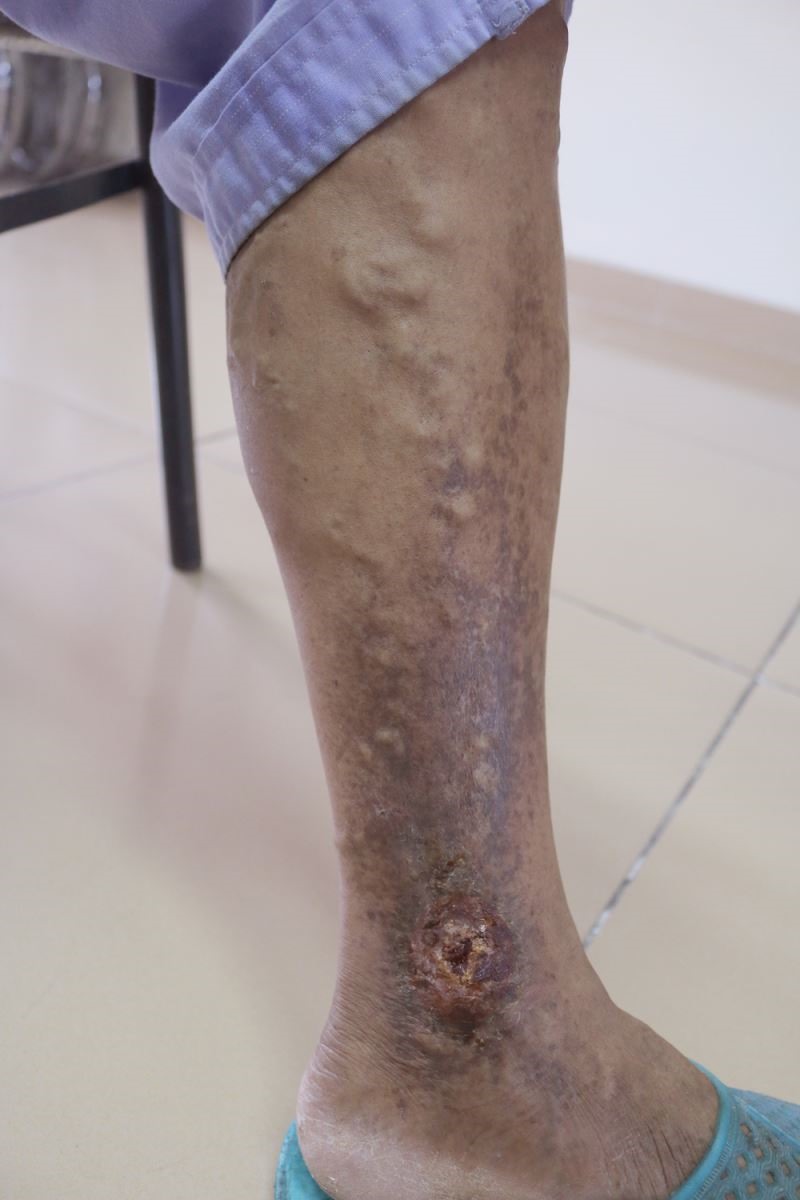
Not all leg swelling linked to pancreatic cancer is caused by blood clots.
In advanced cases, pancreatic tumors can interfere with the body's ability to absorb nutrients and maintain proper protein levels. This can lead to fluid accumulation in the tissues, a condition known as edema.
Unlike DVT, which usually affects one leg, edema often causes swelling in both legs, ankles, and feet. Shoes may feel tighter than usual, socks may leave deeper marks on the skin, and the swelling may gradually worsen throughout the day.
Sometimes pressing a finger into the swollen area leaves a temporary indentation, a sign known as "pitting edema."
Why Pancreatic Cancer Causes These Symptoms
Pancreatic cancer can trigger complex changes throughout the body. Cancer cells may release substances that make blood clot more easily, increasing the risk of DVT. In addition, the disease can affect digestion, nutrition, and protein levels, leading to fluid retention and swelling.
Because these changes may occur before classic symptoms develop, leg-related signs can occasionally provide one of the earliest clues that something is wrong.
Other Symptoms to Watch For

Leg symptoms alone do not mean a person has pancreatic cancer. However, they may become more concerning when combined with other warning signs such as:
- Unexplained weight loss
- Persistent fatigue
- Loss of appetite
- Upper abdominal or back pain
- New-onset diabetes after age 50
- Yellowing of the skin or eyes (jaundice)
- Pale or greasy stools
- Dark urine
When to See a Doctor
Most cases of leg swelling or pain are not caused by pancreatic cancer. Conditions such as poor circulation, varicose veins, injuries, infections, or heart problems are much more common.
Nevertheless, any sudden, unexplained, or persistent swelling—especially when accompanied by pain, redness, or warmth—should be evaluated by a healthcare professional.
Pancreatic cancer remains one of the most difficult cancers to detect early, making awareness of subtle symptoms particularly important. Paying attention to changes in your body, even those that seem unrelated to the pancreas, may help identify a serious problem before it progresses further.
Disclaimer
This article is intended for informational purposes only and should not be considered medical advice. Always consult a qualified healthcare professional regarding any symptoms or health concerns.