
Doctors Reveal the Powerful Health Benefits of Eating Walnuts
Walnuts May Support Your Heart, Brain, and More—Here's How 👇
Health 15/06/2026 10:12
Lymphoma is a type of cancer that affects the lymphatic system - a vital network of lymph nodes, vessels, and organs that helps the body fight infection and maintain immune balance. Because this system runs throughout the body, lymphoma can develop quietly and produce symptoms that appear vague, mild, or easily confused with common illnesses.
Many survivors have shared a similar experience: the earliest warning signs did not seem alarming at first. Fatigue felt like stress. Night sweats were blamed on weather. Swollen lymph nodes were assumed to be minor infections. By the time the symptoms became unmistakable, the disease had already progressed.
Recognizing early signals does not mean assuming the worst - it means staying informed. Awareness allows for timely evaluation, earlier diagnosis, and significantly better treatment outcomes.
Below are six symptoms frequently reported by lymphoma survivors before diagnosis, along with explanations and guidance on when to seek medical attention.

One of the most common early indicators of lymphoma is enlargement of lymph nodes. These small, bean-shaped glands are part of the immune system and help filter harmful substances.
Painless swelling in the neck, underarms, or groin
Firm or rubbery lumps under the skin
Swelling that lasts longer than two weeks
Nodes that do not shrink after antibiotics or rest
In lymphoma, abnormal lymphocytes (a type of white blood cell) accumulate within lymph nodes. Unlike infection-related swelling, lymphoma-related nodes are often painless and persistent.
If you notice unexplained swelling that does not resolve, consult a healthcare provider. Evaluation may include physical examination, blood tests, imaging studies, or a biopsy if necessary.
Fatigue is common in daily life, but cancer-related fatigue feels different. Survivors often describe it as overwhelming exhaustion that does not improve with rest.
Feeling drained despite adequate sleep
Reduced stamina during simple tasks
Increasing fatigue over weeks or months
Lymphoma may interfere with red blood cell production, leading to anemia. In addition, systemic inflammation triggered by cancer can disrupt normal energy regulation.
Persistent fatigue deserves medical evaluation. Blood tests can check for anemia or other abnormalities. Early assessment helps rule out or detect underlying causes.
Sudden weight loss without changes in diet or exercise can be a significant warning sign.
Losing 5–10% of body weight within a few months
Decreased appetite
Feeling full quickly
Cancer cells consume energy at a higher rate than normal cells. Lymphoma can also alter metabolism and suppress appetite.
Track weight changes and discuss them with a doctor. Unintentional weight loss should always be evaluated.

Intense night sweats are frequently reported by lymphoma patients. These are not mild perspiration episodes but episodes that can soak clothing and bedding.
Drenching sweats that require changing clothes
Repeated episodes over weeks or months
Occurring without environmental triggers
Cancer-related inflammatory signals and hormonal changes can disrupt temperature regulation.
Keep a symptom record. If night sweats occur alongside swollen lymph nodes or weight loss, seek prompt medical advice.
Lymphoma affects immune function, making the body more vulnerable to infection.
Low-grade fever without obvious cause
Recurrent respiratory infections
Increased susceptibility to illness
Abnormal lymphocytes impair the immune system’s ability to fight pathogens effectively.
If fevers persist or infections become frequent, consult a healthcare provider for further investigation.
Some individuals experience persistent itching before any visible signs of lymphoma appear.
Ongoing itchiness without rash
Discomfort that worsens at night
Itching that disrupts sleep
Lymphoma can release inflammatory chemicals that stimulate nerve endings in the skin.
Mention persistent itching to your doctor, especially if combined with other symptoms.

Lymphoma symptoms can overlap with many common conditions. However, patterns matter. Symptoms that persist, worsen, or occur together warrant evaluation.
Practical steps include:
Paying attention to unexplained changes
Keeping a symptom journal
Attending regular health check-ups
Seeking medical advice promptly
Early diagnosis significantly improves treatment success and long-term survival.
While no strategy guarantees prevention, research suggests several steps that may reduce risk and support immune health.
A diet rich in fruits, vegetables, whole grains, and lean proteins provides antioxidants that help protect cells from damage.
Exercise enhances immune function, improves circulation, and supports metabolic health.
Obesity has been linked to increased risk of certain cancers, including some lymphomas.
Some pesticides, herbicides, and industrial chemicals have been associated with lymphoma risk.
If exposure is unavoidable:
Use protective equipment
Follow safety regulations carefully
Reducing environmental toxin exposure may help lower long-term risk.
Certain infections, such as Epstein-Barr virus and Helicobacter pylori, are linked to increased lymphoma risk.
Preventive measures include:
Proper hand hygiene
Safe food handling
Staying up to date with recommended vaccinations
Maintaining immune health reduces vulnerability.

Smoking weakens immune defenses and increases overall cancer risk. Quitting significantly improves health outcomes.
Excessive alcohol consumption can compromise immune function. Moderation is key.
Routine physical exams and periodic blood tests can identify abnormalities early.
If you have a family history of blood cancers, discuss it with your physician. Genetic awareness allows for closer monitoring when appropriate.
Chronic stress can impair immune function. Incorporating stress-reduction techniques such as meditation, yoga, or regular sleep schedules supports overall health.
Lymphoma often begins quietly. Swollen lymph nodes, persistent fatigue, unexplained weight loss, night sweats, frequent infections, and itching may seem unrelated at first - but together, they can signal something more serious.
Awareness is not fear. It is empowerment.
While lymphoma cannot always be prevented, adopting a healthy lifestyle, minimizing environmental risks, practicing good infection control, and remaining attentive to early symptoms can make a meaningful difference.
Early detection remains one of the most powerful tools in improving treatment success and survival. Listening to your body and seeking timely medical advice are essential steps in protecting your long-term health.
Walnuts May Support Your Heart, Brain, and More—Here's How 👇
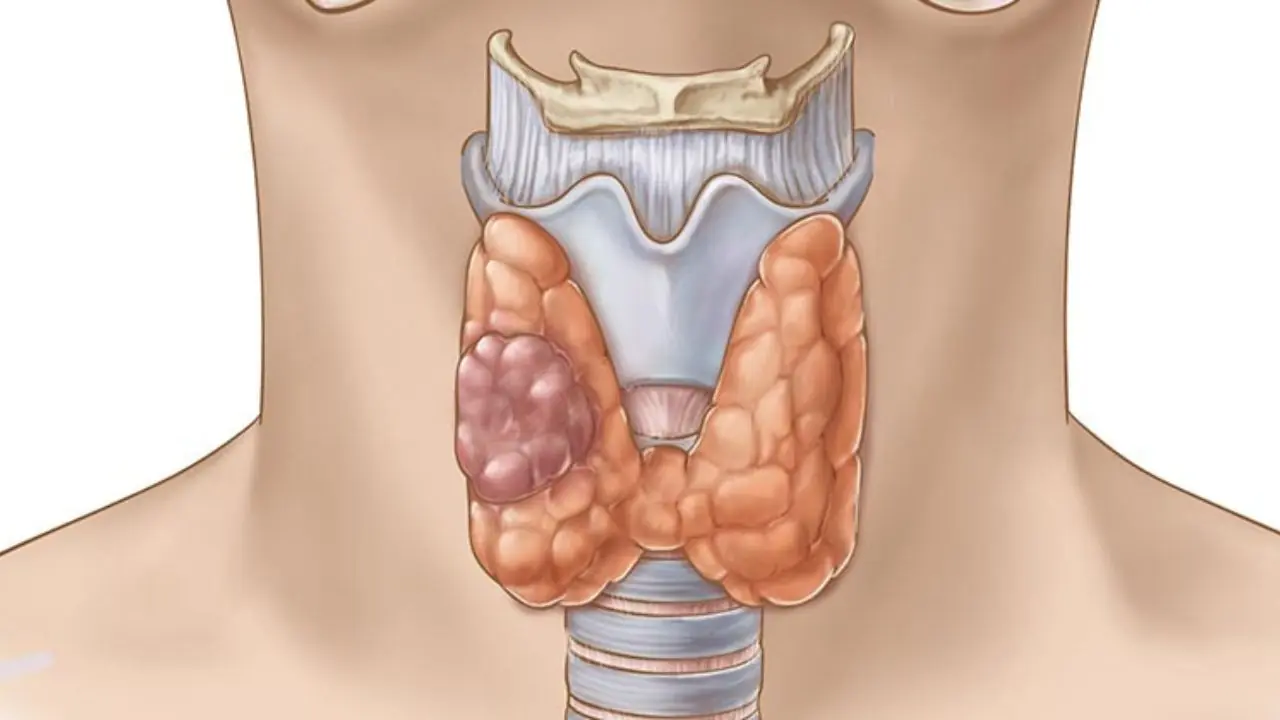
You’ve Probably Eaten This Before—But Do You Know the Full Story? 👇

A 54-Year-Old Man Suddenly Suffers a Stroke With Critically High Blood Pressure — Doctors Urgently Warn: “Stop Drinking That Immediately!”

Watercress is also known as watercress, watercress, watercress..., with the scientific name: Nasturtium officinale or Nasturtium microphyllum, is a type of aquatic or semi-aquatic plant with a pungent, spicy smell.

Watercress is also known as watercress, watercress, watercress..., with the scientific name: Nasturtium officinale or Nasturtium microphyllum, is a type of aquatic or semi-aquatic plant with a pungent, spicy smell.

Hydrogen Peroxide May Not Be the Safe Solution You Think for Skin Tags and Warts

That headline is built to shock. It suggests a single shared food caused cancer across a family. That’s not how thyroid cancer works in real life.
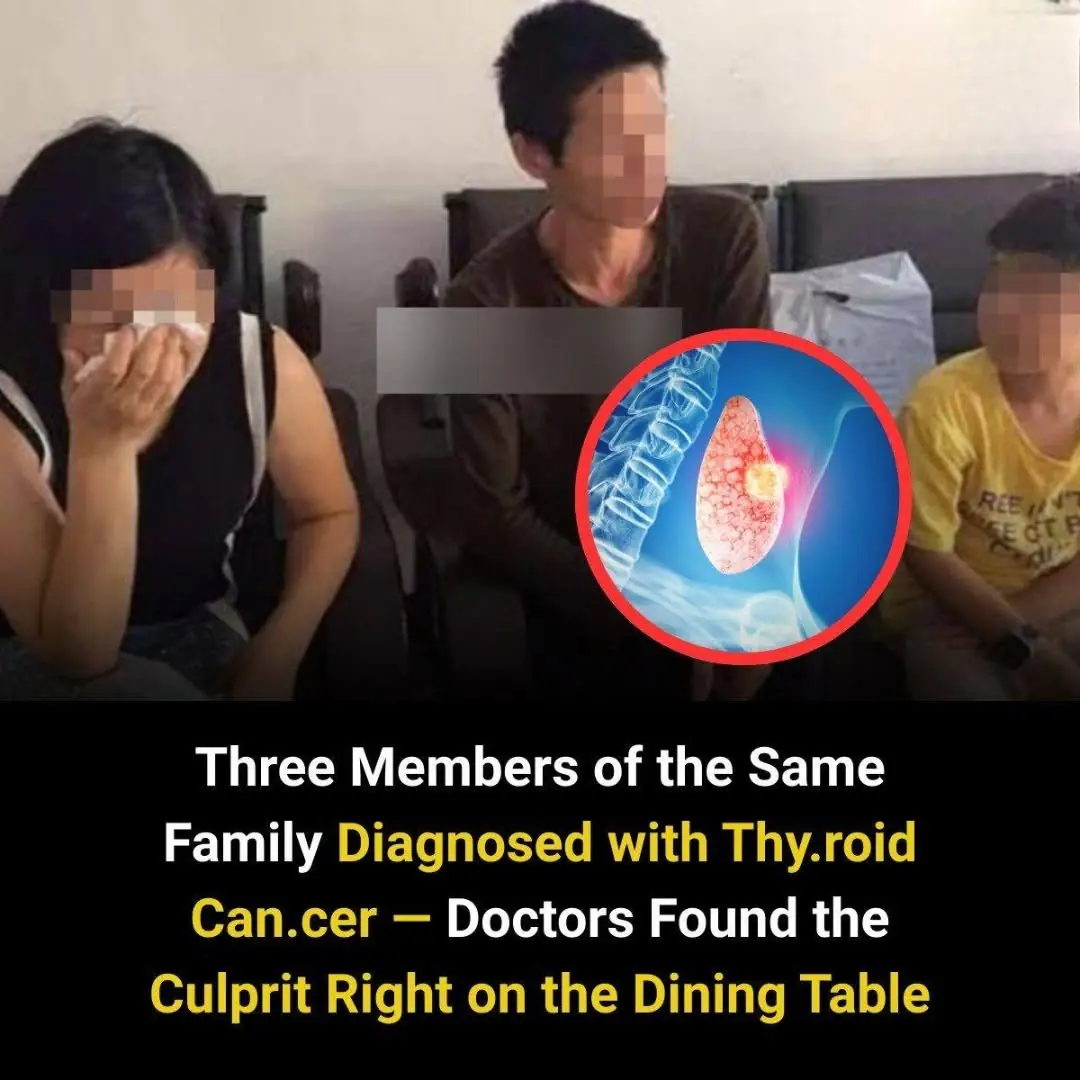
That headline is built to shock. It suggests a single shared food caused cancer across a family. That’s not how thyroid cancer works in real life.
Liver failure is a serious medical condition that can develop gradually or suddenly and requires timely diagnosis and treatment to prevent life-threatening complications.
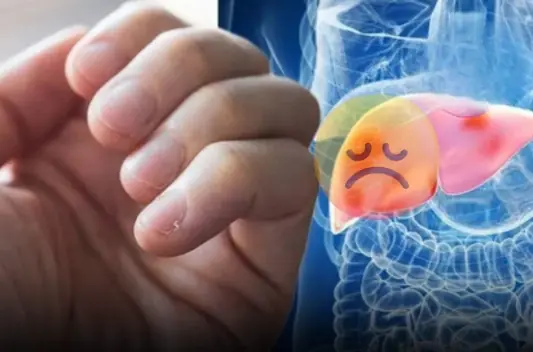
Liver failure is a serious medical condition that can develop gradually or suddenly and requires timely diagnosis and treatment to prevent life-threatening complications.

The Importance of Beans in Controlling Diabetes.

The Importance of Beans in Controlling Diabetes.

What Are Those Tiny White Spots on Your Skin? Experts Finally Explain
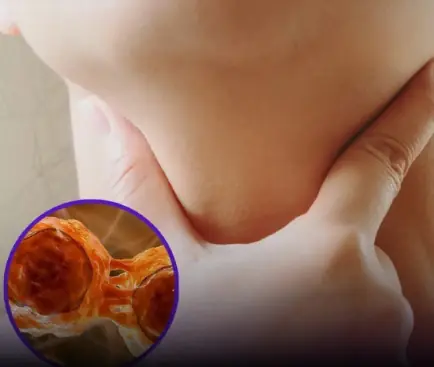
What Lym.phoma Survivors Say They Felt Before Being Diagnosed: 6 Key Signs
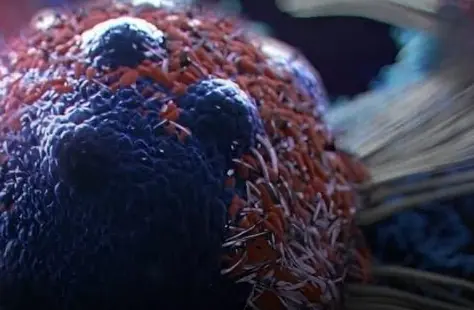
According to the American Can.cer Society, the average adult in the United States has about a forty percent chance of developing cancer during their lifetime

The Truth Behind the Story: When a “Simple Vegetable” Becomes Dangerous — What Really Causes Sudden Kidney Failure

The Truth Behind the Story: When a “Simple Vegetable” Becomes Dangerous — What Really Causes Sudden Kidney Failure
Waking up with heel pain, even without standing much? Your body may be trying to tell you something important.

Why Is There Always a Strip of Fabric at the Foot of a Hotel Bed? Here's the Answer
Walnuts May Support Your Heart, Brain, and More—Here's How 👇
You’ve Probably Eaten This Before—But Do You Know the Full Story? 👇
A 54-Year-Old Man Suddenly Suffers a Stroke With Critically High Blood Pressure — Doctors Urgently Warn: “Stop Drinking That Immediately!”

A 54-Year-Old Man Suddenly Suffers a Stroke With Critically High Blood Pressure — Doctors Urgently Warn: “Stop Drinking That Immediately!”
Watercress is also known as watercress, watercress, watercress..., with the scientific name: Nasturtium officinale or Nasturtium microphyllum, is a type of aquatic or semi-aquatic plant with a pungent, spicy smell.
Watercress is also known as watercress, watercress, watercress..., with the scientific name: Nasturtium officinale or Nasturtium microphyllum, is a type of aquatic or semi-aquatic plant with a pungent, spicy smell.
Hydrogen Peroxide May Not Be the Safe Solution You Think for Skin Tags and Warts
That headline is built to shock. It suggests a single shared food caused cancer across a family. That’s not how thyroid cancer works in real life.
That headline is built to shock. It suggests a single shared food caused cancer across a family. That’s not how thyroid cancer works in real life.
Liver failure is a serious medical condition that can develop gradually or suddenly and requires timely diagnosis and treatment to prevent life-threatening complications.
Liver failure is a serious medical condition that can develop gradually or suddenly and requires timely diagnosis and treatment to prevent life-threatening complications.
The Importance of Beans in Controlling Diabetes.
The Importance of Beans in Controlling Diabetes.

What Are Those Tiny White Spots on Your Skin? Experts Finally Explain
What Lym.phoma Survivors Say They Felt Before Being Diagnosed: 6 Key Signs
According to the American Can.cer Society, the average adult in the United States has about a forty percent chance of developing cancer during their lifetime