Over 30? Here Are 20 Ways Chayote Juice May Support Your Health
Chayote Juice After 30: 20 Potential Benefits You Should Know About
⏱️ 1 min read 20/08/2026 17:04
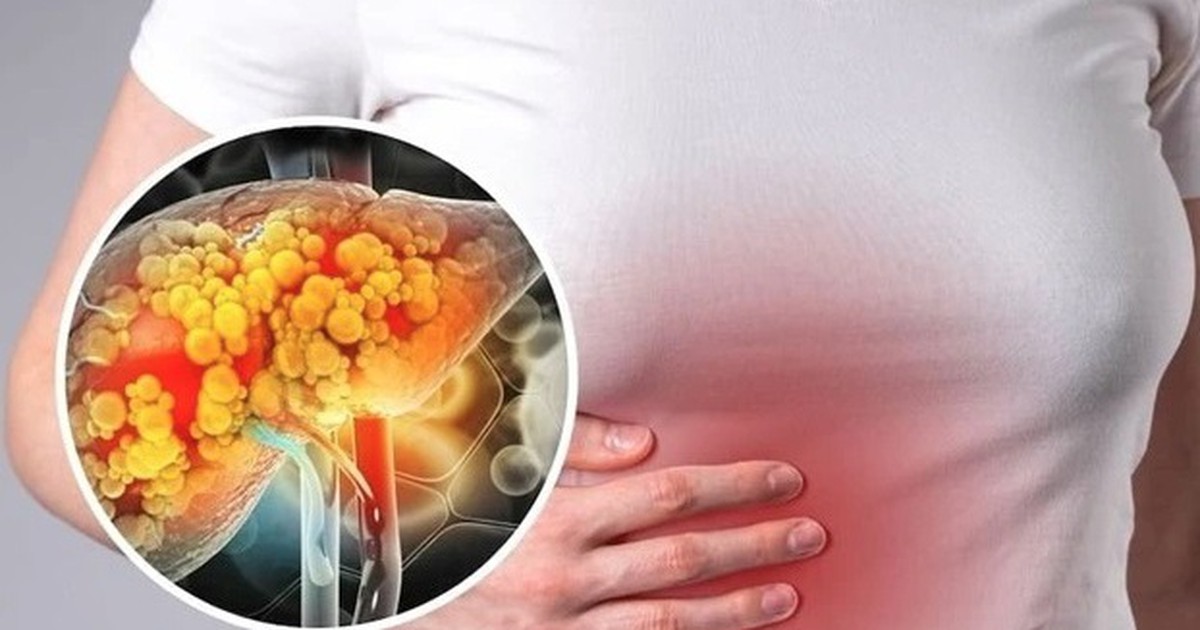
Fatty liver disease is one of those health problems that can develop quietly for years.
A person may feel completely normal while fat gradually accumulates inside the liver. There may be no obvious pain, no dramatic warning, and no clear indication that anything is wrong.
That is why fatty liver disease is often discovered unexpectedly during a routine blood test, ultrasound, CT scan, or evaluation for another health problem.
The condition is increasingly common and is closely associated with overweight or obesity, insulin resistance, type 2 diabetes, high cholesterol or triglycerides, and metabolic syndrome. Alcohol can also contribute to liver fat, but fatty liver can occur in people who drink little or no alcohol as well.
The important thing to understand is that fatty liver itself may cause few or no symptoms. When symptoms do occur, they can be vague and easily mistaken for everyday fatigue or digestive problems.
Here are 10 possible signs and clues worth knowing.

Feeling unusually tired is one of the symptoms people sometimes report with fatty liver disease.
You might feel as though your energy has gradually declined. Normal activities may seem more exhausting, or you may feel tired even after what should have been adequate sleep.
The challenge is that fatigue is extremely nonspecific.
Poor sleep, stress, anemia, thyroid problems, infections, depression, medications, and many other conditions can cause the same sensation.
So fatigue alone does not mean your liver is unhealthy.
However, persistent unexplained fatigue becomes more worth discussing with a healthcare professional when it occurs alongside other metabolic or liver-related concerns.
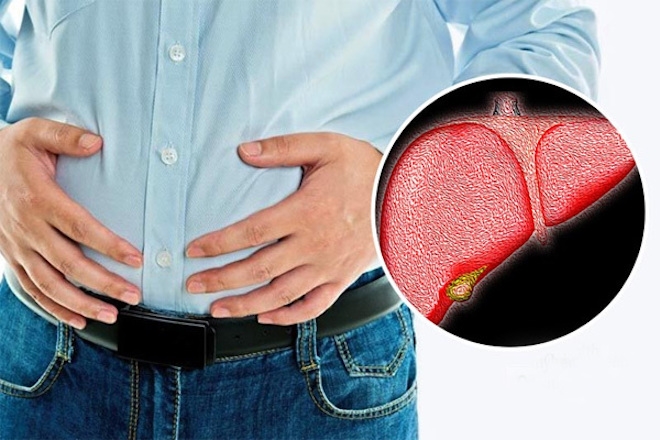
The liver is located primarily in the upper-right portion of the abdomen, beneath the ribs.
Some people with fatty liver disease report a vague feeling of discomfort, pressure, or aching in this area.
This isn't usually described as sudden, severe pain.
Instead, it may feel like:
A dull ache
Fullness
Pressure beneath the right ribs
Occasional discomfort after meals
But abdominal pain has countless possible causes, including gallbladder disease, stomach problems, muscle strain, and intestinal disorders.
If you develop severe or sudden abdominal pain, don't assume it's fatty liver.
Seek medical evaluation, particularly if the pain is accompanied by fever, vomiting, fainting, or significant tenderness.
Weight changes can be associated with the metabolic conditions that commonly accompany fatty liver disease.
In particular, excess body weight—especially excess abdominal fat—is an important risk factor for metabolic dysfunction-associated steatotic liver disease, commonly abbreviated MASLD.
But an important distinction needs to be made:
Fatty liver does not usually cause dramatic unexplained weight loss.
If you're losing a significant amount of weight without trying, that deserves medical attention because many conditions can cause it.
On the other hand, gradual weight gain around the abdomen may indicate metabolic health issues that increase the likelihood of fatty liver.
Some people with liver disease report abdominal fullness or bloating.
However, ordinary bloating is much more commonly related to digestion, diet, constipation, food intolerance, or other gastrointestinal issues.
In more advanced liver disease, fluid can accumulate inside the abdomen. This condition is called ascites.
Ascites is very different from ordinary occasional bloating.
The abdomen may progressively become larger or feel tight, and the change may not disappear after passing gas or having a bowel movement.
New or rapidly increasing abdominal swelling requires medical evaluation.
Some people with chronic liver disease describe problems with concentration, memory, or mental clarity.
However, this is not a typical early symptom of simple fatty liver.
More significant cognitive changes can occur in advanced liver disease through a complication called hepatic encephalopathy.
Symptoms may include:
Confusion
Difficulty concentrating
Changes in sleep patterns
Personality or behavior changes
Excessive sleepiness
Disorientation
These symptoms are concerning and should not be dismissed as ordinary "brain fog."
If someone with known liver disease suddenly becomes confused or unusually drowsy, prompt medical assessment is important.
Persistent itching can occur with certain forms of liver disease, particularly when bile flow is impaired.
However, itching is not a classic sign of uncomplicated fatty liver.
There are many other causes, including:
Dry skin
Allergies
Eczema
Medications
Kidney disease
Certain blood disorders
Other liver or bile-duct conditions
If itching is persistent and doesn't have an obvious explanation—especially if it occurs alongside yellowing of the skin or eyes—it deserves medical evaluation.
Yellowing of the skin or whites of the eyes is called jaundice.
This occurs when bilirubin accumulates in the bloodstream.
Jaundice is not something to ignore, but it also isn't usually a feature of uncomplicated fatty liver.
It can occur when liver disease has become more advanced or when another condition affects the liver, bile ducts, or breakdown of red blood cells.
If you notice yellow eyes or skin, seek medical evaluation rather than assuming that fatty liver is the explanation.
Other symptoms that may accompany jaundice include:
Dark urine
Pale or clay-colored stools
Significant itching
Abdominal pain
Nausea
Fatigue
Changes in urine or stool color can sometimes provide clues about problems involving the liver or bile ducts.
Dark urine can occur for many reasons, including dehydration, medications, and certain foods.
But urine that remains unusually dark—particularly when accompanied by jaundice—can be associated with increased bilirubin.
Similarly, unusually pale or clay-colored stools may indicate reduced bile reaching the intestine.
These signs aren't specific to fatty liver.
They can occur with gallstones, bile-duct obstruction, hepatitis, and other conditions.
That's why persistent changes should be evaluated rather than diagnosed at home.
The liver produces many proteins involved in blood clotting.
When liver function becomes significantly impaired, the body may have more difficulty maintaining normal clotting.
As a result, advanced liver disease can sometimes be associated with:
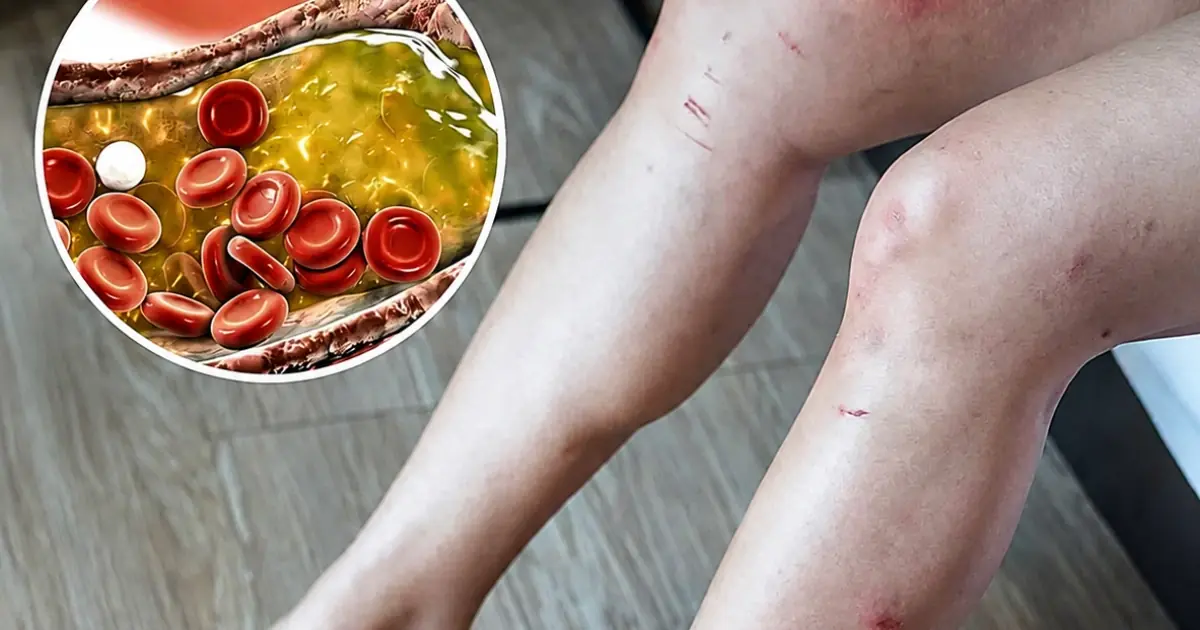
Easy bruising
Frequent nosebleeds
Bleeding gums
Prolonged bleeding from minor injuries
Again, this is not a typical early sign of simple fatty liver.
If you're suddenly bruising much more easily than usual or experiencing unexplained bleeding, talk to a healthcare professional.
Medications such as aspirin, anticoagulants, and some supplements can also increase bleeding or bruising.
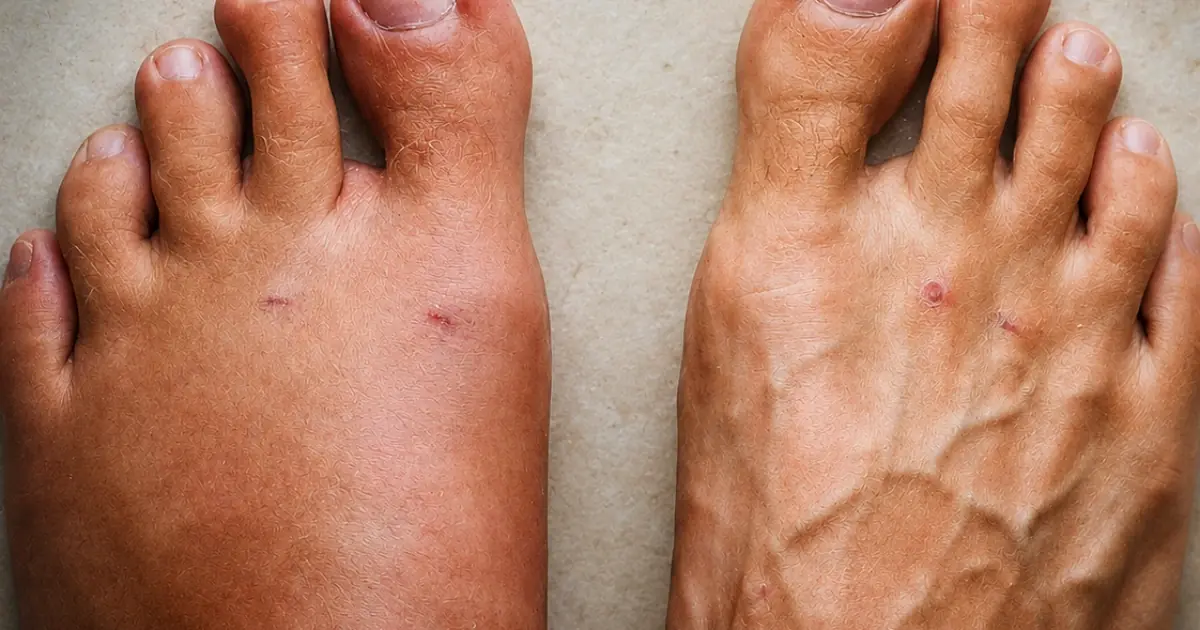
Swelling of the feet, ankles, or lower legs can occur in advanced liver disease.
When liver function becomes significantly impaired, changes in blood proteins and fluid regulation can contribute to fluid accumulation.
But leg swelling is much more commonly associated with other conditions, including:
Heart disease
Kidney disease
Venous insufficiency
Certain medications
Prolonged sitting or standing
So swollen ankles don't automatically point to fatty liver.
However, if swelling is persistent—especially when combined with abdominal swelling, jaundice, or known liver disease—it should be medically assessed.
This may be the most important point in the entire article.
Many people with fatty liver disease have no noticeable symptoms at all.
They may feel completely healthy.
The liver can continue performing its functions despite accumulating excess fat, particularly during the early stages.
This is why relying exclusively on symptoms isn't an effective way to determine whether your liver is healthy.
A person can have significant metabolic risk factors and feel perfectly fine.
Fatty liver disease occurs when excess fat accumulates in liver cells.
There are several forms and causes.
One major category is metabolic dysfunction-associated steatotic liver disease (MASLD), the newer terminology used for fatty liver associated with metabolic risk factors.
Another category is alcohol-associated liver disease, where alcohol consumption contributes significantly to liver injury.
The amount and pattern of alcohol consumption matter, and alcohol can interact with other metabolic risk factors.
Importantly, fatty liver isn't necessarily a permanent condition.
In many people, improving the underlying metabolic health can reduce liver fat.
Yes.
For some people, fatty liver remains relatively stable.
For others, fat accumulation is accompanied by inflammation and liver-cell injury.
This can progress to a condition called metabolic dysfunction-associated steatohepatitis (MASH).
MASH can eventually lead to:
Fibrosis → advanced fibrosis → cirrhosis → liver failure
Cirrhosis can also increase the risk of liver cancer.
Not everyone with fatty liver follows this progression.
That is why identifying people at higher risk of significant fibrosis is important.
Risk increases with several factors, including:
Overweight or obesity
Increased waist circumference
Type 2 diabetes
Insulin resistance
High triglycerides
Abnormal cholesterol levels
High blood pressure
Metabolic syndrome
Sleep apnea
Certain medications
Excessive alcohol consumption
Some genetic factors
You don't necessarily need to be visibly overweight to develop fatty liver.
People with a normal body weight can also develop the condition, particularly when metabolic risk factors or genetic susceptibility are present.
Because symptoms can be absent, doctors often rely on testing.
Depending on the situation, evaluation may include:
Liver enzymes such as ALT and AST may be measured.
But here's an important detail:
Normal liver enzymes do not always rule out significant liver disease.
Some people with fatty liver or even advanced fibrosis can have liver enzymes within the usual reference range.
An abdominal ultrasound can detect fat accumulation in the liver and is commonly used as an initial imaging test.
These tests can help assess liver stiffness, which can provide information about fibrosis.
CT or MRI may sometimes be used depending on the clinical situation.
Doctors can also use blood-test-based calculations, such as the FIB-4 score, to estimate the likelihood of advanced fibrosis and determine whether further evaluation is needed.
The good news is that lifestyle changes can make a meaningful difference for many people with fatty liver disease.
If you're overweight, gradual weight loss can reduce liver fat and may improve inflammation and fibrosis risk.
Even a relatively modest reduction in body weight can be beneficial.
Avoid crash diets.
Rapid, extreme weight-loss programs aren't necessary and may be difficult to maintain.
Physical activity can improve metabolic health and reduce liver fat—even when significant weight loss doesn't occur.
A combination of:
Walking
Cycling
Swimming
Strength training
Other aerobic exercise
can be useful.
The best exercise is usually the one you can perform consistently.
There isn't one magical "liver-cleansing" food.
Instead, focus on an overall dietary pattern rich in:
Vegetables
Fruits
Whole grains
Beans and legumes
Nuts and seeds
Fish
Lean protein
Unsaturated fats
At the same time, reduce excessive intake of:
Sugary drinks
Highly processed foods
Refined carbohydrates
Excess saturated fat
Large amounts of added sugar
Excess alcohol
A Mediterranean-style eating pattern is often a useful model for people looking to improve overall metabolic health.
If you already have liver disease, discuss alcohol consumption with your healthcare professional.
Alcohol can contribute to liver injury and may worsen problems in people who already have metabolic liver disease.
There is no need to assume that a particular "safe" amount applies equally to everyone.
Your personal risk depends on your medical history and the condition of your liver.
The internet is full of teas, powders, supplements, and detox programs claiming to cleanse the liver.
Be skeptical.
Your liver already performs detoxification and metabolism of numerous substances every day.
Some supplements can actually injure the liver, particularly when ingredients are poorly regulated or taken in excessive amounts.
If you have abnormal liver tests, don't try to treat them with a supplement before determining the cause.
Some symptoms require prompt evaluation.
Seek medical care if you develop:
Yellowing of the eyes or skin
Significant abdominal swelling
Unexplained dark urine with jaundice
Pale stools
Confusion or unusual drowsiness
Vomiting blood
Black, tarry stools
Severe abdominal pain
Significant unexplained bleeding
These symptoms can indicate serious liver or other medical problems and shouldn't be attributed to ordinary fatty liver without evaluation.
Fatty liver disease is often described as a silent condition, and for good reason.
Many people have little or no symptoms in the early stages.
When symptoms do occur, they may include persistent fatigue, vague upper-right abdominal discomfort, bloating, itching, jaundice, changes in urine or stool color, easy bruising, swelling, and cognitive changes—but several of these are more characteristic of advanced or complicated liver disease rather than simple early fatty liver.
That's why symptoms alone aren't enough.
If you have risk factors such as obesity, type 2 diabetes, high triglycerides, metabolic syndrome, or significant alcohol exposure, it's worth discussing liver health with your healthcare professional even if you feel perfectly well.
The encouraging news is that fatty liver isn't automatically a life sentence.
Improving weight, physical activity, diet, blood sugar, cholesterol, and alcohol habits can make a meaningful difference for many people.
Your liver may not always send an obvious warning when something is wrong. Sometimes the smartest approach isn't waiting for symptoms—it's paying attention to your risk factors and getting checked when appropriate.
Chayote Juice After 30: 20 Potential Benefits You Should Know About
Want to Support Your Kidney Health? Start With These Nutritious Vegetables
Guava May Have Some Surprising Effects on Your Health - Here’s Why
Before Eating Sweet Potatoes, Learn About These 2 Times to Avoid Them
This Little Fruit Is Sweet, Juicy, and Surprisingly Unique
15 Common Symptoms of an Underactive Thyroid You Shouldn’t Ignore
The Silent Health Danger Many Adults Don’t See Coming
Doctors Trace a 60-Year-Old Man’s Meningitis to an Unexpected Source in His Refrigerator
The Potential Effects of Eating Cucumbers Every Day
Experts say proper food storage is vital for protecting family health.
What’s Really in Your Toilet Paper? Experts Explain What Consumers Should Know
This Herb May Offer Natural Support for Your Immune System
Is Peeing in the Shower Actually Safe? Here’s What to Know
The Silent Clues Your Heart Gives Before an Emergency
What Prominent Veins Really Mean for Your Health
DID YOU KNOW? If hair grows on your ears it’s because your body is See more
Millions watched her story. The warning could save lives.
Most people ignore these warning signs until it's too late.
What your feet may be trying to tell you about your health.
When the sacred helmet of Roman’s late brother is stolen from his workshop, he confronts the thief-only to uncover a shocking truth about his brother’s death and finally free himself from years of crushing guilt.
Chayote Juice After 30: 20 Potential Benefits You Should Know About
Want to Support Your Kidney Health? Start With These Nutritious Vegetables
One Simple Door Habit That Could Help You Feel Safer at Night
Guava May Have Some Surprising Effects on Your Health - Here’s Why
The First Three Colors You See May Reveal the Burden You Carry
Before Eating Sweet Potatoes, Learn About These 2 Times to Avoid Them
The Dress You Notice First Could Say Something Surprising About Your Personality
This Little Fruit Is Sweet, Juicy, and Surprisingly Unique
Centipedes in Your Home? What Their Presence Could Be Telling You
What Happens When a Woman Chooses Life Without a Man?
15 Common Symptoms of an Underactive Thyroid You Shouldn’t Ignore
The Silent Health Danger Many Adults Don’t See Coming
Chefs Reveal the Right Way to Fix Food That’s Too Salty
Doctors Trace a 60-Year-Old Man’s Meningitis to an Unexpected Source in His Refrigerator
The Potential Effects of Eating Cucumbers Every Day
The First Animal You Notice Could Reveal a Personality Trait You Keep Hidden
Experts say proper food storage is vital for protecting family health.
The Ring You Choose First Could Say Something Unexpected About Your Personality