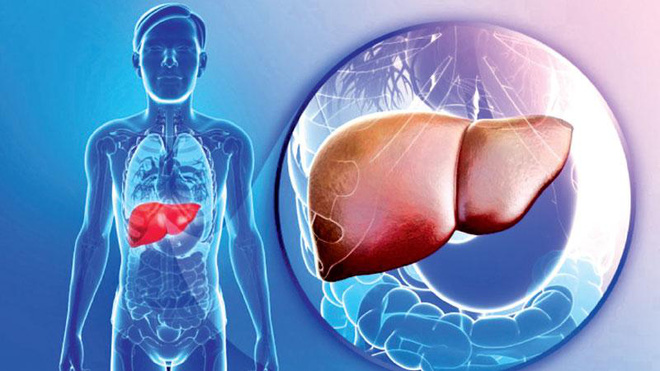
The liver is one of the most important organs in the human body. Every day, it performs hundreds of critical functions, including filtering toxins, processing nutrients, supporting digestion, balancing hormones, and regulating metabolism. Despite how hard it works, many people unknowingly develop daily habits that may place extra stress on the liver over time.
While alcohol is widely recognized as harmful to liver health, experts say certain everyday lifestyle habits — including some common morning routines — may also negatively affect liver function if repeated consistently for years.
The good news is that small changes in daily routines may help reduce unnecessary strain on the liver and support long-term wellness.
Here are five morning habits that experts say may be tougher on your liver than many people realize.
Why Liver Health Matters So Much
The liver acts like the body’s natural filtration and processing system.
It helps:
- Break down toxins
- Process medications
- Store nutrients
- Produce bile for digestion
- Regulate blood sugar
- Support metabolism
When the liver becomes overloaded or damaged, it may struggle to perform these functions efficiently.
Over time, poor lifestyle habits may contribute to:
- Fatty liver disease
- Inflammation
- Cirrhosis
- Metabolic disorders
Because liver disease can develop silently, prevention is extremely important.

1. Skipping Breakfast Regularly
Many people rush through mornings without eating, especially during busy workdays.
Occasionally skipping breakfast is not necessarily harmful for everyone, but consistently avoiding food for long periods may affect:
- Blood sugar balance
- Energy regulation
- Metabolic health
Some experts believe irregular eating patterns may contribute to metabolic stress, which can indirectly affect liver function over time.
After overnight fasting, the body needs balanced nutrients to stabilize energy and metabolism.
People who skip breakfast may later:
- Overeat
- Consume excessive sugar
- Crave processed foods
These habits may increase the risk of fatty liver disease and insulin resistance over time.
A balanced breakfast containing:
- Protein
- Fiber
- Healthy fats
may better support overall metabolic health.
2. Drinking Sugary Beverages First Thing in the Morning
Many popular breakfast drinks contain surprisingly high amounts of sugar.
Examples include:
- Sweet coffee drinks
- Energy drinks
- Soda
- Sweetened fruit juices
Excess sugar — especially fructose — may place additional strain on the liver because the liver is responsible for processing it.
Over time, excessive sugar intake may contribute to:
- Fat accumulation in the liver
- Insulin resistance
- Weight gain
- Inflammation
Non-alcoholic fatty liver disease (NAFLD) has become increasingly common worldwide, even among people who rarely drink alcohol.
Experts often recommend:
- Water
- Unsweetened tea
- Moderate coffee
- Low-sugar breakfast options
instead of highly sweetened beverages.
3. Taking Too Many Medications or Supplements on an Empty Stomach
The liver processes many medications, supplements, and herbal products.
Some people begin the day by taking multiple:
- Pain relievers
- Supplements
- Herbal remedies
- Energy boosters
without medical supervision.
Certain medications — especially when overused — may increase liver stress.
For example:
- Excessive acetaminophen use
- Some herbal supplements
- High-dose vitamins
may potentially harm the liver if taken improperly.
Taking certain substances on an empty stomach may also irritate digestion or affect absorption.
Experts recommend:
- Following dosage instructions carefully
- Avoiding unnecessary supplement overload
- Consulting healthcare professionals before combining products
4. Not Drinking Enough Water in the Morning
After several hours of sleep, the body naturally becomes mildly dehydrated.
Hydration supports:
- Circulation
- Digestion
- Kidney function
- Liver processes
Although water itself does not “detox” the liver magically, staying hydrated helps the body function more efficiently overall.
Chronic dehydration may contribute to:
- Fatigue
- Sluggish digestion
- Poor metabolic balance
Some people begin the day with only caffeine while neglecting water intake completely.
Experts generally recommend drinking water regularly throughout the day, especially after waking up.
5. Eating Highly Processed Breakfast Foods
Quick breakfast choices often include:
- Sugary cereals
- Pastries
- Fried foods
- Processed meats
- Fast food
Many processed breakfast foods contain:
- Excess sugar
- Trans fats
- Refined carbohydrates
- High sodium
Over time, diets high in processed foods may increase the risk of:
- Fatty liver disease
- Obesity
- Metabolic syndrome
- Inflammation
The liver works hard to process unhealthy fats, additives, and excess sugar regularly consumed through poor dietary habits.
Nutrition experts often recommend breakfasts focused on:
- Whole grains
- Fruits
- Eggs
- Yogurt
- Nuts
- Vegetables
for better long-term metabolic support.
Why Fatty Liver Disease Is Increasing
Non-alcoholic fatty liver disease has become one of the most common liver conditions worldwide.
It is often linked to:
- Obesity
- Poor diet
- Lack of exercise
- Insulin resistance
- Excess sugar intake
Many people with early fatty liver disease have no symptoms at all.
In later stages, symptoms may include:
- Fatigue
- Abdominal discomfort
- Weakness
- Elevated liver enzymes
This is why prevention and healthy daily habits matter so much.
Healthy Morning Habits That May Support the Liver
Fortunately, small routine changes may help support overall liver wellness.
Experts often recommend:
- Drinking water after waking up
- Eating balanced meals
- Limiting excessive sugar
- Staying physically active
- Sleeping well
- Maintaining healthy body weight
Moderate coffee consumption has also been associated in some studies with certain liver health benefits.
The Liver Is Resilient — But Not Indestructible
One remarkable thing about the liver is its ability to regenerate and recover from damage.
However, long-term unhealthy habits may eventually overwhelm this ability.
Consistent healthy choices often matter far more than occasional “detox” trends or short-term cleanses.
Warning Signs of Possible Liver Problems
Some liver conditions develop silently, but possible symptoms may include:
- Fatigue
- Yellowing skin or eyes
- Swelling
- Dark urine
- Unexplained nausea
- Abdominal pain
Persistent symptoms should always be medically evaluated.
Final Thoughts
Morning routines may seem harmless, but daily habits repeated over time can strongly influence overall health - including liver function. Skipping breakfast, consuming excessive sugar, neglecting hydration, overusing supplements, and relying heavily on processed foods may all place unnecessary stress on the liver over the years.
The good news is that the liver responds positively to healthier lifestyle habits. Small daily improvements in hydration, nutrition, movement, and balanced routines may help support one of the body’s most important organs for the long term.
Protecting liver health does not require extreme detoxes or miracle cures — it often begins with simple, consistent habits practiced every morning.