Have you ever wondered whether the way you sleep actually matters?
Most people have a favorite sleeping position. Some naturally curl up on their side, others sleep flat on their backs, while some prefer sleeping on their stomach.
And although comfort is usually the biggest factor, your sleeping position can influence certain aspects of your health — particularly breathing, acid reflux, pregnancy-related circulation and overall comfort.
One position that gets a lot of attention is sleeping on your left side.
But is the left side really better?
The answer is more nuanced than many social media posts suggest.
For most healthy adults, there isn't one universally “perfect” sleeping position. Cleveland Clinic notes that the best position can depend on your individual health conditions, comfort and sleep quality.
Still, there are several situations in which sleeping on your left side may offer some advantages.
Here's what you should know.

1. It May Help Reduce Nighttime Acid Reflux
One of the most well-known potential benefits of left-side sleeping involves acid reflux.
If you've ever gone to bed after a heavy meal and suddenly felt burning in your chest or a sour taste rising into your throat, you know how uncomfortable nighttime reflux can be.
Your sleeping position can influence how easily stomach contents move toward the esophagus.
Mayo Clinic recommends starting on your left side if you regularly experience heartburn at night, because this position can make reflux less likely.
Cleveland Clinic similarly explains that sleeping on the left side can position the lower esophageal sphincter in a way that helps keep stomach contents from flowing upward.
Why might the left side help?
Part of the explanation comes down to anatomy and gravity.
Your stomach isn't positioned perfectly symmetrically inside your body.
When you're lying on your left side, the relationship between your stomach and esophagus can make it harder for stomach acid to move upward.
By contrast, lying on your right side may make reflux more likely for some people.
That doesn't mean everyone with reflux must sleep exclusively on the left side.
But if you regularly experience nighttime heartburn, trying your left side may be a simple adjustment worth testing.
2. It May Be Particularly Helpful During Pregnancy
Pregnancy is another situation in which sleeping position becomes more important.
As pregnancy progresses, the uterus becomes larger and can put pressure on major blood vessels when you're lying flat on your back.
For this reason, healthcare professionals generally encourage pregnant people to sleep on their sides, particularly later in pregnancy.
The left side has traditionally been recommended because of its potential effect on circulation.
The large vein that returns blood from the lower part of your body to your heart is called the inferior vena cava.
It runs slightly to the right side of the spine.
The traditional reasoning was that sleeping on the left side could reduce pressure on this vessel and support blood flow.
However, modern guidance is more reassuring than the old “left side only” rule.
Cleveland Clinic notes that evidence suggests sleeping on either side is generally acceptable during pregnancy, as long as you're not spending prolonged periods completely flat on your back later in pregnancy.
So if you're pregnant and naturally prefer your right side, don't panic.
Comfort matters.
3. It May Help With Heartburn During Pregnancy
Pregnancy can bring an unwanted combination of symptoms:
A growing abdomen.
Hormonal changes.
And increased acid reflux.
The result can be uncomfortable nighttime heartburn.
Sleeping on the left side, particularly with the upper body slightly elevated, may help reduce reflux symptoms.
Mayo Clinic specifically recommends left-side sleeping and head elevation as potential ways to ease heartburn during pregnancy.
A pillow between the knees and another supporting the abdomen can also make side sleeping more comfortable.
The goal isn't to force yourself into an uncomfortable position all night.
It's to create a position that supports both comfort and good sleep.
4. Side Sleeping May Help With Snoring and Sleep Apnea
Here's something that has less to do with the left side specifically and more to do with side sleeping in general.
When you sleep on your back, gravity can allow the tongue and other soft tissues in the upper airway to move backward.
For some people, that can narrow the airway and contribute to snoring or obstructive sleep apnea.
Cleveland Clinic notes that side sleeping can reduce the severity of sleep apnea for some people because it may help keep the airway more open.
Mayo Clinic also notes that sleeping on the side can help prevent airway collapse and reduce snoring.
This doesn't mean turning onto your left side will cure sleep apnea.
It won't.
People with persistent loud snoring, witnessed pauses in breathing, nighttime gasping or significant daytime sleepiness should discuss those symptoms with a healthcare professional.
But if you notice that you breathe more comfortably when sleeping on your side than on your back, that observation may be worth paying attention to.
5. It May Help Some People With Nighttime Nasal Congestion
Your sleeping position can also influence how your nasal passages feel.
If one nostril is congested, changing which side you sleep on may sometimes make breathing more comfortable.
Cleveland Clinic notes that side sleeping can help with one-sided nasal congestion and recommends choosing the side that leaves the more congested nostril facing upward.
So the “best” side isn't necessarily always the left.
If your left nostril is blocked, for example, lying on your right side may place the congested nostril on top and make breathing feel easier.
This is a good reminder that sleep position isn't a one-size-fits-all situation.
6. Your Body Position Can Affect Your Spine and Joints
Side sleeping can be comfortable for many people, but alignment matters.
If your hips, shoulders and neck aren't properly supported, you may wake up with stiffness or soreness.
A common strategy is placing a pillow between your knees.
This can help keep your hips and spine in a more neutral position rather than allowing the upper leg to pull the pelvis forward.
Cleveland Clinic recommends a pillow between the legs for side sleepers in certain situations, particularly when maintaining a comfortable spinal position is important.
Your head pillow matters too.
If it's too high, your neck may bend upward.
If it's too low, your neck may drop toward the mattress.
Ideally, your pillow should support your head and neck without forcing them into an awkward angle.
7. Left-Side Sleeping Isn't Automatically Better for Everyone
This is an important point.
You may see claims online suggesting that everyone should sleep on the left side because it's supposedly the “healthiest” position.
That's an oversimplification.
Cleveland Clinic's sleep specialists emphasize that, for many people, comfort is the most important factor. There isn't a universal sleeping position that is best for every person.
If you sleep comfortably on your right side, wake up refreshed and don't have symptoms such as significant reflux or breathing problems, there's no obvious reason to force yourself to switch.
The left side has particular potential advantages in certain situations.
It isn't a magic health position.
8. What About Sleeping on Your Back?
Back sleeping isn't automatically bad either.
In fact, some people find it more comfortable for their spine.
However, sleeping flat on your back can worsen snoring or obstructive sleep apnea in some people because of how the airway behaves during sleep.
People who experience significant nighttime reflux may also find lying flat uncomfortable.
For pregnant people later in pregnancy, prolonged flat-back sleeping is generally discouraged because of potential pressure on major blood vessels.
So once again, the right position depends on the individual.
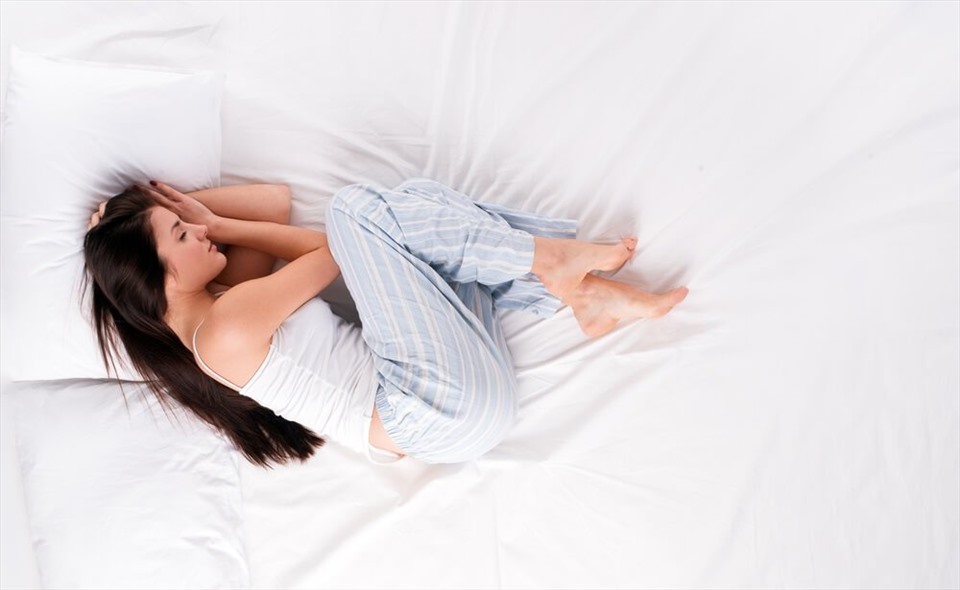
9. What About Sleeping on Your Stomach?
Some people absolutely love sleeping on their stomach.
If that's you, you're not necessarily doing something terrible.
But stomach sleeping can place additional stress on the neck because your head has to remain turned to one side for breathing.
It can also make maintaining a neutral spinal position more difficult.
Mayo Clinic notes that stomach sleeping can help keep the airway open but may put strain on the spine and neck.
If you regularly wake up with neck pain or stiffness, your sleeping position could be one factor worth considering.
10. Your Pillow Setup May Matter More Than Your Side
Sometimes people become obsessed with choosing the “correct” side while overlooking the equipment supporting their body.
Your mattress and pillows can have a major influence on comfort.
For side sleepers, the pillow should generally be thick enough to fill the space between your head and the mattress without pushing your neck upward.
A pillow between your knees can provide additional support.
Some people also find a body pillow useful because it allows them to support their abdomen, hips and legs simultaneously.
The objective is simple:
Keep your body comfortable and reasonably aligned.
You shouldn't have to wake up with a stiff neck every morning simply because you're trying to sleep on your left side.
11. Don't Force Yourself to Stay in One Position All Night
Here's something many people forget:
You naturally move while sleeping.
Even if you fall asleep on your left side, you may eventually roll onto your back or right side.
That's normal.
You don't need to spend the entire night consciously monitoring your position.
In fact, trying to stay rigidly in one position could make it harder to sleep.
Cleveland Clinic notes that people naturally move during sleep and that there's generally no need to change sleeping positions if you're comfortable and sleeping well, unless a healthcare professional has advised otherwise.
The quality and consistency of your sleep matter enormously.
How to Make Left-Side Sleeping More Comfortable
If you want to experiment with left-side sleeping, you don't need complicated equipment.
Try a few simple adjustments.
Place a pillow between your knees
This can help support your hips and maintain a more comfortable spinal position.
Use a supportive head pillow
Your head should remain roughly aligned with your spine rather than being pushed sharply upward or downward.
Try a body pillow
A body pillow can provide support for your chest, abdomen and legs.
Elevate your upper body if you have reflux
For frequent nighttime reflux, elevating the upper body can be helpful. Mayo Clinic notes that simply adding extra pillows under your head isn't as effective as raising the upper portion of the bed or using a wedge that elevates the torso.
Don't force it
If your left shoulder, hip or neck becomes painful, adjust your position.
Comfort is part of healthy sleep.
When Should Your Sleeping Position Concern You?
Your sleeping position itself isn't usually a medical problem.
The bigger issue is what happens while you're sleeping.
Pay attention if you regularly:
-
Wake up choking or gasping
-
Snore loudly
-
Stop breathing during sleep according to a partner
-
Wake with severe heartburn
-
Experience persistent chest discomfort
-
Wake with significant shortness of breath
-
Have repeated morning headaches
-
Experience severe neck or back pain
-
Wake frequently despite having enough time to sleep
These symptoms may indicate an underlying sleep or medical condition rather than simply a “bad” sleeping position.
For example, repeated nighttime gasping and loud snoring can be associated with obstructive sleep apnea.
If symptoms are persistent, don't try to solve everything by changing your sleeping position alone.
A Simple Way to Find the Best Position for You
Instead of asking:
“Which sleeping position is scientifically the best?”
Ask:
“Which position allows me to breathe comfortably, avoid pain, reduce symptoms and get good-quality sleep?”
That question is much more useful.
If you're healthy and sleeping comfortably on your right side, there's no need to panic because you aren't sleeping on your left.
If you have nighttime reflux, experimenting with your left side may help.
If you're pregnant, side sleeping is generally encouraged, particularly later in pregnancy, while current guidance does not require you to remain exclusively on the left side.
If you snore heavily or experience nighttime breathing problems, side sleeping may be beneficial, but persistent symptoms should be evaluated.
The Bottom Line
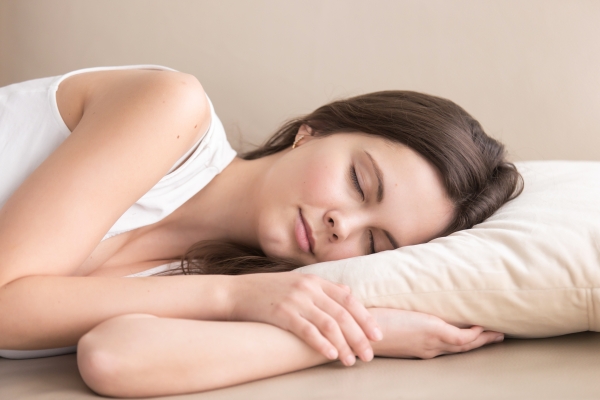
Your sleeping position can affect your body, but there isn't one perfect position for everyone.
Sleeping on your left side may be particularly useful for some people because it can help reduce nighttime acid reflux and may be especially comfortable during pregnancy.
Side sleeping in general may also help some people who snore or have obstructive sleep apnea by reducing airway collapse compared with sleeping on the back.
But don't fall into the trap of thinking that the left side is a magical health position.
Your comfort matters.
Your medical conditions matter.
Your sleep quality matters.
And if a particular position consistently causes pain, numbness, breathing problems or other symptoms, that's more important than following a generic rule about which side you “should” sleep on.
So tonight, if you're comfortable trying it, roll onto your left side, place a pillow between your knees, make sure your head and neck are properly supported, and see how your body responds.
The best sleeping position isn't necessarily the one that sounds healthiest online. It's the one that helps your body stay comfortable, your breathing stay easy, and your sleep stay restorative.